

Unlocking Mental Clarity Through Self-Inquiry

New data shows 40% of Americans are turning to mindfulness practices amid rising stress levels, according to a recent Pew Research survey. This surge highlights a growing interest in techniques that foster mental clarity. At the heart of this trend is meditation calm resilience, a practice blending introspective self-inquiry with strategies to build emotional steadiness. Experts say it’s not just about sitting quietly—it’s about questioning inner thoughts to achieve lasting calm. As more people seek balance in a chaotic world, understanding this link could be key to better mental health in 2025.
What Is Self-Inquiry?

Self-inquiry starts with asking tough questions about your thoughts and emotions. Rooted in ancient philosophies like those from Ramana Maharshi, it involves probing “Who am I?” to peel away layers of ego. This method cuts through mental noise, leading to sharper focus. In today’s fast-paced U.S. society, where burnout affects millions, self-inquiry acts as a reset button. Practitioners report reduced anxiety and improved decision-making. It’s simple: Set aside 10 minutes daily to reflect without judgment.
The Role of Meditation in Building Calm

Meditation serves as the foundation for calm. Techniques like mindfulness meditation encourage observing thoughts without attachment, creating space for peace. A study from Harvard Medical School found that regular meditation thickens the prefrontal cortex, enhancing emotional regulation. This ties directly into meditation calm resilience, where calm isn’t fleeting—it’s cultivated through consistent practice. Americans facing workplace stress are adopting apps like Headspace, reporting 25% better sleep and focus, per user data from the platform.
Resilience: The Hidden Benefit

Resilience emerges when self-inquiry meets adversity. By examining setbacks through meditation, individuals bounce back stronger. Research from the American Psychological Association links resilient mindsets to lower depression rates. In meditation calm resilience, this means turning failures into growth opportunities. For instance, veterans using these practices show improved PTSD symptoms, as noted in VA studies. It’s about training the mind like a muscle, ready for life’s punches.
Linking Self-Inquiry to Everyday Mental Clarity

Self-inquiry sharpens mental clarity by dissolving distractions. When you question automatic thoughts, clarity surfaces naturally. A report from the National Institutes of Health emphasizes how such practices reduce cognitive overload. In 2025, with remote work blurring boundaries, this link helps professionals maintain sharp focus. Try journaling prompts like “What belief is holding me back?” to integrate it seamlessly into routines.
Challenges in Practicing Meditation Calm Resilience
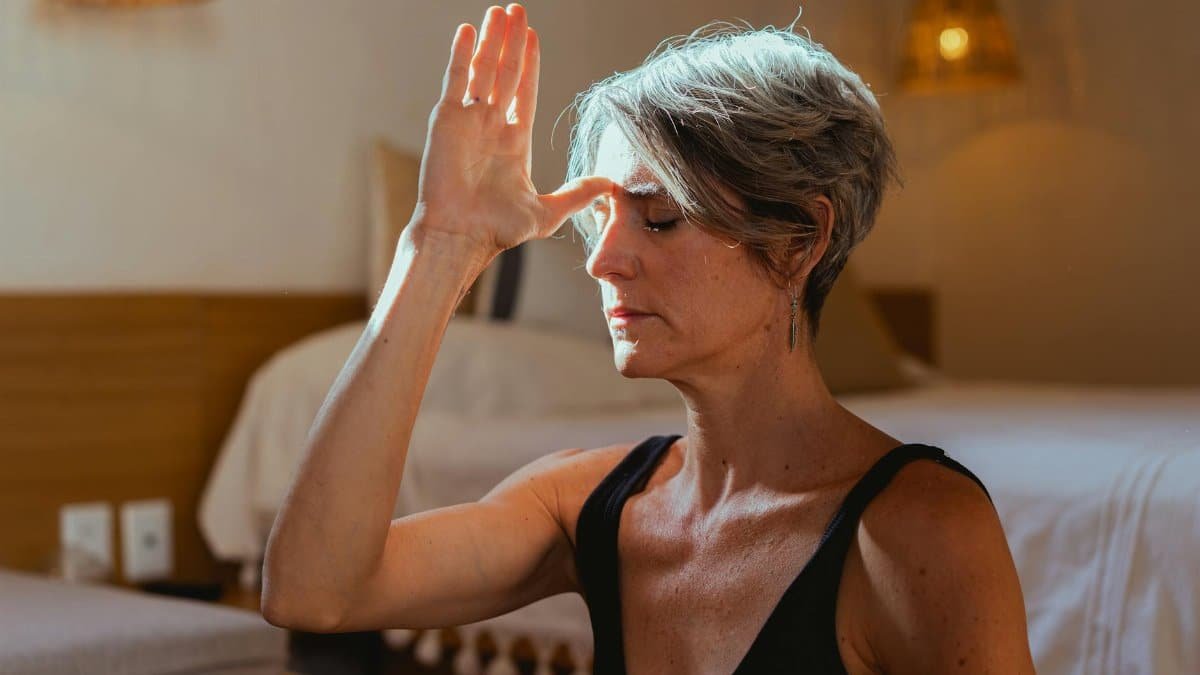
Not everyone finds it easy. Common hurdles include wandering minds and time constraints. Beginners often quit after a week, frustrated by lack of immediate results. Yet, experts advise starting small—five minutes a day—to build habits. A University of California study shows persistence pays off, with participants gaining resilience after just eight weeks. Overcoming these challenges requires patience, turning potential pitfalls into stepping stones for mental strength.
Real-World Applications in Daily Life

Apply self-inquiry at work or home for quick wins. During stressful meetings, pause to inquire about your reactions. This fosters calm under pressure. Parents use it to handle family chaos, reporting better emotional balance. In wellness trends, companies like Google offer meditation programs, boosting employee resilience. A NIH study on mindfulness supports these benefits, showing reduced anxiety in daily scenarios.
Scientific Backing for the Practice

Science backs the buzz. Neuroimaging from Yale University reveals self-inquiry activates brain regions tied to self-awareness and calm. Combined with meditation, it enhances neural plasticity, aiding resilience. A 2023 meta-analysis in the Journal of the American Medical Association found mindfulness practices cut stress by 30%. For meditation calm resilience, this means tangible brain changes that support long-term mental clarity. Skeptics take note: Evidence is mounting.
Getting Started: Simple Steps

Begin with basics. Find a quiet spot, sit comfortably, and breathe deeply. Introduce self-inquiry by gently questioning emotions as they arise. Apps and online resources guide newcomers. The Centers for Disease Control and Prevention recommends mindfulness for stress management, linking it to better health outcomes. Track progress in a journal to see resilience build over time.
Impact on Overall Wellness

Beyond clarity, these practices boost holistic wellness. Users experience better physical health, like lower blood pressure, per CDC data. In the U.S., where mental health crises spike, meditation calm resilience offers a proactive tool. It integrates with exercise or therapy for amplified effects. As 2025 unfolds, expect more adoption in schools and workplaces, fostering a calmer society.
Future Trends in Mindful Practices
Looking ahead, virtual reality meditation is gaining traction, making self-inquiry immersive. Tech integrations promise wider access. A Pew Research overview on mindfulness trends indicates growing popularity among younger demographics. This evolution could redefine mental clarity for generations, emphasizing resilience in an uncertain world.