

In a world that often feels like it’s spinning faster than we can keep up, what if the key to emotional balance lay in something as fundamental as our breath? For many Americans grappling with the stresses of daily life, practices like clarity breathwork mindfulness are emerging as quiet game-changers. This approach combines intentional breathing techniques with mindful awareness to foster mental clarity and emotional resilience. It’s not about escaping reality but engaging with it more fully, helping individuals navigate everything from work pressures to personal relationships with greater calm. As we step into 2025, with rising reports of anxiety and burnout, incorporating such methods into everyday routines could make all the difference. But how exactly do we turn these concepts into actionable steps? Let’s explore ten practical actions that build on clarity breathwork mindfulness to enhance emotional balance, drawing from expert insights and real-world applications.
1. Start Your Day with Intentional Breathing

Imagine waking up not to the blare of an alarm but to a few moments of deliberate breath. Clarity breathwork mindfulness begins here, encouraging deep, rhythmic inhales that signal to your body it’s time to center. One approach involves sitting upright and breathing in for a count of four, holding briefly, then exhaling slowly. This isn’t just ritual; studies show it activates the parasympathetic nervous system, reducing cortisol levels. A friend once shared how this shifted her mornings from chaotic to composed, setting a tone that carried through her day. Vary it by focusing on sensations in your chest or abdomen. Over time, this builds a foundation for emotional steadiness, making stressors feel less overwhelming.
Experts at the National Institutes of Health highlight how such practices can lower stress responses. For deeper reading, check this overview from NIMH on Stress Management. It’s a small action, yet it compounds, fostering resilience amid life’s unpredictability.
2. Practice Mindful Pauses During Transitions
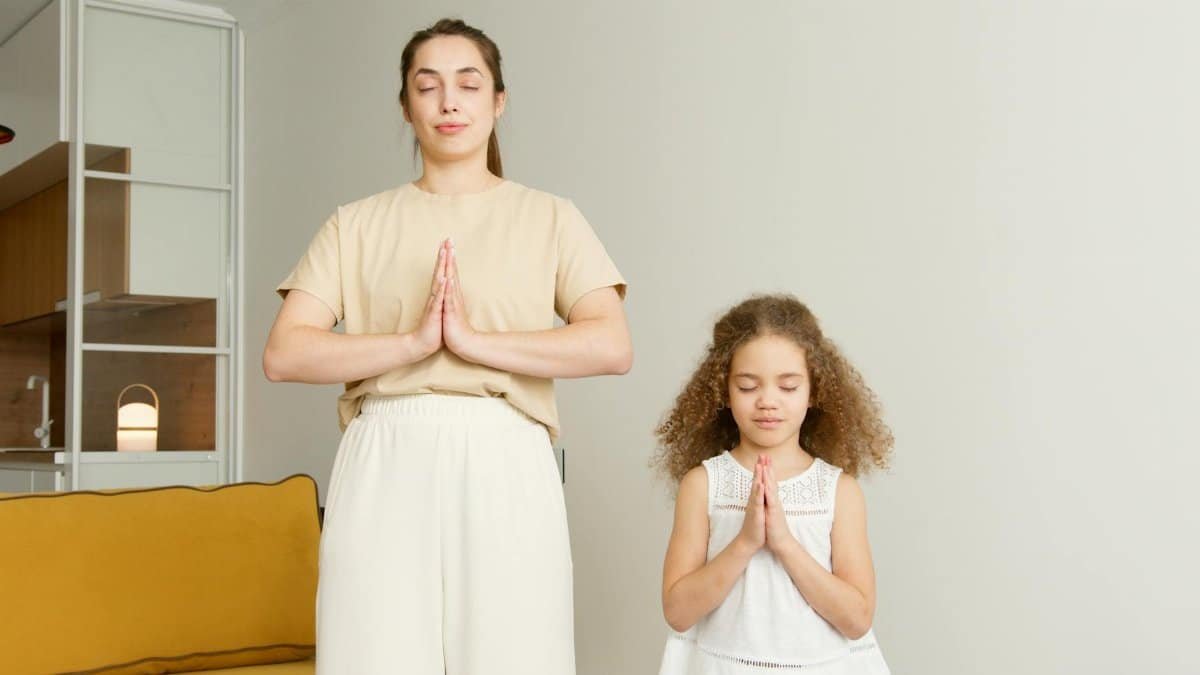
Between meetings or errands, those fleeting moments often slip by unnoticed. Yet inserting a mindful pause, rooted in clarity breathwork mindfulness, can reset your emotional compass. Try this: Stop, close your eyes, and take three focused breaths, noticing the air’s cool entry and warm exit. It’s like hitting a mental refresh button. Online, someone recently described feeling “anchored” after adopting this during a hectic workday, turning potential frustration into focus.
This ties into broader trends where Americans are seeking quick tools for balance. Research from Harvard Medical School supports how brief mindfulness interventions enhance emotional regulation. Explore their guide at Harvard Health Publishing. By weaving these pauses in, you’re not avoiding emotions but meeting them with clarity, which gradually strengthens your inner equilibrium.
Don’t overthink it. Even a 30-second break can diffuse building tension, proving that emotional balance thrives on consistency rather than perfection.
3. Incorporate Gratitude Reflections

Gratitude isn’t fluffy advice; it’s a potent ally in clarity breathwork mindfulness. End your day by noting three things you’re thankful for, pairing it with slow breaths to deepen the reflection. This shifts focus from what’s lacking to abundance, easing emotional turbulence. Picture a middle-aged parent jotting down appreciation for a child’s laugh after a tough commute; it reframes the evening.
Studies underscore this. The University of California, Davis, has explored how gratitude practices bolster mental health. Dive into their findings via UC Davis Mind Institute Research. It’s active engagement, not passive wishing, that cultivates balance. As 2025 unfolds with economic uncertainties, such habits offer a steady anchor.
4. Engage in Nature Walks with Awareness

Step outside, but do it mindfully. Clarity breathwork mindfulness amplifies a simple walk by syncing breath with steps, inhaling the earth’s scents, exhaling distractions. Feel the ground underfoot, observe leaves rustling. This isn’t escapism; it’s reconnection. A colleague recounted how these walks dissolved his work anxiety, revealing patterns in his thoughts he hadn’t noticed before.
Evidence from the American Psychological Association links nature exposure to improved mood. Their resources are available at APA on Resilience. In bustling U.S. cities, where green spaces are premiums, even a park bench session counts. It builds emotional layers, turning routine outings into restorative rituals.
Vary the pace. Sometimes stroll slowly; other times, let breaths quicken with your stride. The key is presence, which fortifies against daily emotional swings.
5. Set Boundaries with Compassionate Communication

Emotional balance often hinges on saying no without guilt. Infuse clarity breathwork mindfulness by breathing deeply before responding to requests, ensuring your words come from a clear space. This might mean politely declining an extra task, explaining your limits. It’s empowering, not selfish.
Think of a scenario where a family member oversteps; a mindful breath allows a calm assertion. Research from the Mayo Clinic emphasizes boundary-setting for well-being. See their advice at Mayo Clinic on Stress Management. As remote work blurs lines in 2025, this action preserves energy, fostering sustained balance.
6. Cultivate Journaling for Emotional Clarity

Grab a notebook and let thoughts flow, guided by breath. Clarity breathwork mindfulness enhances journaling by starting with a few centering inhales, then writing freely about feelings. No judgments, just observations. This unpacks emotions, revealing insights hidden in the rush.
One anonymous account online detailed how this practice turned vague unease into actionable steps, lightening their load. The Journal of Positive Psychology has studies on expressive writing’s benefits. Access insights at Journal of Positive Psychology. It’s a private dialogue that sharpens emotional acuity over time.
Mix it up: Some days, list emotions; others, explore why they arise. This variety keeps it fresh, building a resilient mindset.
7. Embrace Mindful Eating Habits

Eating isn’t just fuel; it’s a mindfulness opportunity. With clarity breathwork mindfulness, slow down, breathe between bites, savor textures and flavors. This curbs impulsive eating tied to emotions, promoting balance.
Visualize enjoying a meal without distractions, noticing fullness cues. The Centers for Disease Control and Prevention discuss mindful eating for health. Check CDC on Healthy Weight. In a culture of fast food, this counters stress-eating, nurturing emotional steadiness.
8. Foster Connections Through Active Listening

Truly listening requires presence. Apply clarity breathwork mindfulness by breathing steadily while others speak, resisting the urge to interrupt. This deepens relationships, reducing isolation’s emotional toll.
A group therapy session might illustrate: Participants breathe, listen, then respond thoughtfully. Pew Research Center notes social connections’ role in well-being. Explore at Pew Research on Health & Wellbeing. As digital divides grow in 2025, this action bridges gaps, enhancing collective balance.
Practice in small ways, like phone calls without multitasking. It transforms interactions, bolstering your emotional core.
9. Integrate Movement with Breath Awareness

Whether yoga or a brisk jog, link movement to breath. Clarity breathwork mindfulness turns exercise into emotional therapy, syncing inhales with lifts, exhales with releases.
Someone might describe a run where focused breathing dissolved anger. The National Center for Complementary and Integrative Health supports this. Visit NCCIH on Yoga. It’s accessible, adapting to fitness levels, and vital for ongoing balance.
10. End with Evening Wind-Down Rituals

Cap the day mindfully. Dim lights, breathe deeply, perhaps meditate briefly. This clarity breathwork mindfulness ritual signals rest, processing the day’s emotions.
Envision unwinding with a herbal tea, reflecting lightly. Studies from Johns Hopkins Medicine affirm bedtime routines’ impact. See Johns Hopkins on Wellness. In our always-on era, this ensures restorative sleep, key to emotional equilibrium.
Adapt it seasonally: Warmer months might include stargazing. Consistency here wraps the actions together, creating lasting change.