
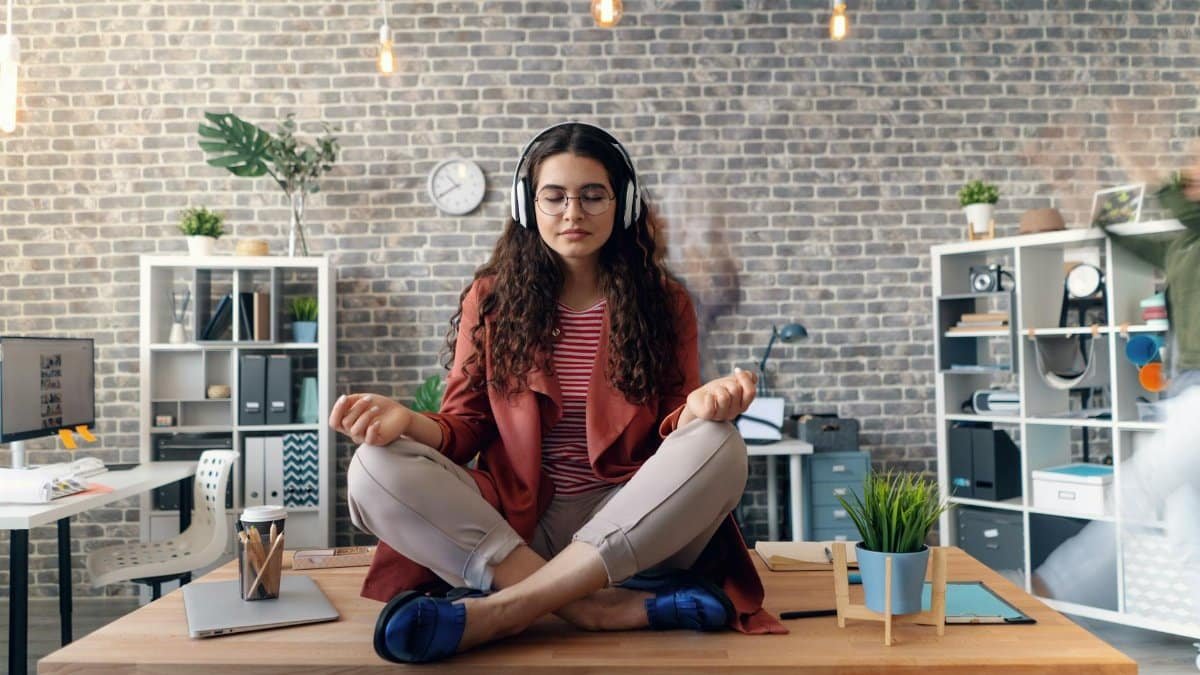
Did you know that 76% of U.S. workers report high stress levels, but companies incorporating meditation programs see a 30% drop in employee burnout? That’s the power of healing resilience calm in action. As workplaces grapple with post-pandemic fatigue, meditation is emerging as a game-changer. From tech giants to small firms, mindful practices are boosting productivity and mental health. This shift isn’t just trendy—it’s backed by data showing reduced absenteeism and improved focus. In 2025, expect more offices to embrace these techniques for a calmer, more resilient workforce.
The Rise of Corporate Meditation Programs
Meditation has moved from yoga studios to boardrooms. Major companies like Google and Apple have long championed mindfulness training. Now, smaller businesses are following suit. A recent survey by the American Psychological Association reveals that stress costs U.S. industries $300 billion annually in lost productivity. Meditation counters this by fostering healing resilience calm, helping employees manage pressure effectively. Programs often include guided sessions during lunch breaks or apps for daily use. The result? Teams that bounce back faster from setbacks.
Boosting Employee Productivity Through Mindfulness

Focus is gold in today’s distraction-filled work environment. Meditation sharpens attention spans, according to research from Harvard Medical School. Employees practicing brief sessions report better concentration and fewer errors. One study found that just 10 minutes a day can enhance cognitive function. This ties directly to healing resilience calm, where calm minds lead to resilient performance. In competitive sectors like finance, firms are seeing measurable gains in output after implementing these practices.
Reducing Stress and Preventing Burnout
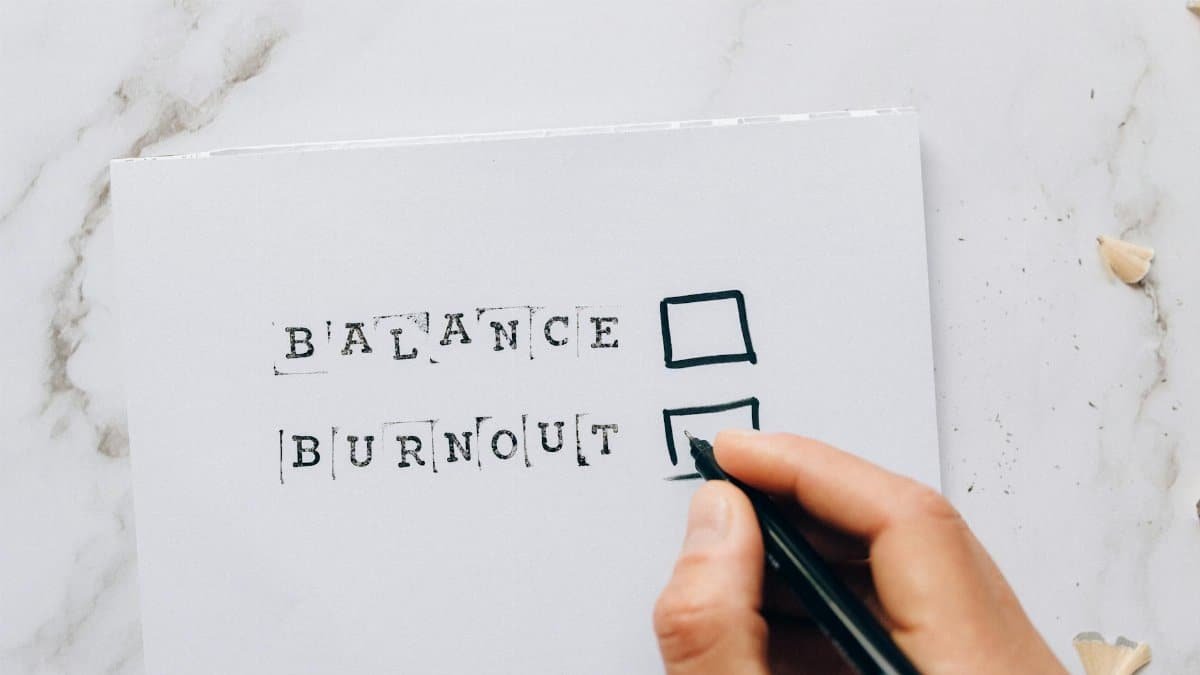
Burnout is rampant, with Gallup reporting 23% of workers feeling it often. Meditation acts as a buffer, promoting relaxation techniques that lower cortisol levels. Experts from the National Institutes of Health note that consistent practice builds emotional resilience. Workers gain tools for healing from daily stressors, maintaining calm under fire. Companies offering meditation perks report lower turnover rates, saving on recruitment costs. It’s a practical fix for a widespread issue.
Enhancing Team Dynamics and Collaboration

Mindful employees communicate better. Meditation encourages empathy and active listening, reducing workplace conflicts. A report from the University of California, Berkeley, highlights how group sessions improve interpersonal relations. This fosters a culture of healing resilience calm, where teams support each other through challenges. In creative industries, this leads to innovative ideas flowing more freely. Leaders are noticing the ripple effects on overall morale.
Scientific Backing for Meditation’s Benefits

It’s not just hype—science supports it. Neuroimaging studies show meditation reshapes brain areas linked to stress response. The National Center for Biotechnology Information details how it enhances gray matter density. Another key finding from the American Psychological Association links mindfulness to improved emotional regulation. These insights explain why healing resilience calm is key to workplace transformation.
Implementing Meditation in Daily Routines

Getting started is simple. Apps like Headspace or Calm offer workplace-tailored programs. HR departments can schedule virtual sessions or create quiet zones. Training managers to lead short meditations empowers teams. For remote workers, online platforms ensure accessibility. The goal is integrating healing resilience calm into routines without disrupting workflows. Early adopters report seamless adoption and quick wins in employee satisfaction.
Challenges and How to Overcome Them

Not everyone buys in immediately. Skepticism about “woo-woo” practices persists. To counter this, companies share success stories and data. Time constraints are another hurdle—start with micro-sessions of five minutes. Cultural fit matters; tailor programs to diverse workforces. Overcoming these builds true resilience. As more evidence piles up in 2025, resistance is fading fast.
Real-World Examples from Leading Companies

Look at Aetna: Their mindfulness program cut healthcare costs by $3,000 per employee annually. Salesforce integrates meditation into its wellness initiatives, reporting happier staff. These cases illustrate healing resilience calm at work. Employees share testimonials about regained balance. Such examples inspire others to adopt similar strategies, proving meditation’s tangible impact.
Future Trends in Workplace Wellness
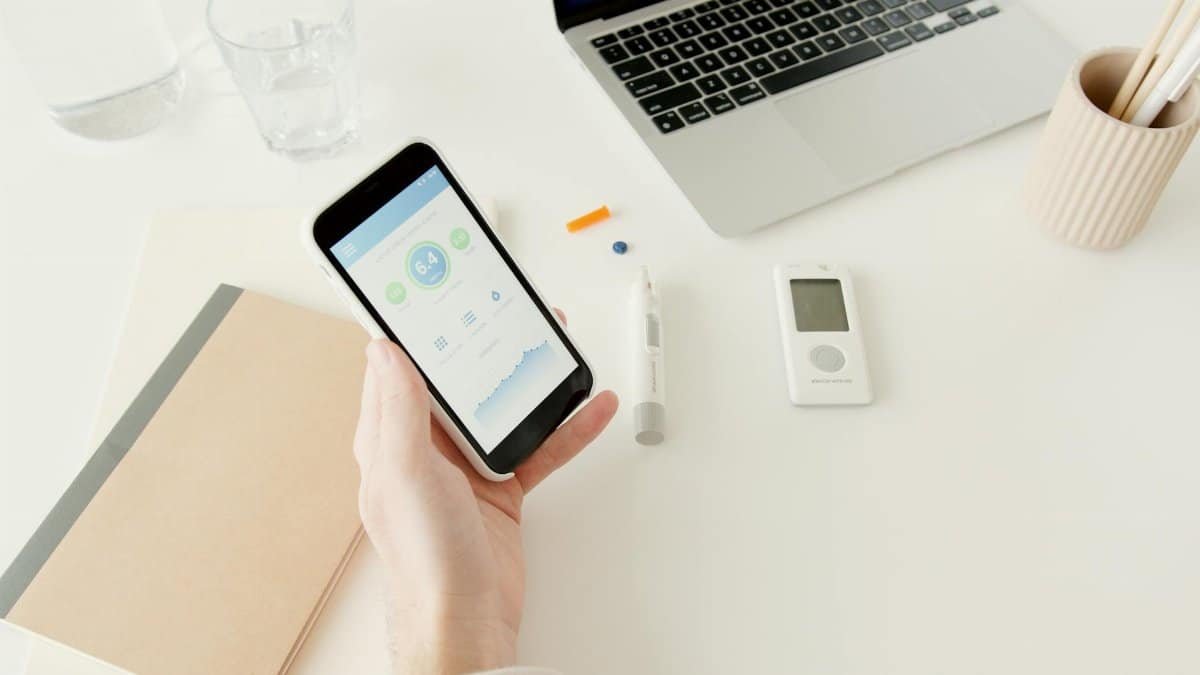
In 2025, expect virtual reality meditation and AI-guided sessions to rise. Integration with wearables for stress tracking will personalize experiences. As hybrid work evolves, meditation will anchor mental health strategies. This evolution promises even greater healing resilience calm, positioning mindful workplaces as the norm. Experts predict widespread adoption, driven by proven ROI.