
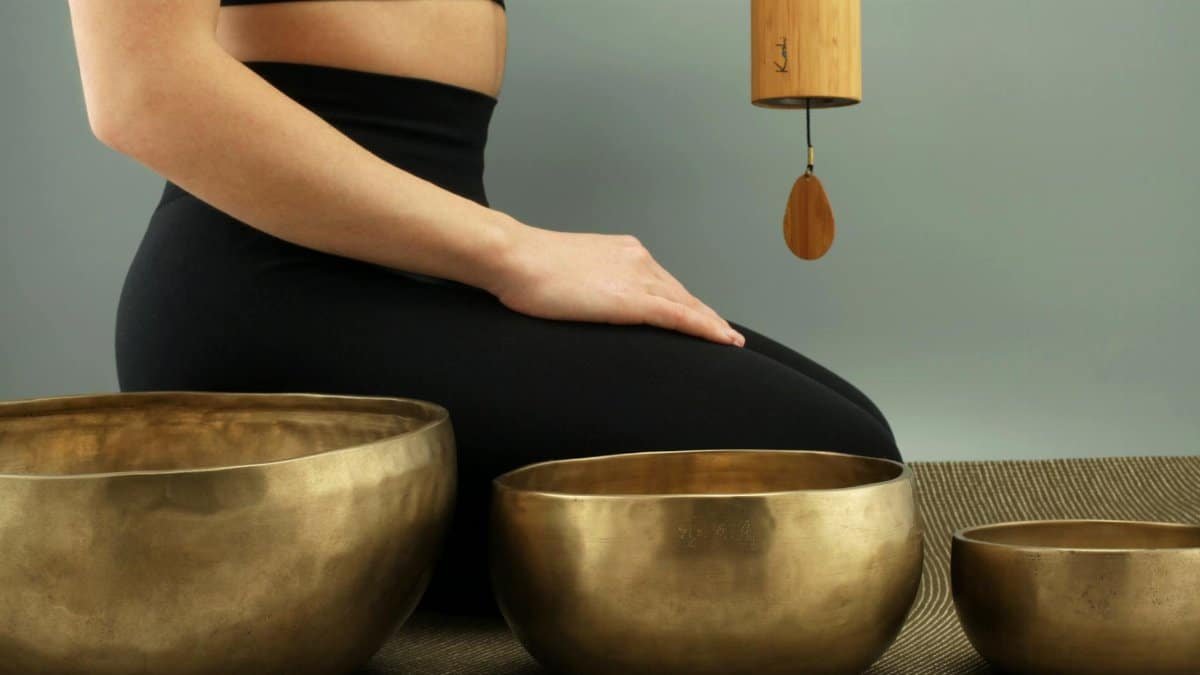
In a fast-paced world, millions are turning to alternative therapies for peace. New data from a 2024 survey by the National Center for Complementary and Integrative Health shows that 38% of U.S. adults now incorporate sound healing practices into their routines, up from 25% five years ago. This surge highlights calm healing wellness as a go-to for boosting mental clarity. But what’s behind the buzz? Experts say sound healing, using tools like gongs and singing bowls, taps into vibrations that calm the mind and sharpen focus. As stress levels rise in 2025, this ancient practice is gaining modern traction for everyday balance.
What Is Sound Healing?
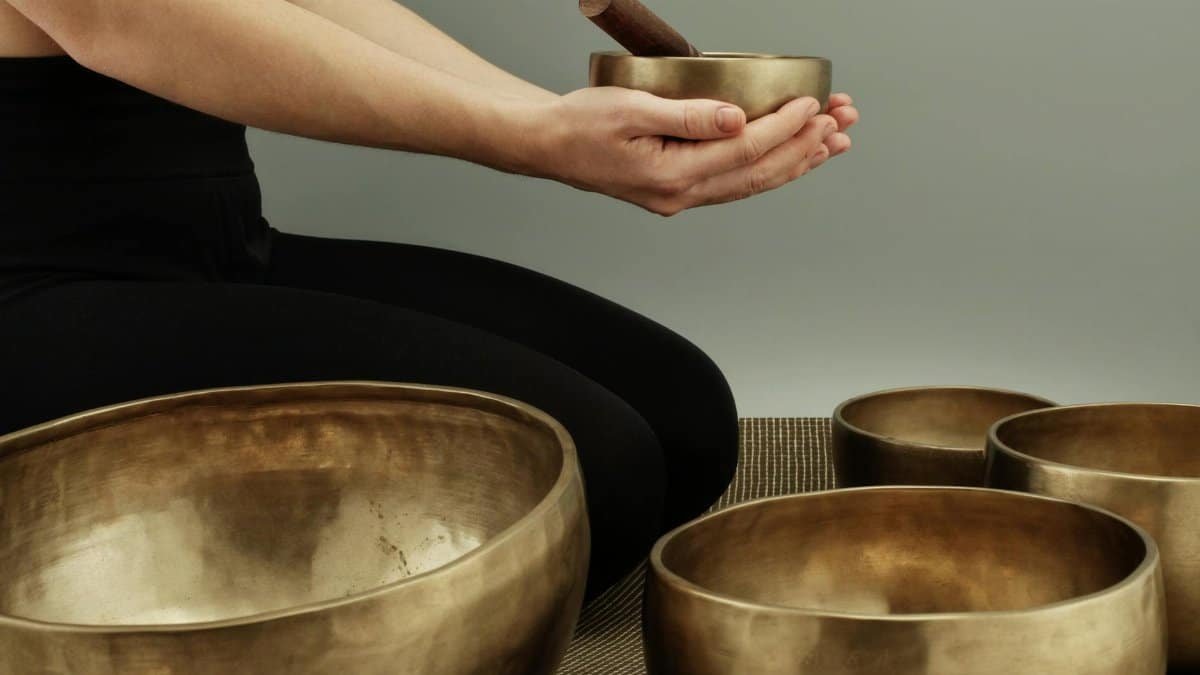
Sound healing involves using sound frequencies to promote relaxation and healing. Practitioners use instruments such as Tibetan singing bowls, tuning forks, or even the human voice to create vibrations that resonate with the body’s energy. Rooted in ancient traditions from cultures like those in India and Tibet, it aims to restore harmony. Modern science is catching up, suggesting these sounds can influence brain waves. For instance, alpha waves associated with relaxation increase during sessions. This ties directly into calm healing wellness by fostering a state of inner peace without medication.
The Science Behind Mental Clarity

Mental clarity means sharp focus, reduced brain fog, and better decision-making. Sound healing supports this by lowering cortisol levels, the stress hormone that clouds thinking. A study published in the Journal of Evidence-Based Integrative Medicine found that participants exposed to sound therapy reported 25% improved concentration after just four weeks. Researchers at the University of California noted changes in neural activity, promoting theta waves linked to creativity and calm. In 2025, with remote work blurring boundaries, such practices offer a quick reset for overwhelmed minds.
How Sound Healing Reduces Stress
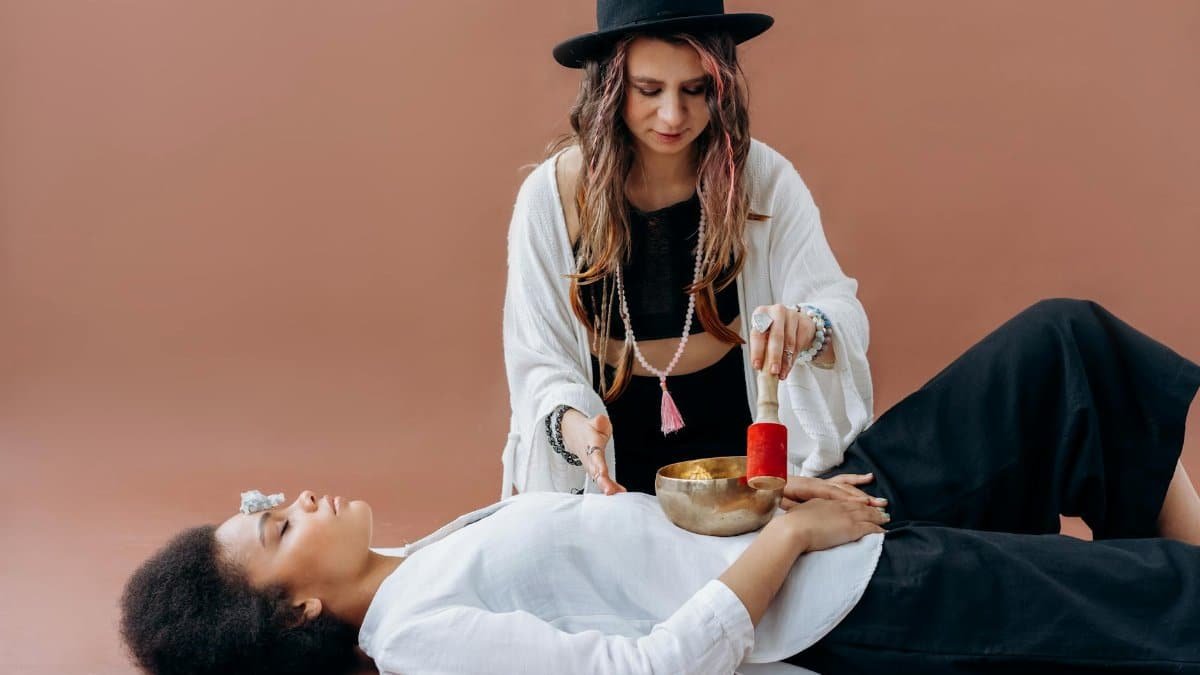
Stress is a clarity killer, triggering fight-or-flight responses that scatter thoughts. Sound healing counters this by activating the parasympathetic nervous system, which promotes rest and digestion. Sessions often involve lying down while sounds wash over you, easing tension in minutes. One user described it as “a mental massage.” Clinics across the U.S. are integrating it into wellness programs, with some employers offering on-site sessions to boost productivity. This approach aligns with calm healing wellness trends emphasizing holistic stress management.
Practical Ways to Incorporate Sound Healing
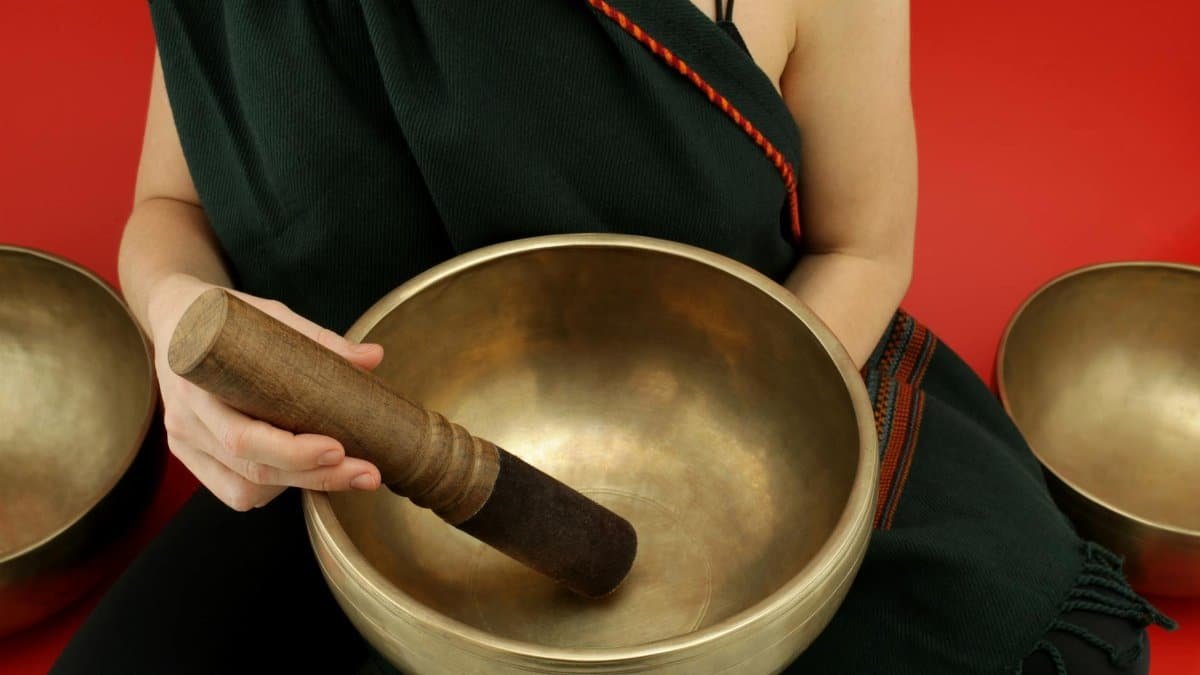
Getting started is simple. Begin with apps that stream binaural beats or guided sound meditations. For hands-on experience, attend a local sound bath class, where groups relax to live instrumentals. At home, invest in a singing bowl; strike it gently and let the tone resonate. Consistency matters: aim for 10 to 15 minutes daily. Experts recommend combining it with breathing exercises for amplified effects. In urban areas like New York, pop-up events make it accessible, fitting into busy 2025 schedules.
Real-Life Benefits and Stories
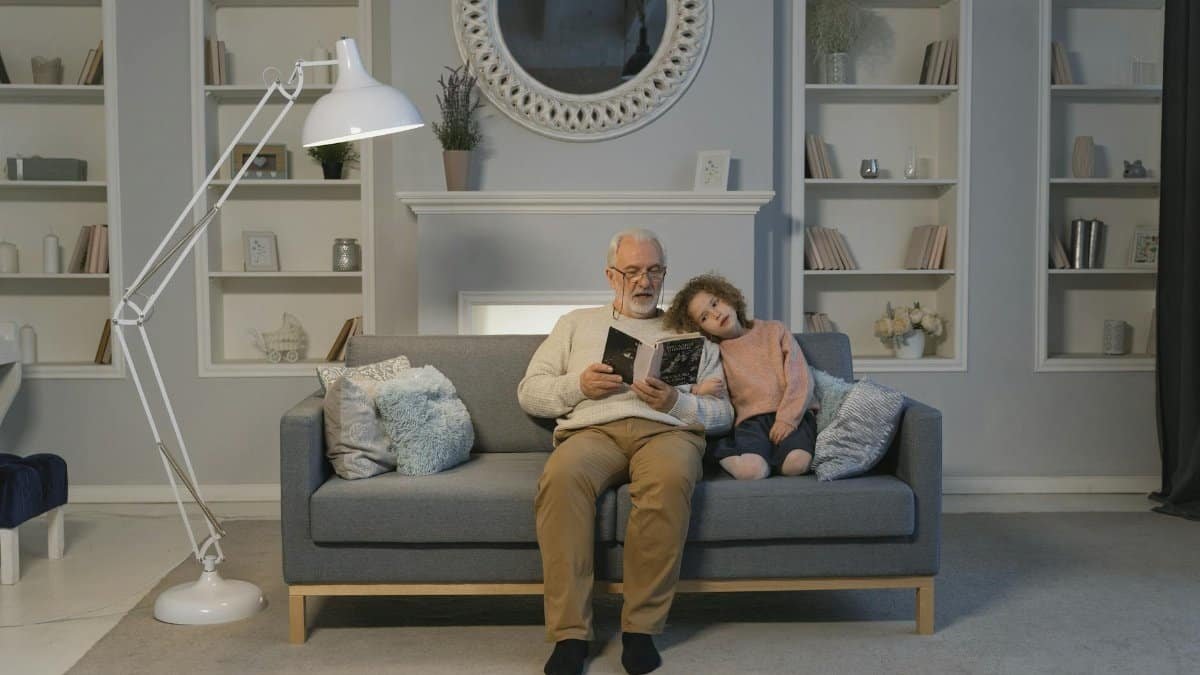
Take Mark Thompson, a Chicago executive who battled anxiety. After weekly sound healing, he said his focus improved dramatically, helping him close major deals. Similar accounts flood online forums. A report from the American Psychological Association highlights how such therapies aid in managing ADHD symptoms, with users reporting fewer distractions. While not a cure-all, these stories show sound healing’s role in everyday mental sharpness. It’s becoming a staple in calm healing wellness routines for professionals and students alike.
Potential Drawbacks and Considerations

Not everyone vibes with sound healing. Some find the noises overwhelming, especially those with sensory sensitivities. It’s crucial to start slow and consult a doctor if you have conditions like epilepsy, as certain frequencies might trigger issues. Cost can be a barrier; sessions range from $50 to $150. However, free online resources abound. Research from NCBI study on sound therapy warns against over-reliance, emphasizing it as a complement to traditional care. Balance is key in any wellness pursuit.
Sound Healing in Modern Wellness Trends
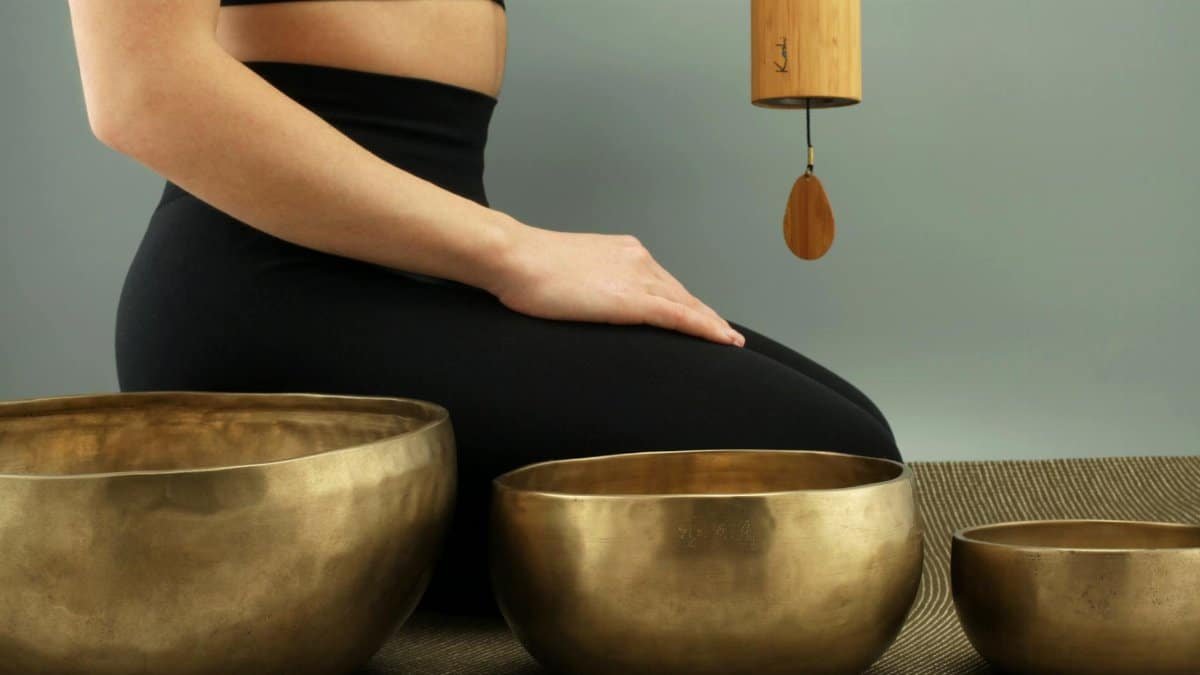
As 2025 unfolds, sound healing integrates with tech like VR experiences simulating immersive soundscapes. Celebrities endorse it, from Gwyneth Paltrow’s Goop features to apps backed by wellness influencers. Corporate retreats now include it for team building, recognizing its clarity-boosting power. Data from NCCIH statistics on complementary health predicts continued growth, with more studies funding underway. This evolution keeps calm healing wellness relevant in a digital age.
Comparing Sound Healing to Other Practices
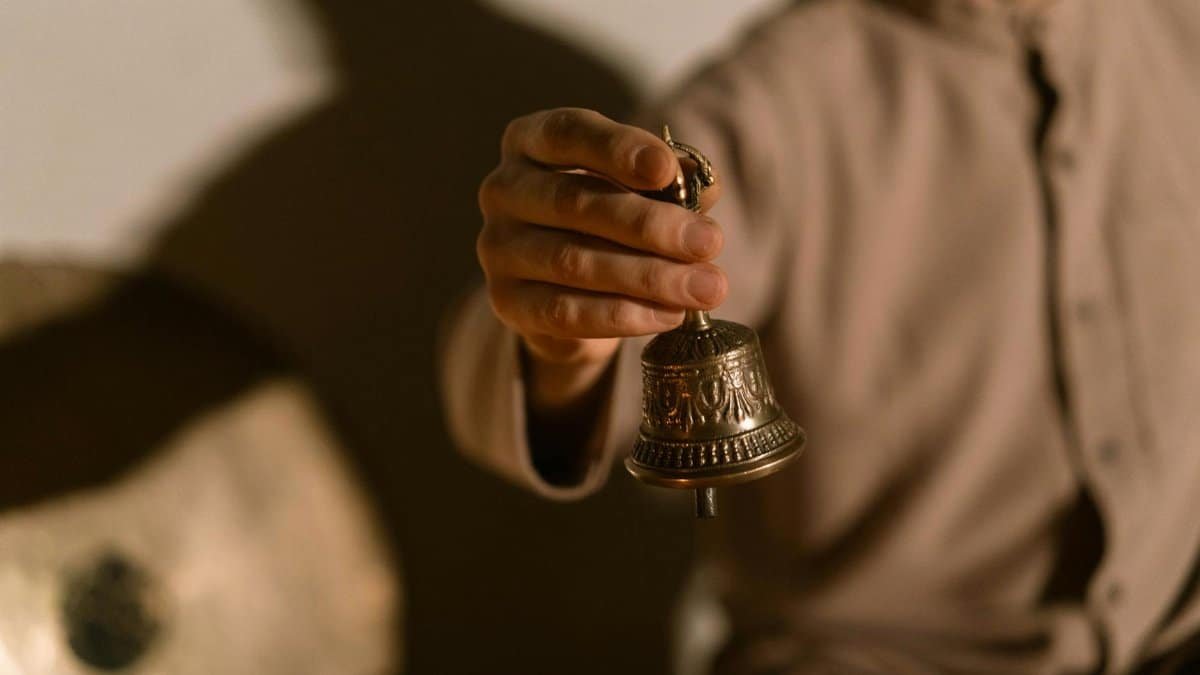
Versus meditation, sound healing adds an auditory layer, making it easier for beginners who struggle with silence. Unlike yoga, it’s passive, ideal for those with mobility issues. Aromatherapy pairs well, enhancing the sensory experience. A comparative analysis in the International Journal of Yoga showed sound-based methods yield faster relaxation responses. For mental clarity, it edges out journaling for some, providing immediate vibrational shifts. Exploring combinations can personalize your calm healing wellness journey.
Future Directions and Research
Ongoing studies at institutions like Harvard are delving into sound’s impact on neuroplasticity, potentially revolutionizing mental health treatments. Expect more apps and devices in 2025, democratizing access. Experts predict integration into telemedicine for remote therapy. While evidence builds, personal experimentation remains key. This forward momentum underscores sound healing’s lasting place in fostering mental clarity and overall wellness.