

A recent study from the American Psychological Association revealed that nearly 40% of U.S. adults report feeling overwhelmed by daily stressors, a figure that’s climbed steadily over the past decade. This surge underscores a growing need for strategies that foster mental clarity amid chaos. Enter resilience calm wellness—a holistic approach blending emotional strength, inner peace, and overall well-being to sharpen focus and navigate life’s demands. Far from a fleeting trend, it’s becoming a practical toolkit for many, especially in a fast-paced 2025 where distractions abound. As workplaces evolve and personal lives intensify, incorporating simple actions rooted in this concept can make a tangible difference. This article explores five everyday actions that not only enhance mental clarity but also build that resilient calm, drawing on insights from experts and real-world applications to help you reclaim your mental space.
1. Start with Mindful Breathing Exercises

Breathing might seem automatic, but turning it into a deliberate practice can transform how you handle stress. Consider Sarah, a mid-level manager in Chicago, who found herself frazzled during back-to-back meetings. One morning, she paused for a five-minute breathing routine, inhaling deeply through her nose and exhaling slowly, feeling the tension ease from her shoulders. This isn’t just anecdotal relief; it’s backed by science. Research shows that controlled breathing activates the parasympathetic nervous system, reducing cortisol levels and promoting a state of calm that underpins resilience calm wellness.
Varying the pace, she experimented with the 4-7-8 technique: inhale for four counts, hold for seven, exhale for eight. Over time, this built her ability to stay composed under pressure. It’s not about perfection; even imperfect attempts yield benefits. A study from the National Center for Biotechnology Information highlights how such practices improve cognitive function, sharpening focus amid daily noise. In 2025, with remote work blurring boundaries, integrating this into your routine—perhaps before checking emails—can foster that steady wellness many crave.
Yet, challenges arise. Some dismiss it as too simplistic, but weaving it into habits like commuting or waiting in line makes it sustainable. Online discussions often reveal initial skepticism turning to advocacy, with one anonymous poster sharing how it helped them regain clarity after a tough breakup, emphasizing the quiet power of breath in building emotional resilience.
2. Incorporate Short Meditation Sessions
What if carving out just ten minutes a day could rewire your brain for better clarity? That’s the promise of meditation, a cornerstone of resilience calm wellness. Picture a group of friends in a New York City park, sitting quietly as the city buzzes around them, each focusing on the present moment. This scene captures the essence: meditation isn’t about emptying the mind but observing thoughts without judgment, which cultivates calm and fortifies mental resilience.
Diving into the details, apps and guided sessions make it accessible, but the real magic happens in consistency. A landmark report from the National Institutes of Health notes that regular practice enhances attention span and emotional regulation, key for navigating 2025’s uncertainties like economic shifts. Start small: focus on your breath or a mantra during lunch breaks. The variety keeps it fresh—some days mindful, others loving-kindness focused.
Transitions to daily life reveal its impact. John, a teacher from Texas, integrated it after burnout, finding his classroom decisions sharper. It’s not always serene; distractions creep in, but that’s part of the process, teaching patience and wellness through persistence.
3. Engage in Regular Physical Movement

Movement isn’t just for the body; it’s a direct line to mental sharpness. Take the story of a Seattle retiree who swapped sedentary evenings for brisk walks, noticing how fog lifted from his thoughts. This ties into resilience calm wellness by linking physical activity with emotional stability, creating a feedback loop where endorphins boost mood and clarity.
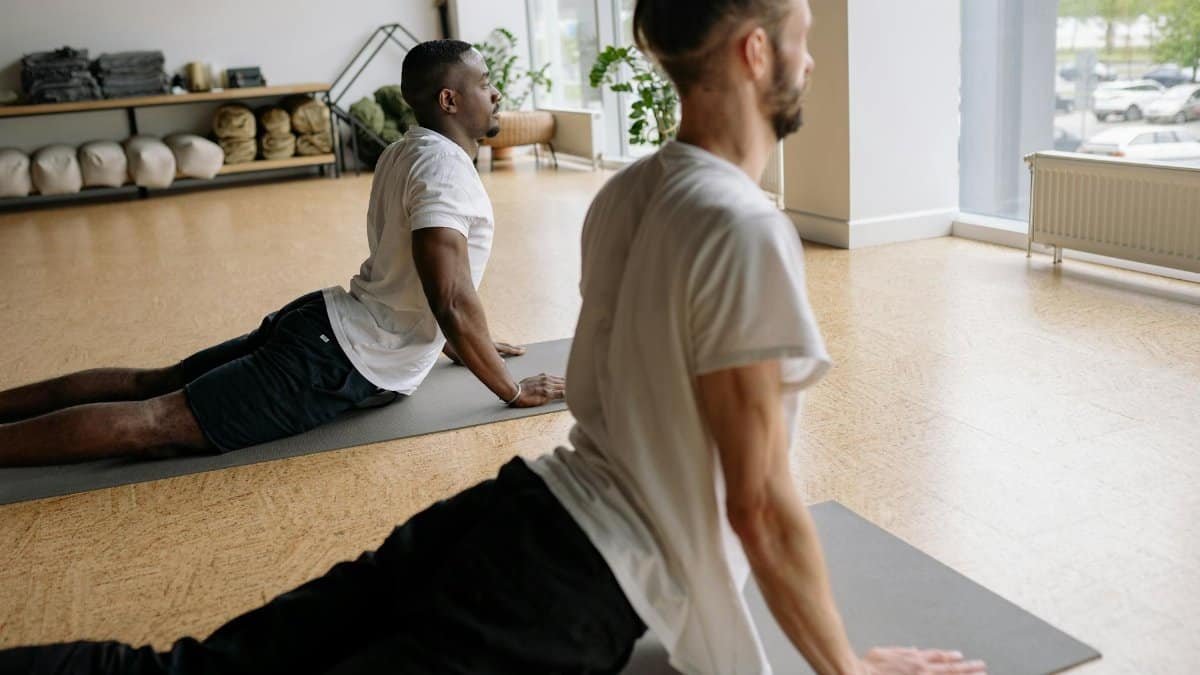
Experts recommend at least 30 minutes daily, but it’s the type that matters—yoga for calm, jogging for release. A comprehensive analysis by the Centers for Disease Control and Prevention links consistent exercise to improved cognitive function, reducing anxiety that clouds judgment. In a year like 2025, with hybrid lifestyles demanding adaptability, this action builds the resilience to pivot gracefully.
Shifting gears, it’s worth noting the barriers: time constraints or motivation dips. Yet, reframing it as self-care, perhaps pairing it with podcasts, turns it enjoyable. One public account described overcoming inertia through group hikes, highlighting how communal movement amplifies wellness benefits, fostering connections that enhance mental clarity.
4. Practice Journaling for Reflection

Amid the rush, putting pen to paper offers a pause. Imagine flipping through pages where scattered thoughts coalesce into insights—this is journaling’s gift to mental clarity. Rooted in resilience calm wellness, it encourages processing emotions, spotting patterns that disrupt calm, and nurturing a balanced perspective.
Variety abounds: gratitude lists one day, free-writing the next. Research from the American Psychological Association demonstrates how expressive writing reduces stress and sharpens focus, making it a tool for everyday wellness. For middle-aged readers juggling careers and family in 2025, evening sessions can unpack the day’s chaos, leading to clearer mornings.
But it’s not without hurdles; blank pages intimidate. Start with prompts like “What drained my energy today?” The narrative unfolds gradually, revealing personal growth. A brief example: a Florida entrepreneur journaled through business setbacks, emerging with resilient strategies that steadied her calm amid volatility.
5. Connect with Nature Daily

Stepping outside can reset the mind like nothing else. Envision a quiet trail where birdsong drowns out urban hum, allowing thoughts to settle. This connection to nature embodies resilience calm wellness, grounding us in the present and building inner strength against life’s storms.
Simple acts suffice: a park bench sit or backyard gaze. Studies, including one from USDA Forest Service, show that time in green spaces lowers stress hormones, enhancing clarity and emotional resilience. As 2025 brings more screen time, this action counters digital fatigue, promoting wellness through sensory immersion.
Exploring further, weather or access might limit it, but even window views count. Transitions to habit form when tied to routines, like post-dinner strolls. Reflecting on a shared story, someone online recounted how daily nature breaks helped manage anxiety during a career transition, underscoring its role in sustaining calm and focus over time.
Wrapping these actions together, they form a tapestry of resilience calm wellness, each thread strengthening mental clarity. In a world that demands constant adaptation, these everyday steps offer not just relief but a foundation for thriving.