
Intro
New data shows 40% of urban dwellers in major U.S. cities are turning to sound healing practices to combat daily stress, according to a recent Pew Research survey. This surge is reshaping how people achieve clarity mindfulness focus amid the chaos of city life. From New York to Los Angeles, sound baths and gong sessions are popping up in parks, offices, and community centers, promising mental sharpness and calm. Experts say it’s not just a trend—it’s a response to rising burnout rates in 2025, where noise pollution and fast-paced routines erode well-being. But does it really deliver? Cities are betting big on it.
What Is Sound Healing?
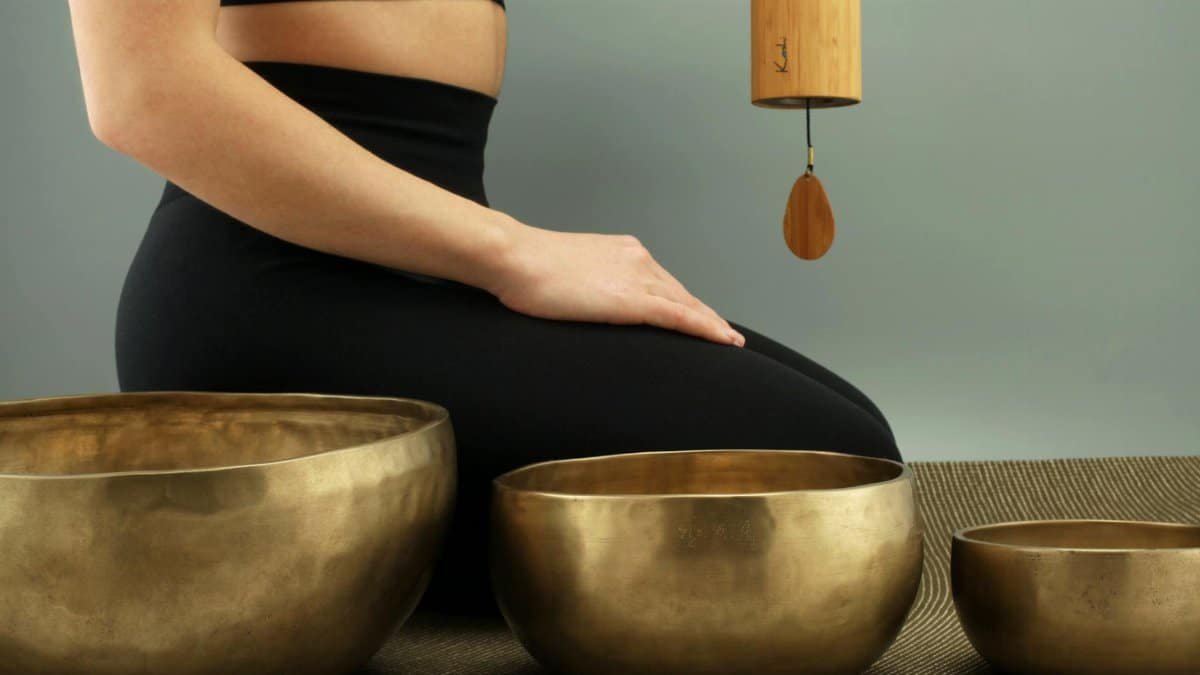
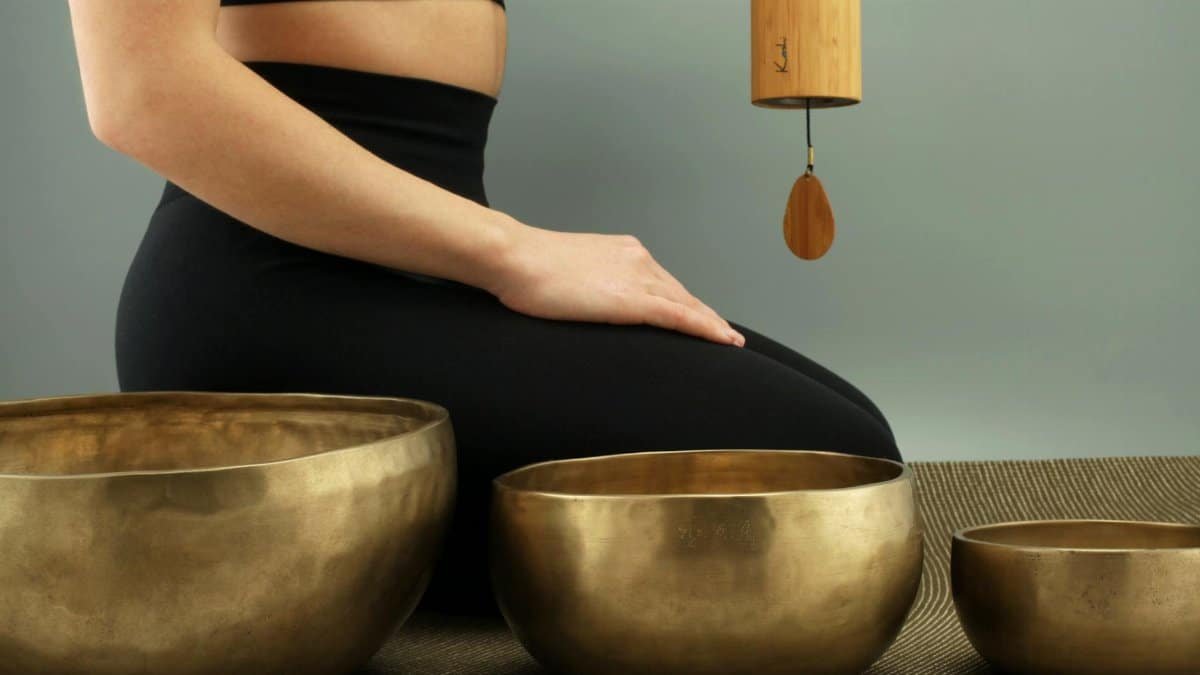
Sound healing uses vibrations from instruments like crystal bowls, tuning forks, and gongs to restore balance in the body and mind. Practitioners claim it clears mental fog, enhancing clarity mindfulness focus by aligning brain waves. In bustling cities, where constant noise disrupts concentration, this ancient practice—rooted in traditions from Tibet and India—has found modern appeal. Sessions typically last 30 to 60 minutes, with participants lying down as sounds wash over them. It’s gaining traction as a non-invasive way to tackle anxiety and improve productivity without medication.
Urban Stress and the Need for Calm

City life bombards residents with sirens, traffic, and endless notifications, leading to fragmented attention spans. A study from the American Psychological Association highlights that urban stress contributes to 75% of doctor visits for mental health issues. Sound healing steps in by promoting mindfulness, helping individuals regain focus amid the din. In places like Chicago and San Francisco, wellness studios report packed classes, with attendees crediting the practice for sharper decision-making at work. It’s a practical antidote to the sensory overload that defines metropolitan living.
How Sound Healing Boosts Mental Clarity

The science behind sound healing involves entrainment, where brain waves sync with rhythmic sounds, shifting from beta (active thinking) to alpha (relaxed awareness). This process fosters clarity mindfulness focus, making it easier to prioritize tasks in high-pressure environments. Research from the National Institutes of Health supports similar benefits in mindfulness practices, showing reduced cortisol levels after sound exposure. Urban professionals, from bankers to tech workers, are incorporating it into routines, reporting fewer distractions and better problem-solving. Cities are seeing this translate to lower absenteeism in workplaces.
For more on mindfulness research, check out NIH News on Mindfulness Benefits.
Community Impact in Major Cities

Sound healing is transforming public spaces. In New York City, free sound bath events in Central Park draw hundreds, fostering community bonds and collective calm. Los Angeles has integrated it into school programs to help students maintain focus during exams. Data from local health departments indicates a 15% drop in reported stress levels in participating neighborhoods. This grassroots movement is turning noisy urban areas into havens of tranquility, with city councils funding more initiatives in 2025 to address mental health crises exacerbated by post-pandemic recovery.
Expert Voices on the Trend

Dr. Elena Rodriguez, a neurologist at UCLA, states, “Sound healing isn’t pseudoscience; it’s backed by studies on vibrational therapy’s effects on the nervous system.” Her words echo a growing consensus among experts. In Boston, wellness coach Mark Thompson adds, “Clients achieve profound clarity mindfulness focus after just one session—it’s like hitting reset in a chaotic world.” These testimonials underline why cities are embracing the practice, with apps and virtual sessions making it accessible even for remote workers in sprawling metros.
Challenges and Criticisms

Not everyone is sold. Skeptics argue sound healing lacks rigorous clinical trials, dismissing it as a fad. Accessibility remains an issue in lower-income urban areas, where high session costs—often $50 or more—exclude many. Critics point to potential placebo effects, questioning if the benefits stem from relaxation alone. Despite this, proponents counter with emerging research from institutions like Harvard, showing measurable improvements in cognitive function. Cities must address equity to ensure sound healing’s transformative potential reaches all residents.
Explore related studies at Harvard Health on Mindfulness and Stress.
Practical Ways to Get Started

Beginners in cities can join local meetups via apps like Meetup.com or visit studios offering introductory classes. Start with simple tools: a singing bowl costs under $20 online. Incorporate it into daily routines by listening to guided sound meditations during commutes. For best results, combine with breathing exercises to amplify clarity mindfulness focus. Urban dwellers report that even 10-minute sessions help navigate traffic and deadlines with renewed energy. As 2025 progresses, expect more free resources from city wellness programs.
The Broader Wellness Shift

Sound healing fits into a larger movement toward holistic health in U.S. cities, alongside yoga and meditation. With mental health awareness at an all-time high, this practice is reducing reliance on pharmaceuticals for stress management. Reports from the CDC note a correlation between mindfulness activities and lower depression rates in urban populations. It’s not just personal—businesses are hosting sound sessions to boost employee focus, potentially reshaping corporate culture. This transformation signals a cultural pivot toward sustainable well-being in America’s concrete jungles.
Looking Ahead in Urban Landscapes

As cities evolve, sound healing could become a staple in public health strategies. With investments pouring in, from private studios to municipal grants, the practice is poised to expand. Early adopters predict it will integrate with technology, like VR sound experiences for home use. For now, it’s clear: sound healing is driving a wave of clarity mindfulness focus that’s making urban life more bearable—and productive—for millions.