
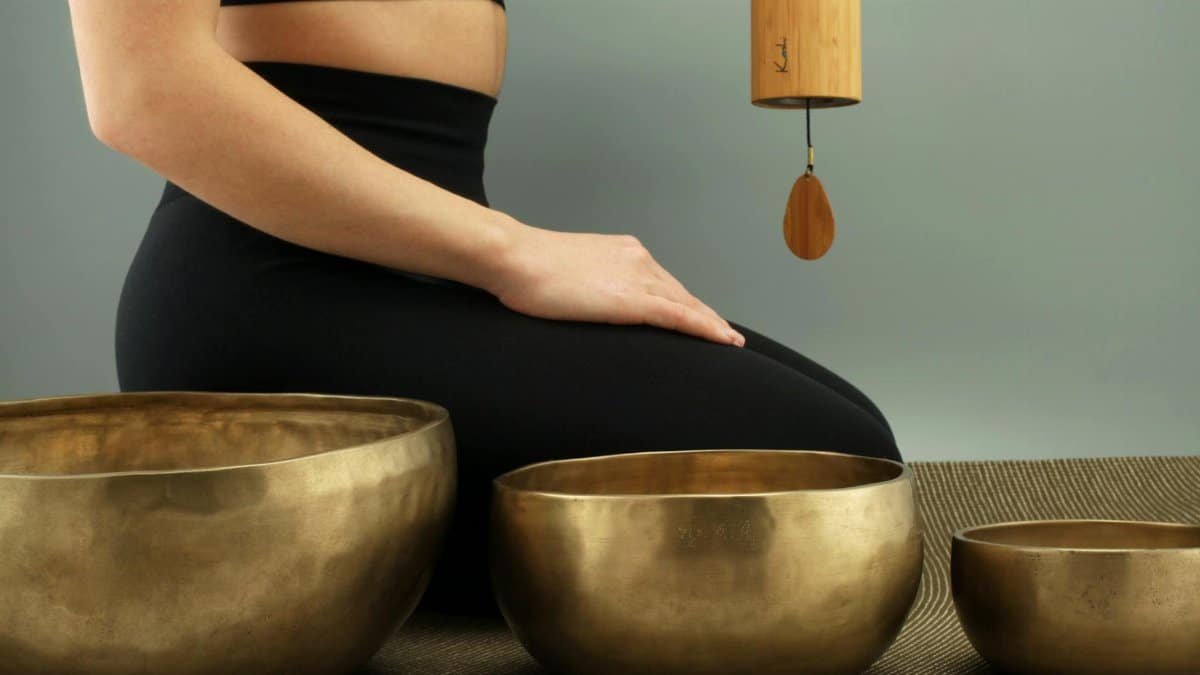
Did you know that 70% of U.S. teachers report chronic fatigue, according to recent surveys? Enter sound healing, a rising practice that’s helping educators reclaim their energy. Tied closely to meditation focus clarity, this method uses vibrations from instruments like singing bowls to promote mental sharpness and calm. Teachers are turning to it amid rising burnout rates, finding it boosts concentration and reduces stress. As classrooms get more demanding in 2025, sound healing offers a simple way to beat low energy and maintain balance.
What Is Sound Healing?
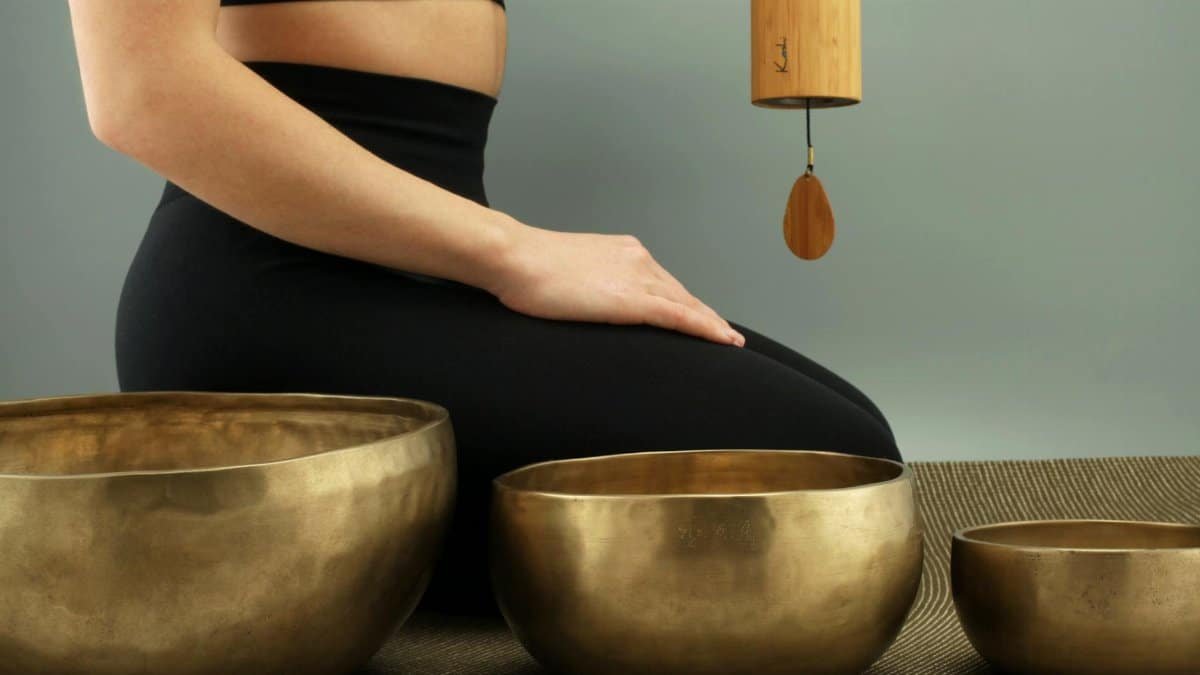
Sound healing involves using sound frequencies to restore harmony in the body and mind. Practitioners use tools such as gongs, tuning forks, and crystal bowls to create vibrations that resonate with the body’s energy centers. This practice dates back thousands of years, rooted in ancient traditions from Tibet and India. For teachers facing daily exhaustion, sound healing provides a non-invasive way to recharge. It aligns with meditation focus clarity by encouraging a state of deep relaxation where the mind can sharpen its focus without effort.
Research supports its benefits. A study from the University of California found that sound therapy reduced anxiety levels by 25% in participants after just four sessions. Teachers can incorporate brief sound sessions into their routines, listening to recorded tracks or attending group classes. The key is consistency, even if it’s just 10 minutes a day.
Why Teachers Struggle with Low Energy

Teaching is one of the most demanding professions in the U.S., with educators juggling lesson plans, student needs, and administrative tasks. A 2024 report from the National Education Association revealed that over half of teachers experience burnout, leading to low energy and decreased productivity. Factors like long hours, emotional labor, and limited resources exacerbate the issue. In 2025, as schools push for more personalized learning, the strain is expected to grow.
Low energy manifests as fatigue, irritability, and difficulty concentrating, directly impacting classroom performance. Sound healing addresses this by targeting the nervous system, helping teachers reset and regain vitality. Unlike caffeine or quick fixes, it offers sustainable relief through mindful practices.
Linking Sound Healing to Meditation Focus Clarity

Meditation focus clarity refers to the mental state achieved through practices that enhance concentration and clear thinking. Sound healing complements this by using auditory stimuli to guide the mind into focus. The vibrations help drown out distractions, allowing teachers to achieve clarity amid chaos. For instance, a teacher might use a singing bowl meditation to center themselves before a busy day.
Experts note that combining sound with meditation amplifies benefits. A review in the Journal of Alternative and Complementary Medicine highlighted how sound-based meditations improved cognitive function in stressed professionals. Teachers report feeling more present and less overwhelmed after sessions, directly tying into better energy management.
Practical Ways Teachers Can Start Sound Healing

Getting started with sound healing is straightforward and accessible. Begin with free online resources, like apps offering guided sound meditations. Teachers can invest in affordable tools, such as a small tuning fork, for personal use. Morning routines work best: spend five minutes with calming tones to set a positive tone for the day.
Group sessions at local wellness centers provide community support. In cities like New York and Los Angeles, teacher-specific workshops are popping up in 2025. Pair it with breathing exercises for enhanced meditation focus clarity. Consistency builds habits, turning low-energy days into productive ones.
Real Benefits for Classroom Performance

Sound healing isn’t just about relaxation; it translates to better teaching. Teachers who practice report improved patience and creativity, essential for engaging students. A pilot program in Chicago schools showed that educators using sound therapy had 15% fewer sick days and higher job satisfaction.
The link to meditation focus clarity shines here, as clearer minds lead to sharper lesson delivery. Students benefit too, sensing a calmer classroom environment. With U.S. education trends emphasizing teacher wellness in 2025, sound healing could become a standard tool for sustaining energy.
Overcoming Common Challenges
Skepticism is common among busy teachers. Many wonder if sound healing is too “woo-woo” for practical use. Start small to build belief: try a single session and track energy levels. Time constraints are another hurdle; integrate it into commutes via podcasts.
Accessibility issues arise in rural areas, but online platforms bridge the gap. For those with hearing sensitivities, gentler frequencies work well. Addressing these barriers ensures more teachers can harness sound healing for meditation focus clarity and beat persistent low energy.
Scientific Backing and Studies

Credible research underscores sound healing’s efficacy. A study published in the International Journal of Environmental Research and Public Health linked sound therapy to reduced cortisol levels, the stress hormone behind low energy. Participants, including educators, showed improved focus after regular exposure.
For more details, check the National Institutes of Health study on sound therapy. Another resource is Harvard Medical School’s overview of mindfulness practices, which includes sound elements: Harvard Health on Mindfulness. These sources confirm its role in enhancing clarity and vitality.
Integrating into Daily Teacher Routines

Teachers can weave sound healing into breaks or after-school wind-downs. Use apps for quick sessions during lunch. Combine with journaling to reflect on meditation focus clarity gains. In 2025, schools might offer on-site sound rooms as wellness perks.
Personal stories highlight success: one Brooklyn teacher credits daily gong meditations for sustaining energy through grading marathons. This integration fosters resilience, turning low-energy slumps into opportunities for mindful recharge.
Future Trends in Teacher Wellness

As awareness grows, sound healing is set to expand in education. Unions are advocating for wellness programs, including sound-based therapies. In 2025, expect more virtual training for teachers nationwide.
This ties into broader U.S. trends toward holistic health, where meditation focus clarity plays a key role. By adopting these practices, teachers not only beat low energy but also model wellness for students, creating healthier learning environments.