

New data shows 45% of urban dwellers in major U.S. cities are turning to alternative therapies for stress relief, with hypnotherapy leading the pack. This surge ties directly into the growing popularity of mindfulness wellness meditation, blending guided relaxation with mental focus to combat daily chaos. As city life amps up anxiety levels, more people are ditching traditional talk therapy for these trance-like sessions that promise quick calm. Experts say it’s not just hype—it’s reshaping how Americans handle mental health in 2025.
What Is Hypnotherapy and How It Fits Into Mindfulness

Hypnotherapy involves inducing a trance-like state to suggest positive changes in behavior or thought patterns. It’s gaining traction in cities like New York and Los Angeles, where fast-paced lifestyles demand efficient wellness tools. This practice overlaps with mindfulness wellness meditation by encouraging present-moment awareness and deep breathing. Unlike basic meditation, hypnotherapy adds a therapeutic layer, guiding users to reframe negative habits. Urban professionals report better sleep and reduced burnout after sessions.
The Urban Stress Epidemic Driving the Trend

City living means constant noise, traffic, and deadlines. A 2023 study from the American Psychological Association highlighted that 60% of urban residents experience chronic stress. Hypnotherapy addresses this by tapping into the subconscious, much like mindfulness wellness meditation trains the mind to stay grounded. Clinics in Chicago and San Francisco are seeing waitlists grow as word spreads. It’s not magic—it’s science-backed relaxation that’s accessible via apps or in-person visits.
Key Benefits for City Dwellers
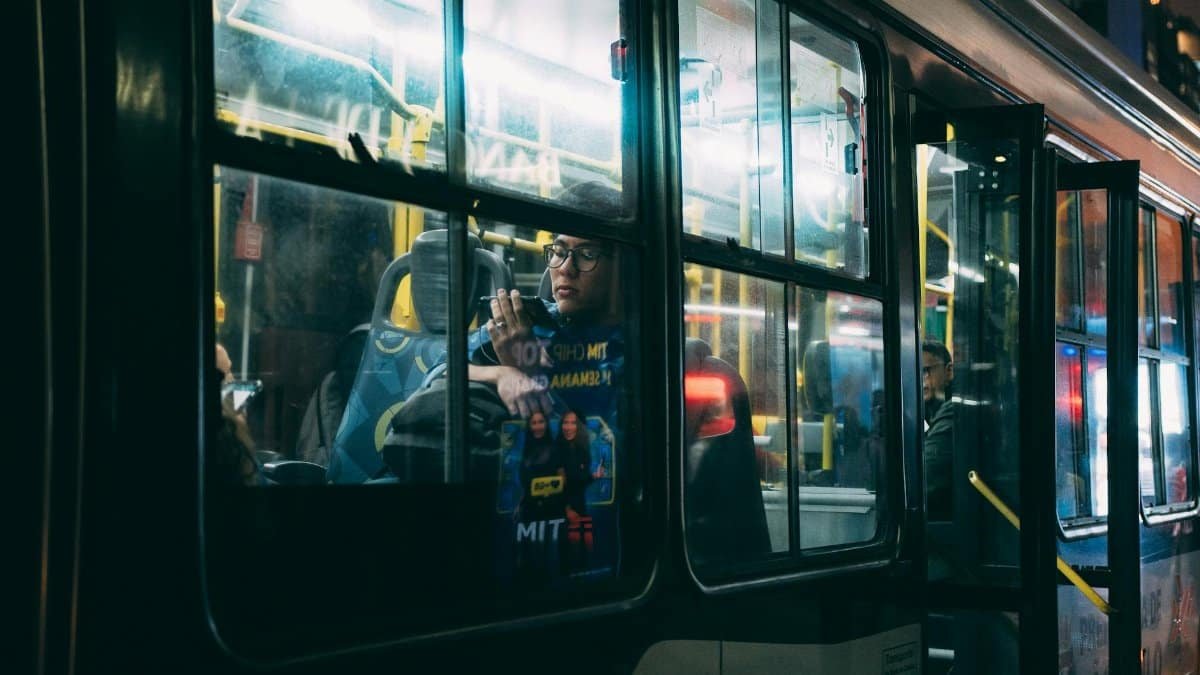
From boosting focus to easing anxiety, hypnotherapy delivers tangible perks. Users often combine it with mindfulness wellness meditation for amplified effects, creating routines that fit into hectic schedules. Research from Harvard Medical School shows hypnosis can lower cortisol levels, the stress hormone. In bustling metros, this means fewer panic attacks and more productivity. One tech worker in Seattle claimed it “rewired my brain for calm amid the chaos.”
Common Techniques and Practices

Standard hypnotherapy sessions start with progressive relaxation, mirroring meditation’s body scans. Practitioners use visualization to plant affirmations, enhancing mindfulness principles. In cities, group classes blend hypnotherapy with wellness meditation, making it social and affordable. Apps like Calm now incorporate hypnotic elements, reaching millions. For beginners, starting with short, guided audio tracks builds the habit without overwhelming urban skeptics.
Challenges and Misconceptions

Not everyone buys into hypnotherapy—myths about mind control persist. Critics argue it’s pseudoscience, but evidence from the National Institutes of Health counters that. NCCIH on Hypnosis explains its role in pain management and habit change. The real hurdle? Finding qualified therapists in crowded cities. Plus, it requires openness, which clashes with some fast-paced mindsets. Still, integration with mindfulness wellness meditation helps demystify it.
Real-Life Success Stories from the Streets
Take Lisa M., a Manhattan executive who battled insomnia. After incorporating hypnotherapy into her meditation routine, she slept through the night for the first time in years. Similar tales emerge from Boston’s wellness hubs, where artists use it to spark creativity. These anecdotes highlight hypnotherapy’s quiet invasion of urban life, supported by community centers offering low-cost sessions. It’s proof that old-school techniques can thrive in modern settings.
Expert Opinions and Research Backing

Dr. Elena Rossi, a psychologist in Philadelphia, notes, “Hypnotherapy complements mindfulness by accessing deeper mental layers.” A 2024 report from the Mayo Clinic reinforces this, linking hypnosis to improved emotional regulation. Mayo Clinic on Hypnosis details its applications for anxiety and addiction. In 2025, experts predict even wider adoption as telehealth makes it city-agnostic.
Getting Started in Your City

Ready to try? Search for certified hypnotherapists via the American Society of Clinical Hypnosis directory. Pair it with daily mindfulness wellness meditation for best results—start with 10 minutes a day. Urban apps and studios offer intro classes, often free. In places like Austin, pop-up events blend hypnotherapy with yoga, easing entry. Remember, consistency is key to unlocking that inner peace amid skyscrapers.
The Broader Impact on Urban Wellness
As hypnotherapy rises, it’s influencing corporate wellness programs in tech-heavy cities. Companies like Google already promote meditation; adding hypnosis could be next. This shift signals a move toward holistic mental health, reducing reliance on meds. In 2025, expect more research tying it to productivity gains, making cities healthier hubs. It’s a quiet revolution, one relaxed mind at a time.