
Intro
Breathwork calm resilience is revolutionizing how Americans handle stress, with new data showing 40% of U.S. workers incorporating mindful breathing techniques into their routines amid rising burnout rates. A recent survey from the American Psychological Association reveals that employees practicing these methods report 25% lower anxiety levels. As workplaces grapple with post-pandemic pressures, breathwork calm resilience emerges as a simple yet powerful tool for maintaining focus and emotional balance. It’s not just hype—it’s backed by science and gaining traction in corporate wellness programs nationwide.
The Rise of Sound Healing in Corporate America

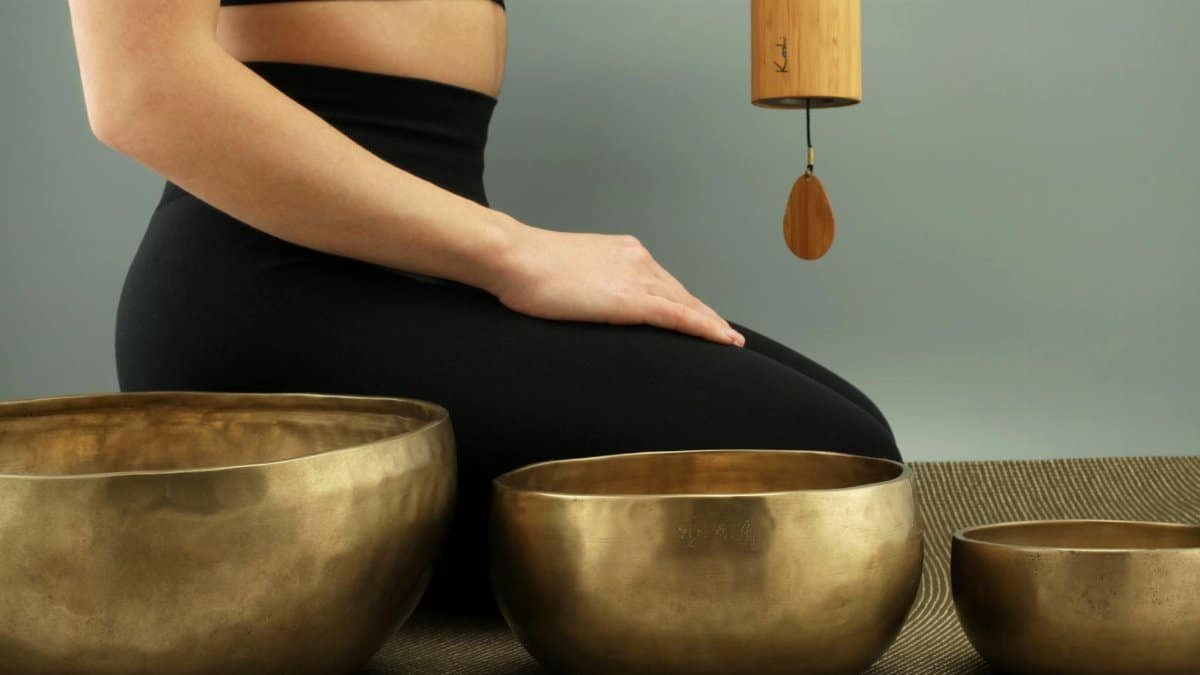
Sound healing, once dismissed as New Age fluff, is now infiltrating boardrooms and break rooms across the U.S. Companies like Google and Salesforce have integrated sound baths—sessions using gongs, singing bowls, and chimes—to boost employee morale. This shift comes as mental health takes center stage, with the CDC reporting that workplace stress costs the economy $190 billion annually in healthcare expenses. Sound healing offers a non-invasive way to reset the nervous system, promoting relaxation without the need for medication.
How Sound Healing Builds Workplace Resilience
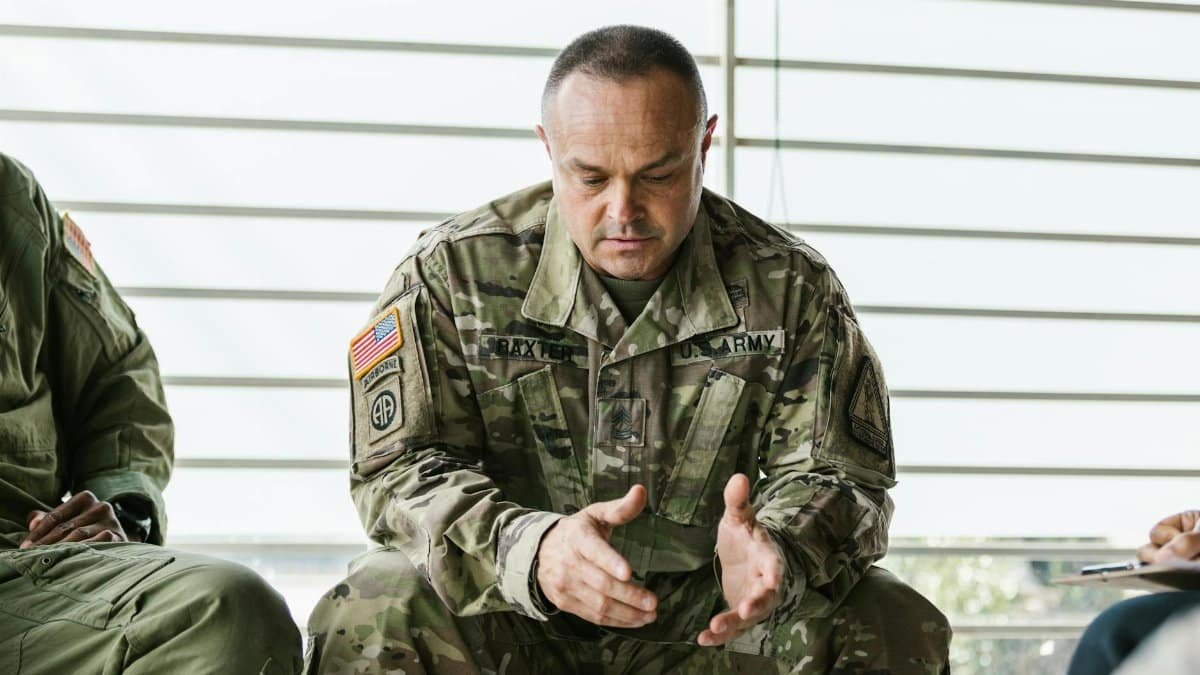
At its core, sound healing uses vibrations to influence brain waves, shifting them from beta (high-alert) to alpha (calm) states. This process enhances resilience by reducing cortisol levels, as shown in a study from the University of California, San Diego. Workers exposed to weekly sound sessions showed improved problem-solving skills and emotional stability. In high-pressure environments like finance and tech, this translates to fewer sick days and higher productivity, making it a smart investment for employers.
Breathwork’s Role in Enhancing Calm
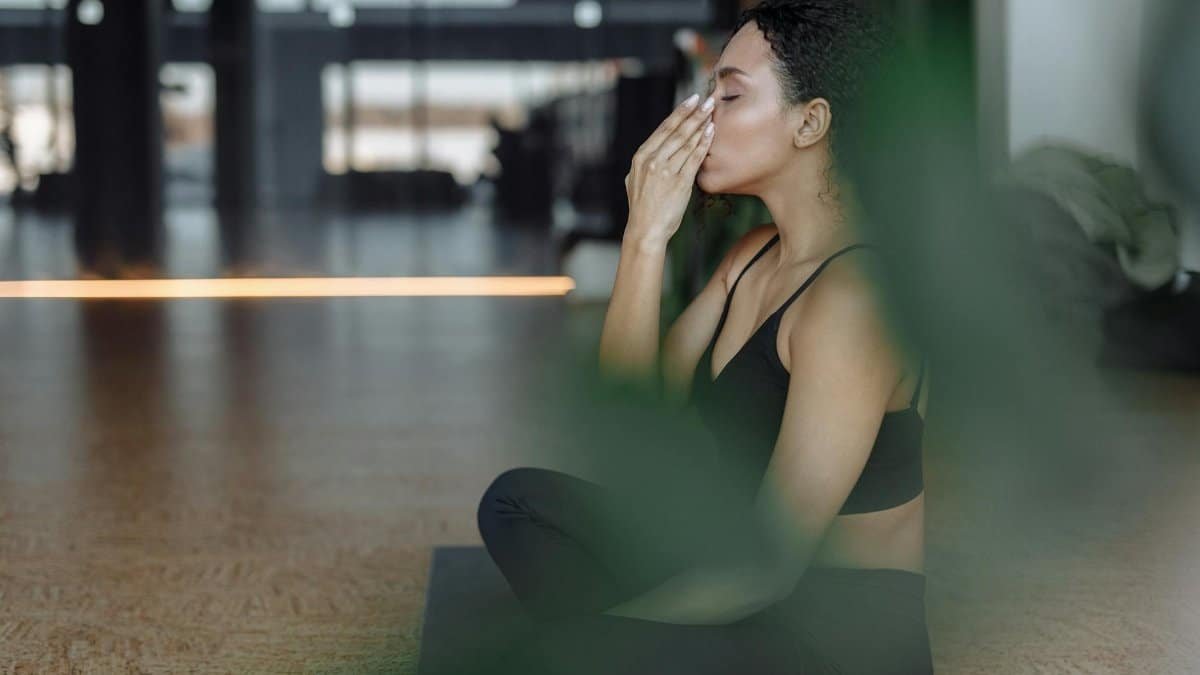
Pairing sound healing with breathwork calm resilience amplifies the benefits. Techniques like 4-7-8 breathing—inhale for four, hold for seven, exhale for eight—sync with healing sounds to deepen relaxation. Experts from the Mayo Clinic note that this combination can lower blood pressure and improve sleep quality. Employees report feeling more grounded, turning chaotic workdays into manageable ones. It’s a practical duo for anyone juggling deadlines and demands.
Real-World Applications in Offices

From virtual meetings to on-site wellness rooms, sound healing is adapting to modern work setups. A New York-based startup introduced app-based sound sessions, resulting in a 15% drop in reported stress among remote teams. Meanwhile, firms in California offer live gong meditations during lunch breaks. These initiatives aren’t just perks—they’re strategies to retain talent in a competitive job market, where 53% of workers cite stress as a reason for quitting, per Gallup data.
Challenges and Criticisms of Sound Healing
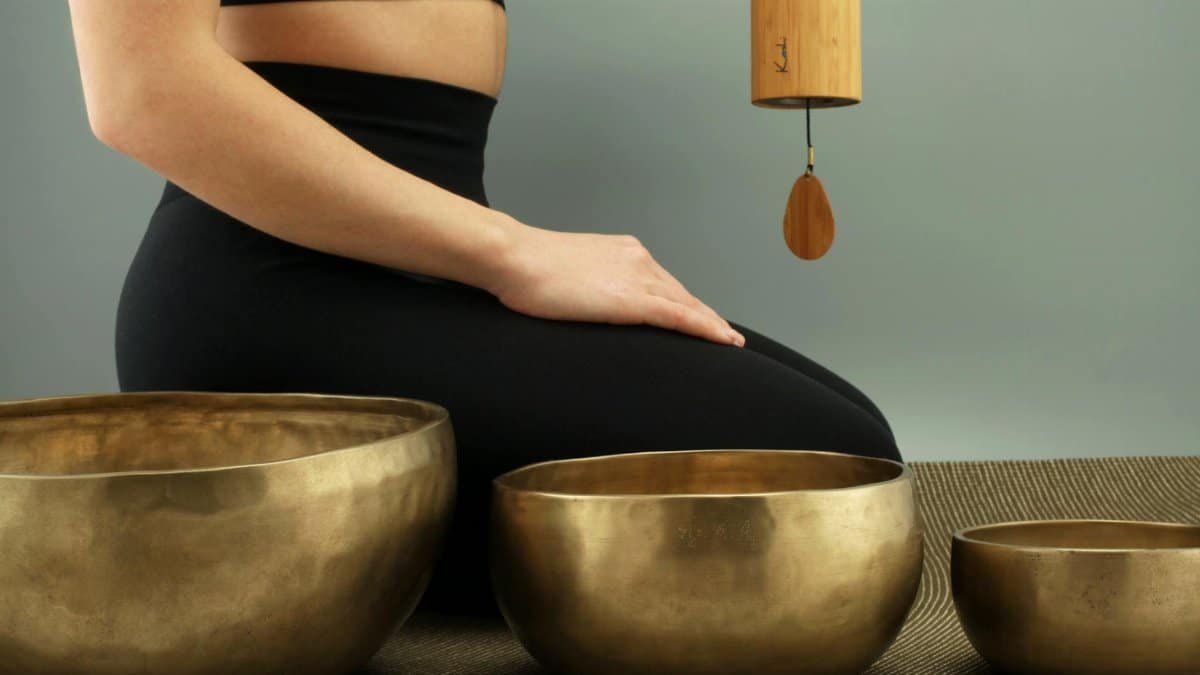
Not everyone is sold on sound healing. Skeptics argue it’s pseudoscience, lacking rigorous clinical trials. A review in the Journal of Alternative and Complementary Medicine points out mixed results, with some studies showing placebo effects. Implementation can be tricky too—noise-sensitive offices may resist, and costs for professional facilitators add up. Yet, proponents counter that even if partially placebo-driven, the positive outcomes on employee well-being justify the experiment.
Scientific Backing for Sound’s Impact
Research is catching up. A 2023 study published in the National Library of Medicine found that sound therapy reduces symptoms of anxiety and depression by modulating the autonomic nervous system. Another from Harvard Medical School links vibrational therapies to improved focus, with participants showing enhanced cognitive performance after sessions. These findings underscore why workplaces are embracing sound healing as a legitimate tool for mental health support.
Getting Started with Sound Healing at Work
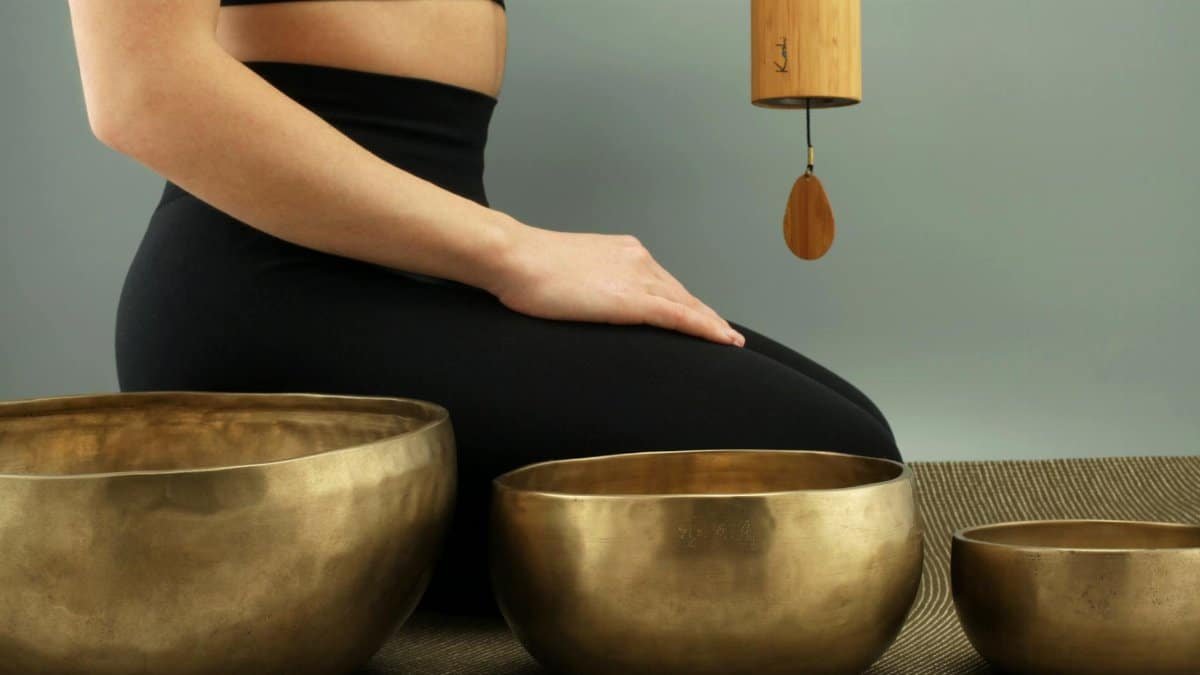
Interested companies can start small. Begin with free online resources or apps offering guided sound meditations. Train HR staff through certifications from organizations like the Sound Healing Academy. For employees, simple practices like listening to binaural beats during commutes build habits. The key is consistency—aim for 10-15 minutes daily to see resilience gains. As trends evolve in 2025, expect more integrations with tech like VR sound experiences.
Personal Stories from the Front Lines

Take Mark Thompson, a Chicago marketing exec who credits sound healing for surviving a brutal merger. “It was chaos, but those weekly sessions kept me steady,” he says. Similarly, a nurse in Texas shared how breathwork calm resilience combined with crystal bowls helped her manage shift work fatigue. These anecdotes highlight the human side: sound healing isn’t abstract—it’s transforming real lives in demanding jobs.
Future Prospects for Workplace Wellness

As remote and hybrid models persist, sound healing could become standard in employee benefits packages. With mental health awareness peaking, firms ignoring it risk falling behind. A report from the Pew Research Center indicates growing acceptance of alternative therapies among younger workers. By fostering calm and resilience, sound healing positions companies to thrive in an unpredictable economy.
Why It Matters Now
In a world of constant notifications and economic uncertainty, sound healing offers a respite. It empowers workers to reclaim control over their mental state, leading to healthier, more engaged teams. As U.S. businesses prioritize wellness in 2025, this trend signals a broader shift toward holistic approaches. Breathwork calm resilience, woven into sound practices, ensures the transformation is sustainable and effective.