
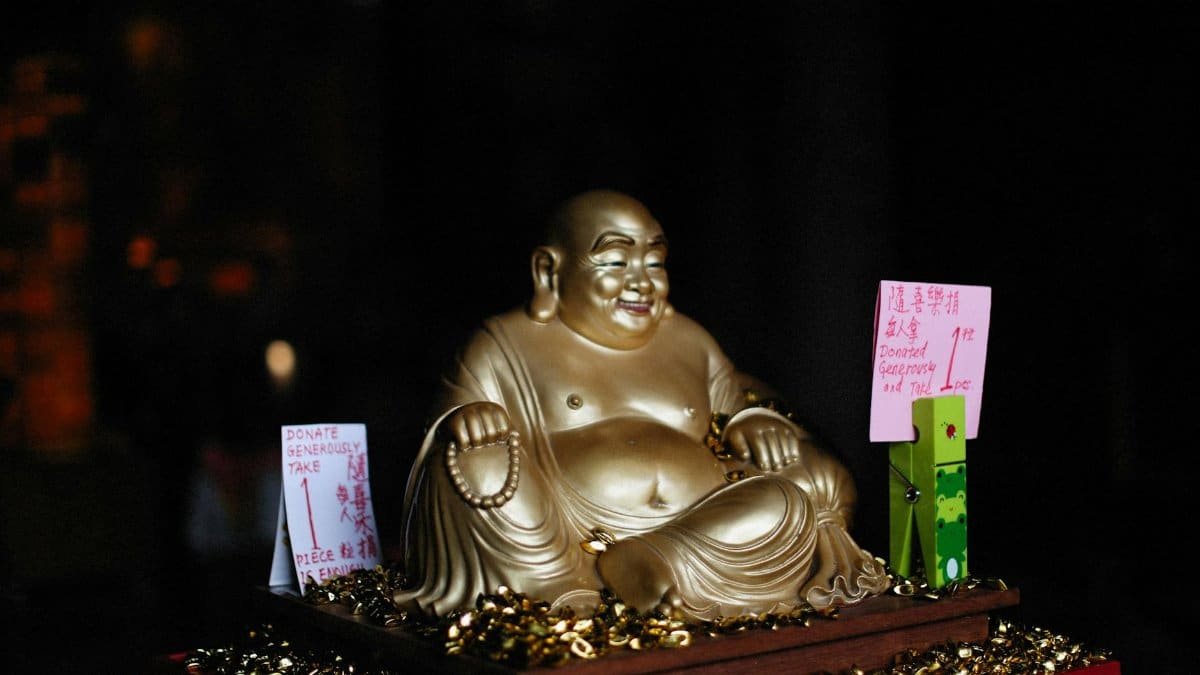
In a world that never seems to slow down, what if the key to navigating chaos lies in simply sitting still? That’s the provocative question more and more Americans are pondering as they grapple with daily stresses. Meditation, often dismissed as a fleeting trend, might just be the tool to cultivate clarity mindfulness resilience—the trio of mental strengths that help us cut through confusion, stay grounded in the moment, and bounce back from setbacks. Recent surveys show a surge in interest, with millions turning to apps and classes for relief. It’s not about escaping life but facing it with sharper focus. If you’re wondering whether it’s time to give it a try, certain signs can point the way. These indicators reveal when your inner world could use a reset, promising a path to greater calm and strength.
1. You’re Drowning in Mental Overload

Picture a desk piled high with papers, each one demanding attention. That’s how life feels when mental overload sets in. Thoughts race. Decisions paralyze. Simple tasks become mountains. This fog signals a need for clarity, that sharp-edged focus meditation can sharpen. Studies from the National Institutes of Health highlight how regular practice reduces cognitive clutter, allowing the brain to prioritize. One participant in a mindfulness program described it as “finally seeing the forest for the trees.” It’s not magic. It’s rewiring. Start small: five minutes a day, breathing deeply. Over time, this builds resilience against the daily barrage. In 2025, with remote work blurring boundaries, such tools are essential. Meditation isn’t about emptying the mind but organizing it. A friend once shared how her sessions turned chaos into calm, one breath at a time. If overload defines your days, this could be your cue.
But let’s dig deeper. The American Psychological Association reports that chronic stress affects over 70% of adults, often manifesting as this very overload. Linking meditation to relief, their findings suggest improved executive function. For middle-aged readers juggling careers and family, it’s a game-changer. Imagine reclaiming those lost hours spent ruminating. Instead, you act with purpose. That’s the promise of clarity mindfulness resilience in action.
2. Emotions Hijack Your Reactions

Anger flares up at a minor slight. Sadness lingers long after the moment passes. If emotions dictate your responses, it’s a red flag. Mindfulness, a core of meditation, teaches observation without judgment. It’s like watching clouds drift by, not getting swept into the storm. Resilience grows from this detachment, helping you respond rather than react. A study published in the Journal of the American Medical Association found that mindfulness-based interventions significantly lower emotional reactivity. One anonymous online account captured it well: a person described feeling “trapped in a cycle of overreactions” until meditation provided an exit. In bustling cities like New York or Chicago, where pressures mount, this skill is invaluable.
Transitioning smoothly, consider how this plays out in relationships. A heated argument with a spouse could escalate or diffuse, depending on your inner state. Meditation fosters that pause, that breath, turning potential conflicts into conversations. It’s grounded advice for 2025’s high-stakes world. Active practice means sitting with discomfort, building the muscle of emotional strength. Over weeks, patterns shift. You notice triggers earlier. Resilience isn’t stoicism; it’s flexibility. Weave this into your routine, and watch how clarity emerges from the emotional haze.
3. Focus Slips Away Too Easily

Starting a task, only to find yourself scrolling endlessly? Distraction is rampant in our digital age. This slipperiness points to a lack of mindfulness, where the present moment eludes you. Meditation trains the attention muscle, much like weightlifting builds biceps. Short sessions can rewire neural pathways for better concentration. Research from Harvard Medical School, detailed in their mindfulness studies overview, shows measurable improvements in focus after just eight weeks. It’s practical, not esoteric. Think of a busy parent trying to work from home—meditation offers a lifeline.
Delving into a mini-narrative, recall a colleague who adopted a ten-minute daily ritual. Mornings once filled with scattered energy became productive. She credited it to gaining clarity amid the noise. In 2025, with AI and notifications vying for our gaze, resilience against distraction is key. Vary your approach: try guided apps or silent sitting. The goal? A mind that stays put. This isn’t about perfection but progress, fostering a resilience that withstands modern interruptions.
4. Stress Feels Unmanageable

When stress builds like a pressure cooker, ready to explode, it’s time to intervene. Unmanaged tension erodes resilience, leaving you brittle. Meditation introduces tools like breathwork to release that valve. It’s about cultivating mindfulness to notice stress signals early. The Centers for Disease Control and Prevention emphasize in their stress management resources how such practices lower cortisol levels, promoting long-term health. Across the U.S., from coast to heartland, people report similar struggles in fast-paced lives.
Let’s explore a different angle: the physical toll. Headaches, insomnia—these are stress’s calling cards. Through meditation, you build a buffer, enhancing clarity to see solutions. A brief anecdote: during a group session in a Midwestern community center, participants shared how visualizing calm transformed their days. It’s not hype; it’s evidence-based. In an era of economic uncertainties, this resilience is a quiet revolution. Start with body scans, feeling tension melt. Over time, what once overwhelmed becomes navigable.
5. You Crave Deeper Connections

Surface-level interactions leave you empty? This yearning signals a gap in mindfulness, where true presence fosters bonds. Meditation encourages listening without agenda, building resilience in relationships. It’s the clarity to see others fully. Pew Research Center’s surveys on social well-being, accessible via their social trends page, note rising isolation, with mindfulness as a countermeasure. In places like suburban Atlanta or urban Seattle, groups form around this practice, seeking connection.
Shifting gears, imagine a dinner with friends where you’re truly there, not mentally elsewhere. Meditation hones that skill. One reflective moment: a reader might recall holiday gatherings marred by distraction, then improved through intentional pauses. For middle-aged folks reflecting on life’s chapters, this builds emotional fortitude. It’s about resilience in vulnerability, turning solitude into strength. Incorporate it gradually, perhaps with loving-kindness exercises. The result? Richer ties, grounded in clarity mindfulness resilience.
6. Recovery from Setbacks Takes Too Long

Bouncing back after a disappointment feels endless? Prolonged recovery indicates low resilience, a quality meditation bolsters by reframing failures. Mindfulness keeps you anchored, while clarity helps chart new paths. The National Institute of Mental Health outlines in their stress and coping section how meditative practices enhance adaptive coping. From job losses in industrial towns to personal losses nationwide, this tool aids healing.
To illustrate, consider a story of reinvention. A laid-off engineer in Detroit turned to meditation, finding the mental space to pivot careers. It wasn’t instant, but steady practice rebuilt his foundation. In 2025, with rapid changes afoot, such adaptability is crucial. Vary your sessions: some days focus on gratitude, others on acceptance. This weaves clarity mindfulness resilience into your core, shortening recovery times. It’s empowering, turning obstacles into opportunities. If setbacks linger, meditation might just be the spark you need.
As these signs illustrate, meditation isn’t a cure-all, but it’s a powerful ally in fostering clarity mindfulness resilience. In a nation facing uncertainties, from economic shifts to personal trials, these practices offer a steady hand. Middle-aged Americans, in particular, stand to gain, blending experience with newfound tools. The journey starts with one breath. Why wait?