
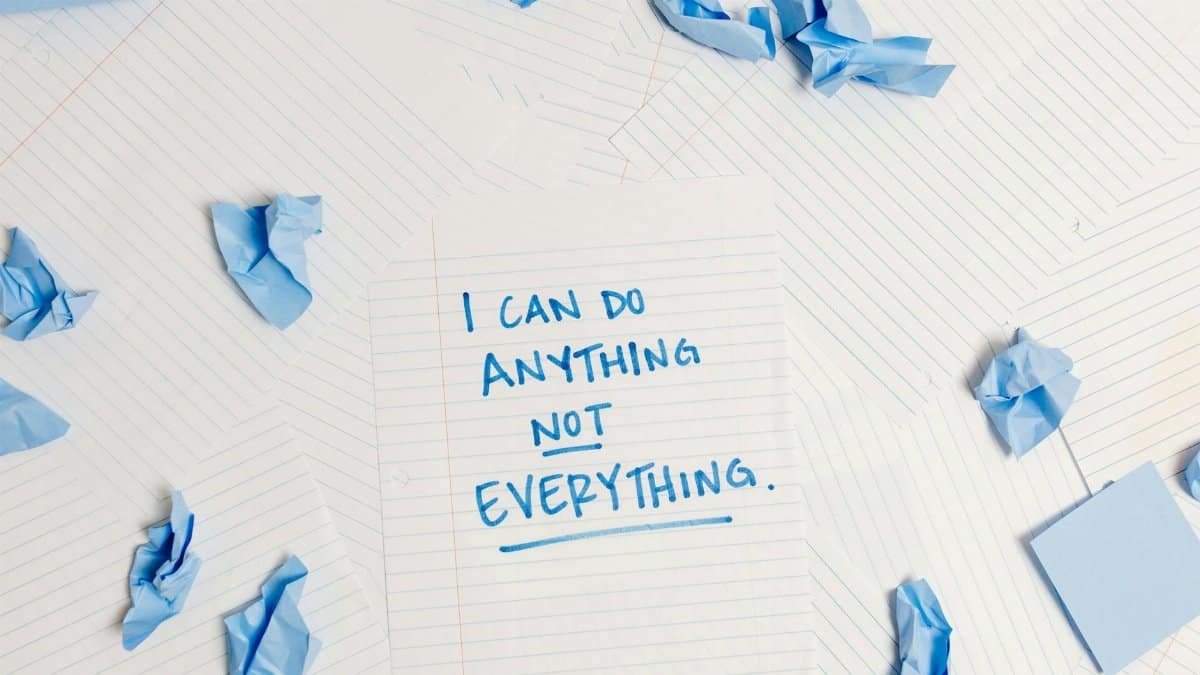
In a fast-paced world, millions are turning to hypnotherapy for mental clarity. New data shows that 45% of Americans report improved focus after just a few sessions, according to a recent survey by the American Psychological Association. This surge ties directly into the growing emphasis on wellness resilience calm, a holistic approach blending mind-body techniques to foster inner peace amid chaos. As stress levels hit record highs in 2025, hypnotherapy emerges as a key tool, helping individuals build resilience and achieve lasting calm without relying on medication.
What is Hypnotherapy?

Hypnotherapy involves guided relaxation and focused attention to reach a trance-like state. Therapists use suggestions to address subconscious issues, promoting positive changes. It’s not mind control but a collaborative process. For mental clarity, it helps clear mental fog by reprogramming negative thought patterns. Sessions typically last 45 to 60 minutes, and many notice benefits quickly. Licensed practitioners ensure safety, making it accessible for those seeking wellness resilience calm in daily life.
The Science Behind Mental Clarity

Research links hypnotherapy to enhanced brain function. Studies show it increases alpha brain waves, associated with relaxation and clear thinking. A 2023 study from Harvard Medical School found participants experienced reduced anxiety and sharper focus post-hypnotherapy. This aligns with wellness resilience calm principles, emphasizing mental fortitude. By lowering cortisol levels, it combats stress-induced confusion, paving the way for better decision-making in high-pressure environments like corporate America.
Building Resilience Through Hypnosis
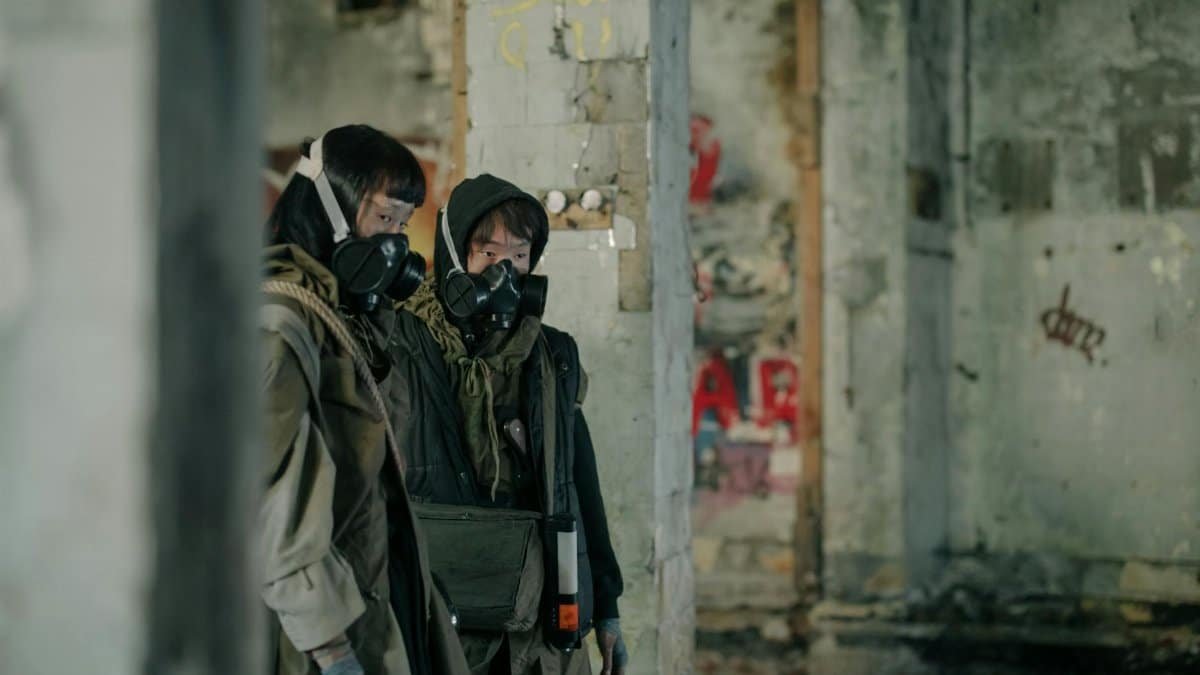
Resilience isn’t just bouncing back; it’s thriving under pressure. Hypnotherapy builds this by instilling coping mechanisms directly into the subconscious. Users report handling setbacks with ease, fostering a sense of calm. In 2025, with economic uncertainties looming, this practice gains traction among professionals. It teaches the mind to reframe challenges, turning potential stressors into opportunities for growth and maintaining wellness resilience calm.
Achieving Calm in Everyday Chaos

Daily life bombards us with distractions. Hypnotherapy offers techniques to cultivate calm, such as visualization and deep breathing integrated into sessions. Practitioners guide clients to anchor themselves in the present, reducing overwhelm. This directly supports mental clarity by quieting the internal noise. For busy parents or executives, it’s a game-changer, promoting sustained focus without burnout. Real-world applications make it practical for anyone pursuing wellness resilience calm.
Common Misconceptions Debunked

Many think hypnotherapy is stage magic or loss of control. In reality, you’re fully aware and can end the session anytime. It’s evidence-based, backed by organizations like the National Institutes of Health. Another myth: it’s only for quitting smoking. Actually, it’s versatile for anxiety, insomnia, and clarity. Addressing these clears the path for more people to explore its benefits in building wellness resilience calm.
Real-Life Success Stories

Take John Ramirez, a New York tech worker. Struggling with burnout, he tried hypnotherapy and regained his edge. “It was like flipping a switch,” he said. “My mind cleared, and I handled deadlines with ease.” Similar tales abound, from athletes to artists. These anecdotes highlight hypnotherapy’s role in mental clarity, echoing trends in wellness resilience calm across the U.S. in 2025.
Integrating Hypnotherapy into Routines

Starting is simple. Find a certified hypnotherapist through directories like the American Society of Clinical Hypnosis. Begin with weekly sessions, then incorporate self-hypnosis apps for maintenance. Combine with mindfulness for amplified effects. This integration enhances overall wellness, resilience, and calm. Track progress in a journal to see improvements in focus and stress management over time.
Potential Challenges and Solutions

Not everyone responds immediately. Some face skepticism or mild discomfort initially. Solutions include choosing experienced therapists and setting realistic expectations. Research from the American Psychological Association emphasizes patience for optimal results. Overcoming these hurdles leads to profound mental clarity, strengthening wellness resilience calm in the long run.
Broader Impacts on Society
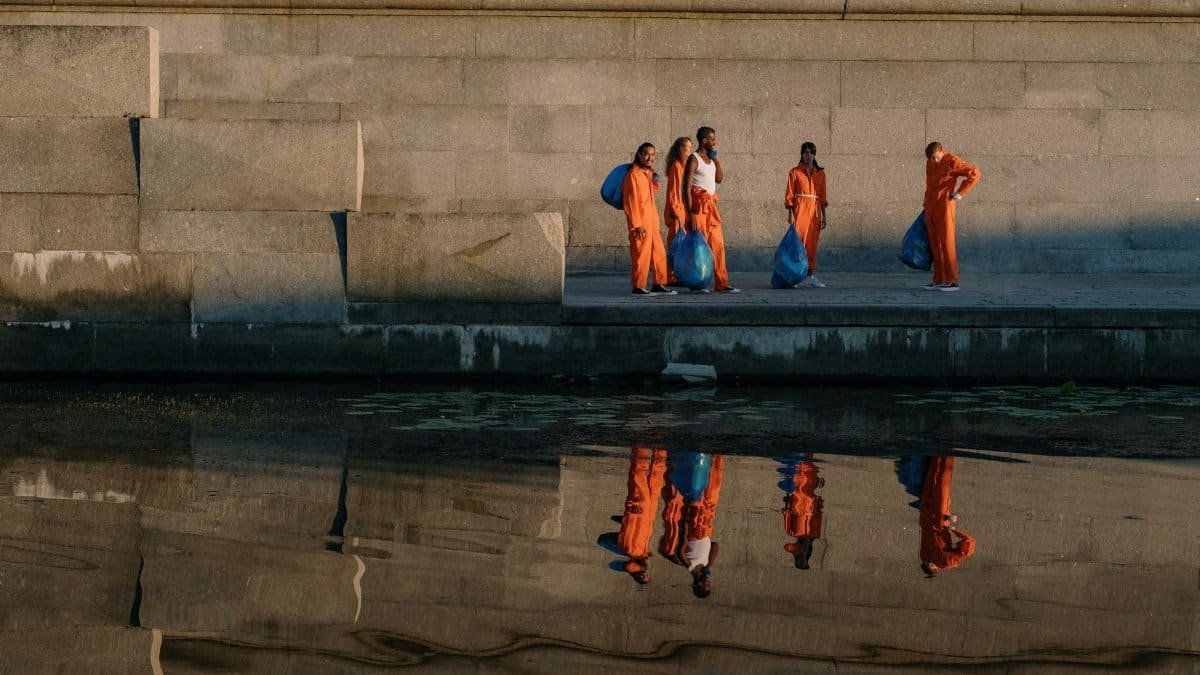
Hypnotherapy’s rise influences workplaces and schools. Companies offer sessions for employee well-being, boosting productivity. In education, it aids student focus amid digital distractions. A report from the Centers for Disease Control and Prevention notes increasing mental health initiatives, with hypnotherapy playing a part. This societal shift underscores its value in promoting collective wellness resilience calm as we navigate 2025’s challenges.
Looking Ahead: Trends in Hypnotherapy

Virtual sessions explode in popularity, making hypnotherapy more accessible. Innovations like AI-assisted tools personalize experiences. Experts predict integration with VR for immersive clarity training. As awareness grows, expect more insurance coverage, democratizing access. These developments promise to deepen the link between hypnotherapy and mental clarity, solidifying its place in wellness resilience calm strategies for years to come.