

In the bustling neighborhoods of Miami, where the rhythm of daily life often clashes with rising demands from work and personal pressures, a quiet transformation is underway. More locals are turning to alternative wellness practices, seeking solace amid the city’s vibrant yet stressful vibe. Hypnosis recovery therapy, once viewed as a fringe approach, now appears in community centers and private studios, drawing crowds eager for mental clarity. This shift reflects broader U.S. trends in mental health, where traditional therapy meets innovative methods to address everything from anxiety to habit change. As 2025 approaches, experts predict a surge in hypnotherapy workshops here, fueled by workplace burnout and a growing appetite for holistic healing. It’s not just a fad; it’s a response to real needs in a fast-paced world.
The Roots of Hypnosis in Modern Recovery

Hypnosis has long fascinated Americans, evolving from stage tricks to a legitimate tool in psychological care. Picture the early 20th century, when figures like Sigmund Freud experimented with it before shifting focus. Today, hypnosis recovery therapy builds on that foundation, using guided relaxation to access the subconscious and promote healing. Practitioners describe it as a state of focused attention, not mind control, where suggestions help reframe negative patterns.
One practitioner in Miami shared a story of a client, a busy executive overwhelmed by deadlines. During sessions, the client visualized letting go of stress, emerging calmer and more productive. This isn’t unusual. Research from the American Psychological Association highlights hypnosis’s role in managing pain and anxiety, often complementing cognitive behavioral therapy. For those recovering from trauma or addiction, it offers a gentle path forward, bypassing the resistance that talk therapy sometimes encounters.
Yet, skepticism lingers. Some dismiss it as pseudoscience, but evidence suggests otherwise. A study published in the International Journal of Clinical and Experimental Hypnosis found significant reductions in PTSD symptoms among participants using hypnotherapy. It’s this blend of history and science that positions hypnosis recovery therapy as a bridge between old doubts and new possibilities.
Why Miami Is Primed for a Hypnotherapy Boom
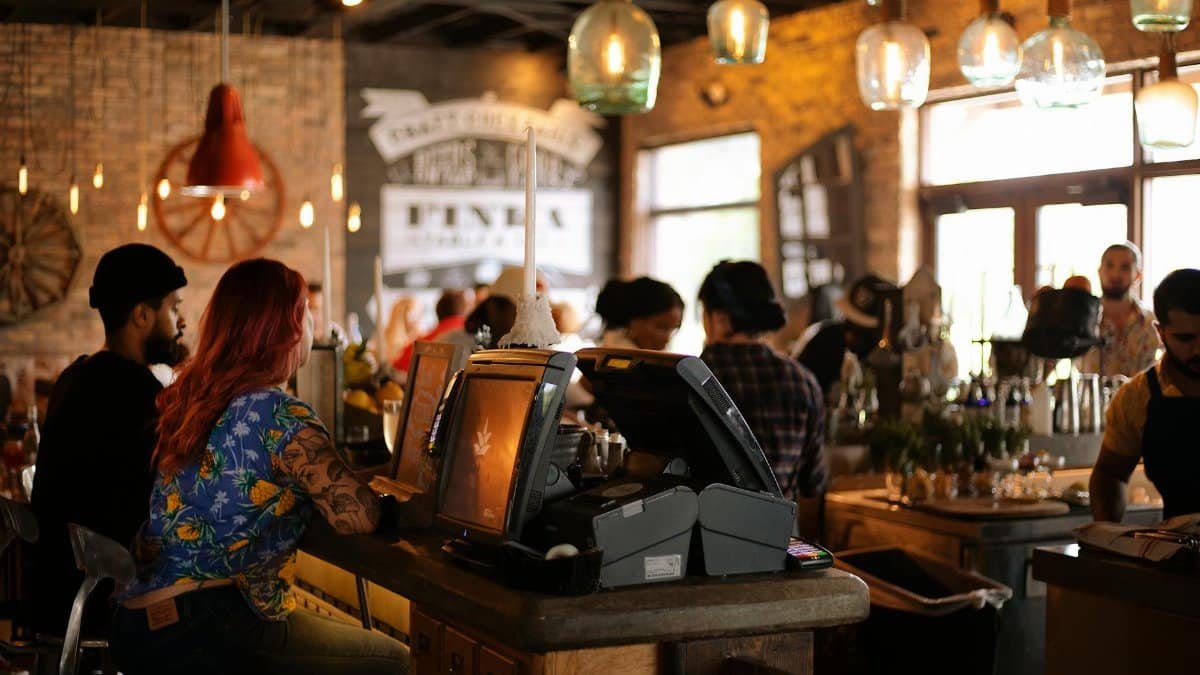
Miami’s unique blend of cultures and high-stakes lifestyles makes it fertile ground for wellness innovations. The city’s diverse population, from Latin American immigrants to tech entrepreneurs, faces stressors like economic uncertainty and hurricane seasons. Enter hypnotherapy workshops, which are popping up in places like Wynwood and South Beach, offering group sessions that feel more like community gatherings than clinical appointments.
Local organizers point to the pandemic’s lingering effects. Many residents report heightened anxiety, with remote work blurring boundaries. A report from the Centers for Disease Control and Prevention notes a spike in mental health issues nationwide, and Miami mirrors this with its fast-paced environment. Workshops here often incorporate elements like mindfulness and visualization tailored to urban life, helping participants recover from burnout.
Imagine a room filled with professionals, eyes closed, guided through breathing exercises. One anonymous account from an online discussion captured the relief: someone described feeling “unburdened for the first time in years” after a session focused on work-related stress. As 2025 unfolds, experts forecast double the number of such events, driven by word-of-mouth and social media buzz.
Demystifying the Process: What Happens in a Session
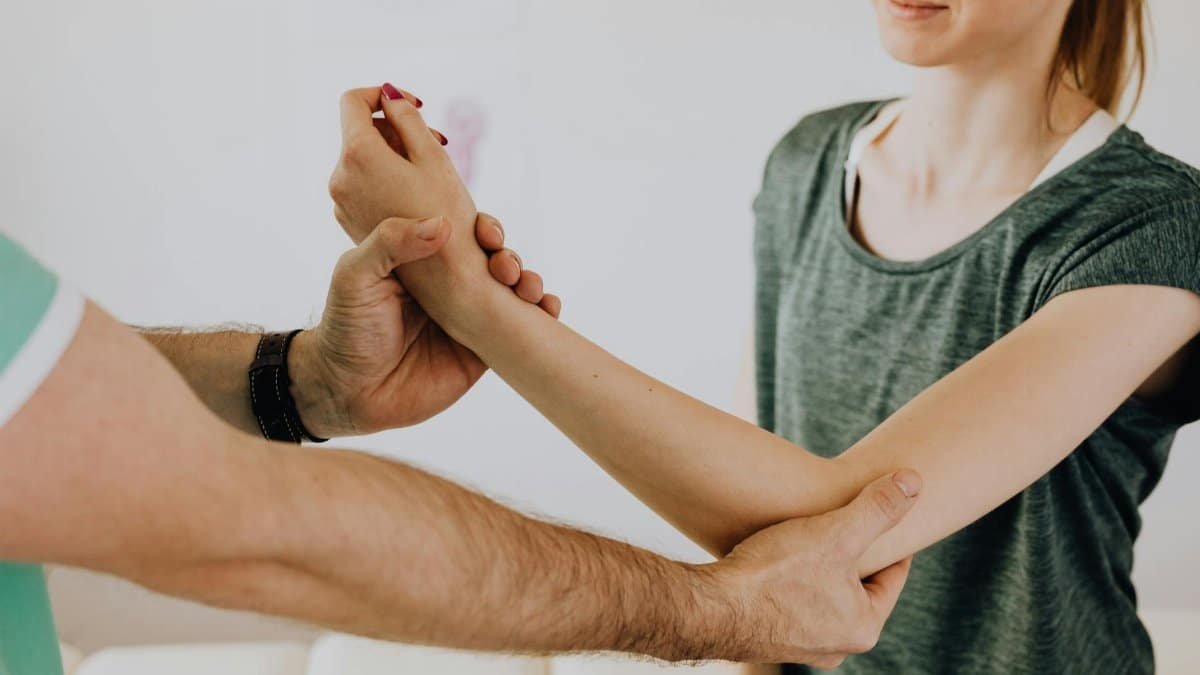
Curious about the mechanics? A typical hypnosis recovery therapy session starts with conversation, building trust. The therapist then induces relaxation through progressive muscle tension release or rhythmic counting. Once in a trance-like state, positive suggestions target specific issues, like quitting smoking or overcoming phobias.
It’s far from dramatic movie portrayals. Participants remain aware and in control, often describing it as deeply restful. For recovery purposes, therapists might guide clients to revisit memories safely, reframing them to foster resilience. The National Institutes of Health emphasizes its safety when conducted by trained professionals, with minimal side effects compared to medication.
In Miami’s emerging scene, workshops add a communal twist. Groups share experiences post-session, creating support networks. This approach appeals to those wary of one-on-one therapy, making recovery feel collective rather than isolated.
Evidence-Based Benefits for Mental Wellness

Skeptics often ask for proof, and it’s there. Hypnosis recovery therapy shows promise in treating insomnia, chronic pain, and even irritable bowel syndrome. A meta-analysis in the journal Psychological Bulletin reviewed dozens of studies, concluding it enhances outcomes when paired with other therapies.
For Miami’s workforce, stressed by tourism and real estate booms, these benefits hit home. Consider veterans dealing with post-service trauma; hypnotherapy helps process experiences without overwhelming emotions. The Department of Veterans Affairs has explored its use, with positive feedback in pilot programs.
Broader trends support this. Pew Research Center data indicates rising interest in alternative medicine among middle-aged Americans, with 36% reporting use of such methods for stress relief. As workshops surge in 2025, they could become a staple for preventive mental health.
Challenges and Misconceptions to Navigate
Not everything is seamless. One hurdle is finding qualified practitioners amid the hype. Unregulated workshops can lead to disappointment or, rarely, heightened anxiety if expectations aren’t managed. The American Society of Clinical Hypnosis urges certification checks, stressing ethical standards.
Misconceptions abound too. People fear losing control or being manipulated, but experts clarify that’s not the case. In recovery contexts, it’s about empowerment. A client once recounted to a Miami therapist how initial doubts melted away after experiencing voluntary participation.
Regulatory gaps persist, especially in Florida, where licensing varies. As demand grows, advocates push for clearer guidelines to ensure safe, effective sessions. This tension highlights the need for informed choices in a booming market.
Personal Stories Fueling the Trend

Stories bring the abstract to life. Take Maria, a fictional composite based on real accounts: a Miami teacher grappling with pandemic-induced burnout. She joined a hypnotherapy workshop on a whim, skeptical but desperate. Through guided imagery, she confronted exhaustion, emerging with tools to set boundaries. Months later, she credits it for renewed energy.
Such narratives echo in local circles. Another involves a retiree overcoming grief; hypnosis helped reframe loss as part of life’s tapestry. These aren’t outliers. A study from Stanford University, detailed in their School of Medicine news archive, explores brain changes during hypnosis, validating subjective improvements.
In Miami, these tales spread via community events, inspiring more to try it. As 2025 approaches, personal endorsements could drive the surge, turning curiosity into commitment.
Integrating Hypnotherapy with Everyday Life
How does it fit into daily routines? Many start small, using self-hypnosis apps for quick sessions. Workshops in Miami often teach these techniques, empowering attendees to practice at home. For recovery from habits like overeating, it reinforces willpower through subconscious cues.
Professionals blend it with exercise or journaling. A local yoga studio now pairs classes with hypnotherapy, creating hybrid experiences. The Mayo Clinic supports this integration, noting in their patient care resources how it complements lifestyle changes for lasting results.
Challenges arise in consistency, but successes build momentum. One participant described weaving sessions into weekly rituals, much like meditation, leading to sustained mental shifts.
The Economic and Social Ripple Effects
Beyond individuals, this surge impacts Miami’s economy. Wellness tourism draws visitors, boosting local businesses. Workshops generate jobs for therapists and venues, with projections estimating a 20% increase in related services by 2025.
Socially, it fosters inclusivity. Diverse groups participate, breaking stigma around mental health in communities where seeking help was once taboo. This cultural shift aligns with national movements toward holistic care.
Yet, accessibility remains key. Affordable options are emerging, but disparities persist. Advocates call for community-funded programs to ensure broad reach.
Looking Ahead: Sustaining the Momentum

As hypnotherapy workshops proliferate, sustainability matters. Training more practitioners will meet demand, while research continues to refine methods. In Miami, collaborations with universities could yield localized studies, strengthening evidence.
The keyword hypnosis recovery therapy encapsulates this evolution, offering hope for those navigating life’s upheavals. With careful growth, it could redefine wellness in the city and beyond.