

A recent survey by the American Psychological Association found that 62% of New Yorkers reported heightened stress levels in 2024, up sharply from previous years, prompting a wave of interest in practices that promote mental clarity. This surge aligns with a broader trend where clinics across the city are integrating meditation into their mental health offerings. At the heart of this shift is what experts call calm focus awareness—a state of mindful presence that helps individuals navigate daily pressures without overwhelm. It’s not just a buzzword; it’s becoming a cornerstone for therapy sessions, group programs, and even workplace wellness initiatives. As more people seek tools to manage anxiety and boost resilience, these clinics are responding by blending ancient techniques with modern psychology. The result? A potential transformation in how New Yorkers approach mental well-being, making calm focus awareness more accessible than ever.
The Rise of Meditation in Urban Mental Health
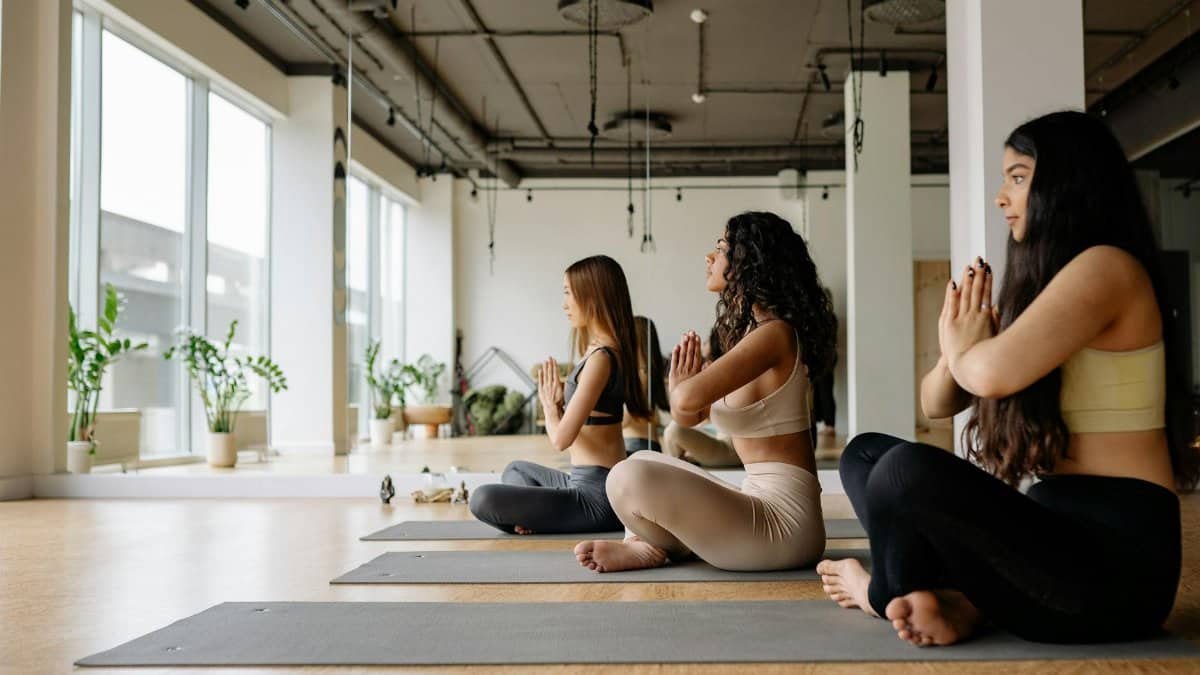
In bustling New York, where the pace never slows, mental health clinics have started to embrace meditation as a vital tool. Take, for instance, a typical morning at a Lower Manhattan center: patients arrive frazzled from subway delays, only to settle into guided sessions that emphasize breathing and presence. This isn’t a fringe experiment. Over the past year, major institutions like Mount Sinai and NYU Langone have rolled out meditation components in their outpatient programs. The motivation stems from overwhelming demand. Therapists report that clients, often juggling high-stakes jobs and family demands, crave practical ways to achieve calm focus awareness amid chaos.
One clinician shared a story of a patient, a finance executive in her forties, who described her first meditation class as a revelation. “It was like turning down the volume on a blaring radio,” she said. Such anecdotes highlight the appeal. Meditation isn’t presented as a cure-all but as a complement to traditional therapy, helping to build emotional resilience. Data backs this up. A study from the National Institutes of Health shows that mindfulness-based interventions can reduce symptoms of anxiety by up to 30%.National Institute of Mental Health on Anxiety Disorders.
Yet, integration hasn’t been seamless. Some skeptics within the medical community question whether meditation fits into evidence-based care. Others point to cultural barriers, noting that not everyone relates to the serene imagery often associated with it. Still, the momentum builds, driven by patient feedback and promising outcomes.
Understanding Calm Focus Awareness
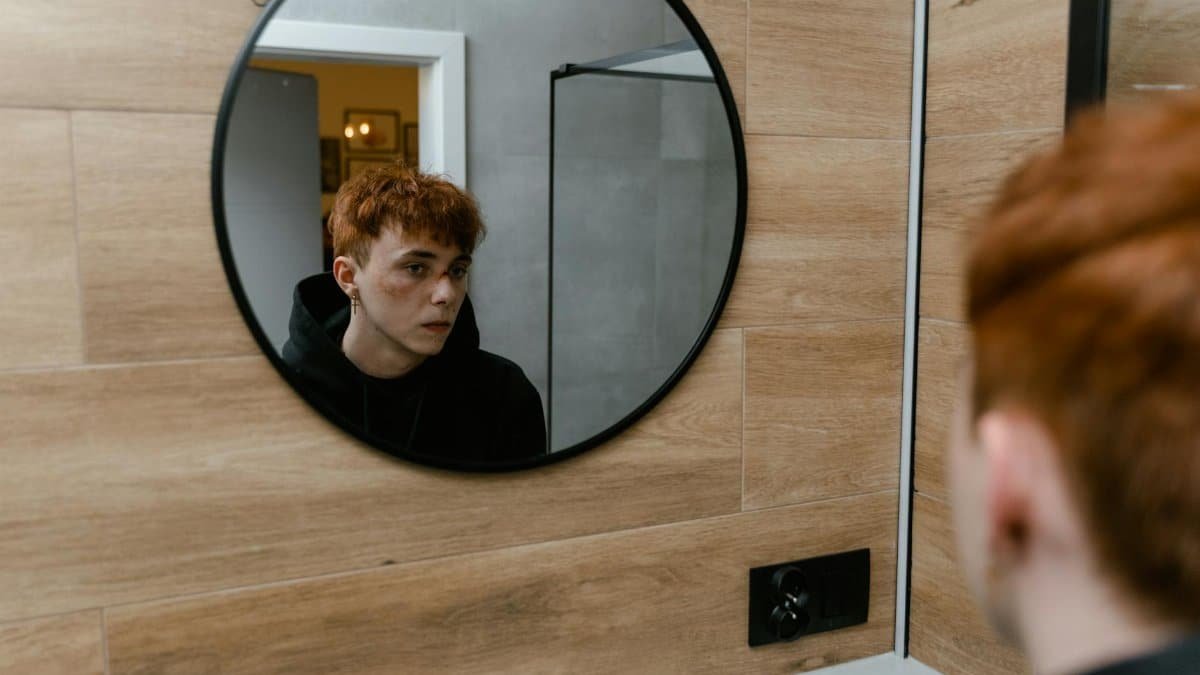
What does calm focus awareness really mean in practice? It boils down to cultivating a deliberate attention to the present moment, free from distraction or judgment. Picture a group therapy session where participants close their eyes and tune into their breath, letting thoughts drift like clouds. This isn’t about emptying the mind entirely—a common misconception—but about observing without getting swept away.
Experts draw from traditions like mindfulness-based stress reduction, developed by Jon Kabat-Zinn in the late 1970s. In New York’s clinics, it’s adapted for diverse populations. A Brooklyn-based program, for example, incorporates urban elements, like visualizing city sounds as part of the meditation flow. This makes it relatable for middle-aged professionals who might otherwise dismiss it as too esoteric.
Research supports its benefits. A 2023 meta-analysis in the Journal of the American Medical Association found that regular practice enhances cognitive function and emotional regulation.Journal of the American Medical Association. But it’s the personal transformations that stick. One anonymous account from an online forum described the shift: after weeks of practice, the individual felt equipped to handle work conflicts with newfound clarity, turning reactive outbursts into measured responses.
The concept extends beyond sessions. It’s about carrying that awareness into daily life, whether during a commute or a heated meeting. Challenges arise, though, when beginners expect instant results, only to grapple with wandering minds.
Workplace Stress Driving the Demand

New York’s corporate grind is legendary, and it’s fueling the push for meditation in mental health care. With remote work blurring boundaries, many middle-aged workers report burnout at record levels. Clinics are stepping in with tailored programs that address this directly.
Consider the story of a mid-level manager in Midtown who joined a clinic’s meditation group after a panic attack at her desk. Through weekly sessions focused on calm focus awareness, she learned to pause before responding to emails, reducing her stress significantly. Such examples aren’t isolated. A Pew Research Center report from 2024 indicates that 55% of U.S. adults in high-stress jobs are open to mindfulness training.Pew Research Center on Mental Health.
Clinics collaborate with employers, offering on-site workshops. This integration reflects a broader shift: mental health isn’t just personal; it’s professional. Yet, not all workplaces buy in. Some view it as a soft skill, overlooking how it sharpens focus and productivity. Transitions to these programs can feel awkward at first, with participants giggling through initial silences. Over time, though, the benefits emerge, fostering a culture of well-being.
Challenges in Implementation

Introducing meditation into clinical settings isn’t without hurdles. Accessibility tops the list. In a city as diverse as New York, language barriers and cultural differences can make standard programs feel exclusionary. Clinics are adapting by offering bilingual sessions and incorporating varied traditions, from Zen to secular mindfulness.
Funding poses another issue. While some insurance covers these add-ons, many don’t, leaving lower-income patients out. A report from the Centers for Disease Control and Prevention highlights disparities in mental health access.CDC Mental Health Resources. One clinic director noted the irony: “We’re promoting calm focus awareness, but systemic inequalities create their own stress.”
There’s also the risk of oversimplification. Meditation can unearth deep emotions, requiring trained facilitators to guide safely. Without proper support, participants might feel more anxious. These tensions underscore the need for thoughtful rollout, balancing enthusiasm with caution.
Despite these, success stories abound. A Queens clinic reported a 40% drop in repeat visits for stress-related issues after adding meditation tracks.
Personal Stories of Transformation

Behind the statistics lie real lives changed. Take Sarah, a fictional composite based on common experiences: a teacher in her fifties, overwhelmed by classroom demands and post-pandemic fatigue. She stumbled into a clinic’s meditation program skeptically. Weeks in, she noticed subtle shifts—better sleep, less rumination. “It’s like gaining a mental pause button,” she reflected.
These narratives weave through clinic hallways. Another involves a veteran dealing with PTSD, who found calm focus awareness a gentle entry to therapy. Online discussions echo this: one shared account detailed how daily practice turned chronic worry into manageable moments, without naming the forum for privacy.
Such stories humanize the trend. They show meditation isn’t about perfection but persistence. Clinicians encourage starting small, perhaps with five-minute sessions, building from there. The variety in experiences—some find it meditative walks, others seated silence—highlights its flexibility.
Broader Implications for Mental Wellness

As clinics expand these offerings, the ripple effects extend citywide. Public interest in mental wellness grows, with community centers and apps amplifying access. In 2025, experts predict even more integration, possibly into school programs or senior care.
This aligns with national trends. The Substance Abuse and Mental Health Services Administration notes rising adoption of holistic approaches.SAMHSA National Helpline. Yet, it’s not without debate. Critics argue that emphasizing individual practices overlooks societal factors like economic inequality.
Proponents counter that calm focus awareness empowers people within those constraints. It’s a tool for agency in an unpredictable world. Clinics are monitoring long-term impacts, with early data suggesting sustained benefits in mood and cognition.
Looking Ahead: Sustaining the Momentum

What will keep this trend alive? Training more facilitators is key, ensuring quality and inclusivity. Partnerships with tech, like virtual reality meditation, could broaden reach. In New York, where innovation thrives, these developments feel inevitable.
Patients like the ones mentioned earlier pave the way, sharing how calm focus awareness reshapes routines. It’s a quiet revolution, one breath at a time. As clinics refine their approaches, the potential for widespread mental health improvement looms large, promising a calmer, more focused city.
Practical Steps for Getting Involved

Interested readers might wonder where to start. Many clinics offer free introductory sessions—check local listings or apps like Headspace for guidance. Begin with simple techniques: focus on your breath for a minute, noting distractions without judgment.
Building a habit takes time. Join a group for accountability, or pair it with therapy. Resources abound, from books to online courses. Remember, it’s about progress, not perfection. In a city that never sleeps, carving out space for calm focus awareness could be the ultimate act of self-care.