

Walk into a coffee shop in Indianapolis these days, and you might overhear conversations about something intriguing. People swap stories of weekend plans that involve gongs, chimes, or soothing frequencies. This isn’t just chatter. It’s part of a broader shift toward sound relaxation healing, a practice blending ancient traditions with modern wellness needs. In a city known for its racing heritage and bustling workforce, residents are turning to these sessions to unwind from daily pressures. As workplace stress mounts and interest in mental health surges, local events are spotlighting sound healing more than ever. Projections suggest this trend will only grow in 2025, offering a sonic escape amid the noise of everyday life.
The Roots of Sound Relaxation Healing
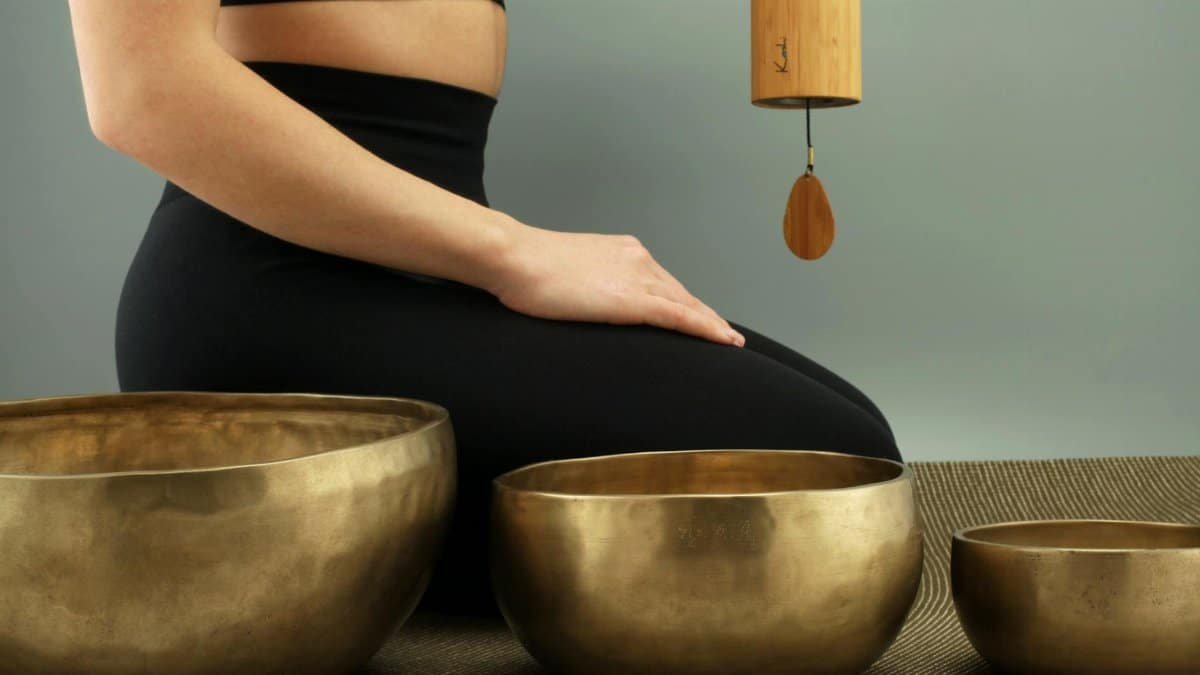
Sound has long played a role in human rituals. Think back to indigenous cultures using drums for ceremonies or Tibetan monks with singing bowls. These practices aimed to restore balance. Today, sound relaxation healing draws from those foundations, using vibrations to promote calm. It’s not new, but its resurgence in places like Indianapolis feels timely.
Experts trace modern interest to the 1970s, when researchers began exploring bioacoustics. One study from the National Institutes of Health examined how certain frequencies affect brain waves. It found that low-frequency sounds could induce relaxation states similar to meditation.NIH Study on Sound and Brain Waves details how alpha waves increase during exposure to rhythmic tones.
In Indianapolis, this history meets contemporary life. A local yoga studio owner shared how she integrated sound baths into classes after a trip to Nepal. Her clients, many from high-stress jobs, reported better sleep. It’s a reminder that old methods can address new problems.
Why Indianapolis is Embracing This Trend

Indianapolis buzzes with energy, from the Indy 500 to corporate hubs. Yet beneath the excitement lies a quieter struggle. Workplace stress affects many here, with long hours in manufacturing and tech sectors taking a toll. Sound relaxation healing steps in as a gentle counterpoint.
Recent data shows mental wellness interest spiking. A Pew Research survey indicated that 42% of Midwestern adults seek alternative therapies for anxiety.Pew Research on Mental Health Trends highlights this shift, noting urban areas like Indianapolis lead the way.
Local events reflect this. Community centers now host weekly sound sessions, drawing diverse crowds. One participant, a nurse working night shifts, described it as “a reset button for my mind.” Such stories illustrate how the city adapts ancient practices to modern demands, fostering a sense of communal healing.
It’s not all smooth. Some skeptics question the science, but proponents point to growing evidence. The trend ties into broader U.S. movements toward holistic health, especially post-pandemic.
How Sound Relaxation Healing Works in Practice
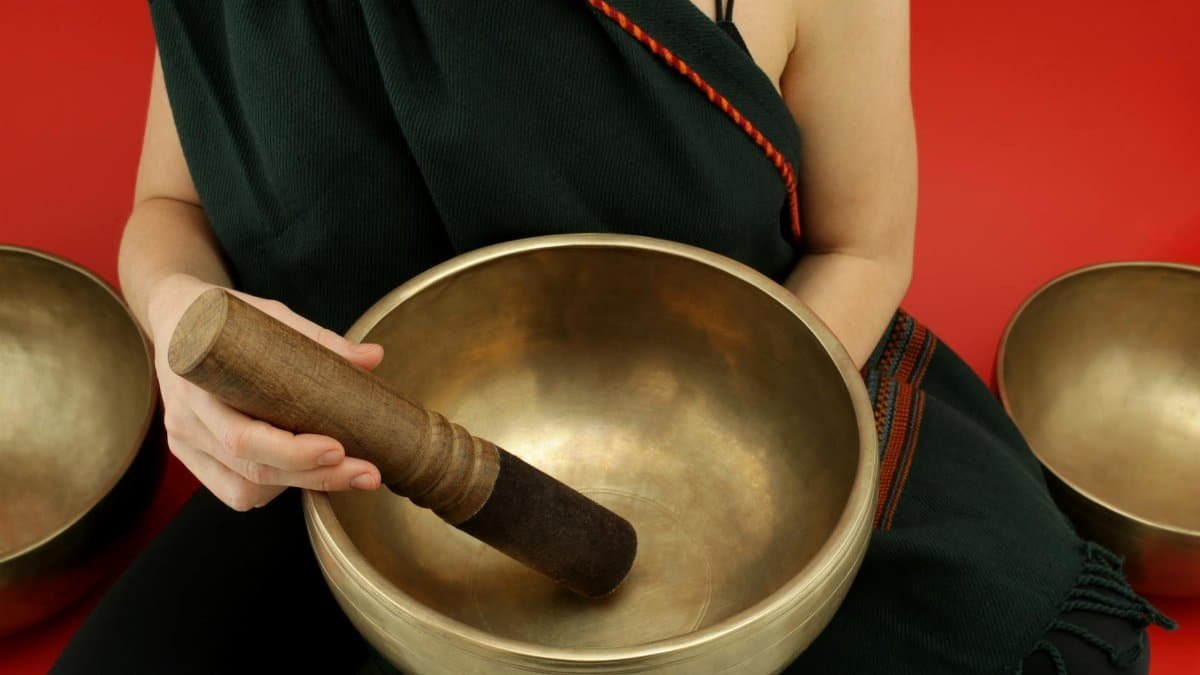
Imagine lying on a mat as crystal bowls hum around you. The vibrations seem to wash over your body. This is a typical sound bath, a core method in sound relaxation healing. Practitioners use instruments like gongs or tuning forks to create resonant frequencies.
Science backs some claims. Research from Harvard Medical School suggests that sound can lower cortisol levels. Their findings, published in a journal on integrative medicine, show participants experiencing reduced stress after sessions.Harvard on Relaxation Techniques explores similar auditory methods.
In Indianapolis, workshops vary. Some focus on group experiences, others on personal sessions. A recent event at a downtown park featured live didgeridoo playing, blending Australian traditions with local flair. Attendees left feeling lighter, sharing laughs over the unexpected calm.
Of course, it’s not magic. The key lies in intention and environment. Facilitators emphasize creating safe spaces, which enhances the therapeutic effect.
Challenges and Misconceptions
Not everyone buys into sound relaxation healing right away. Critics dismiss it as pseudoscience, comparing it to fleeting wellness fads. Yet evidence mounts that it offers real benefits, particularly for stress reduction.
One common hurdle is accessibility. Sessions can cost $20 to $50, pricing out some. In Indianapolis, community groups are addressing this by offering free or low-cost events in public libraries.
Another issue: varying practitioner quality. Without standardization, experiences differ. Online discussions often reveal frustrations with overhyped claims. One anonymous account described a session that felt more like a concert than therapy, leaving them underwhelmed. Still, many find value when expectations align.
Addressing these challenges requires education. Local health organizations are stepping up, providing workshops on what to expect. It’s about demystifying the practice, making it approachable for skeptics.
Personal Stories from the Community

Stories bring sound relaxation healing to life. Take Sarah, a teacher in Indianapolis facing burnout. She stumbled into a sound session at a wellness fair. “The first note hit, and tension melted away,” she recalled. Months later, it’s part of her routine, helping manage classroom chaos.
Then there’s Mike, a veteran dealing with PTSD. Traditional therapy helped, but sound added a layer. He joined a group at a VA center, where chimes provided a non-verbal outlet for emotions. These anecdotes show the practice’s reach, touching lives across demographics.
In 2025, expect more such tales. As events proliferate, from pop-up sessions in parks to corporate wellness programs, the community weaves sound into its fabric. It’s a testament to human resilience, finding harmony amid discord.
Integrating Sound into Daily Life

You don’t need a fancy event to try sound relaxation healing. Start small at home. Apps offer guided sound meditations, using binaural beats to mimic professional sessions.
Research from the Cleveland Clinic supports this DIY approach. Their studies on audio therapies show improvements in sleep quality.Cleveland Clinic on Sound Therapy provides practical tips for beginners.
In Indianapolis, locals experiment with playlists during commutes. One office worker tunes into ocean waves mixed with soft gongs on her drive. It transforms traffic jams into moments of peace. The beauty lies in adaptability, fitting sound into busy schedules.
Experts advise consistency. Even five minutes daily can build benefits, turning abstract concepts into tangible relief.
The Broader Impact on Mental Wellness
Sound relaxation healing fits into a larger wellness landscape. In the U.S., mental health conversations are evolving, with alternative therapies gaining ground. Indianapolis mirrors this, as events draw crowds seeking alternatives to medication.
A report from the Centers for Disease Control and Prevention notes rising stress levels nationwide.CDC on Stress and Coping underscores the need for diverse tools like sound practices.
Locally, this means more collaborations. Therapists pair sound with counseling, creating hybrid approaches. The impact? Reduced anxiety reports and stronger community bonds. It’s reshaping how Hoosiers approach well-being, one vibration at a time.
Looking Ahead in Indianapolis
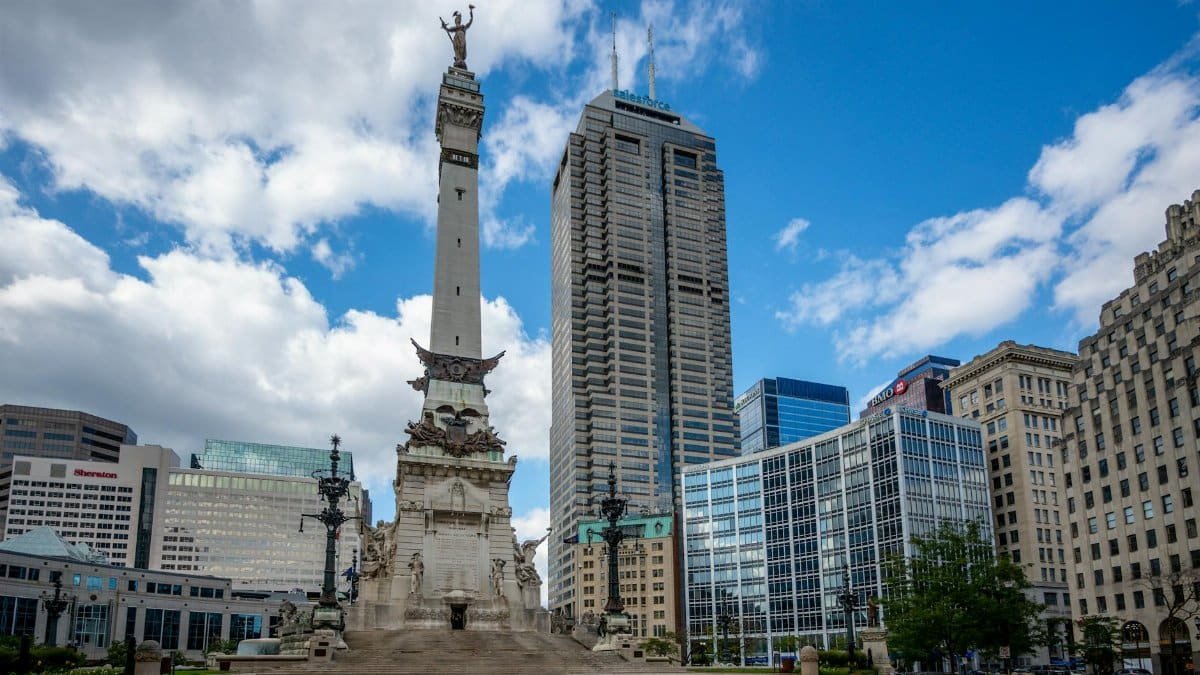
As 2025 unfolds, sound relaxation healing seems set to expand. New venues, from art galleries to breweries, plan to host sessions. This growth stems from demand, fueled by awareness campaigns.
Challenges remain, like integrating it into healthcare systems. Yet optimism prevails. With studies continuing to validate benefits, the practice could become mainstream. For Indianapolis, it’s about blending tradition with innovation, offering residents a soundtrack for serenity.
In a world of constant alerts, these moments of auditory peace stand out. They remind us that healing can be as simple as listening.
Expert Perspectives on the Practice
Professionals weigh in thoughtfully. Dr. Elena Ramirez, a psychologist in Indianapolis, sees sound as a complement to therapy. “It lowers barriers to relaxation,” she says, citing cases where patients open up more post-session.
From a scientific angle, neurologists explore mechanisms. Vibrations may stimulate the vagus nerve, promoting calm. Ongoing research at universities like Indiana University probes these effects, promising deeper insights.
These views ground the trend, moving it beyond novelty. As experts collaborate, sound relaxation healing gains credibility, encouraging wider adoption.
Community Events and Participation

Indianapolis calendars fill with sound events. The Circle City Sound Festival, slated for spring 2025, promises immersive experiences. Organizers aim to make it inclusive, with scholarships for low-income attendees.
Participation varies. Some join for curiosity, others for deep healing. A recent park gathering saw families picnicking amid soft tunes, turning wellness into a social affair.
This communal aspect strengthens ties. In a divided time, shared sound sessions foster unity, proving the practice’s power beyond individual benefits.
Balancing Skepticism with Evidence
Skepticism persists, and rightly so. Not all claims hold up. Yet balanced views help. A meta-analysis in the Journal of Alternative and Complementary Medicine reviewed multiple studies, finding moderate evidence for stress relief.Journal of Alternative and Complementary Medicine hosts such research.
In Indianapolis, dialogues bridge gaps. Panels discuss pros and cons, educating without preaching. This approach builds trust, ensuring the trend’s sustainability.
Creative Applications in Everyday Settings
Beyond events, sound sneaks into routines. Schools experiment with calming chimes during breaks, aiding student focus. Businesses offer sound breaks in lounges, boosting productivity.
One tech firm in Indianapolis reported fewer sick days after implementing sessions. It’s innovative, showing how sound relaxation healing adapts to various environments.
Creativity abounds. Artists fuse sound with visual media, creating multisensory art. These applications expand its reach, making healing accessible and fun.
The Role of Technology in Sound Healing

Tech amplifies the practice. Wearables track responses to sounds, personalizing experiences. Apps like Insight Timer provide free libraries of healing tracks.
Studies from Stanford University examine digital sound interventions. Their work suggests apps can rival in-person sessions for some users.Stanford Digital Health Research delves into these tools.
In Indianapolis, tech-savvy groups host virtual sessions, reaching remote areas. It’s a fusion of old and new, broadening access.
Sustaining the Momentum

Maintaining interest requires effort. Advocates push for research funding, ensuring evidence-based growth. Community leaders train more facilitators, meeting demand.
As 2025 progresses, Indianapolis could become a hub for sound relaxation healing. With passion and pragmatism, the trend promises lasting impact on local wellness.