

In bustling Miami, where the hum of traffic and the glare of neon lights never quite fade, a quiet revolution is underway. A recent study from the Pew Research Center shows that 55% of Americans now report practicing some form of mindfulness or meditation, up from just 8% a decade ago. This surge reflects a broader craving for mental clarity amid relentless daily pressures. Enter calm focus awareness, a practice rooted in meditation that helps individuals cultivate a steady, present state of mind. As workplace stress mounts and public interest in wellness swells, meditation retreats are popping up around Miami’s edges, promising respite. These havens aren’t just escapes; they’re becoming essential tools for navigating modern life. With projections pointing to even greater demand in 2025, the city’s landscape is shifting toward serenity.
The Roots of Calm Focus Awareness

Meditation has long been a cornerstone of various traditions, from ancient Buddhist practices to modern secular adaptations. Calm focus awareness, at its core, involves training the mind to maintain a gentle, unwavering attention on the present moment. It’s not about emptying the thoughts entirely, which can feel impossible in a city like Miami, where distractions abound. Instead, it’s about observing them without judgment, allowing a sense of calm to emerge naturally.
Historians trace similar concepts back to Eastern philosophies, but in the U.S., they’ve gained traction through figures like Jon Kabat-Zinn, who popularized mindfulness-based stress reduction in the 1970s. Today, this awareness isn’t confined to ashrams; it’s infiltrating corporate boardrooms and suburban homes. One expert notes how it counters the fragmented attention spans fostered by digital overload. As smartphones ping incessantly, people seek ways to reclaim their mental space.
Consider a typical session: Participants sit quietly, focusing on their breath. When the mind wanders to tomorrow’s meeting or last night’s argument, they gently redirect it. This simple act builds resilience. Research supports it too. A study published in the Journal of the American Medical Association found that mindfulness practices reduce anxiety by up to 30%. For more details, check the JAMA Internal Medicine study.
In Miami, this practice resonates deeply with a population juggling high-stakes jobs and vibrant social scenes. The tropical climate adds a layer, with ocean breezes sometimes aiding that elusive calm.
Why Miami is Primed for Growth

Picture the contrast: Skyscrapers towering over Biscayne Bay, executives rushing between deals, and yet, a growing number are trading power lunches for silent retreats. Miami’s unique blend of ambition and leisure makes it fertile ground for meditation’s expansion. The city’s diverse population, including a large Latin American community, brings varied cultural influences that enrich these practices.
Workplace stress is a key driver. With Florida’s economy booming in tech and finance, burnout rates are climbing. The National Institute for Occupational Safety and Health reports that 40% of workers feel their jobs are very or extremely stressful. This ties directly into the appeal of calm focus awareness, offering a counterbalance. Retreats near Miami promise not just relaxation but tools for sustained productivity.
Local entrepreneurs are noticing. New centers are emerging in areas like Homestead and the Everglades’ edge, where natural settings enhance the experience. One developer shared anonymously in an online forum: “I saw how stressed my team was, so I started planning a retreat space. It’s about creating pockets of peace in the chaos.” Such sentiments echo broader trends, as demand surges.
For evidence of this shift, look to data from the CDC’s workplace stress resources, which highlight the mental health toll in high-pressure environments.
Benefits Beyond the Mat

Calm focus awareness isn’t just a fleeting buzz; it delivers tangible gains. Practitioners often report sharper concentration, better emotional regulation, and even improved relationships. In a place like Miami, where social dynamics can be intense, this matters.
Take Sarah, a fictional composite based on real accounts. A marketing executive in her 40s, she felt overwhelmed by deadlines and family demands. After attending a weekend retreat, she noticed a shift. “It was like turning down the volume on my inner critic,” she might say. Mornings became less frantic, decisions clearer.
Science backs these anecdotes. The National Institutes of Health has funded studies showing meditation’s impact on brain structure, enhancing areas linked to attention and empathy. A 2023 review in Psychological Science detailed how consistent practice reduces cortisol levels, the hormone tied to stress.
Yet, it’s not all straightforward. Some struggle with the discipline required, finding the quiet unsettling at first. This tension highlights the practice’s depth: It’s a skill honed over time, not a quick fix. For deeper insights, explore the NIH news release on meditation benefits.
As 2025 approaches, these benefits could reshape how Miamians approach wellness, integrating calm focus awareness into daily routines.
Emerging Retreat Centers
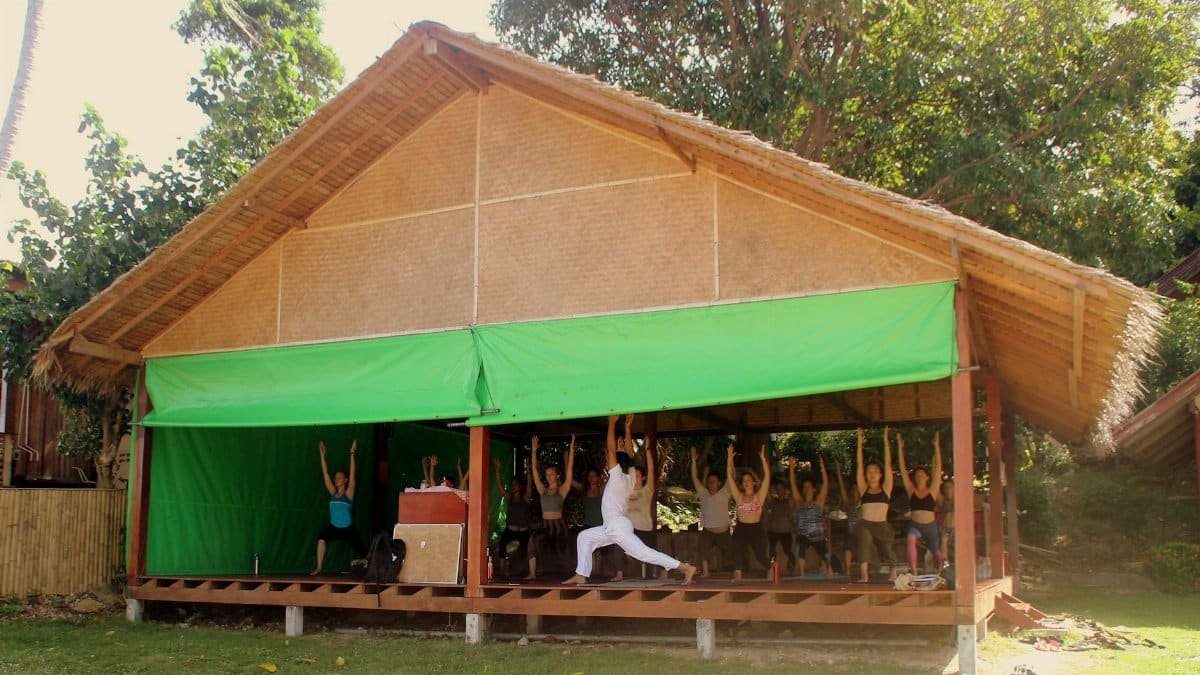
Around Miami, new meditation retreats are sprouting like palms after a rain. One planned site in the Redland area boasts eco-friendly cabins and guided sessions focused on calm focus awareness. Organizers aim to blend traditional techniques with local flair, perhaps incorporating salsa rhythms into mindful movement.
These aren’t your grandparents’ ashrams. Modern retreats feature amenities like spa treatments and gourmet vegetarian meals, appealing to middle-aged professionals seeking balance without roughing it. Attendance is projected to double in the coming year, driven by apps and social media promoting mental health.
A brief observation from a recent open house: Attendees mingled under string lights, sharing stories of burnout. One woman described her job in hospitality: “The constant rush left me numb. Here, I learned to pause.” Such moments illustrate the human pull toward these spaces.
To understand the market growth, Pew Research’s surveys on complementary health approaches provide context. Their 2024 data shows increasing adoption among urban adults. Dive into the Pew Research on complementary health for specifics.
Challenges remain, like zoning laws and funding, but enthusiasm is high.
Navigating Common Challenges
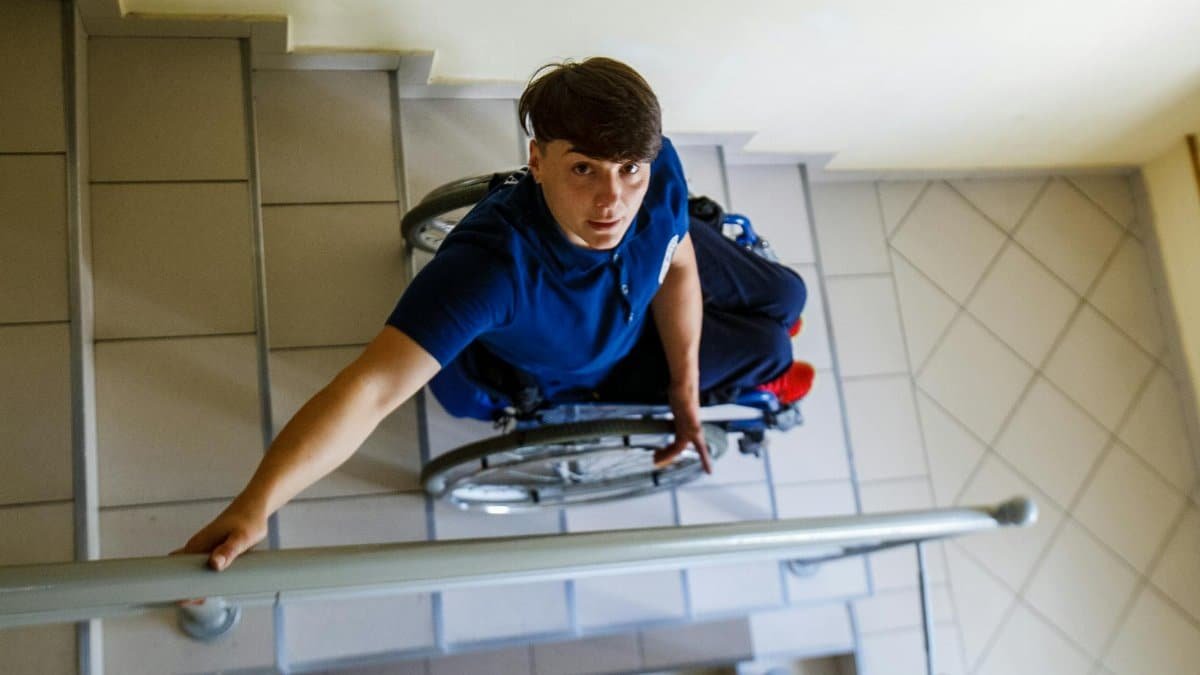
Not everyone slides effortlessly into calm focus awareness. Beginners often grapple with racing thoughts or physical discomfort during sessions. In Miami’s humid climate, sitting still can feel like a battle against sweat and mosquitoes.
Experts recommend starting small: Five minutes a day, perhaps during a commute via guided apps. Yet, cultural barriers persist. Some view meditation as “woo-woo,” especially in a city prized for its hustle. Overcoming this requires reframing it as a practical tool, much like exercise for the mind.
One anonymized story from public discussions captures the struggle: “I tried a retreat but felt like an imposter among the zen crowd. It took weeks to see the point.” This honesty reveals the learning curve, but persistence pays off.
Research from Harvard Medical School underscores strategies for overcoming hurdles, emphasizing gradual exposure. Their resources detail how mindfulness can address resistance effectively.
Community and Cultural Integration

Miami’s melting pot enhances meditation’s appeal. Retreats are incorporating bilingual sessions, drawing from Hispanic and Caribbean heritages to make calm focus awareness accessible. Imagine a group chant infused with Afro-Cuban beats, grounding participants in their roots.
This integration fosters community. Local groups are forming, blending retreats with social events. It’s not isolation; it’s connection through shared quietude.
Anecdotes abound: A retiree found renewed purpose, volunteering to lead sessions. “It bridged my past stresses with present peace,” he reflected. Such stories humanize the trend.
For broader U.S. context, the Substance Abuse and Mental Health Services Administration tracks wellness programs. Their reports show rising participation in diverse communities. See the SAMHSA 2023 National Survey for mental health trends.
Looking Ahead in South Florida
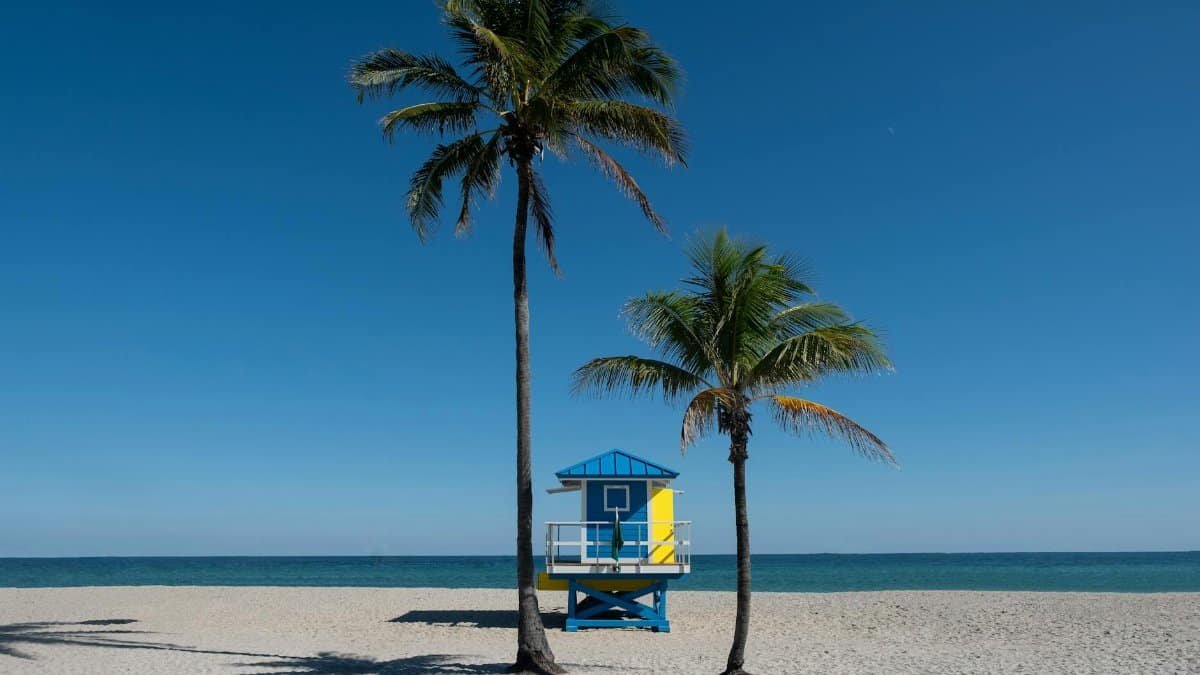
As demand rises, meditation retreats near Miami are set to evolve. Projections for 2025 suggest more hybrid models, combining in-person escapes with virtual follow-ups. This adaptability could make calm focus awareness a staple in wellness routines.
Yet, questions linger. Will affordability keep pace? How will urban sprawl affect serene locations? These considerations add nuance to the optimism.
Ultimately, this growth signals a societal pivot toward valuing mental space. In a world that rarely slows, Miami’s embrace of these practices offers a model for others. It’s a reminder that amid the noise, calm is within reach.