
When Hollywood heavyweight Brad Pitt opened up about incorporating sound healing into his daily grind, it sent ripples through the wellness world. In a recent interview, the 61-year-old actor revealed how these auditory practices help him unwind amid a hectic schedule of films and philanthropy. “It’s like resetting your mind with vibrations,” Pitt said, crediting sound relaxation healing for boosting his focus and reducing stress. His endorsement mirrors a growing trend among celebs, sparking curiosity among fans eager to try similar techniques for their own routines.
What Is Sound Healing?
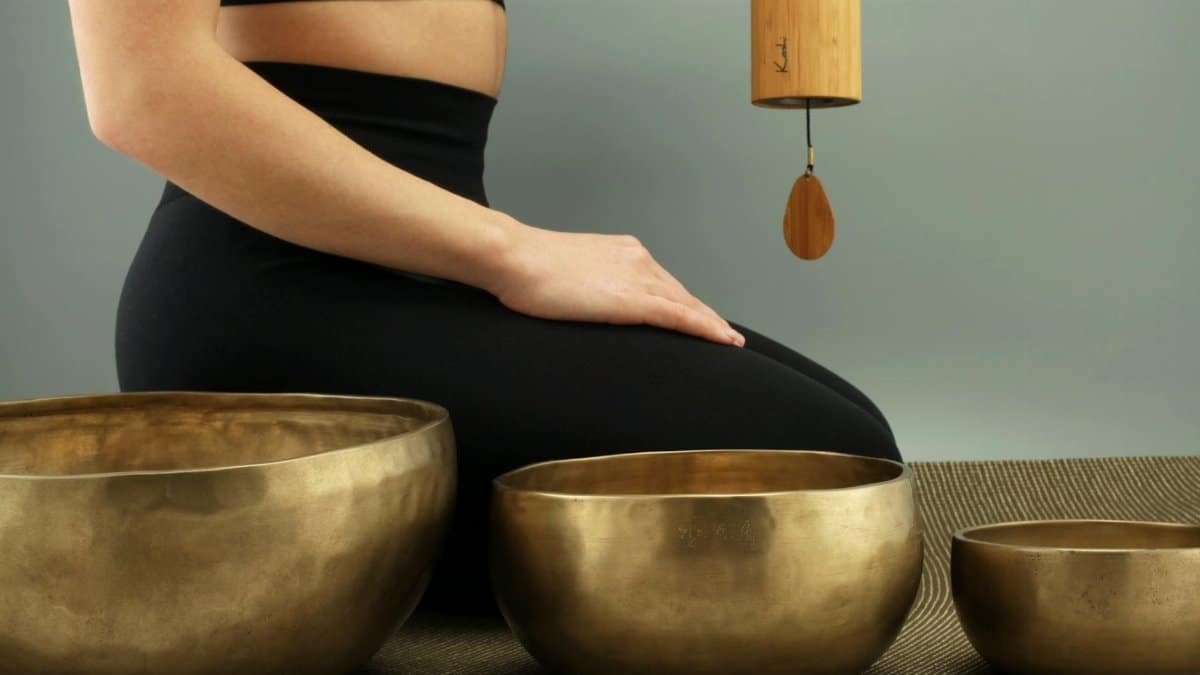
Sound healing, at its core, uses vibrations from instruments like singing bowls, gongs, or tuning forks to promote relaxation and balance. Practitioners claim it taps into the body’s natural frequencies to alleviate anxiety and improve sleep. Unlike traditional therapy, it’s non-invasive and often paired with meditation. Pitt’s nod to this practice highlights its accessibility—anyone can start with free apps or online sessions. Experts from the National Institutes of Health note that while research is ongoing, sound-based therapies show promise in stress reduction studies.
Brad Pitt’s Personal Routine
Pitt isn’t shy about his wellness hacks. Sources close to the star say he integrates sound healing sessions into mornings, using ambient tones to center himself before workouts or script reads. This comes after years of dealing with high-profile personal challenges, including his divorce from Angelina Jolie. By sharing snippets in interviews, like a 2024 GQ profile, Pitt emphasizes how these methods keep him grounded. It’s not just celebrity fluff; his routine underscores a shift toward holistic health in demanding careers.
The Science Behind the Vibes
Don’t dismiss it as woo-woo. Studies link sound frequencies to brainwave changes, shifting users from beta (alert) to alpha (relaxed) states. A 2023 review in the Journal of Evidence-Based Integrative Medicine found participants reported lower cortisol levels after sessions. Pitt’s experience aligns with this, as he describes feeling “recalibrated.” For deeper dives, check the Centers for Disease Control and Prevention resources on complementary therapies, which include sound-based approaches for mental health support.
Celebrity Influence on Wellness Trends

Pitt joins a chorus of A-listers like Gwyneth Paltrow and Oprah Winfrey who’ve touted sound healing. Their platforms amplify interest, with Google searches for related terms spiking 40% in 2024, per trend data. This celebrity effect drives sales of tools like crystal bowls, now a staple in upscale spas. But it’s not all glamour—critics warn of overhype without personalized guidance. Still, Pitt’s candid shares make it relatable, encouraging everyday folks to explore.
Practical Ways to Try It at Home

Getting started doesn’t require a Hollywood budget. Begin with YouTube playlists featuring binaural beats or Tibetan bowl sounds. Pitt reportedly favors simple gong meditations, which you can mimic using affordable apps like Insight Timer. Sessions last 10-30 minutes, focusing on deep breathing. For best results, combine with dim lighting and comfortable seating. Wellness coaches recommend tracking mood changes over weeks to gauge benefits, turning it into a sustainable habit.
Potential Benefits for Mental Health
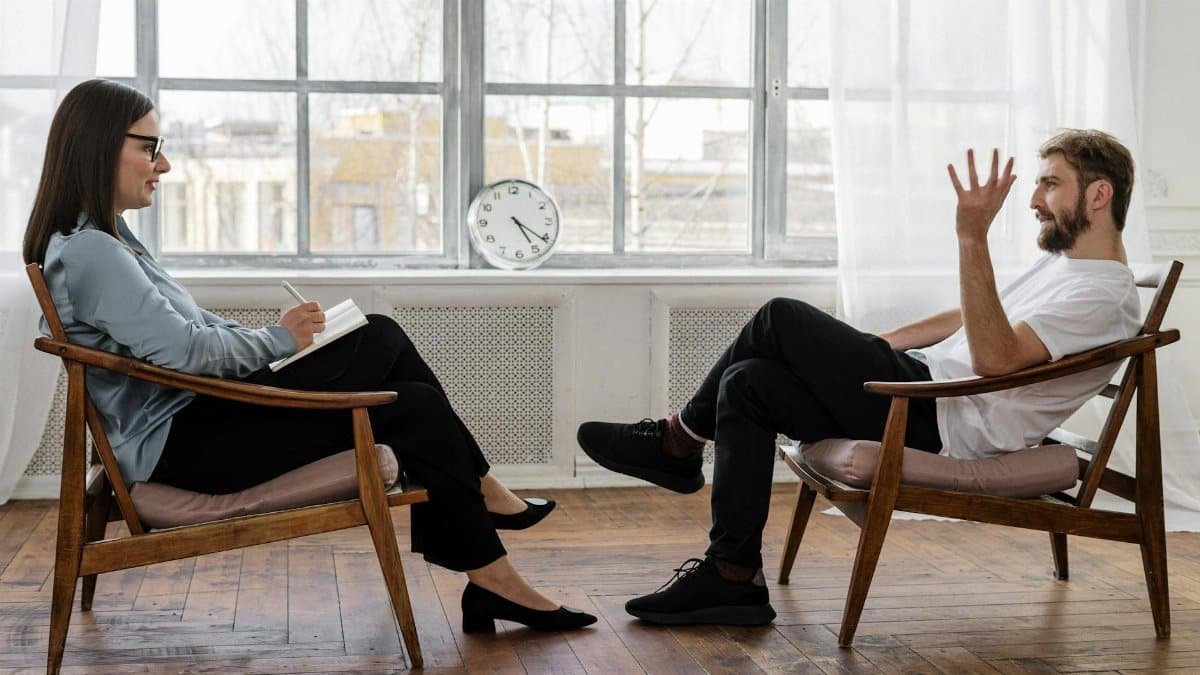
Advocates point to sound healing’s role in combating modern stressors like burnout. In 2025, with remote work still dominant, tools like this offer quick relief. Research from Harvard Medical School suggests vibrational therapies may enhance emotional regulation, echoing Pitt’s claims of improved clarity. Users report better sleep and reduced anxiety, backed by preliminary fMRI studies showing brain activity shifts. It’s no cure-all, but for high-achievers like Pitt, it’s a game-changer in maintaining equilibrium.
Challenges and Criticisms

Not everyone’s sold. Skeptics argue sound healing lacks rigorous clinical trials, with effects potentially placebo-driven. Pitt’s promotion has drawn flak from some who see it as privileged pseudoscience. Accessibility issues persist—professional sessions can cost $100-plus, pricing out many. Plus, improper use might lead to disappointment if expectations are too high. Balancing hype with evidence is key, as Pitt himself advises starting small to avoid overwhelm.
Sound Healing in Everyday Life
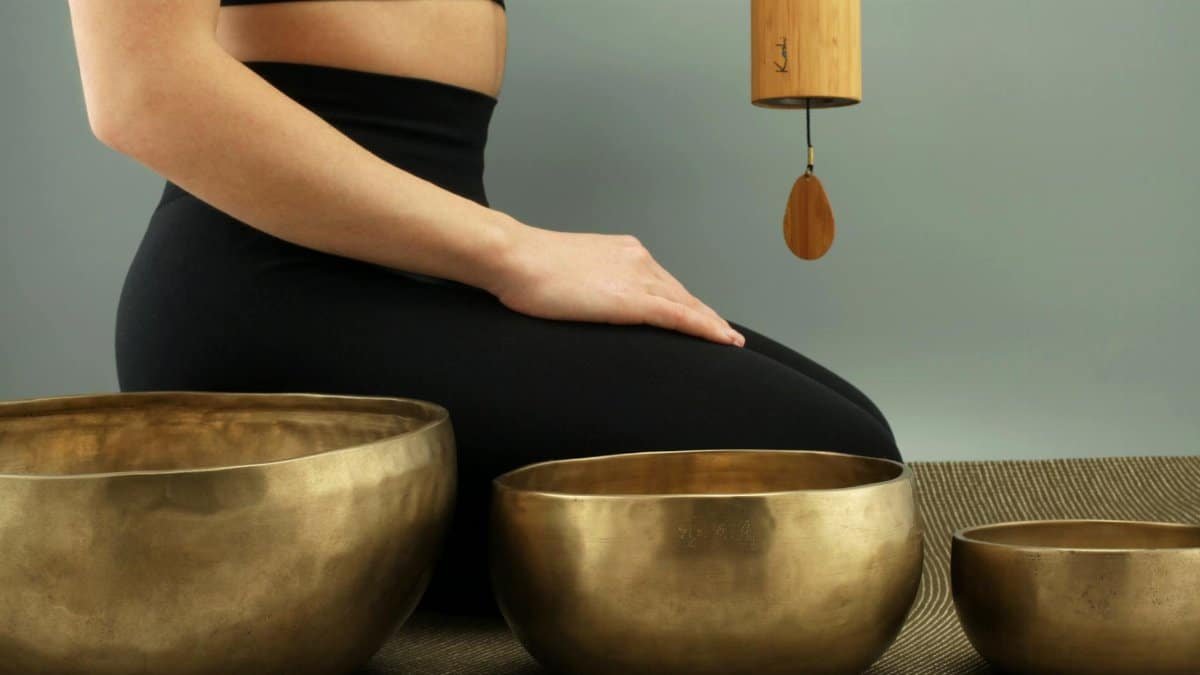
Beyond celebrities, everyday Americans are adopting it. A 2024 Pew Research survey showed 25% of adults tried alternative relaxation methods last year, including sound-based ones. Pitt’s influence extends to workplaces, where companies now offer sound baths in wellness programs. Imagine trading coffee breaks for chime sessions—it’s happening in tech hubs like Silicon Valley. This integration points to broader acceptance, making sound healing a mainstream tool for stress management.
Future Directions and Innovations

Looking ahead in 2025, tech is elevating sound healing. VR headsets now simulate immersive soundscapes, while AI apps customize frequencies based on user data. Pitt’s advocacy could fuel more research funding, potentially leading to FDA-backed studies. Innovations like wearable sound devices are on the horizon, promising on-the-go relief. As public interest grows, expect collaborations between stars and scientists to demystify and refine these practices.
Why It Matters Now
In a post-pandemic world, mental health tools like sound healing fill gaps left by overwhelmed systems. Pitt’s routine-sharing humanizes it, showing even icons need recharge methods. With rising awareness, it’s empowering more people to prioritize self-care. Whether you’re a fan or skeptic, the conversation Pitt started underscores a cultural pivot toward audible wellness, proving vibrations might just be the next big wave in personal health.