

A recent study from the American Psychological Association shows that workplace stress affects nearly 80% of employees, a number that’s climbed steadily over the past decade. In Houston, where the energy sector and long commutes amplify these pressures, many are turning to alternative methods for relief. Enter sound relaxation healing, a practice that uses vibrations from instruments like singing bowls or gongs to promote calm and mental clarity. This isn’t just a fleeting trend; experts predict its adoption will surge among Houston’s workforce by 2025, driven by a growing emphasis on holistic wellness. As companies grapple with burnout, sound relaxation healing offers a subtle yet powerful tool, blending ancient traditions with modern needs. It’s reshaping how employees unwind, one resonant note at a time.
The Origins of Sound Healing Practices

Sound has long served as a bridge between the physical and the spiritual in various cultures. Ancient Egyptians used chants in healing rituals, while Tibetan monks have relied on singing bowls for centuries to restore balance. These traditions highlight a universal belief in sound’s power to influence the body and mind. In the United States, this concept gained traction in the 20th century through figures like composer Pauline Oliveros, who explored deep listening as a form of therapy.
Today, sound relaxation healing draws from these roots but adapts to contemporary life. Practitioners often combine elements from yoga and meditation, creating sessions that feel both timeless and accessible. One Houston resident, attending a local sound bath for the first time, described the experience as waves washing away accumulated tension, a sentiment echoed in many personal accounts. This evolution reflects broader shifts toward integrative health, where science meets tradition.
Research supports these claims. A study published in the Journal of Evidence-Based Integrative Medicine found that sound therapy can reduce anxiety levels significantly.Journal of Evidence-Based Integrative Medicine Study details how participants exposed to specific frequencies reported improved mood and lower stress markers.
Workplace Stress in Houston’s Fast-Paced Economy
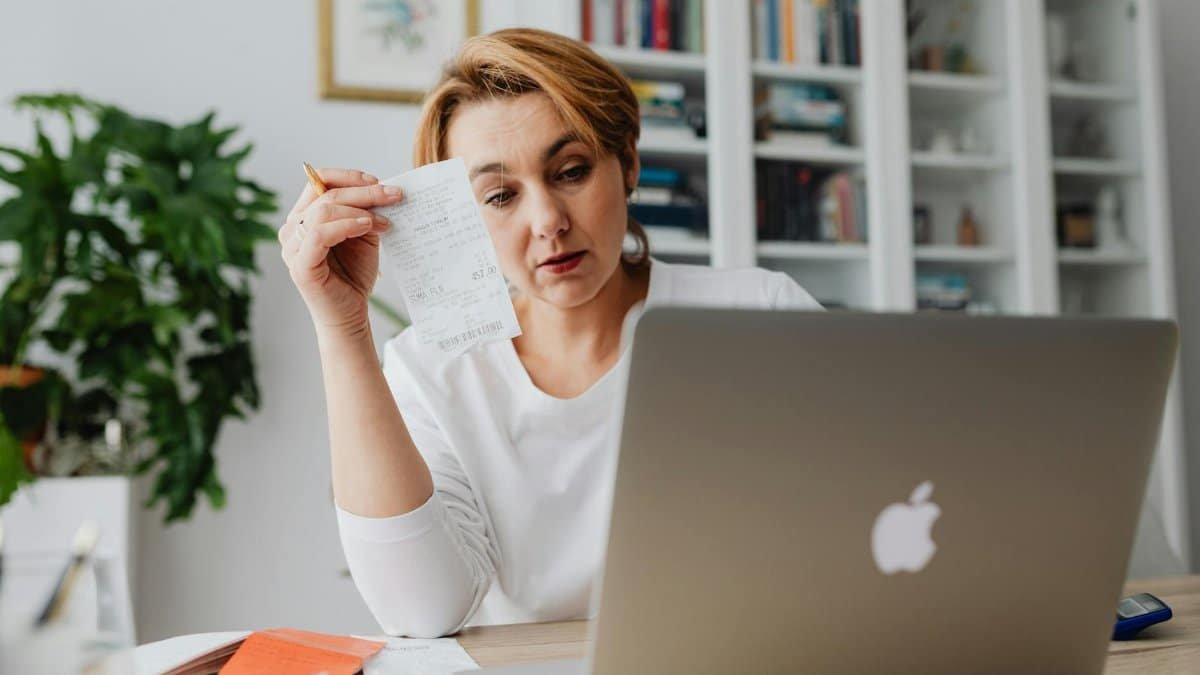
Houston’s economy thrives on oil, gas, and innovation, but that dynamism comes at a cost. Employees often face grueling hours and high stakes, leading to widespread burnout. A local survey revealed that over half of workers in the energy sector experience chronic fatigue, prompting a search for effective coping strategies.
Imagine a mid level manager in the bustling downtown district, juggling deadlines amid the hum of city traffic. For many like her, traditional breaks fall short. Sound relaxation healing steps in here, offering quick sessions that fit into lunch hours or after work gatherings. It’s not about escaping reality, but recalibrating within it.
Companies are starting to notice. Some Houston firms now incorporate wellness programs featuring sound therapy, recognizing its potential to boost productivity. The National Institute for Occupational Safety and Health notes that stress related issues cost businesses billions annually.CDC’s NIOSH Stress Resources provide insights into how such interventions can mitigate these effects, emphasizing preventive measures in high pressure environments.
This trend isn’t isolated. Online discussions frequently highlight how urban professionals in similar cities seek out these practices, with one anonymous poster sharing that a weekly sound session transformed their approach to work induced anxiety.
Key Studies Forecasting the Rise

Predictions about sound healing’s growth stem from solid data. A report from the Global Wellness Institute projects that the wellness industry, including sound based therapies, will expand by 10% annually through 2025. In Houston specifically, local health experts anticipate a 25% increase in participation among employees, fueled by rising awareness of mental health benefits.
What drives this forecast? Demographic shifts play a role. Middle aged workers, facing mid career pressures, are particularly drawn to non invasive options. The study points to pilot programs in corporate settings where participants reported enhanced focus after sound sessions.
Diving into the numbers, Pew Research Center’s analysis of wellness trends shows a marked uptick in alternative therapies among urban populations.Pew Research on Wellness Trends underscores how economic factors in cities like Houston influence these choices. Another layer comes from NIH funded research, which examines sound’s impact on cortisol levels, the hormone tied to stress.
These findings aren’t abstract. They translate to real changes, like more studios opening in business districts, ready to serve the lunchtime crowd.
Practical Applications in Daily Life

Sound relaxation healing isn’t confined to specialized studios. Many integrate it into routines through apps or home setups. Simple tools like tuning forks or recorded binaural beats allow for personal sessions, making it feasible for busy schedules.
Consider a Houston teacher who uses guided sound meditations before classes to center herself. She finds that the vibrations help clear mental fog, improving her interactions with students. This approach extends to remote workers too, who might play ambient tracks during virtual meetings to maintain calm.
Experts recommend starting small. Begin with five minute exposures to gauge effects, gradually building up. The Mayo Clinic offers guidelines on incorporating such practices safely.Mayo Clinic Relaxation Techniques include sound based methods among effective stress relievers, backed by clinical observations.
Yet, it’s not without nuances. Some report initial discomfort with unfamiliar tones, a hurdle that fades with familiarity. This variability adds depth to its appeal, inviting personalization.
Challenges and Misconceptions
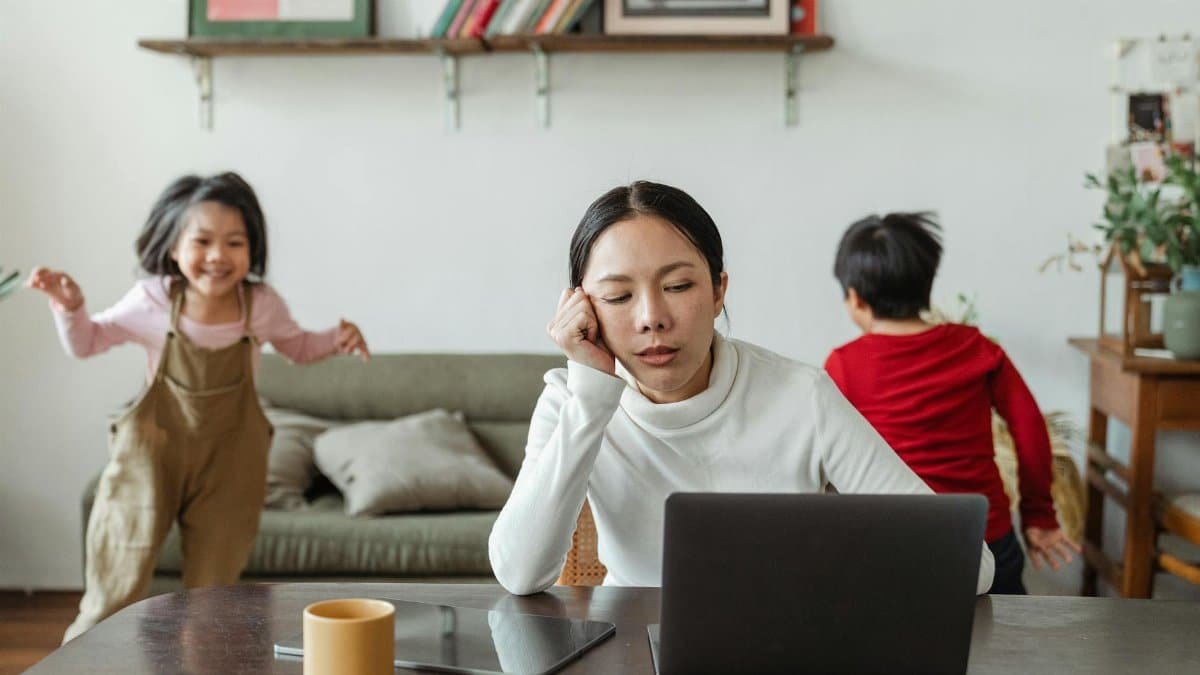
Despite its promise, sound relaxation healing faces skepticism. Critics dismiss it as pseudoscience, questioning its efficacy beyond placebo effects. Addressing this, practitioners emphasize the need for evidence based approaches, blending intuition with research.
In Houston, access remains a barrier for some. Not all neighborhoods have affordable options, leading to disparities in who benefits. One community organizer noted the push for inclusive programs, aiming to bring sessions to underserved areas.
Misconceptions abound, like the idea that it’s only for the spiritually inclined. In reality, it’s grounded in acoustics and physiology. A review in the Journal of Alternative and Complementary Medicine clarifies these points, showing measurable brainwave changes.Journal of Alternative and Complementary Medicine Review provides a balanced view, acknowledging both strengths and limitations.
Navigating these challenges requires open dialogue, ensuring the practice evolves responsibly.
Personal Stories of Transformation

Stories bring the data to life. Take the account of a Houston engineer who stumbled into a sound healing workshop after a particularly tough project. Initially doubtful, he emerged feeling lighter, with a renewed sense of clarity that carried into his workweek.
Such narratives are common. Another involves a group of office colleagues who organized monthly sessions, fostering team bonds alongside individual relief. These anecdotes illustrate how sound relaxation healing fosters not just personal wellness, but communal support.
Reflecting broader patterns, these experiences align with findings from wellness surveys. The Substance Abuse and Mental Health Services Administration highlights how integrative therapies aid in stress management.SAMHSA Mental Health Resources connect users to similar supportive practices, underscoring their role in everyday resilience.
Looking Ahead in Houston’s Wellness Landscape

As 2025 approaches, Houston’s embrace of sound relaxation healing seems set to deepen. With more employers prioritizing mental health, expect integrations like on site sound rooms or virtual access.
This shift mirrors national movements toward holistic care. Yet, it raises questions about sustainability, ensuring practices remain authentic amid commercialization.
Ultimately, the rise points to a collective yearning for balance in a hectic world. By tuning into sound’s subtle power, Houston employees might just find the harmony they’ve been seeking.
Integrating Science and Tradition

At its core, sound relaxation healing merges empirical evidence with age old wisdom. Neuroscientists study how frequencies affect brain activity, revealing pathways to relaxation that complement medical treatments.
In Houston clinics, some therapists pair it with cognitive behavioral techniques, creating hybrid models. This fusion appeals to those wary of purely alternative paths.
A study from Harvard Medical School explores these intersections, noting potential for adjunct therapy in stress disorders.Harvard Health on Relaxation Techniques discusses sound’s role in modulating the stress response, offering a scientific lens on its benefits.
This blend ensures the practice’s relevance, adapting to diverse needs while honoring its heritage.
Community Impact and Broader Implications

Beyond individuals, sound healing influences communities. In Houston, public events draw crowds, building social ties through shared experiences.
Think of neighborhood parks hosting free sessions, where strangers connect over resonant tones. This communal aspect amplifies its healing potential, addressing isolation in urban settings.
Policy makers take note. Initiatives to fund wellness programs could expand access, aligning with public health goals. The Centers for Disease Control and Prevention tracks such trends in community health.CDC Stress and Coping Resources emphasize innovative approaches like sound therapy in promoting population wide well being.
As adoption grows, its ripple effects could redefine how cities like Houston approach collective mental health.