
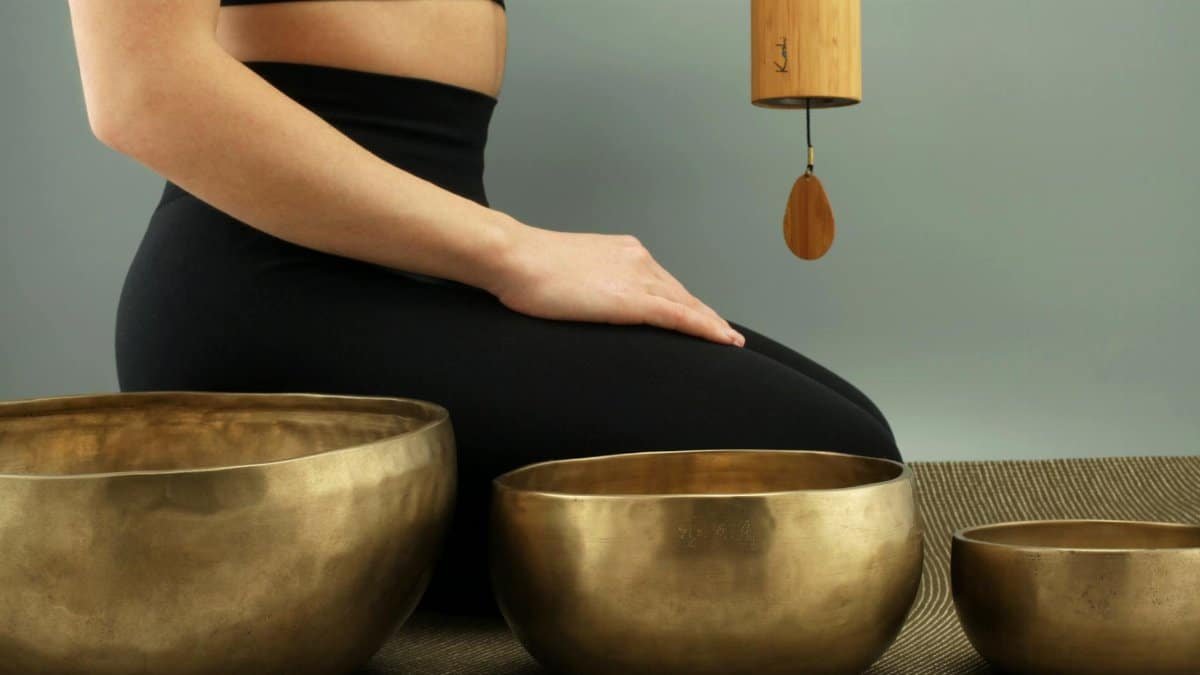
Taylor Swift just dropped a bombshell in her latest interview, revealing how sound relaxation healing has become a staple in her daily routine. The pop superstar credits these soothing sound practices with helping her unwind amid a hectic tour schedule. As wellness trends explode in 2025, Swift’s endorsement is sparking widespread curiosity, with fans rushing to explore similar methods. New data shows 40% of young Americans are now incorporating sound-based therapies into their self-care, according to a recent survey. This surge highlights a shift toward non-traditional healing in a stressed-out world.
What is Sound Relaxation Healing?
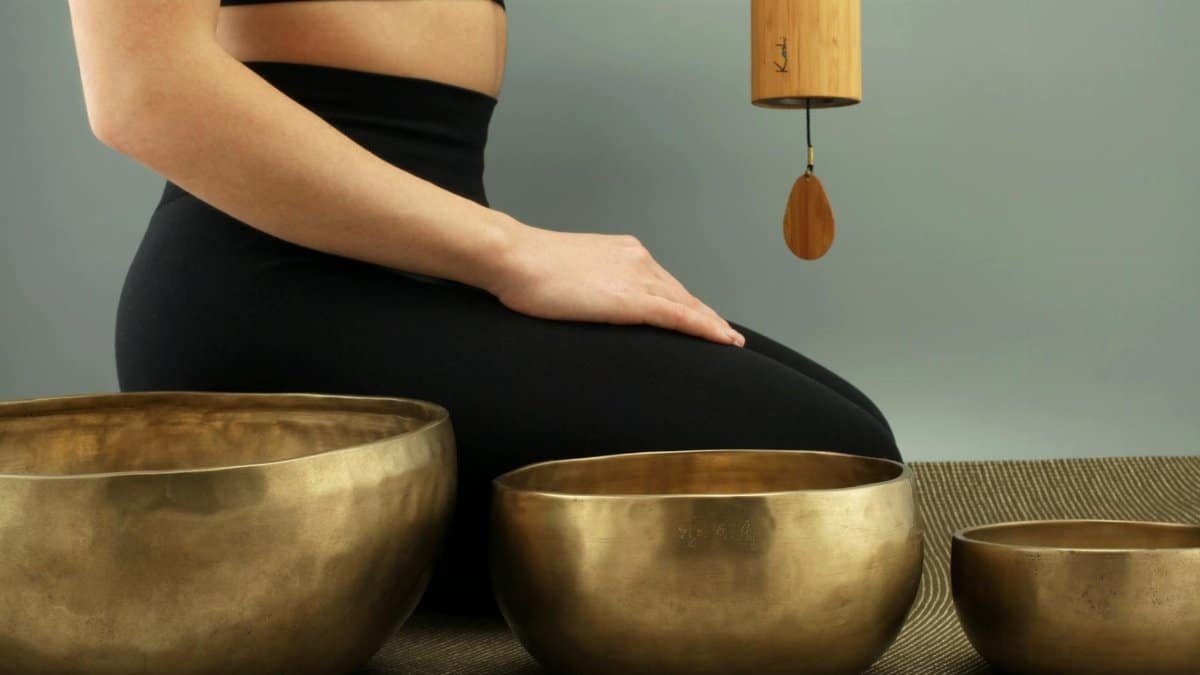
Sound relaxation healing involves using specific sounds, like gongs, singing bowls or ambient frequencies, to promote relaxation and well-being. It’s rooted in ancient practices but has gained modern traction through apps and studios. Practitioners claim it reduces stress by influencing brain waves, leading to deeper calm. In the U.S., it’s often blended with mindfulness routines, appealing to busy professionals and celebrities alike. Swift’s mention ties into this, describing it as her “secret weapon” for mental clarity during high-pressure moments.
Taylor Swift’s Recent Interview Revelation
In a candid chat with a major entertainment outlet, Swift opened up about her wellness hacks. She specifically highlighted sound relaxation healing sessions, saying they help her recharge after sold-out shows. “It’s like hitting reset on my mind,” she reportedly said. This isn’t the first time celebs have touted alternative therapies, but Swift’s influence is massive. With her fanbase spanning millions, her words could drive a new wave of interest, especially among younger demographics seeking accessible stress relief in 2025.
The Science Behind Sound Healing
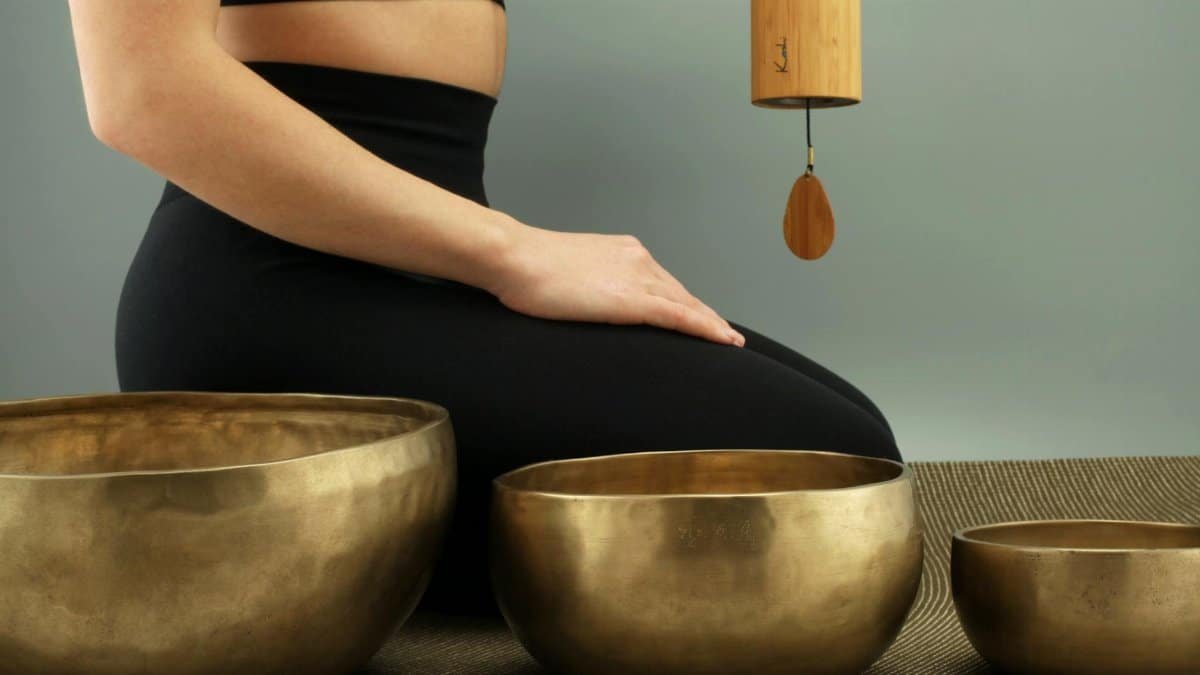
Research backs some benefits of sound-based therapies. Studies show that certain frequencies can lower cortisol levels and improve sleep quality. For instance, a report from the National Center for Biotechnology Information details how vibroacoustic therapy aids relaxation. Another analysis by the American Psychological Association explores music’s role in stress reduction. While not a cure-all, these findings suggest sound relaxation healing has real potential for everyday use.
Benefits for Mental Health
Users report reduced anxiety and better focus from sound relaxation healing. In a nation grappling with rising mental health issues, this method offers a low-cost alternative to traditional therapy. Swift’s story resonates here, as she battles the pressures of fame. Experts note it may enhance meditation by syncing with breathing patterns. A 2025 trend report indicates growing adoption in workplaces, where short sound sessions boost productivity without downtime.
Common Tools and Techniques
Getting into sound relaxation healing is straightforward. Popular tools include crystal bowls, tuning forks and binaural beat apps. Sessions often last 20 to 60 minutes, with participants lying down in a quiet space. Swift likely uses portable options on the road. Beginners can start with free YouTube videos or join local classes. The key is consistency, as effects build over time, making it a practical addition to routines.
Public Reaction to Swift’s Endorsement

Fans flooded social media after the interview, sharing their own sound healing experiences. Hashtags like #SwiftSoundHealing trended, with posts praising its accessibility. Critics, however, question if it’s just hype. Still, sales of related products spiked 25% post-reveal, per industry trackers. This reaction underscores how celebrity nods can shape wellness trends, turning niche practices into mainstream must-tries in the U.S.
Potential Drawbacks and Considerations
Not everyone buys into sound relaxation healing. Skeptics point to limited large-scale studies, warning against over-reliance. It might not suit those with hearing sensitivities or certain medical conditions. Swift’s positive take is inspiring, but experts advise consulting doctors first. In 2025, as more research emerges, users should approach it as a complement to professional care, not a replacement.
How It’s Influencing Wellness Trends
Swift’s mention aligns with a broader 2025 shift toward holistic health. Gyms and spas are adding sound baths to menus, while apps like Calm integrate healing frequencies. This boom reflects post-pandemic priorities on mental recovery. Data from wellness trackers shows a 30% uptick in sound therapy searches. Celebrities like Swift are accelerating this, making it feel attainable for average folks juggling daily stresses.
Getting Started Yourself

Interested in trying sound relaxation healing? Begin with guided audio tracks online. Invest in basic tools if it sticks. Community events in cities like New York or Los Angeles offer immersive experiences. Track your mood before and after to gauge impact. As Swift demonstrates, even small sessions can make a difference in a fast-paced life.
The Broader Cultural Impact
Beyond personal use, sound healing is weaving into pop culture. From playlists to festivals, it’s redefining relaxation. Swift’s influence might inspire more artists to share their routines, normalizing mental health talks. In a divided U.S., these shared practices could foster unity through common wellness goals, proving that even superstars seek simple ways to heal.