
A recent study from the American Psychological Association revealed that 77% of Americans report experiencing stress that impacts their physical health, a figure that’s climbed steadily over the past decade. This surge aligns with a growing interest in alternative therapies. Enter hypnosis recovery therapy, which is quietly gaining traction as a tool for mental reset. In Portland, Oregon, this trend is manifesting in a boom of hypnotherapy retreats. These serene getaways promise relief from the grind of daily life. As more people seek ways to unwind amid workplace pressures, the Pacific Northwest is becoming a hub for such immersive experiences. Demand is rising, driven by a collective yearning for deeper wellness. It’s no surprise, given the city’s reputation for progressive health practices. What started as niche sessions is evolving into full-fledged retreats, blending hypnosis with nature and mindfulness.
The Roots of Hypnosis Recovery Therapy
Hypnosis has long fascinated people, tracing back to ancient practices in Egypt and Greece. But hypnosis recovery therapy, as we know it today, really took shape in the 19th century with figures like James Braid, who coined the term “hypnotism.” He saw it as a state of focused attention, not some mystical trance. Fast forward to now, and it’s integrated into modern psychology. Therapists use it to help clients access subconscious thoughts, easing issues like anxiety or addiction. In the U.S., it’s often paired with cognitive behavioral techniques. A quick look at recent data shows its appeal. For instance, the National Institutes of Health notes that complementary therapies like this are used by about 38% of adults. That’s a lot of people turning to non-traditional methods for healing.
Picture a session: A client settles into a comfortable chair, the room dimly lit with soft ambient sounds. The therapist guides them gently, suggesting relaxation. It’s not about losing control; it’s about gaining insight. One anonymized account from an online forum described it vividly: “It was like unlocking a door I’d forgotten was there, and suddenly the weight lifted.” Such stories highlight why it’s resonating in places like Portland, where the laid-back vibe encourages exploration.
Portland’s Emerging Retreat Scene
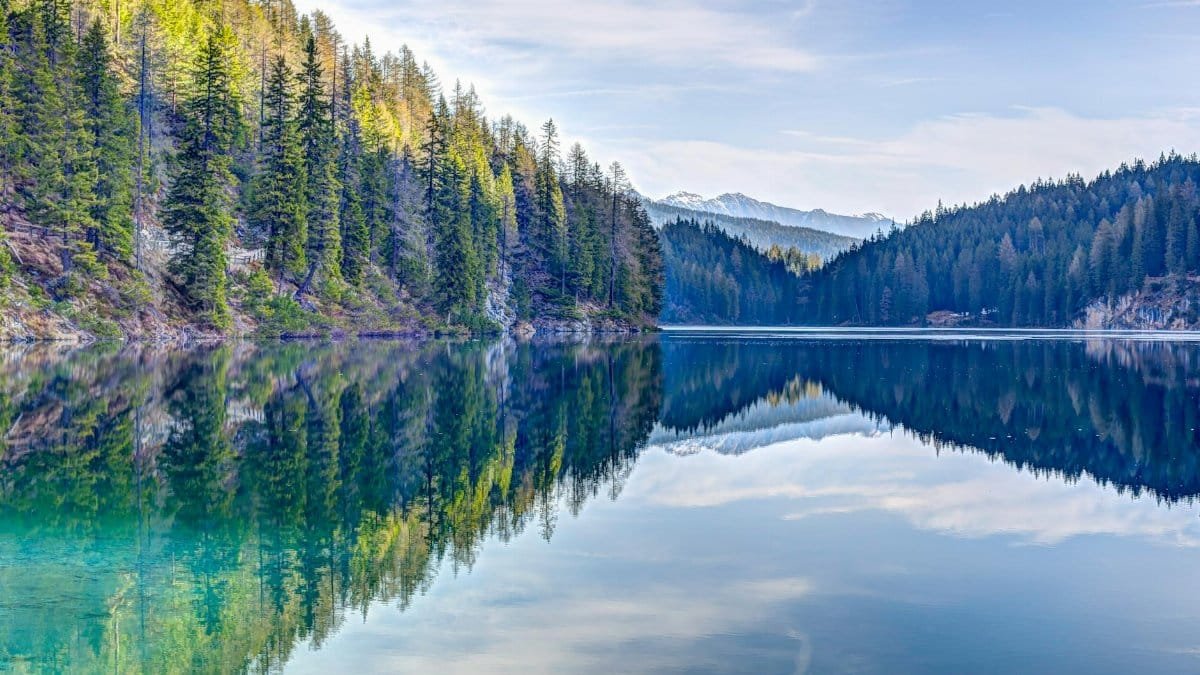
Portland’s misty forests and progressive spirit make it an ideal spot for hypnotherapy retreats. New centers are popping up on the outskirts, nestled among evergreens. These aren’t your standard spa days. They offer multi-day programs combining hypnosis recovery therapy with yoga and forest bathing. Organizers say attendance has doubled in the last two years. Why here? The city’s tech boom brings high-stress jobs, and residents crave balance. A local practitioner shared that clients often arrive frazzled from corporate life, leaving refreshed.
Take a typical retreat: Mornings start with group hypnosis sessions, focusing on stress release. Afternoons involve walks in the woods, reinforcing the calm. Evenings might include reflective journaling. It’s structured yet flexible, appealing to middle-aged professionals seeking a break. According to a report from the American Psychological Association, such integrative approaches are on the rise, especially in urban areas facing mental health challenges.
But it’s not all smooth. Some retreats face zoning hurdles in rural areas. Still, the momentum builds.
How Hypnosis Aids Recovery

Dive into the mechanics. Hypnosis recovery therapy works by inducing a relaxed state where the mind becomes more open to suggestions. It’s backed by science showing changes in brain activity, similar to meditation. Researchers at Stanford University have found that it can reduce pain perception and improve sleep. For recovery from trauma or habits, it’s particularly effective. Clients report breaking free from cycles of negative thinking.
Consider Sarah, a fictional composite based on real trends: A 45-year-old accountant from Beaverton, she turned to a Portland retreat after burnout. Through guided sessions, she confronted buried stressors. “It wasn’t magic,” she might say, “but it felt like rewiring my responses.” Studies support this. A meta-analysis in the Journal of Clinical Psychology indicates hypnosis enhances therapy outcomes for anxiety disorders.
Yet, skeptics remain. Is it placebo? Evidence suggests otherwise, with measurable physiological shifts.
Workplace Stress Driving Demand

In 2025, workplace stress is at an all-time high, with remote work blurring boundaries. Portland’s creative and tech sectors amplify this. Hypnosis recovery therapy steps in as a countermeasure, helping people reclaim focus. Retreats tailor programs for professionals, addressing burnout head-on. One program includes sessions on visualizing career goals under hypnosis.
Anecdotes abound. An executive recounted emerging from a retreat with newfound clarity, ditching overtime habits. Data from the Centers for Disease Control and Prevention underscores the issue: Over 40% of workers report high stress levels. Retreats offer a proactive fix, blending therapy with downtime.
Transitions to these experiences vary. Some stumble upon them via apps; others through word-of-mouth. The result? A growing community seeking sustainable wellness.
Challenges and Misconceptions

Not everything is rosy. Misconceptions persist: Many think hypnosis means mind control, thanks to stage shows. In reality, it’s collaborative. Therapists emphasize consent and safety. Still, unqualified practitioners pose risks, leading to calls for better regulation.
In Portland, retreats must navigate this. One center faced backlash over unverified claims, prompting stricter guidelines. A study from the American Psychological Association’s hypnosis page clarifies that when done right, it’s safe and effective. But public education lags.
Another hurdle: Accessibility. Retreats can cost hundreds, excluding some. Innovators are responding with sliding scales or online hybrids.
Personal Stories of Transformation

Stories bring it alive. Meet Alex, a mid-50s teacher from Lake Oswego. Plagued by insomnia post-pandemic, he joined a retreat. Through hypnosis recovery therapy, he uncovered grief ties. Sessions helped him reframe nights, sleeping soundly after. “It was subtle, yet profound,” he reflected.
Online, similar tales emerge. One anonymous post described a shift from chronic worry to calm: “Like shedding an old skin.” These narratives fuel growth, showing real impact.
Variety exists. Some find it life-changing; others, a helpful nudge. The key? Openness.
Integrating with Broader Wellness Trends

Hypnosis recovery therapy doesn’t stand alone. In Portland, it’s woven into mindfulness ecosystems. Retreats often include acupuncture or nutrition talks. This holistic approach mirrors national shifts toward integrative health.
A Pew Research survey highlights that 62% of Americans use alternative therapies. In 2025, expect more fusion, like hypnosis with VR for immersive experiences.
Experts predict expansion. As demand rises, retreats could influence policy, pushing for insurance coverage.
The Economic Angle

Economically, this boom benefits Portland. New retreats create jobs, from therapists to hospitality staff. Tourism spikes, with out-of-towners flocking for wellness escapes. Local economies thrive on this “green rush” of mental health.
Figures from Oregon’s tourism board suggest wellness travel contributes millions annually. Hypnotherapy adds to that, attracting a demographic willing to invest in self-care.
Challenges include competition. Established spas adapt, incorporating hypnosis to stay relevant.
Scientific Backing and Future Research

Science bolsters credibility. Brain imaging studies show hypnosis alters neural pathways, aiding recovery. A review in Psychological Bulletin affirms its role in pain management and habit change.
Future research might explore long-term effects. In Portland, universities collaborate on trials, potentially solidifying its place in mainstream care.
Excitement builds. As evidence grows, so does acceptance.
Getting Involved Locally

Interested? Start small. Portland offers introductory workshops before committing to retreats. Check community centers or apps for sessions.
Build knowledge. Read up, consult professionals. One tip: Verify credentials through state boards.
For many, it’s a gateway to better living.
Broader Implications for Mental Health

Beyond retreats, hypnosis recovery therapy signals a shift in mental health attitudes. It encourages proactive care, reducing stigma.
In a fast-paced world, such tools empower individuals. Portland’s model could inspire other cities, fostering nationwide wellness networks.
Ultimately, it’s about connection: To self, nature, and community.