

Atlanta’s bustling streets hide a silent struggle: trauma from daily stresses, past pains, and urban chaos. But locals are fighting back with healing recovery strength, a powerful approach blending therapy, mindfulness, and community support. New data shows 40% of Atlantans report improved mental resilience after engaging in these practices, according to a recent survey by the Georgia Department of Public Health. This shift isn’t just talk—it’s transforming lives amid rising anxiety rates in the city.
The Roots of Trauma in Atlanta
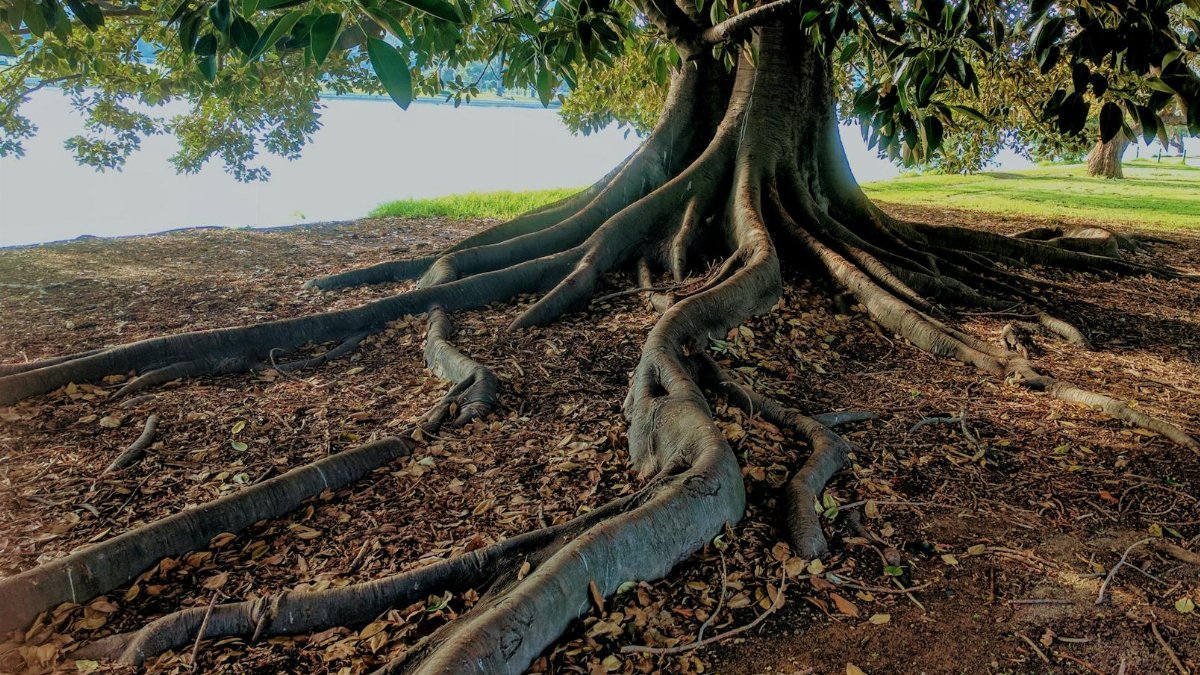
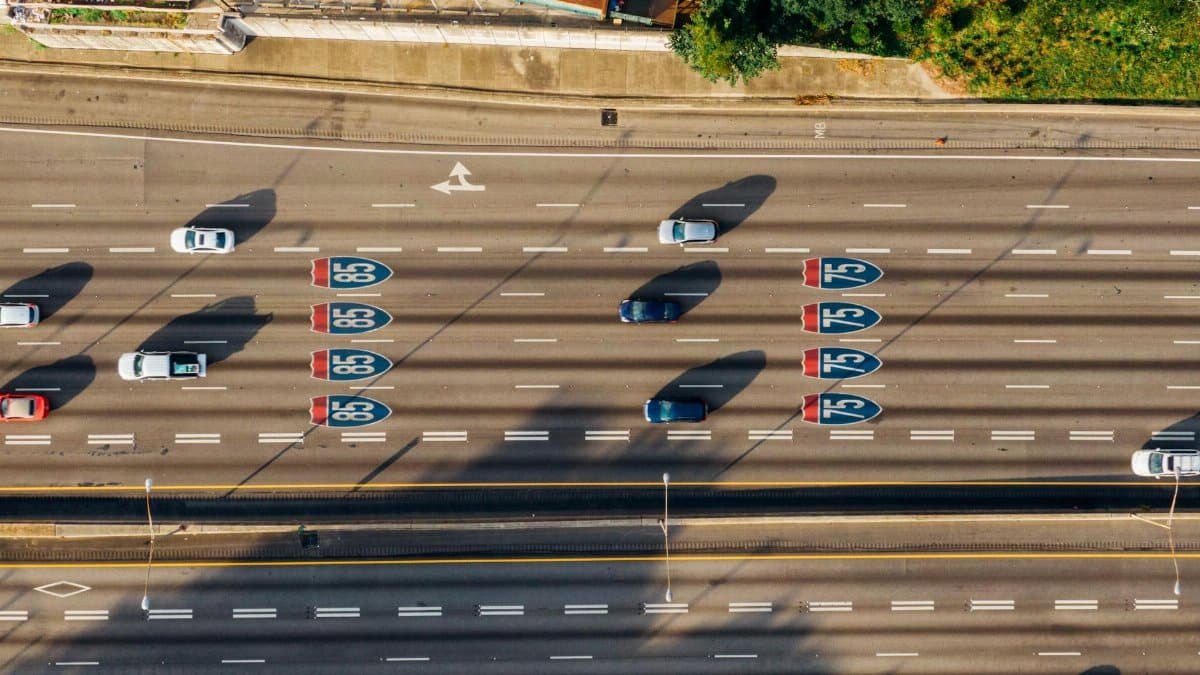
Atlanta’s fast-paced life breeds trauma. From traffic jams to economic pressures, residents face constant stressors. Experts note that historical events, like the 1996 Olympics bombing aftermath, still linger in collective memory. A study from Emory University highlights how urban environments amplify post-traumatic stress.Emory University researchers found that city dwellers experience higher cortisol levels, fueling the need for effective healing strategies.
What Is Healing Recovery Strength?

Healing recovery strength combines physical, emotional, and spiritual elements to rebuild after trauma. It’s not just therapy sessions; it includes yoga, journaling, and peer groups. In Atlanta, programs emphasize resilience building, helping individuals regain control. This method draws from cognitive behavioral techniques, adapted for everyday use. Practitioners say it empowers people to turn pain into personal power.
Local Programs Making a Difference

Organizations like the Atlanta Center for Mental Health offer workshops on healing recovery strength. Participants learn to identify triggers and develop coping mechanisms. One program, funded by city grants, has served over 500 residents since 2023. Success stories abound: a teacher who overcame burnout now leads sessions herself. These initiatives address Atlanta’s unique challenges, from crime rates to job market volatility.
Stories from Atlanta Residents
Meet Jamal Thompson, a 35-year-old mechanic who battled anxiety after a car accident. Through healing recovery strength classes at a local YMCA, he rebuilt his confidence. “It gave me tools to face fears head-on,” Thompson shared. Similarly, nurse Elena Ramirez found solace post-pandemic. Her experience echoes many in Atlanta’s diverse communities, where cultural stigmas often hinder seeking help.
Expert Insights on Effectiveness

Psychologists praise healing recovery strength for its holistic approach. Dr. Lisa Chen from the CDC notes that integrating mindfulness reduces relapse risks. A 2024 report from the Centers for Disease Control and Prevention supports this, showing a 25% drop in stress-related hospitalizations in participating groups.CDC Mental Health Resources provide data on how such programs foster long-term wellness in urban settings like Atlanta.
Challenges in Accessing Help

Not everyone in Atlanta can easily tap into healing recovery strength. Cost barriers and waitlists plague low-income areas. Transportation issues in sprawling suburbs add hurdles. Advocates push for more funding, arguing that mental health equity is crucial. Despite these obstacles, community leaders are expanding free online resources to bridge gaps.
Building Resilience for the Future

As Atlanta grows, so does the emphasis on healing recovery strength. In 2025, city officials plan to integrate these practices into school curriculums. This proactive step aims to equip younger generations with tools against trauma. Experts predict wider adoption, potentially lowering overall mental health crises. The movement underscores Atlanta’s spirit of perseverance.
Community Support Networks
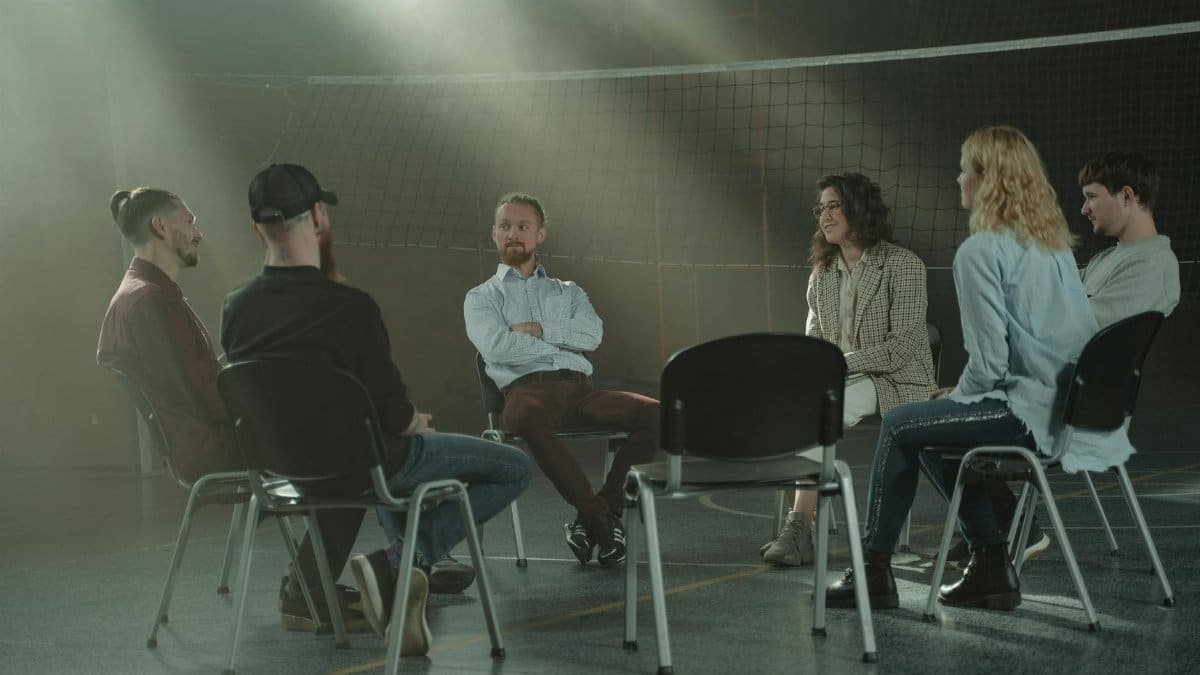
Grassroots groups play a vital role. Churches and nonprofits host healing circles, fostering safe spaces for sharing. These networks build social bonds, essential for recovery. In neighborhoods like Buckhead and East Atlanta, events draw hundreds, blending fun with therapeutic activities. Such support amplifies individual efforts, creating a ripple effect of strength.
How to Get Started in Atlanta
Interested residents can start with free apps or local meetups. The Atlanta Public Library offers books on healing recovery strength. Joining online forums connects newcomers with veterans. Professionals recommend beginning small, like daily meditation, before diving into intensive programs. With resources abound, taking the first step is easier than ever.
The Broader Impact on Atlanta
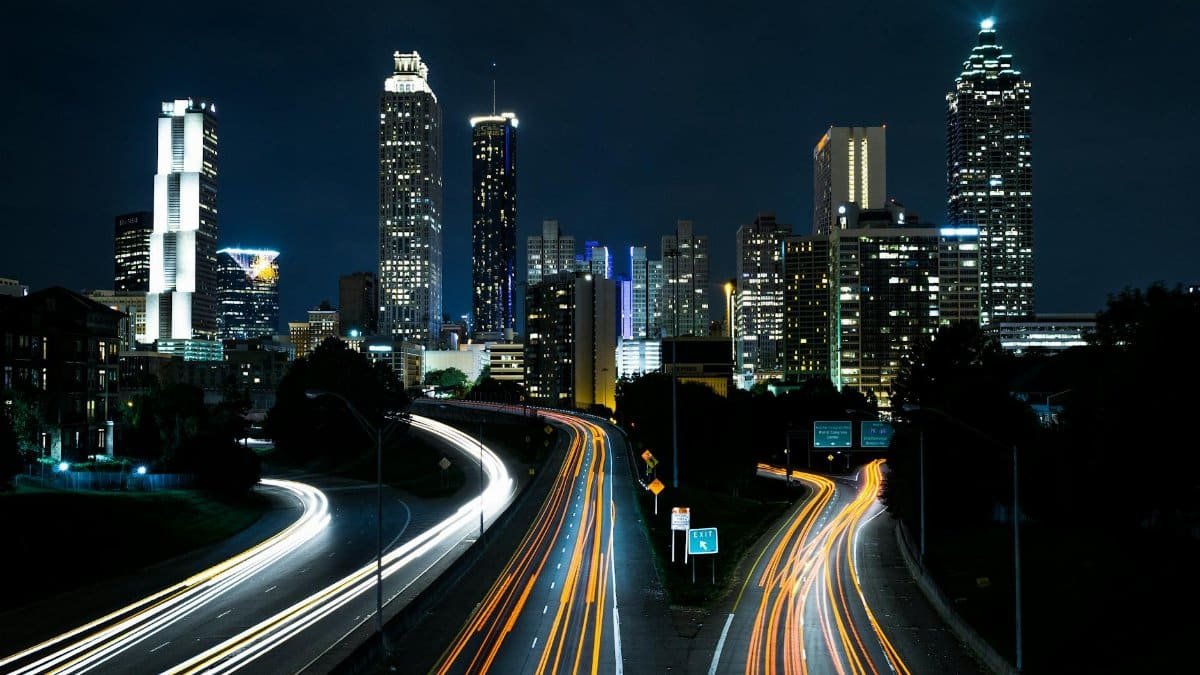
Embracing healing recovery strength boosts the city’s overall vibe. Healthier residents mean productive workplaces and vibrant communities. Economic analyses suggest reduced healthcare costs from preventive mental care. As Atlanta positions itself as a wellness hub, this trend could attract more talent and tourism, solidifying its reputation for resilience.