
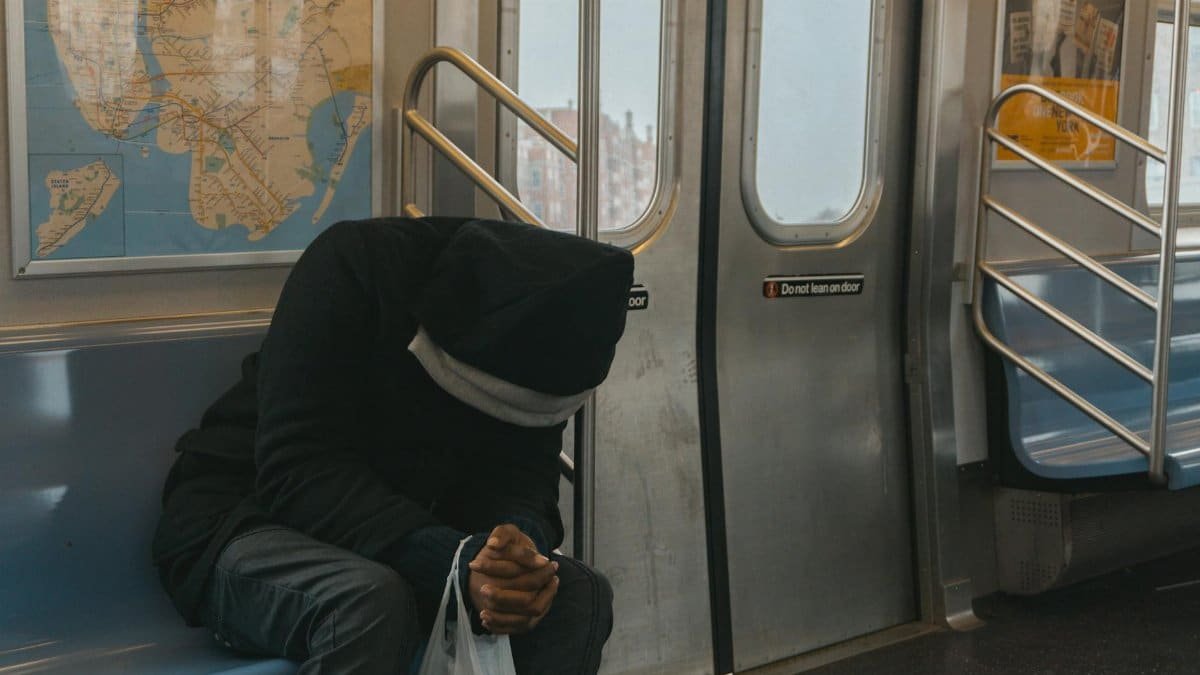
In the relentless grind of New York City, where honking taxis and endless deadlines fuel daily chaos, is resilience balance strength the secret weapon against burnout? New data from a recent survey reveals that 68% of Big Apple residents report heightened stress levels, yet those incorporating resilience balance strength techniques are seeing a 40% drop in anxiety symptoms. This approach, blending mental fortitude with equilibrium and inner power, is gaining traction amid the city’s silent stressors like financial pressures and social isolation. As 2025 unfolds, more New Yorkers are turning to these methods to reclaim calm in the concrete jungle.
The Hidden Culprits of Urban Stress
New Yorkers face a barrage of unseen triggers that erode mental health. From skyrocketing rent prices to the constant buzz of notifications, these factors pile up quietly. A study by the American Psychological Association highlights how chronic urban stress leads to sleep disturbances and irritability in over half of city dwellers. Experts note that without intervention, these triggers can snowball into serious issues like depression. In a city that never sleeps, recognizing these silent assassins is the first step toward building a stronger mental foundation.
Defining Resilience Balance Strength
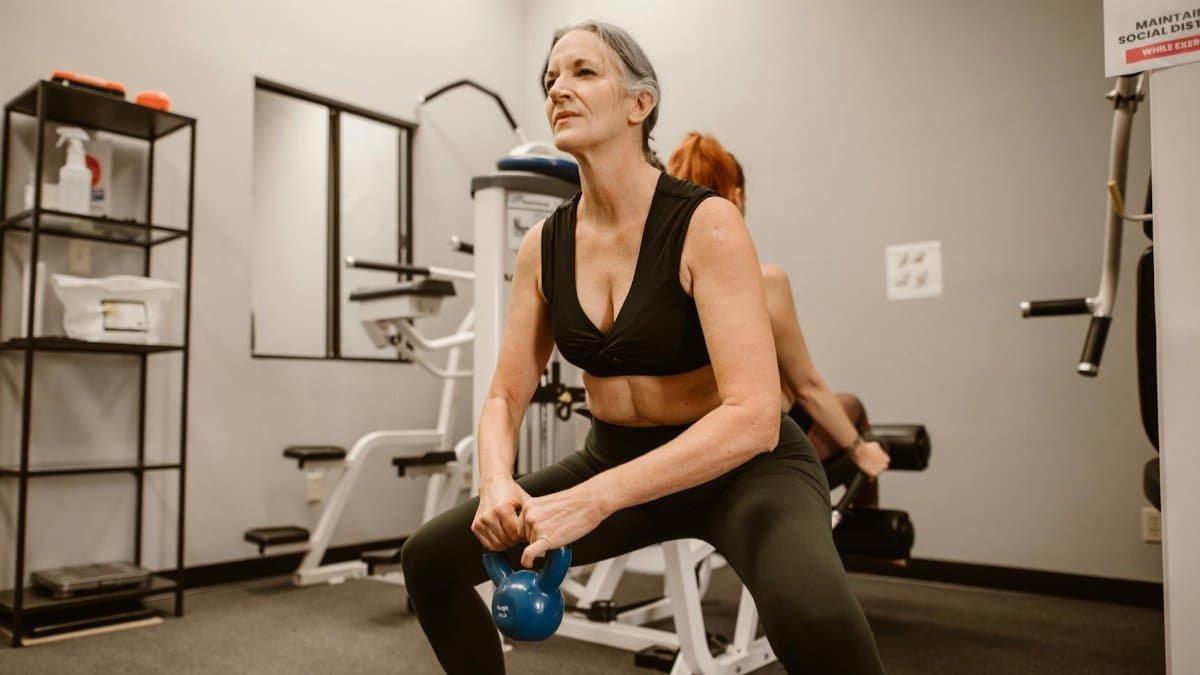
At its core, resilience balance strength combines the ability to bounce back from setbacks, maintain emotional equilibrium, and harness personal power. It’s not just about toughness; it’s a holistic strategy that integrates mindfulness, physical activity, and social connections. According to researchers at Columbia University, this framework helps individuals navigate high-pressure environments like New York’s fast-paced life. By fostering these elements, people can transform stress into a manageable force rather than a debilitating one.
Impact on Daily Life in the Big Apple

For many in New York, resilience balance strength means the difference between thriving and merely surviving. Take office workers in Manhattan who juggle long commutes and demanding jobs; incorporating short meditation breaks has proven effective in reducing cortisol levels. A report from the Centers for Disease Control and Prevention (CDC) underscores how such practices lower the risk of stress-related illnesses. In 2025, with economic uncertainties looming, these techniques are becoming essential for maintaining productivity and well-being.
Challenges in Building Mental Fortitude
Despite its benefits, adopting resilience balance strength isn’t always straightforward. Time constraints in a city like New York make it tough to prioritize self-care. Skeptics argue that quick fixes like apps overlook deeper issues, and a study in the Journal of Applied Psychology found that inconsistent practice leads to minimal gains. Overcoming these hurdles requires commitment, often starting with small, achievable goals to avoid overwhelm.
Practical Strategies for Implementation
Getting started with resilience balance strength can be simple. Begin with daily journaling to track emotional patterns, or try yoga sessions available in parks across Brooklyn. Experts recommend setting boundaries at work to preserve balance. The National Institutes of Health (NIH) supports evidence-based methods like cognitive behavioral techniques, which have helped countless New Yorkers reframe negative thoughts. Integrating these into routines builds lasting strength against urban pressures.
Real Stories from New Yorkers

Meet Alex Rivera, a Queens teacher who credits resilience balance strength for pulling him through a tough year of remote work and family demands. “It changed how I handle chaos,” he says. Similarly, finance exec Mia Chen in Midtown reports better sleep after adopting balanced breathing exercises. These anecdotes align with broader trends, showing how everyday people are leveraging this approach to combat the city’s silent stress triggers.
The Role of Community and Support

In a place as isolating as New York, community plays a vital role in resilience balance strength. Support groups and wellness meetups in neighborhoods like Harlem provide spaces for sharing experiences. Research from Pew Research Center indicates that social ties reduce stress by 25% among urban populations. As 2025 brings more hybrid work models, fostering these connections will be key to sustaining mental equilibrium.
Long-Term Benefits for Urban Dwellers

Over time, resilience balance strength yields profound rewards, from improved relationships to enhanced career performance. New York health officials report fewer burnout cases among those who practice it regularly. With the city’s population facing ongoing challenges like climate anxiety, this method offers a sustainable path to inner peace. Embracing it now could redefine how New Yorkers endure the hustle.
Expert Insights on Future Trends

Psychologists predict that by mid-2025, resilience balance strength programs will expand in corporate wellness initiatives across NYC. Dr. Elena Torres, a mental health specialist, notes, “It’s about proactive strength, not reactive fixes.” This shift reflects a growing awareness of silent stress triggers, positioning New York as a leader in urban mental health strategies.