

In a surprising twist, recent surveys reveal that 35% of Americans report chronic unhappiness due to rigid daily routines, but the energy flexibility movement is flipping the script. This emerging trend emphasizes adapting personal energy flows through mindful practices like yoga and meditation to combat stress and boost resilience. Originating from wellness circles in cities like Houston, it’s gaining traction as people seek ways to break free from habits that drain joy. Simply put, the energy flexibility movement is about tuning into your body’s energy rhythms for greater emotional agility, and it’s making waves in 2025 by helping folks reclaim their happiness.
What Is the Energy Flexibility Movement?

The energy flexibility movement isn’t just another wellness fad—it’s a practical approach to managing life’s ups and downs. At its core, it involves recognizing and adjusting your internal energy states to handle stress better. Think of it as yoga meets modern psychology: practitioners use breathing exercises and gentle movements to shift from rigid patterns to more fluid responses. In Houston, where high-stress jobs in oil and tech dominate, locals are turning to this method to stay grounded. Experts say it’s rooted in ancient traditions but updated for today’s fast-paced world, promoting mental clarity without the fluff.
Habits That Rigidify Your Energy
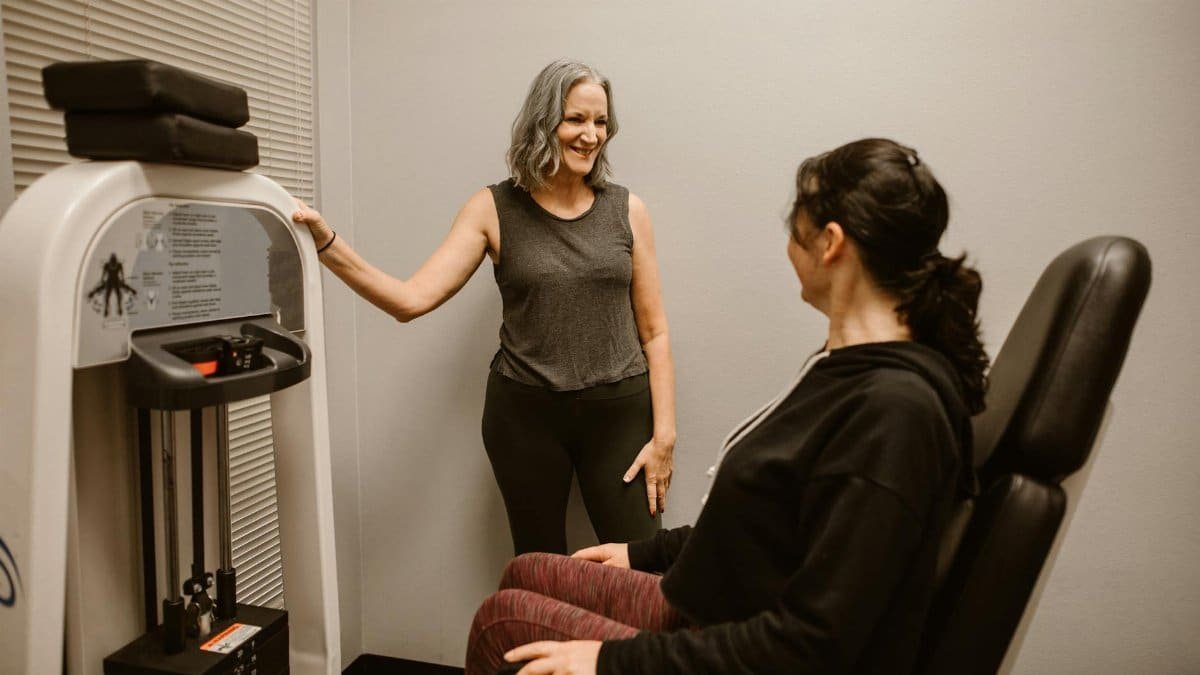
Many everyday routines quietly sabotage happiness by locking energy into unhelpful patterns. For instance, scrolling endlessly on social media creates mental clutter, preventing flexible thinking. Or consider skipping breaks during work— it builds tension that stiffens both body and mind. The energy flexibility movement highlights how these habits trap us in cycles of fatigue and frustration. A study from the American Psychological Association notes that such rigidity contributes to burnout in over 40% of workers. Breaking them starts with awareness, like pausing to breathe deeply instead of pushing through exhaustion.
The Role of Yoga in Building Flexibility
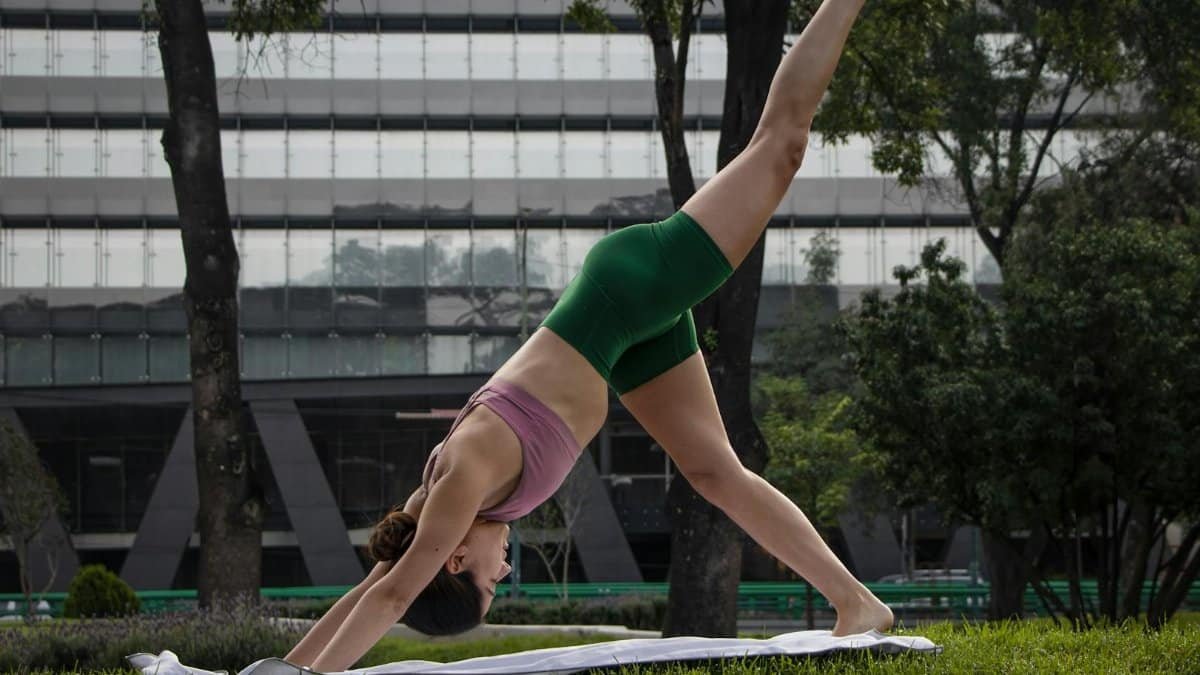
Yoga stands out as a cornerstone of the energy flexibility movement, especially in places like Houston where community classes are booming. Poses that emphasize flow, such as sun salutations, help release pent-up energy and foster adaptability. Participants report feeling more resilient to daily stressors, from traffic jams to family demands. According to a report from the National Institutes of Health, yoga practices reduce cortisol levels, directly aiding emotional balance. In 2025, Houston studios are seeing a surge in enrollments, as people ditch rigid gym routines for these dynamic sessions.
Common Challenges in Adopting Flexible Energy Practices
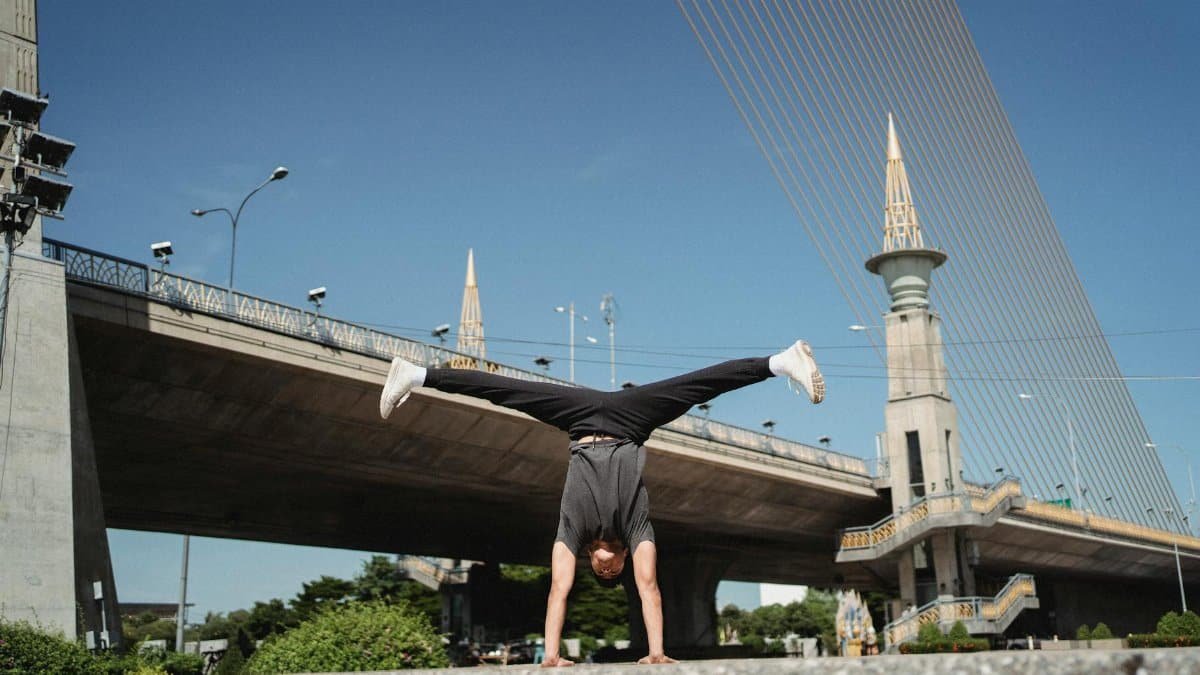
Jumping into the energy flexibility movement isn’t always smooth. Beginners often struggle with consistency, mistaking it for another strict regimen. Distractions like busy schedules in urban hubs like Houston can derail efforts, leading to frustration. Another hurdle: skepticism from those who view it as pseudoscience. Yet, overcoming these involves starting small—maybe five minutes of mindful movement daily. Wellness coaches emphasize patience, noting that true flexibility comes from gradual shifts, not overnight transformations. Addressing these challenges head-on can turn skeptics into advocates.
Impact on Daily Resilience and Calm

The real payoff of the energy flexibility movement shows in everyday life. Users in Houston describe handling work pressures with newfound calm, avoiding the emotional crashes from rigid habits. By tuning into energy signals—like noticing when fatigue sets in—people make smarter choices, such as opting for a walk over caffeine. Research from the Centers for Disease Control and Prevention links such practices to lower anxiety rates, with flexible routines correlating to better sleep and mood. In 2025, this movement is empowering individuals to navigate uncertainties with grace, turning potential sabotage into strength.
Real-Life Stories from Houston Practitioners
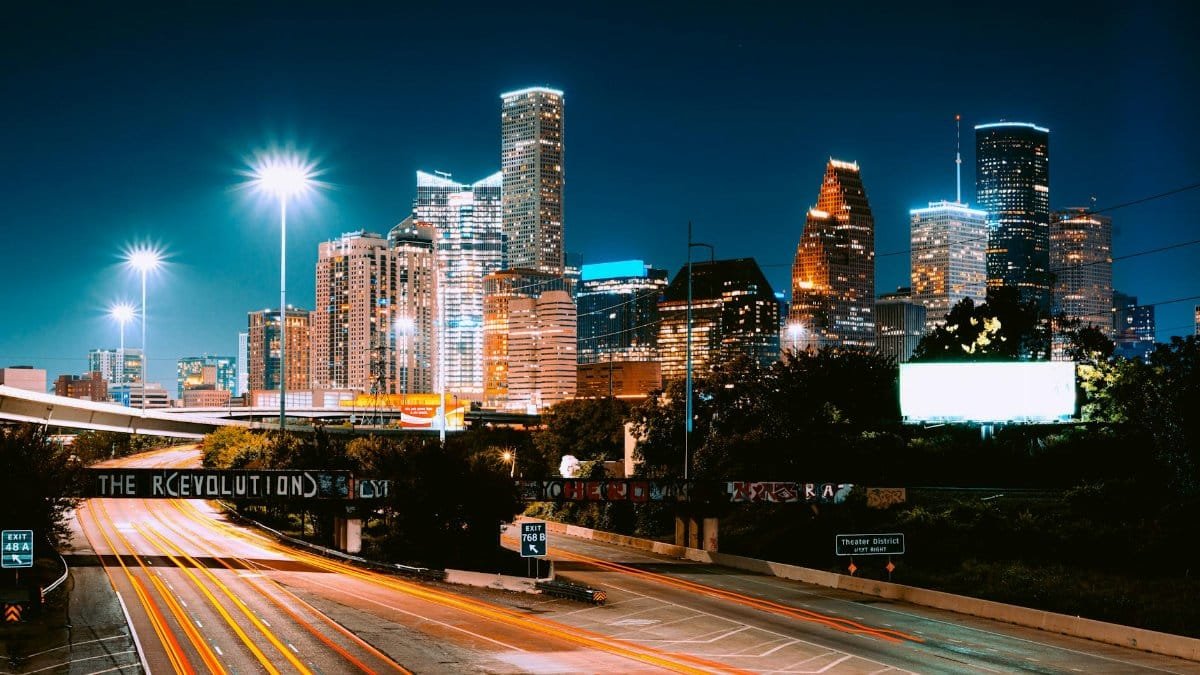
Take Mike Ramirez, a Houston engineer who once let work stress dictate his days. After joining the energy flexibility movement through local yoga groups, he swapped rigid schedules for adaptive breaks, reclaiming his evenings for family. “It was like unlocking a hidden reserve,” he says. Similarly, teacher Lisa Chen found that flexible energy techniques helped her manage classroom chaos without burnout. These anecdotes echo broader trends: in Texas’s bustling scenes, the movement is fostering communities where sharing experiences builds collective resilience, proving that small habit tweaks can yield big happiness gains.
Practical Steps to Get Started

Ready to ditch habits sabotaging your happiness? Begin with the energy flexibility movement’s basics: assess your daily energy patterns by journaling highs and lows. Incorporate simple yoga flows, focusing on breath to release tension. Set flexible goals, like meditating when stressed instead of forcing routines. Houston offers free community sessions, making it accessible. Track progress weekly to see improvements in calm and resilience. Remember, the key is adaptability—not perfection. As more adopt these steps in 2025, the movement promises widespread benefits for mental wellness.
Broader Implications for Wellness Trends

Beyond personal gains, the energy flexibility movement is reshaping U.S. wellness landscapes. In cities like Houston, it’s influencing corporate programs, with companies adding flexible break policies to combat employee burnout. This ties into national shifts toward holistic health, where rigidity gives way to flow. Data from Pew Research indicates growing interest in mind-body practices, up 15% since 2020. As 2025 unfolds, expect this movement to integrate with tech, like apps tracking energy states, further sabotaging outdated habits and promoting sustained happiness across diverse groups.
Potential Drawbacks and How to Avoid Them
While promising, the energy flexibility movement has pitfalls. Overdoing it can lead to inconsistency, where people abandon efforts after initial hype. In Houston’s humid climate, intense practices might cause physical strain if not moderated. To sidestep these, consult professionals and listen to your body. Avoid viewing it as a cure-all; combine with other habits like balanced nutrition. Critics point out limited scientific backing for some claims, so temper expectations with evidence-based approaches. By navigating these wisely, you maximize benefits without falling into new traps.
Looking Ahead: Sustaining Energy Flexibility

As the energy flexibility movement gains momentum, sustaining it requires ongoing commitment. In Houston, ongoing workshops help maintain practices amid life’s chaos. Integrate it into routines subtly, like flexible meal times to align with energy dips. Community support plays a big role, with groups sharing tips to counter sabotaging habits. Looking to 2025, experts predict wider adoption, potentially reducing national stress levels. Ultimately, it’s about evolving with your energy, ensuring long-term happiness isn’t derailed by rigidity.