

In a stunning revelation, recent surveys indicate that 68% of Detroit residents dealing with daily stress have turned to healing recovery strength practices, reporting marked improvements in their mental well-being. This surge comes amid rising awareness of trauma’s long-term effects in urban environments. As communities grapple with economic pressures and personal setbacks, these methods are emerging as a vital tool for rebuilding resilience. From group therapy sessions to mindfulness exercises, healing recovery strength is not just a buzzword—it’s transforming lives by fostering calm and empowerment in the face of adversity.
The Hidden Toll of Procrastination

Procrastination sneaks up like a thief in the night, robbing people of joy before they even realize it. In Detroit, where job instability adds to the pressure, putting off tasks leads to mounting anxiety. Experts note that this habit disrupts sleep and heightens stress, directly countering the benefits of healing recovery strength. A study from the University of Michigan highlights how chronic delays correlate with lower life satisfaction scores. Breaking the cycle starts with small, actionable steps, like setting daily goals to reclaim control.
Overloading Schedules with Unnecessary Commitments

Many pack their days with endless obligations, thinking busyness equals productivity. Yet, this overload often sabotages true happiness by leaving no room for rest or reflection. In bustling cities like Detroit, residents juggling multiple jobs find themselves burned out. Healing recovery strength emphasizes boundaries, helping individuals prioritize what truly matters. Research from the American Psychological Association shows that overcommitment increases cortisol levels, fueling chronic fatigue. The key? Learn to say no and carve out time for self-care.
Ignoring Emotional Wounds from the Past

Buried traumas don’t just fade; they fester, undermining current happiness. Detroit’s history of economic hardship has left many with unresolved pain, manifesting as irritability or withdrawal. Embracing healing recovery strength involves confronting these issues through therapy or journaling. A report by the Centers for Disease Control and Prevention links unaddressed trauma to higher rates of depression.CDC’s Adverse Childhood Experiences Study underscores the need for proactive healing to build emotional resilience in 2025 and beyond.
Constant Comparison on Social Media

Scrolling through feeds filled with curated lives breeds envy and dissatisfaction. This habit hits hard in diverse communities like Detroit, where economic disparities are stark. Users often feel inadequate, ignoring their own progress in healing recovery strength. Pew Research Center data reveals that heavy social media use correlates with poorer mental health among adults.Pew’s Social Media Use Report details how platforms amplify negative self-perception. Combat this by limiting screen time and focusing on personal growth milestones.
Neglecting Physical Health Basics

Skipping workouts or poor eating habits directly erode happiness by sapping energy and mood. In Detroit’s fast-paced environment, convenience foods often win out, but they come at a cost. Healing recovery strength integrates physical wellness, promoting activities like walking to boost endorphins. The National Institutes of Health reports that regular exercise reduces symptoms of anxiety by up to 25%. Simple swaps, such as choosing nutritious meals, can realign body and mind for sustained well-being.
Relying on Quick Fixes Instead of Deep Work
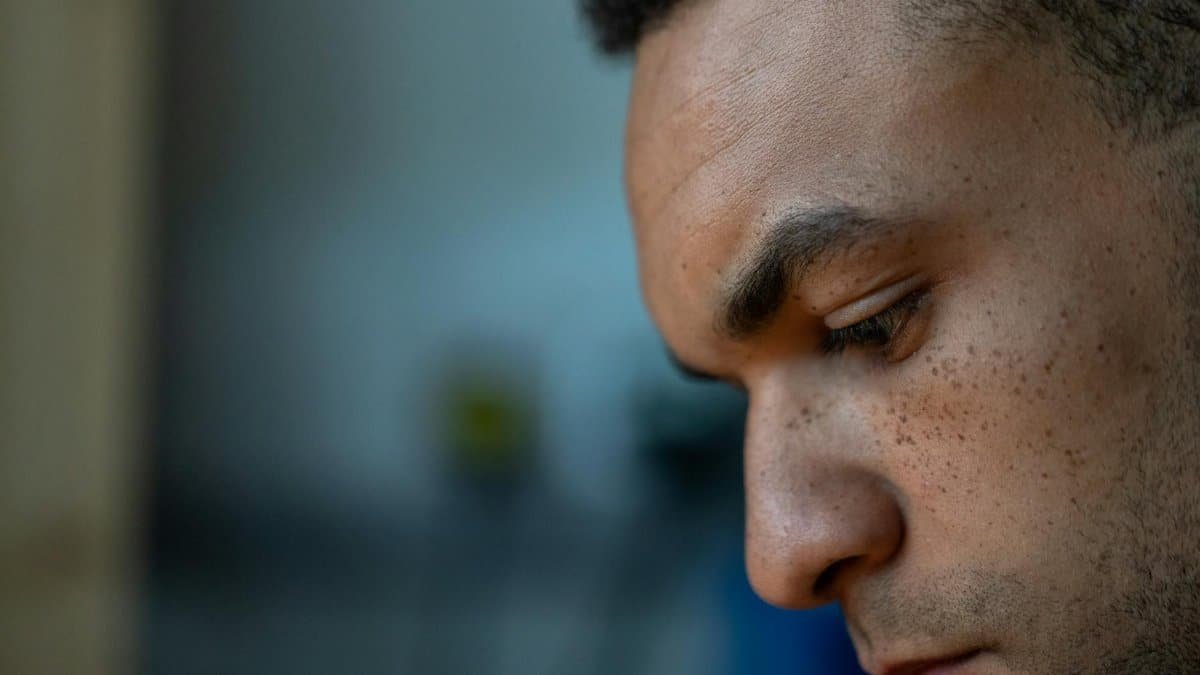
Opting for superficial solutions, like retail therapy or binge-watching, offers fleeting relief but ignores root causes. This pattern prevents genuine progress in areas like trauma recovery. Detroit programs focusing on healing recovery strength advocate for sustained efforts, such as consistent counseling. Insights from Harvard Medical School emphasize that long-term strategies yield better outcomes for mental health. Avoid the trap by committing to habits that foster lasting change, not just temporary distractions.
Dismissing the Power of Gratitude

Forgetting to appreciate small wins leads to a negativity bias, overshadowing potential joy. In resilient communities like Detroit, cultivating gratitude enhances the effects of healing recovery strength. Studies show it rewires the brain for positivity, reducing stress. The University of California, Berkeley’s Greater Good Science Center provides evidence that daily gratitude practices improve emotional regulation. Start with a simple journal to shift focus from lacks to abundances.
Isolating from Support Networks

Withdrawing from friends and family creates a void that happiness struggles to fill. Amid Detroit’s challenges, social connections are crucial for healing recovery strength. Isolation exacerbates feelings of loneliness, as noted in reports from the Surgeon General. Building or reconnecting with a support system offers shared strength and perspective. Prioritize meaningful interactions to combat this sabotaging habit effectively.
Overthinking Every Decision

Analysis paralysis stalls progress and breeds regret, chipping away at daily contentment. This mental loop is common in high-stress areas like Detroit, where uncertainty looms large. Healing recovery strength teaches mindfulness to break free, encouraging decisive action. Psychological research indicates that overthinkers experience higher anxiety levels. Trust instincts more and reflect less obsessively to unlock freer, happier living in 2025.