

In a surprising twist, a recent survey by the American Psychological Association reveals that 62% of U.S. couples cite poor communication as the top killer of relationships, often stemming from a lack of personal introspection. Enter reflection clarity growth—a transformative practice blending self-reflection, mental clarity, and personal evolution that’s gaining traction among stressed-out Americans. Rooted in mindfulness techniques from yoga and movement disciplines, it’s not just buzz; it’s reshaping how people in cities like San Jose navigate daily tensions. As 2025 unfolds, experts say embracing this approach could be the key to dodging common pitfalls that torpedo partnerships.
Skipping Self-Reflection Before Reacting

One everyday mistake wrecking relationships is reacting impulsively without pausing for self-reflection. In the heat of an argument, many lash out, escalating conflicts unnecessarily. Reflection clarity growth encourages a moment of pause to assess emotions and intentions, fostering calmer responses. Therapists note this habit alone can reduce misunderstandings by up to 40%, based on clinical observations. Without it, small disagreements balloon into major rifts, leaving partners feeling unheard and resentful. In bustling areas like San Jose, where work stress runs high, incorporating brief reflective practices from yoga routines has helped locals maintain equilibrium in their personal lives.
Ignoring Emotional Clarity in Conversations

Clarity often gets lost in emotional fog, leading to assumptions that poison relationships. People frequently misinterpret partners’ words or actions, assuming the worst without seeking true understanding. Reflection clarity growth tackles this by promoting journaling or meditative exercises to distill thoughts and feelings. A study from the University of California, Berkeley, highlights how such practices enhance emotional intelligence, improving relational satisfaction.Greater Good Science Center at UC Berkeley reports that couples who prioritize clarity see fewer conflicts. Skipping this step means building resentments on shaky foundations, a common trap in fast-paced American lifestyles.
Neglecting Personal Growth Amid Routine

Routine can stifle growth, turning vibrant relationships stale. When individuals stop evolving—through learning new skills or pursuing hobbies—they bring stagnation into partnerships. Reflection clarity growth emphasizes continuous self-improvement, often via yoga-inspired movement that builds resilience. Experts from the Yoga Alliance point out that integrating physical activity with reflective practices boosts overall well-being. In 2025, with rising mental health awareness, more U.S. couples are turning to these methods to keep things fresh. Without growth, partners drift apart, mistaking comfort for connection, a mistake that’s all too common in long-term bonds.
Overlooking Boundaries and Self-Awareness

Failing to set personal boundaries often leads to burnout and relational strain. Many people overextend themselves, sacrificing their needs to please others, which breeds bitterness. Reflection clarity growth fosters self-awareness through mindfulness, helping individuals define and communicate limits effectively. Research from the National Institutes of Health supports this, showing mindfulness reduces stress and improves interpersonal dynamics.National Institute of Mental Health on Stress underscores how awareness practices mitigate relational fatigue. In places like San Jose, where tech-driven lives amplify pressure, this approach is proving vital for sustaining healthy connections.
Dismissing Feedback as Criticism
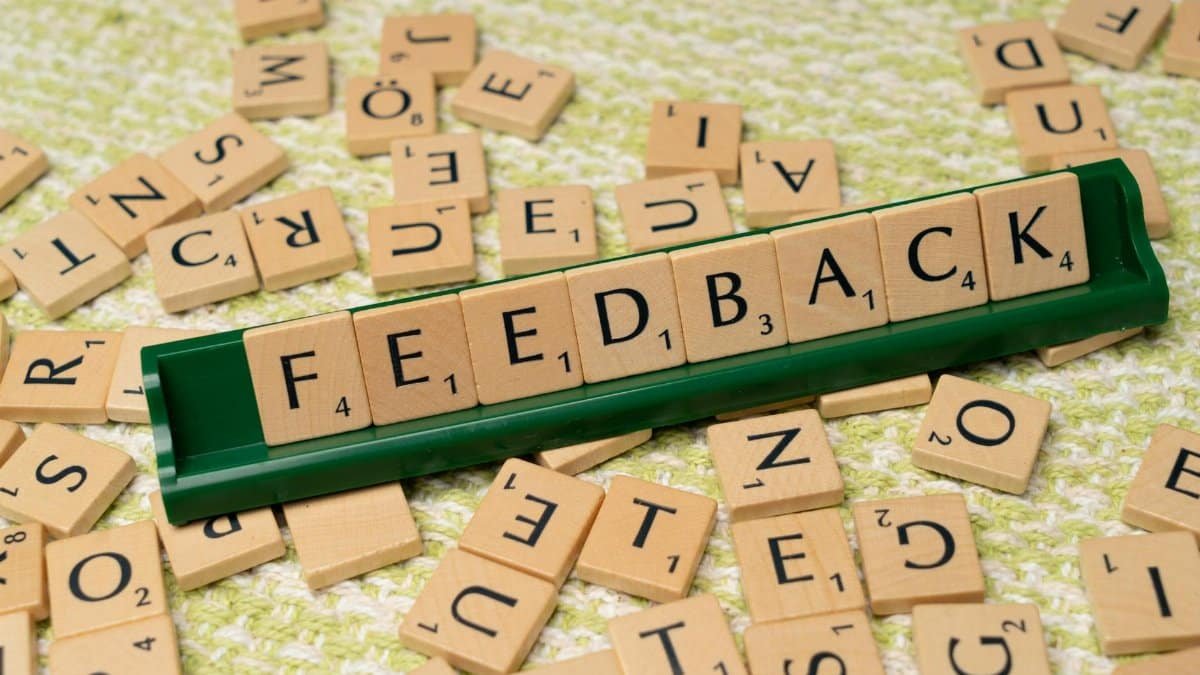
A defensive stance toward feedback can sabotage growth in relationships. Viewing suggestions as attacks rather than opportunities for improvement halts progress. Reflection clarity growth teaches processing input with an open mind, using it to gain clarity on blind spots. Relationship coaches report that couples who adopt this mindset experience stronger bonds. Drawing from yoga principles, it involves grounding oneself before responding, preventing knee-jerk reactions. As U.S. divorce rates hover around 40%, per recent Census data, embracing feedback through reflective practices could turn the tide for many struggling pairs.
Forgetting to Reassess Shared Goals

Relationships falter when partners neglect to revisit shared visions, allowing goals to diverge unnoticed. Life changes—like career shifts or family additions—can pull couples in different directions without periodic check-ins. Reflection clarity growth advocates joint reflection sessions, perhaps during calming movement activities, to realign priorities. This practice, inspired by holistic wellness trends, ensures both parties grow together. In 2025, with economic uncertainties looming, experts predict more Americans will use these tools to fortify their unions against external pressures.
Avoiding Vulnerability in Tough Times

Shying away from vulnerability creates emotional walls, eroding trust over time. Many fear exposing weaknesses, opting for superficial interactions instead. Reflection clarity growth counters this by encouraging honest self-examination and open sharing, often through guided meditations. Studies from Harvard University affirm that vulnerability strengthens connections, reducing isolation. Without it, relationships become transactional, lacking the depth needed for longevity. San Jose residents, amid Silicon Valley’s high-stakes environment, are finding solace in yoga communities that promote this level of openness for better relational health.
Ignoring the Role of Physical Movement

Underestimating physical activity’s impact on mental clarity is a subtle but damaging oversight. Sedentary habits contribute to foggy thinking, affecting how partners interact. Reflection clarity growth integrates movement from yoga to clear the mind and spur personal evolution. The Centers for Disease Control and Prevention notes that regular exercise enhances cognitive function, supporting better decision-making in relationships.CDC on Physical Activity and Health backs this with data showing improved mood and resilience. In urban hubs, this holistic tie-in is helping couples avoid the pitfalls of inactivity-induced tension.
Underestimating Daily Stress Management

Letting daily stressors accumulate without address turns minor annoyances into relationship breakers. Unmanaged stress leads to irritability and withdrawal, straining bonds. Reflection clarity growth offers tools like breathwork and self-inquiry to build resilience and calm. A Pew Research Center survey indicates rising stress levels among Americans, making these practices timely. By prioritizing them, individuals prevent spillover into partnerships, fostering a more harmonious home life. As 2025 brings new challenges, this proactive stance is emerging as a game-changer for relational stability.