
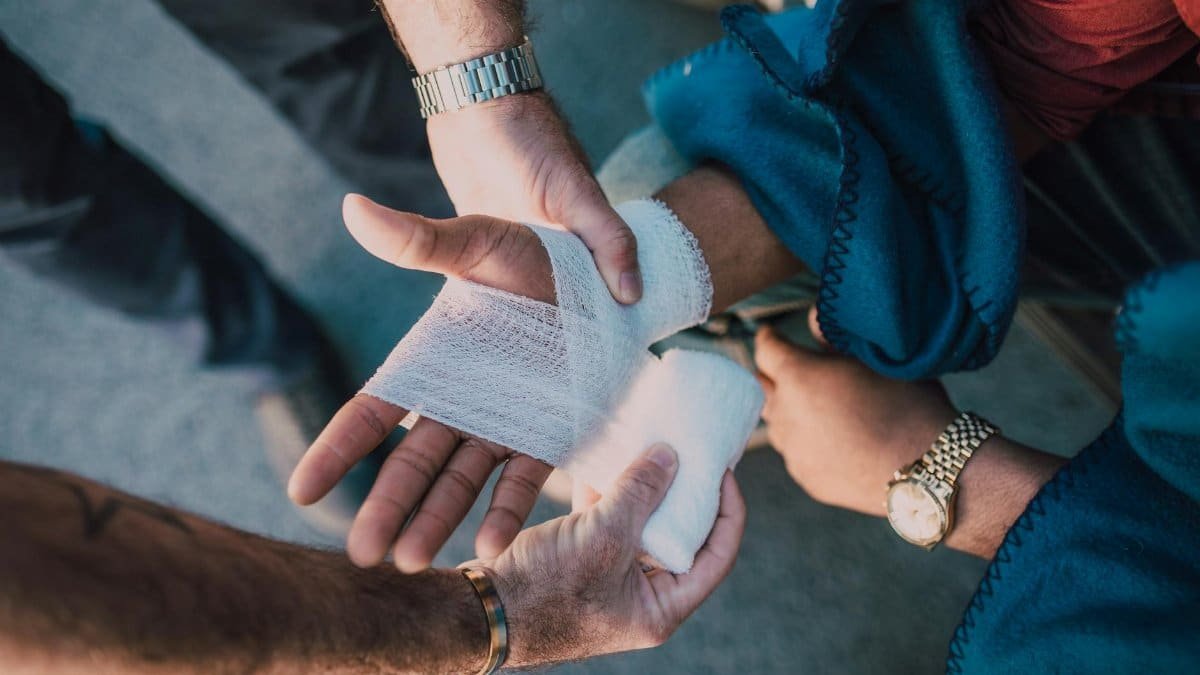
In a world where trauma affects millions, Ayurveda is emerging as a powerful ally for health | balance | wellness. New data from the National Center for Complementary and Integrative Health shows that over 20% of Americans are turning to ancient practices like Ayurveda for mental health support, up from just 12% a decade ago. This holistic system, rooted in Indian traditions, emphasizes balancing the body’s energies to heal emotional wounds. As more people in places like San Jose seek natural ways to reduce stress and restore equilibrium, Ayurveda offers tools that go beyond conventional therapy, promoting lasting well-being.
Understanding Ayurveda’s Roots in Trauma Healing
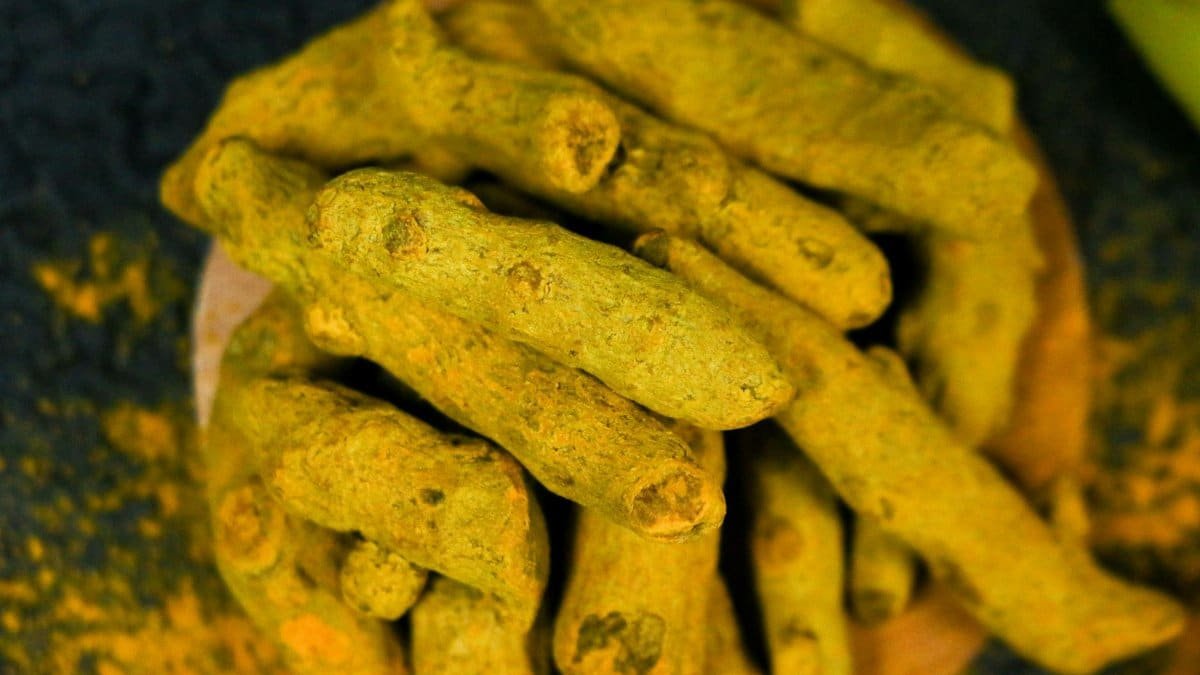
Ayurveda, an ancient medical system from India, dates back over 5,000 years. It views health as a balance of three doshas: vata, pitta, and kapha. For trauma survivors, imbalances in these energies can manifest as anxiety, insomnia, or chronic pain. Practitioners assess an individual’s constitution and tailor treatments to restore harmony. In the U.S., this approach is gaining traction amid rising mental health concerns. A 2023 report from the National Center for Complementary and Integrative Health highlights how such integrative methods are being studied for their efficacy in post-traumatic stress disorder (PTSD) recovery.
The Role of Doshas in Emotional Balance

Each dosha influences different aspects of mind and body. Vata governs movement and can lead to fear or restlessness when out of sync, common in trauma. Pitta controls metabolism and might cause anger or inflammation, while kapha provides stability but excess can result in depression. Ayurvedic healing targets these through diet, herbs, and lifestyle changes. For instance, calming vata with warm foods and routines helps trauma patients ground themselves. Experts note this personalized method fosters health | balance | wellness by addressing root causes rather than symptoms alone.
Herbal Remedies for Stress Reduction
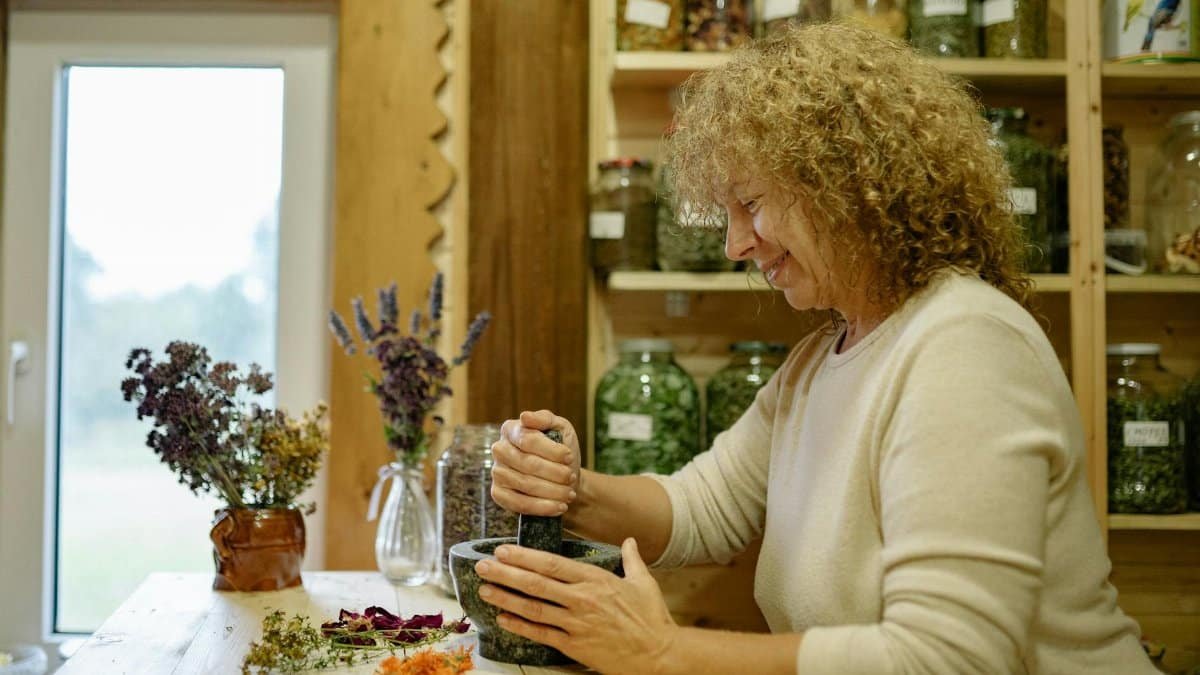
Ayurveda relies on natural herbs to soothe the nervous system. Ashwagandha, an adaptogen, has shown promise in reducing cortisol levels, according to a study published in the Journal of Alternative and Complementary Medicine. Participants reported lower anxiety after regular use. Other options like brahmi support cognitive function, aiding memory issues tied to trauma. In San Jose clinics, these remedies are integrated into wellness plans, helping individuals achieve better sleep and emotional resilience. Always consult a professional, as interactions with medications can occur.
Yoga and Movement as Therapeutic Tools

Given the category of Yoga & Movement, Ayurveda’s synergy with yoga is key. Practices like gentle asanas and pranayama breathing regulate the autonomic nervous system, which trauma often dysregulates. A 2024 review in the PubMed Central database analyzed studies showing yoga’s benefits for PTSD, including reduced hypervigilance. In urban areas like San Jose, community classes combine Ayurvedic principles with movement to promote physical and mental healing, making it accessible for daily wellness routines.
Dietary Strategies for Inner Harmony

Ayurvedic nutrition emphasizes sattvic foods, pure and nourishing, to support mental clarity. For trauma healing, avoiding stimulants like caffeine helps pacify aggravated doshas. Incorporating ghee, nuts, and root vegetables builds ojas, the essence of vitality. Research from the Chopra Center indicates that such diets enhance mood stability. Patients report feeling more centered, with improved digestion linking to better emotional health. This approach underscores how everyday eating habits contribute to overall health | balance | wellness.
Lifestyle Routines to Build Resilience

Daily rituals, or dinacharya, form the backbone of Ayurvedic living. Waking early, oil pulling, and meditation create structure, which is crucial for those recovering from trauma’s chaos. Abhyanga, self-massage with oils, calms the mind and body. In 2025, U.S. trends show a surge in apps and online programs teaching these routines, making them practical for busy lives in places like San Jose. Therapists integrate them to help clients rebuild trust in their bodies and environments.
Challenges in Adopting Ayurvedic Practices

While promising, Ayurveda isn’t without hurdles. Cultural adaptation can be tricky for Western users, and finding qualified practitioners is essential to avoid misinformation. Cost and accessibility issues persist, especially in underserved areas. Critics point to limited large-scale studies, though ongoing research aims to bridge this gap. Despite these, many find the holistic focus empowering, leading to sustainable changes in health | balance | wellness.
Real-Life Success Stories from San Jose

In San Jose, locals are embracing Ayurveda for trauma recovery. One veteran shared how herbal teas and yoga sessions eased his PTSD symptoms, allowing him to reconnect with family. Wellness centers report increased attendance, with programs tailored to urban stressors. These anecdotes align with broader data, showing improved quality of life. As communities prioritize mental health in 2025, such stories highlight Ayurveda’s potential as a complementary tool.
Integrating Ayurveda with Modern Therapy

Ayurveda complements conventional treatments like cognitive behavioral therapy. Professionals recommend combining dosha assessments with counseling for a multifaceted approach. A study in the International Journal of Ayurveda Research found hybrid models effective for anxiety disorders. In the U.S., integrative clinics are on the rise, offering hope for comprehensive healing. This blend ensures safety while enhancing outcomes for trauma survivors seeking balance.
Future Prospects for Ayurvedic Wellness

Looking ahead, Ayurveda’s role in trauma healing is expanding. With growing evidence and cultural acceptance, it’s poised to influence mainstream health care. In 2025, expect more research funding and educational initiatives. For those in San Jose and beyond, it represents a path to enduring wellness, proving ancient wisdom can address modern afflictions effectively.