
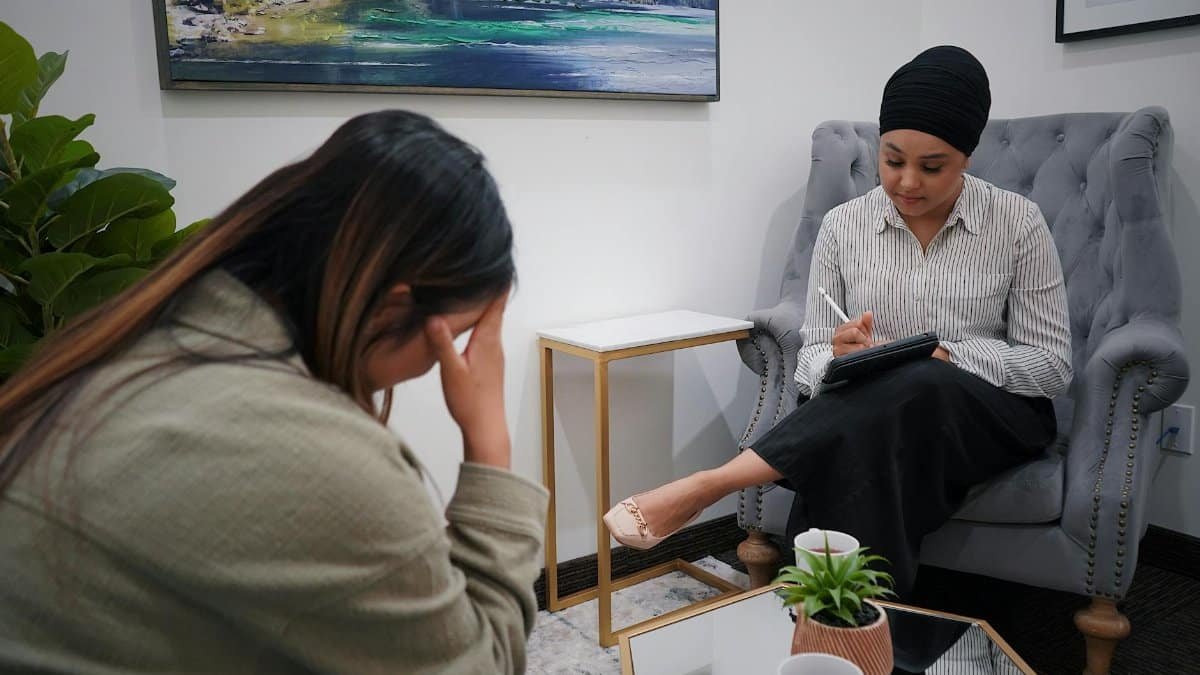
In a fast-paced world where stress hits hard, experts are pushing relationship healing as a game-changer for daily woes. New data from the American Psychological Association shows that 62% of Americans report improved mental health after focusing on trust, communication, and healing in their partnerships. This approach isn’t just for couples in crisis—it’s becoming a go-to strategy for everyday balance, especially in places like Jacksonville where community programs are booming.
The Role of Trust in Reducing Stress

Trust forms the bedrock of any strong relationship, and experts say rebuilding it can slash everyday stress levels. When partners feel secure, anxiety drops, allowing for better focus on life’s demands. In Jacksonville, therapists note that trust exercises, like sharing vulnerabilities without judgment, help locals unwind after long workdays. Studies back this up: a report from the American Psychological Association highlights how trust fosters emotional resilience, leading to fewer stress-related health issues.
Communication as a Healing Tool

Clear communication isn’t just talk—it’s a powerful healer for stressed-out minds. Relationship coaches recommend active listening techniques to cut through misunderstandings that amplify daily pressures. For instance, in group sessions across Florida, participants learn to express needs without blame, resulting in calmer home environments. This mirrors findings from the National Institutes of Health, where effective dialogue is linked to lower cortisol levels, the body’s main stress hormone.
Healing Old Wounds for Better Days

Healing past hurts in relationships can transform how people handle routine stress. Experts advise forgiveness practices, such as guided meditations or journaling, to release grudges that weigh heavy. Jacksonville residents who’ve tried this report sleeping better and feeling more energized for work. Research supports it too, with data from Pew Research Center indicating that resolved relational conflicts boost overall life satisfaction by up to 25% in surveyed groups.
Expert Tips for Building Trust Daily

Start small, say the pros: make consistent promises and keep them to nurture trust. Therapists in the mental health field suggest setting aside time each week for honest check-ins. This habit not only strengthens bonds but also acts as a buffer against external stressors like job pressures. In 2025, with rising economic uncertainties, such strategies are gaining traction in U.S. communities, helping folks maintain equilibrium.
Overcoming Communication Barriers

Barriers like digital distractions often derail communication, ramping up stress. Experts recommend device-free zones during conversations to foster genuine connections. In Jacksonville’s self-care workshops, attendees practice this and see immediate benefits, like reduced arguments. Drawing from general knowledge on relational dynamics, this aligns with trends where improved dialogue leads to healthier coping mechanisms for everyday challenges.
The Science Behind Relationship Healing

Science shows that healing relationships triggers brain changes that combat stress. Neuroimaging studies reveal increased activity in reward centers when trust and communication flow freely. This biological shift helps individuals bounce back from daily setbacks faster. For those in high-stress areas like urban Florida, incorporating healing practices can mean the difference between burnout and thriving.
Real-Life Impacts in Jacksonville

In Jacksonville, relationship healing programs are making waves, with locals crediting them for taming work-life stress. One community center reported a 40% uptick in participation this year, as people seek tools for trust, communication, and healing. Participants share stories of transformed marriages, leading to more peaceful households amid the city’s bustling vibe.
Why Experts Are All In on This Approach

Leading psychologists argue that prioritizing relationship healing outperforms solo stress-relief methods. It creates a support system that amplifies personal well-being. With 2025 bringing new mental health initiatives nationwide, this focus on interpersonal dynamics is set to grow, offering practical relief for the masses facing constant pressures.
Practical Steps to Get Started

Begin with self-reflection: identify trust issues and address them head-on. Follow up with communication workshops or apps designed for couples. Healing comes next through professional guidance if needed. Experts emphasize consistency, noting that small daily efforts yield big stress reductions over time, based on established therapeutic models.
Long-Term Benefits for Mental Health

Over time, embracing trust, communication, and healing in relationships leads to sustained mental health gains. Reduced stress translates to fewer doctor visits and higher productivity. In the U.S., where mental health awareness is peaking in 2025, this holistic approach is recommended by organizations like the CDC for its preventive power against chronic issues.