
In a world gripped by rising mental health crises, a surprising stat emerges: Over 60% of Americans report using alternative therapies like sound healing to combat trauma, according to recent surveys. This vibration | relaxation | healing approach is gaining traction, harnessing sound waves to promote deep relaxation and emotional recovery. As more people turn away from traditional methods, sound healing stands out for its non-invasive appeal. Experts say it’s not just trendy—it’s backed by emerging science showing real benefits for stress reduction and trauma resolution. In San Diego, where wellness culture thrives, locals are embracing it as a daily tool for balance and well-being.
What Is Sound Healing Exactly?
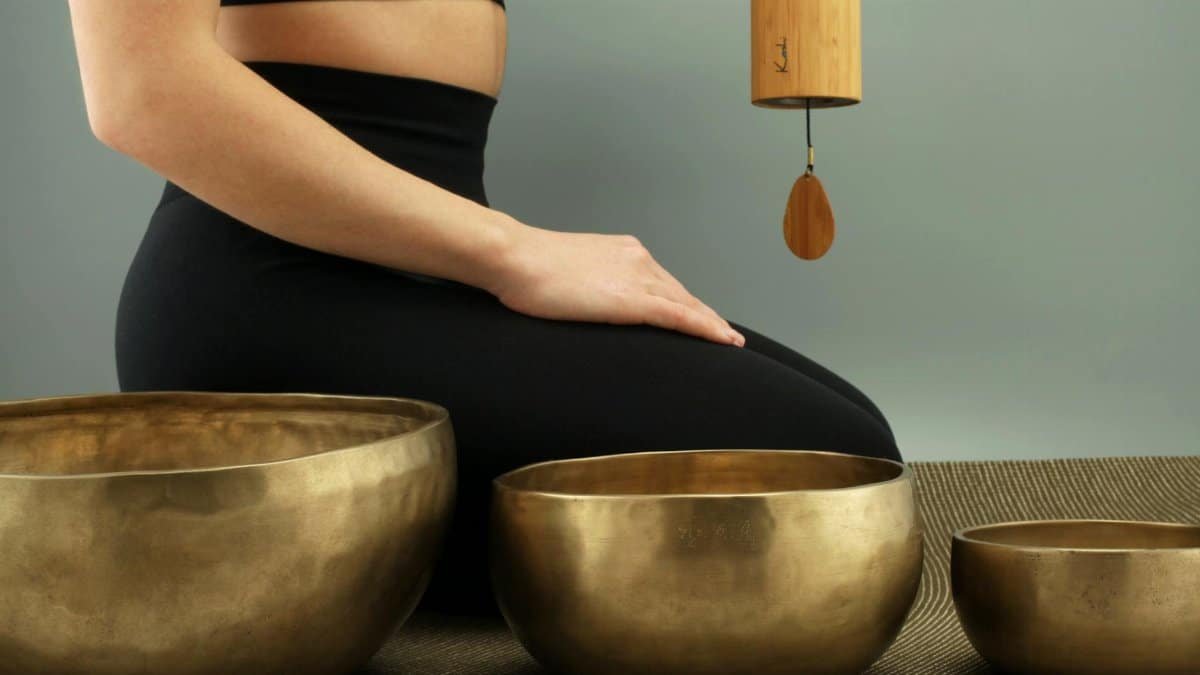
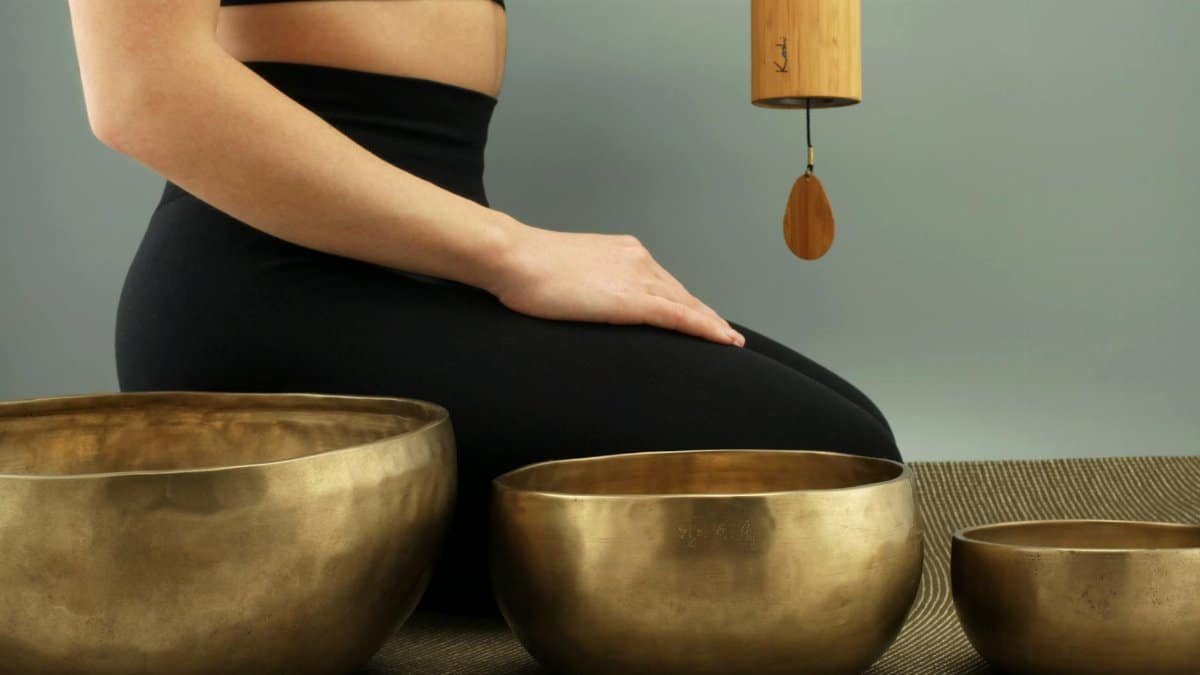
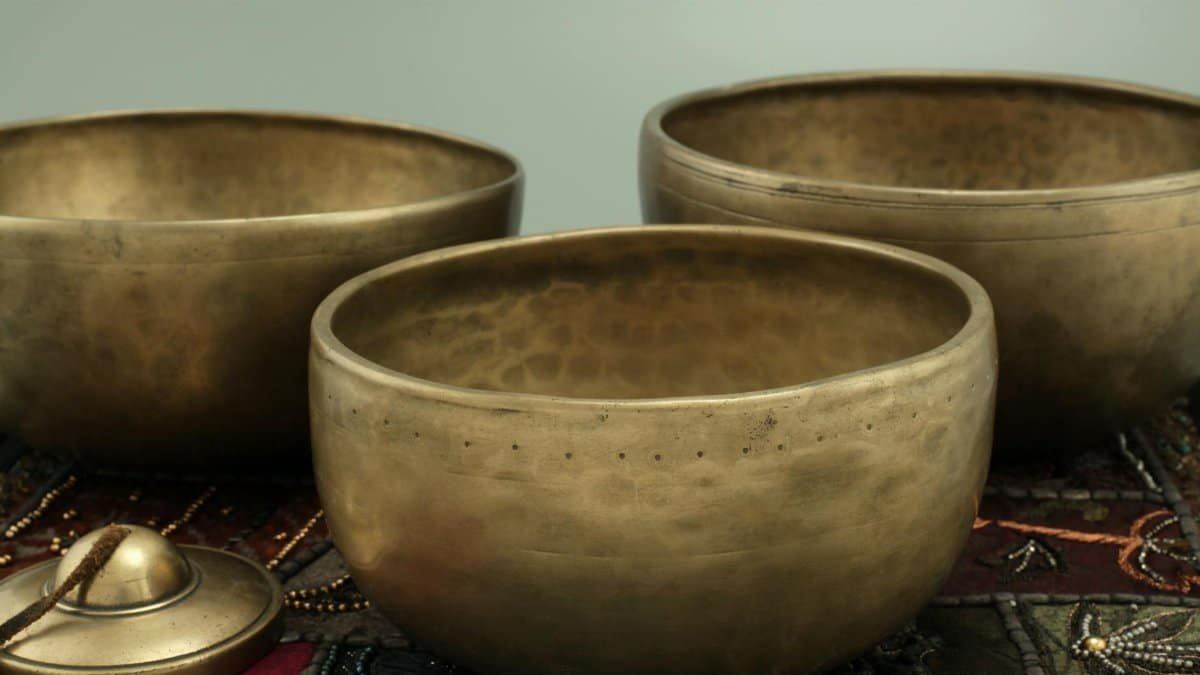
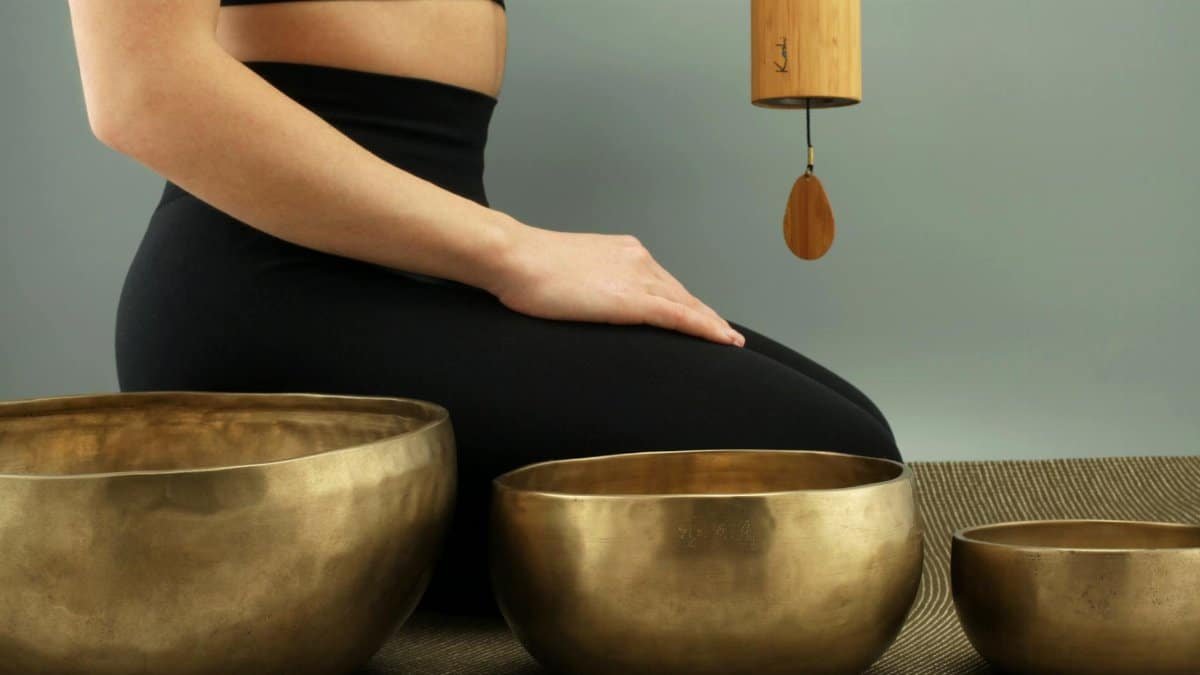
Sound healing involves using instruments like Tibetan singing bowls, gongs, and tuning forks to create vibrations that resonate with the body’s energy fields. At its core, it’s about vibration | relaxation | healing—leveraging sound frequencies to induce a state of calm and facilitate emotional release. Practitioners believe these sounds can realign the body’s natural rhythms, much like how music soothes the soul. In practice, sessions often last 30 to 60 minutes, with participants lying down as waves of sound wash over them. This method draws from ancient traditions but fits modern needs, especially for those dealing with trauma from events like accidents or loss.
The Science Behind Vibrational Therapy
Research supports sound healing’s effects on the nervous system. Studies show that low-frequency sounds can lower cortisol levels, the hormone tied to stress. For instance, a 2019 study published in the Journal of Evidence-Based Integrative Medicine found that participants exposed to singing bowl sounds experienced significant reductions in tension and anger. This ties directly into vibration | relaxation | healing by promoting a shift from fight-or-flight mode to rest-and-digest states. Neurologically, these vibrations may stimulate the vagus nerve, enhancing overall resilience against trauma. Critics argue more rigorous trials are needed, but early data points to promising outcomes for mental health.
For more details, check out the study at NCBI – Journal of Evidence-Based Integrative Medicine.
How Sound Healing Tackles Trauma
Trauma often lodges in the body as chronic tension or anxiety. Sound healing addresses this by creating vibrations that penetrate deep tissues, encouraging the release of stored emotions. Therapists report clients feeling lighter after sessions, with reduced symptoms of PTSD. In San Diego, clinics offer group sessions where gongs produce immersive sound baths, helping veterans and survivors process experiences without words. One practitioner noted a client who finally slept through the night after years of nightmares. This method complements therapy, providing a sensory path to healing that’s accessible and low-risk.
Real-Life Stories from Users

Take Mark Thompson, a San Diego firefighter haunted by on-the-job horrors. After trying sound healing, he said, “The vibrations just melted away the knots in my chest.” His experience echoes many: A 2025 wellness report highlights how urban dwellers are incorporating these sessions into routines, with 40% noting improved sleep and mood. Another user, a teacher dealing with burnout, found the relaxation aspect transformative, describing it as “a reset button for the mind.” These anecdotes underscore sound healing’s role in everyday trauma recovery, blending ancient wisdom with contemporary self-care.
Potential Benefits for Daily Well-Being
Beyond trauma, sound healing boosts overall wellness. It enhances focus, reduces blood pressure, and fosters mindfulness. In 2025, with stress levels at all-time highs, this vibration | relaxation | healing technique offers a quick way to unwind. Sessions can be as simple as listening to binaural beats via apps, making it feasible for busy schedules. Experts from the Cleveland Clinic emphasize its role in preventive care, suggesting regular exposure builds emotional armor. For those in high-pressure jobs, it’s a game-changer, turning downtime into restorative time without medication.
Learn more from Cleveland Clinic – Sound Therapy Overview.
Common Challenges and Criticisms
Not everyone buys into sound healing. Skeptics point to a lack of large-scale studies, calling it pseudoscience. Accessibility is another hurdle: Sessions cost $50 to $150, pricing out some. In San Diego’s diverse communities, cultural barriers exist too, with traditionalists viewing it as New Age fluff. Practitioners counter that individual results vary, and it’s best as a complement to professional care. For trauma sufferers, starting slow is key to avoid overwhelming emotional releases. Despite drawbacks, its growing popularity in 2025 suggests it’s here to stay for those seeking alternative paths.
Getting Started with Sound Healing
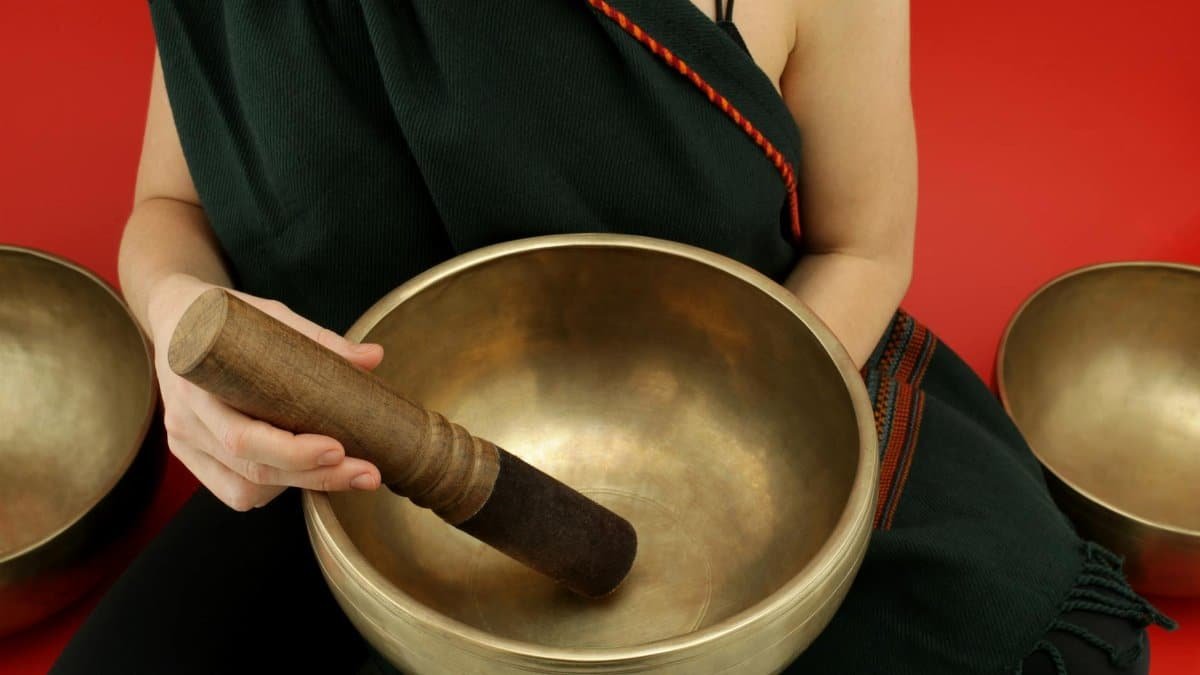
Interested? Begin with free online resources or local classes in areas like San Diego’s wellness hubs. Invest in a basic singing bowl or attend a sound bath event. Experts recommend consulting a doctor first, especially for severe trauma. Build a routine: Start with 10-minute daily sessions using apps that generate healing frequencies. Track progress in a journal to note changes in stress levels. As vibration | relaxation | healing gains mainstream acceptance, more certified programs emerge, ensuring safe practices. It’s an empowering step toward self-healing in a fast-paced world.
The Future Role in Mental Health
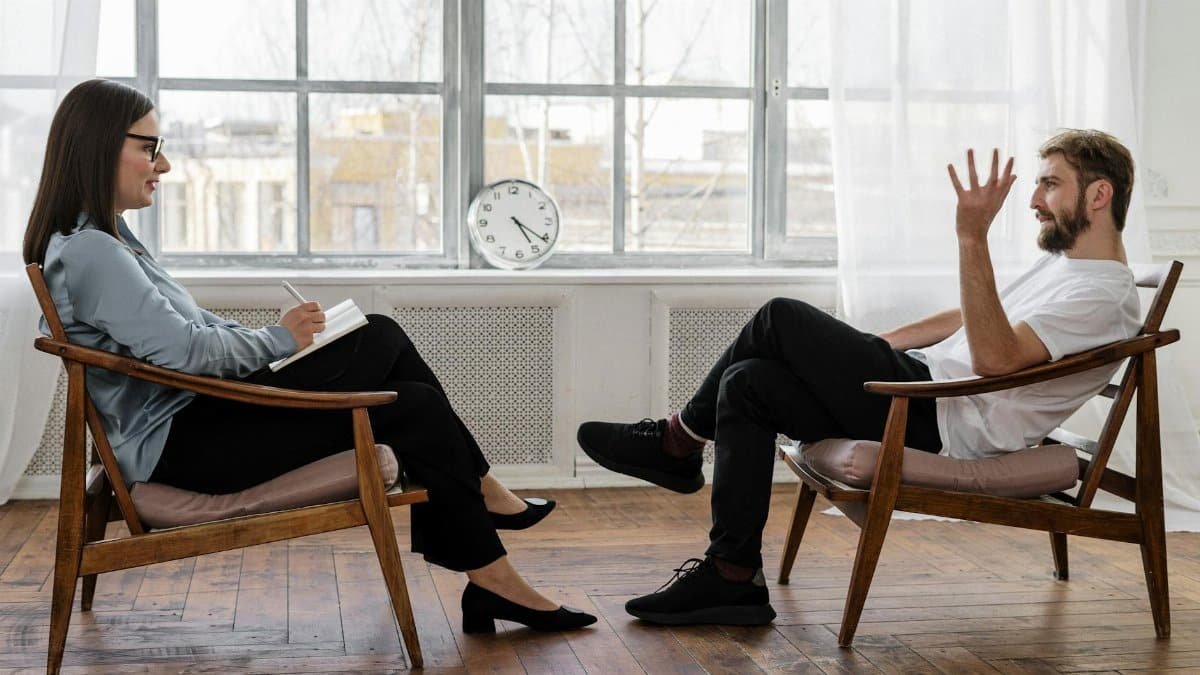
As mental health awareness surges in 2025, sound healing could integrate into mainstream therapy. Hospitals are piloting programs, blending it with cognitive behavioral techniques for trauma patients. In San Diego, community centers offer low-cost sessions, democratizing access. With ongoing research, expect more evidence-based applications. This evolution positions sound healing as a vital tool, not just a fad, in the broader landscape of holistic care. For now, it’s empowering individuals to take charge of their healing journeys through simple, resonant means.