
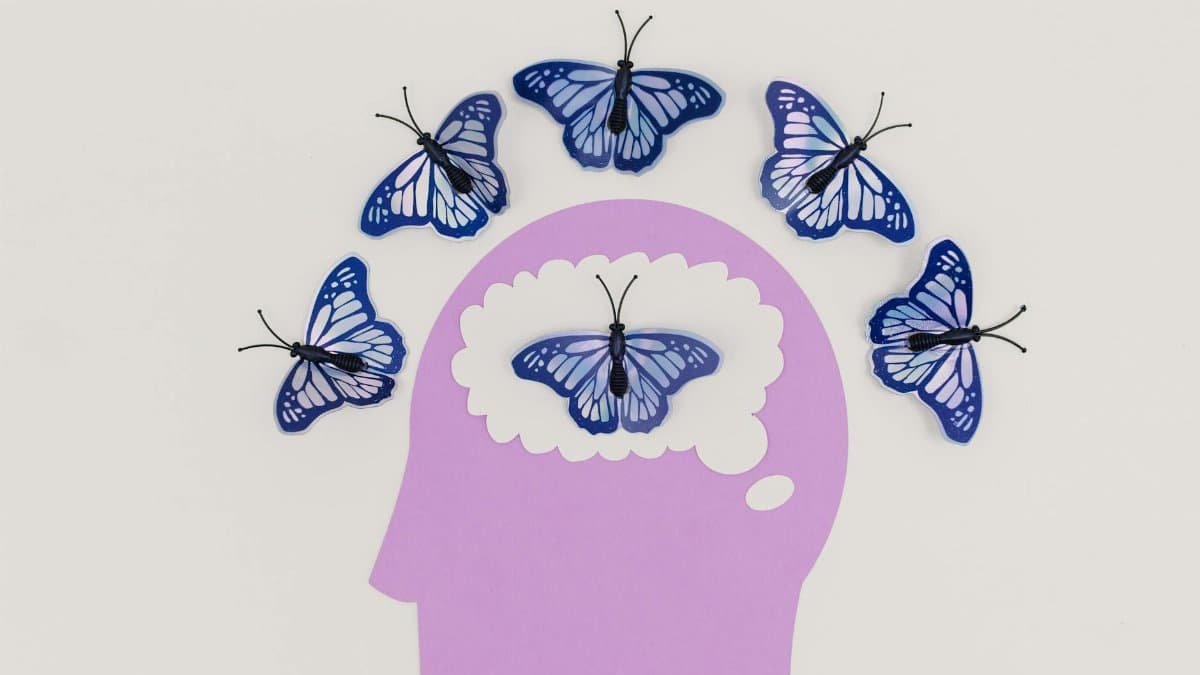
In a bustling city like Boston, where the daily grind often feels relentless, a surprising statistic stands out. According to a 2024 report from the American Psychological Association, nearly 40% of adults report heightened stress levels compared to five years ago, yet those engaging in mindfulness practices show a 25% reduction in anxiety symptoms. This shift points to the rising embrace of consciousness expansion—techniques fostering awareness, growth, and insight—as a tool for mental resilience. It’s not just about fleeting relaxation; it’s rewiring the brain for lasting calm. As neuroscientists delve deeper, evidence mounts that these practices alter neural pathways, promoting serenity amid chaos. In 2025, with hybrid work and digital overload persisting, more people are turning to this approach. What begins as simple breathing exercises can evolve into profound self-transformation, helping individuals navigate life’s pressures with greater ease.
1. Boosting Neuroplasticity Through Mindful Observation

Consciousness expansion starts with paying closer attention to the present moment. This simple act encourages the brain to form new connections, a process known as neuroplasticity. Researchers at Harvard Medical School have shown that regular mindfulness meditation increases gray matter in areas linked to emotional regulation. Imagine a Boston commuter, stuck in traffic, who instead of fuming, notices the rhythm of their breath. Over time, this rewires responses, turning potential stress into calm acceptance. It’s like training a muscle; the more you practice, the stronger the neural pathways for tranquility become.
2. Reducing Amygdala Reactivity

The amygdala, that almond-shaped cluster in the brain, often triggers fight-or-flight responses. Consciousness expansion tames it. A study from the National Institutes of Health indicates that insight meditation decreases amygdala activity, leading to lower stress hormones. Picture someone reflecting on a heated work email; instead of reacting impulsively, they pause, gaining insight that diffuses tension. This rewiring fosters a calmer baseline, even in high-pressure environments like Boston’s financial district.
3. Enhancing Prefrontal Cortex Function

What if focusing on personal growth could sharpen your decision-making? It does, by bolstering the prefrontal cortex, the brain’s executive center. Through practices like journaling for self-insight, neural efficiency improves, as noted in findings from the University of California. One anonymous account shared online described how daily reflections turned overwhelming choices into manageable ones, creating mental space for calm. This isn’t instant; it’s a gradual rebuild, paving the way for sustained peace.
4. Promoting Gamma Wave Synchronization

Deep awareness practices sync brain waves, particularly gamma waves associated with heightened perception. This synchronization, explored in a University of Wisconsin-Madison study, leads to better emotional balance. Envision a group in a Boston yoga studio, meditating together; their brains harmonize, reducing scattered thoughts. Over weeks, this rewires for a calmer, more unified mind state.
5. Lowering Cortisol Levels Naturally

Chronic stress spikes cortisol, but consciousness expansion counters it. Techniques like body scans reduce this hormone, per research from the American Psychological Association. A middle-aged professional might start with five minutes daily, noticing tension melt away. This biological shift rewires the stress response, inviting calm into everyday routines.
6. Strengthening Emotional Regulation Pathways

Insight gained from reflective practices builds neural bridges for better emotion control. It’s like upgrading your brain’s software. Studies show this leads to fewer mood swings, creating a foundation for calm.
7. Increasing Serotonin Production

Awareness exercises stimulate serotonin, the feel-good chemical. This natural boost, akin to sunlight on a cloudy day, rewires mood circuits for ongoing tranquility. In Boston’s variable weather, it’s a mental lifeline.
8. Fostering Hippocampal Growth

The hippocampus, key for memory and stress management, expands with growth-oriented meditation. This growth buffers against anxiety, rewiring the brain to process experiences more calmly.
9. Dampening Default Mode Network Overactivity

Our minds wander, fueling rumination. Consciousness expansion quiets this network, as per neuroimaging from Yale. Less mental noise means more calm, a subtle yet powerful rewiring.
10. Building Resilience Via Neurogenesis

New neurons form through insightful practices, enhancing resilience. This neurogenesis, detailed in Nature Reviews Neuroscience, turns vulnerability into strength, fostering a calmer neural landscape.
11. Improving Sleep-Related Brain Patterns
Better awareness leads to deeper sleep, rewiring circadian rhythms for calm. One Bostonian recalled how evening reflections ended insomnia, transforming nights into restorative havens.
12. Enhancing Interoceptive Awareness

Tuning into bodily signals through growth practices recalibrates the insula, reducing panic. This internal listening rewires for proactive calm, preventing stress buildup.
13. Reducing Inflammation Linked to Stress

Chronic tension inflames the body and brain. Expansion techniques lower this, promoting neural health and a serene mindset.
14. Strengthening Attention Networks

Focused insight sharpens attention, minimizing distractions. This rewiring creates mental clarity, essential for calm in a notification-filled world.
15. Cultivating Compassion Circuits

Practices like loving-kindness meditation activate empathy areas, softening self-criticism. The result? A rewired brain inclined toward gentle calm.
16. Balancing Autonomic Nervous System

Awareness shifts the system from sympathetic to parasympathetic dominance, easing into rest. This balance rewires for effortless tranquility.
17. Integrating Traumatic Memories

Growth through therapy-infused expansion helps process past pains, rewiring fear responses into calm acceptance.
18. Boosting Dopamine Regulation

Insight prevents dopamine crashes, maintaining steady motivation without burnout. Calm becomes the norm, not the exception.
19. Enhancing Thalamic Filtering

The thalamus filters sensory input; expansion refines it, reducing overwhelm. Rewired, the brain selects for calm amid chaos.
20. Promoting Epigenetic Changes

Long-term practices alter gene expression for stress resistance, a deep rewiring for inherited calm.
21. Fostering Social Connectivity Neurons

Awareness in groups strengthens mirror neurons, building supportive bonds that enhance collective calm.
22. Sustaining Long-Term Neural Harmony

Ultimately, these ways culminate in holistic brain harmony. As 2025 unfolds, consciousness expansion offers a blueprint for rewiring toward enduring calm, blending awareness, growth, and insight into daily life. It’s a journey worth embarking on, one mindful step at a time.