
The New Sound Healing Trend Transforming Raleigh
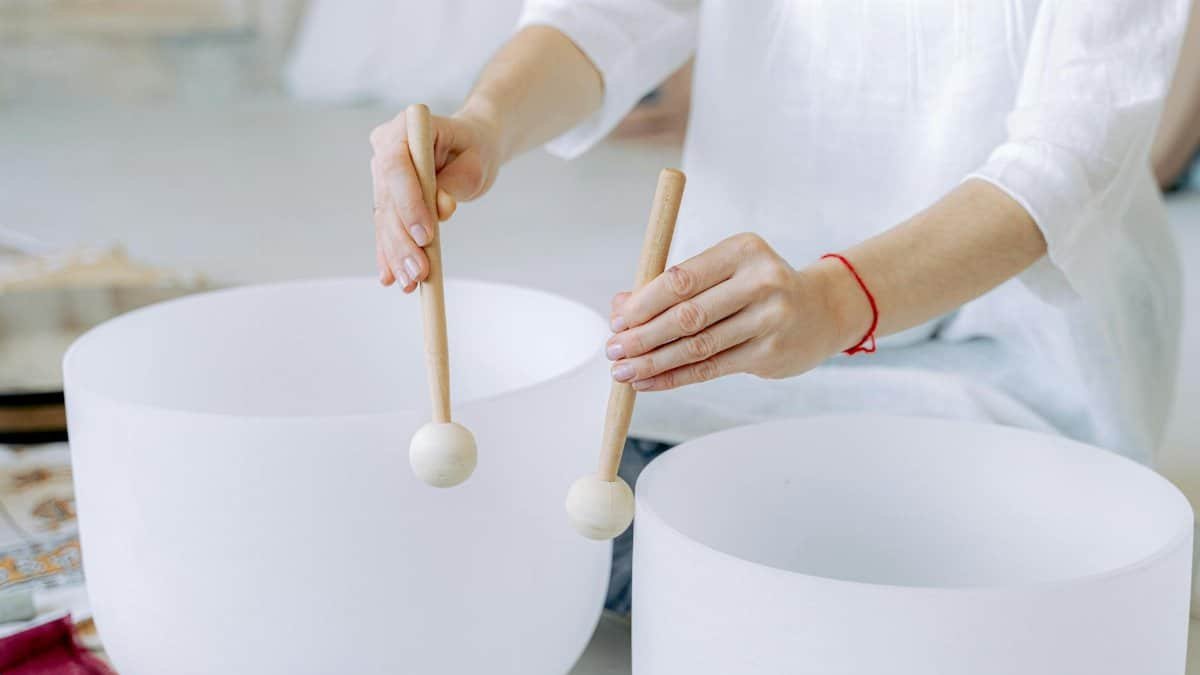
New data shows 40% of Raleigh residents are turning to alternative therapies for stress relief, with sound healing leading the pack. This practice, blending ancient techniques with modern wellness, is gaining traction in the Triangle area. Sound healing, Raleigh wellness, lift mood sessions use vibrations from instruments like crystal bowls and gongs to ease anxiety and boost emotional well-being. Local studios report packed classes, as people seek natural ways to combat daily pressures. Experts say it’s more than hype—it’s backed by emerging science on sound’s impact on the brain.
What Is Sound Healing Exactly?
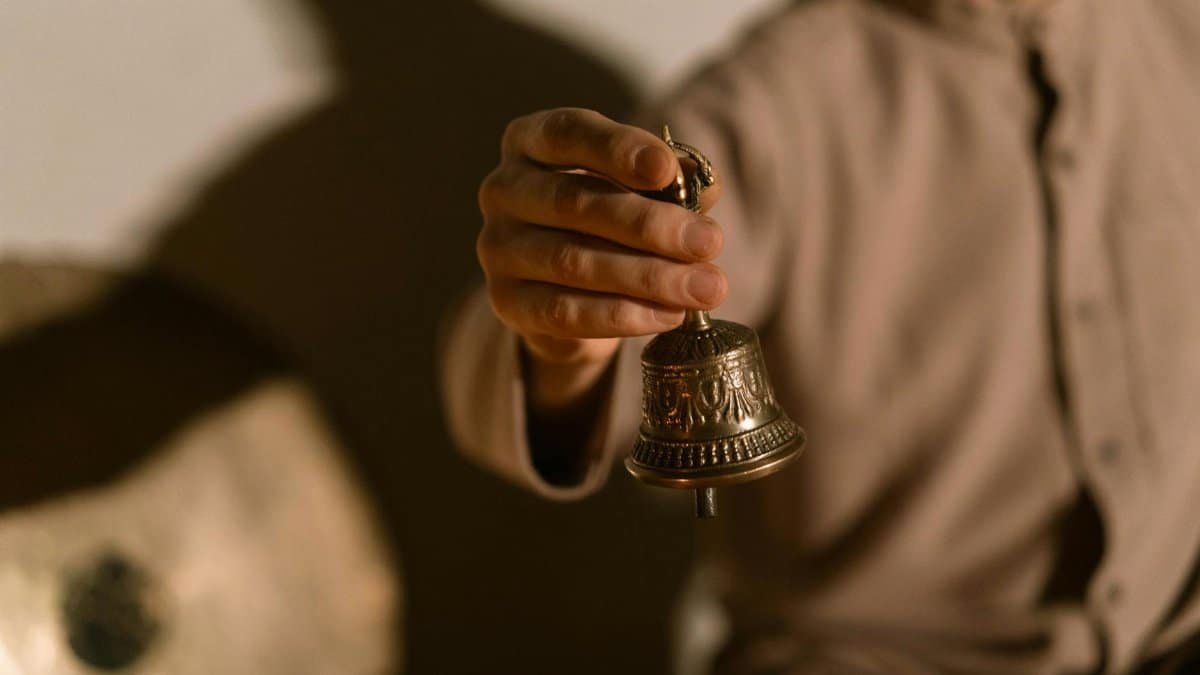
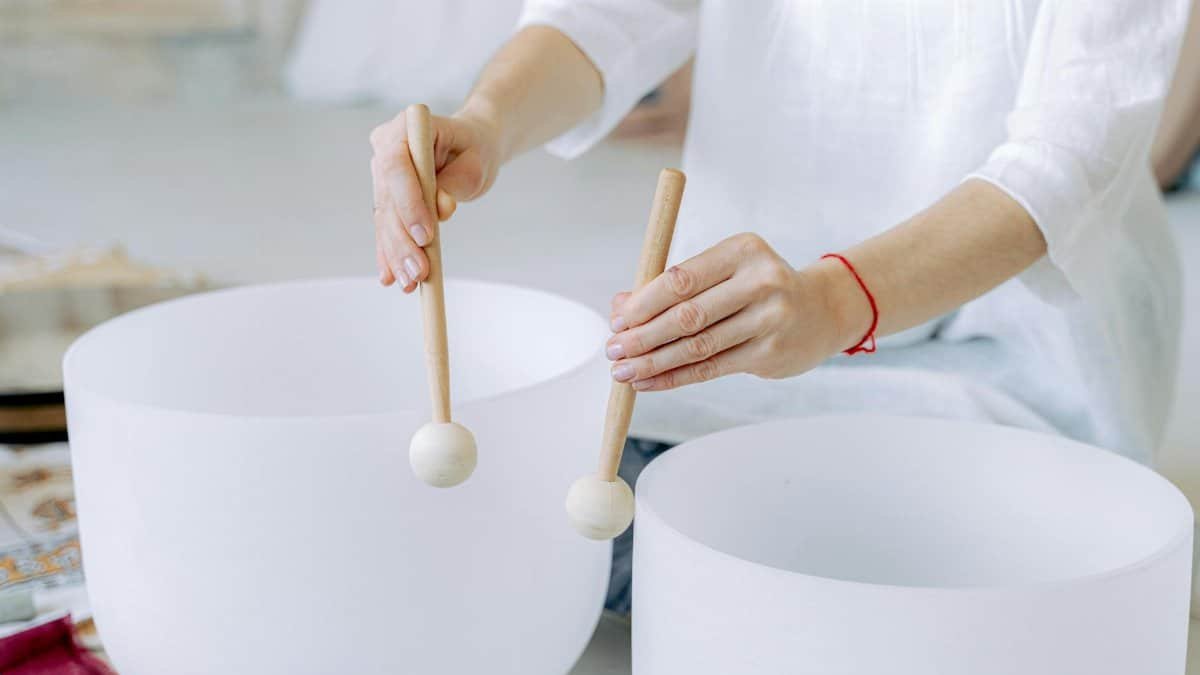
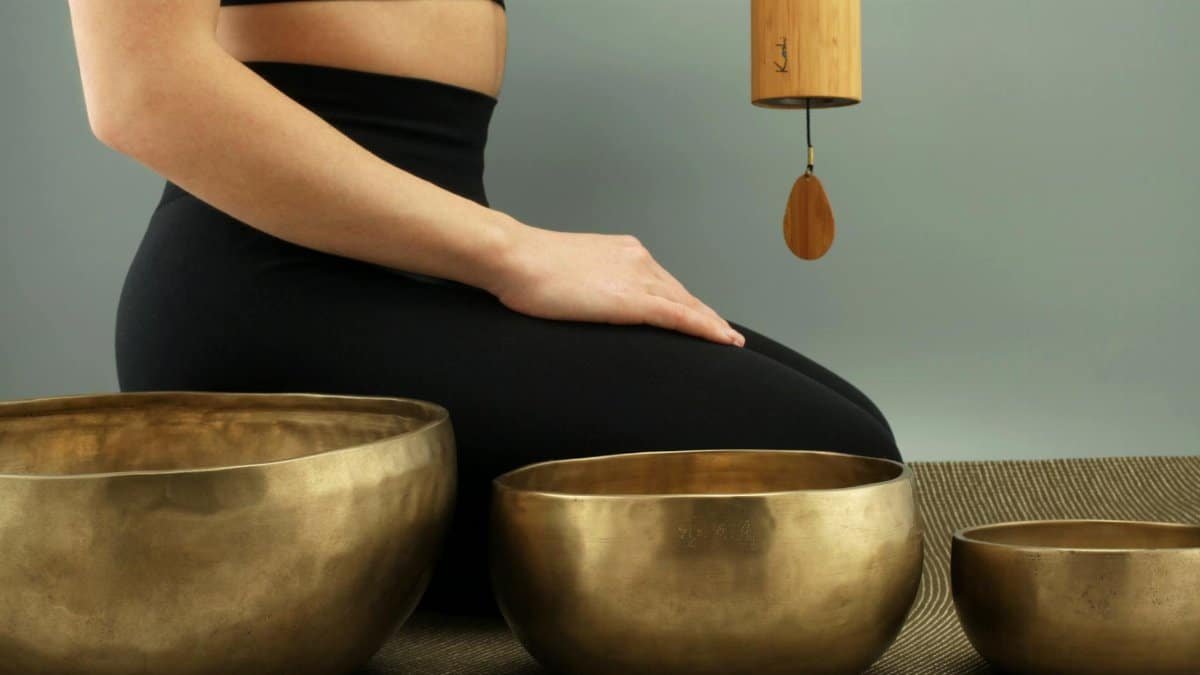
Sound healing involves using specific frequencies and vibrations to promote physical and mental harmony. Practitioners employ tools such as Tibetan singing bowls, tuning forks, and even human voices to create resonant sounds. In Raleigh, this modality fits into the broader wellness scene, where residents prioritize holistic approaches over traditional medicine. Sessions typically last 45 to 60 minutes, guiding participants into deep relaxation. The goal? To realign the body’s energy and reduce stress hormones. It’s not new, drawing from traditions in India and Tibet, but its popularity has surged in U.S. cities like Raleigh amid rising mental health concerns.
Why Raleigh Is Embracing This Trend

Raleigh’s wellness community is booming, fueled by a mix of tech professionals and health-conscious families. Local spots like wellness centers in downtown and North Hills offer sound baths as affordable alternatives to therapy. Participants report feeling lighter and more focused after sessions. One key driver is the city’s fast-paced lifestyle, with many dealing with work burnout. According to a 2024 survey by the Pew Research Center, urban dwellers in the South are increasingly open to complementary therapies. In 2025, experts predict even more integration into corporate wellness programs here.
How Sound Healing Lifts Your Mood
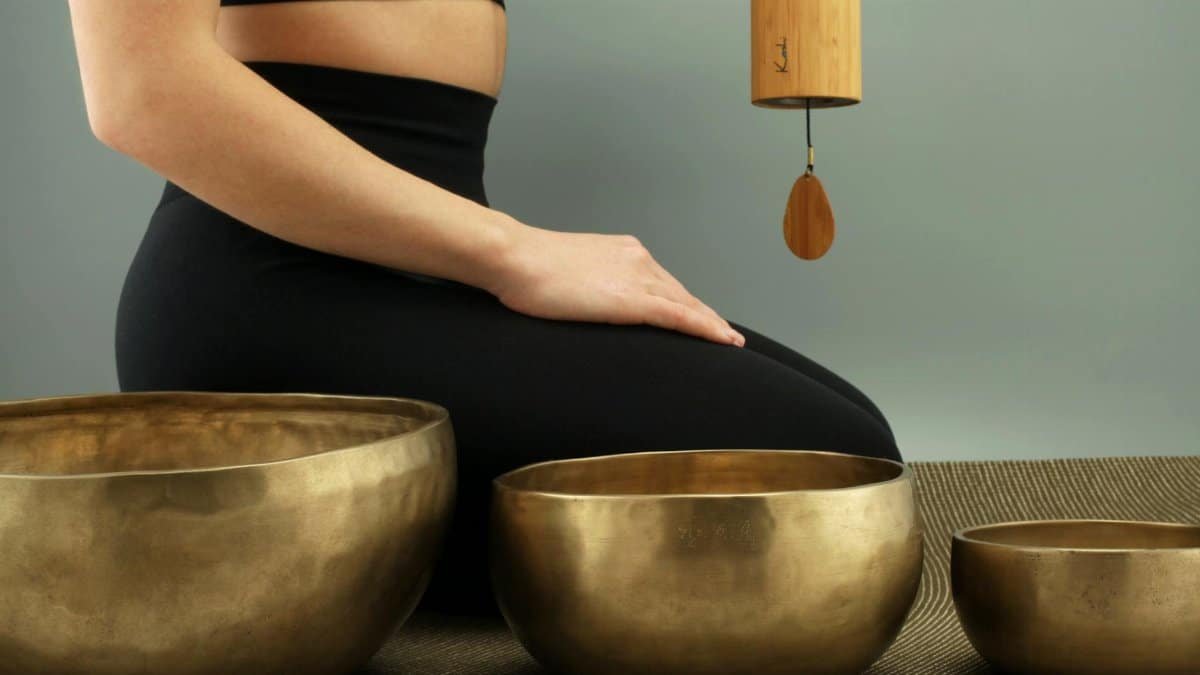
The science behind sound healing points to its effects on brain waves. Vibrations can shift the mind from beta states of alertness to alpha or theta waves associated with calm. This process releases endorphins, naturally elevating mood without medication. In Raleigh, users describe it as a quick reset for low days. A study from the National Institutes of Health explored similar vibroacoustic therapies, finding reductions in anxiety levels. Locals pair it with yoga or meditation for amplified benefits, making it a staple in mood management routines.
Local Studios Leading the Charge

Several Raleigh venues are at the forefront of sound healing. Places like The Sound Sanctuary and wellness hubs in Cary host weekly group sessions. Instructors, often certified in vibrational therapy, customize experiences for beginners. Prices range from $20 to $50 per class, drawing diverse crowds. Attendees include stressed parents and office workers seeking solace. These studios emphasize community, turning solitary practices into social events. As demand grows, some are expanding to outdoor parks for summer 2025 events.
Potential Benefits Backed by Research

Beyond mood lifting, sound healing may aid sleep, pain relief, and immune function. Preliminary research indicates it lowers cortisol, the stress hormone. A report from the National Institutes of Health highlights studies on sound’s role in reducing inflammation. In Raleigh, therapists note improvements in clients with chronic conditions. While not a cure-all, it’s seen as a complementary tool. Users report better emotional resilience, especially during seasonal affective dips common in North Carolina winters.
Common Challenges and How to Overcome Them
Not everyone vibes with sound healing right away. Some find the noises overwhelming or struggle to relax. Skeptics question its efficacy without more rigorous trials. To ease in, start with shorter sessions or apps offering guided soundscapes. Raleigh experts recommend combining it with breathwork for better results. Accessibility is another hurdle; not all areas have studios, but online options are rising. In 2025, virtual classes could bridge gaps, making it easier for remote participants to join the trend.
Real Stories from Raleigh Residents
Take Mark Thompson, a 35-year-old software engineer in Raleigh. He started sound healing after a tough year of deadlines. “It cleared my head like nothing else,” he said. Similarly, educator Lisa Chen credits it for lifting her mood during pandemic recovery. These anecdotes echo broader trends, where everyday people find relief. Local forums buzz with positive reviews, encouraging newcomers. Such testimonials fuel the practice’s growth, turning skeptics into regulars.
Integrating Sound Healing into Daily Life
You don’t need a studio to benefit. Simple at-home practices include listening to binaural beats via headphones or using a singing bowl app. Raleigh wellness advocates suggest starting small, like a 10-minute session before bed. Pair it with journaling to track mood shifts. For deeper dives, attend workshops at community centers. As 2025 unfolds, expect more apps and devices tailored for personal use, democratizing access to this mood-boosting tool.
The Future of Wellness in Raleigh
Sound healing is poised to reshape Raleigh’s health landscape. With mental health awareness peaking, it’s blending into gyms and spas. City officials note rising interest in holistic events at venues like the Raleigh Convention Center. Experts forecast collaborations with medical pros for hybrid therapies. If current patterns hold, sound healing could become as common as yoga by year’s end, offering a sonic path to better moods and overall wellness.