

A recent survey by the American Psychological Association revealed that nearly 40 percent of adults in urban areas like Scottsdale now incorporate alternative therapies into their wellness routines, up from just 25 percent a decade ago. This surge highlights a growing embrace of hypnotherapy as a tool to boost peace amid the stresses of modern life. In Scottsdale, where the desert sun and bustling lifestyle often amplify anxiety, residents are turning to hypnotherapy not as a fringe practice but as a mainstream path to inner calm. Sessions guided by certified practitioners promise to rewire subconscious patterns, easing everything from insomnia to chronic tension. It’s a quiet revolution, one that blends ancient techniques with contemporary science, offering a respite in a world that rarely slows down. As more locals experiment with these methods, the conversation around mental health shifts, emphasizing proactive steps over reactive fixes. This trend underscores how hypnotherapy, Scottsdale wellness, boost peace are intertwining to redefine self-care in the Southwest.
1. Redefining Stress Management Through Subconscious Reprogramming

In the heart of Scottsdale’s wellness scene, hypnotherapy emerges as a subtle yet powerful ally against everyday stress. Practitioners describe it as a way to access the mind’s deeper layers, where habits and fears often take root. One local therapist, speaking anonymously, shared how clients arrive frazzled from long commutes and demanding jobs, only to leave sessions with a newfound sense of ease. It’s not magic, but rather a guided relaxation that encourages positive suggestions to flourish.
Consider Sarah, a mid-level executive in her forties, who juggled family duties and a high-pressure career. She stumbled into hypnotherapy after a friend recommended it for sleep issues. During her first session, the room filled with soft lighting and gentle music, and the hypnotist led her through visualizations of serene desert landscapes. Weeks later, Sarah noticed she handled deadlines with less panic. Her story mirrors broader patterns; research from the National Institutes of Health supports hypnotherapy’s role in reducing cortisol levels, the hormone tied to stress.National Center for Complementary and Integrative Health outlines how such practices can lower anxiety by fostering a trance-like state conducive to change.
This approach challenges traditional talk therapy by diving straight into the subconscious. In Scottsdale, where yoga studios and spas dot the landscape, hypnotherapy fits seamlessly, boosting peace without the need for lengthy introspection. Yet, it’s not without skeptics. Some dismiss it as pseudoscience, but emerging studies suggest otherwise. A 2025 review in the Journal of Clinical Psychology found that participants experienced measurable improvements in emotional regulation after just a few sessions. The key lies in consistency, turning one-off experiences into habits that sustain long-term wellness.
Transitions between sessions and daily life matter too. Therapists often assign simple affirmations, like repeating “I am at peace” during morning routines. This integration helps demystify the process, making it accessible for busy professionals. As Scottsdale’s wellness community grows, these methods highlight a shift toward holistic care, where mental tranquility becomes as routine as a gym visit.
2. Fostering Community Connections in Local Wellness Circles

Picture a group of neighbors gathered in a sunlit studio, eyes closed, breathing in unison. This scene plays out weekly in Scottsdale, where hypnotherapy groups are building unexpected bonds. Far from isolated experiences, these sessions create communal spaces for shared vulnerability, enhancing the social fabric of wellness.
One such gathering, held at a community center near Camelback Mountain, draws a diverse crowd: retirees seeking calm, young parents managing chaos, and even entrepreneurs unwinding from startup pressures. A participant recounted feeling isolated before joining, but the group’s collective energy shifted that. “It was like we were all tuning into the same frequency,” she said, describing how guided meditations led to post-session chats that spilled into friendships.
This communal aspect ties into larger U.S. trends, where social isolation has spiked, as noted in a 2025 report from the Centers for Disease Control and Prevention.CDC Mental Health Resources emphasize the value of group interventions for emotional support. In Scottsdale, hypnotherapy amplifies this by encouraging empathy through shared trance states, boosting peace on a collective level.
Challenges arise, though. Not everyone warms to group settings; introverts might prefer private sessions. Yet, facilitators adapt, offering hybrid options that blend in-person and virtual elements. This flexibility reflects Scottsdale’s innovative spirit, where wellness evolves to meet modern needs. Online discussions often reveal similar sentiments, with one anonymous poster sharing how group hypnotherapy helped mend frayed relationships, turning strangers into allies in the pursuit of inner harmony.
As these circles expand, they reshape how residents view mental health, making hypnotherapy, Scottsdale wellness, boost peace a communal endeavor rather than a solitary one.
3. Integrating with Traditional Practices for Enhanced Results
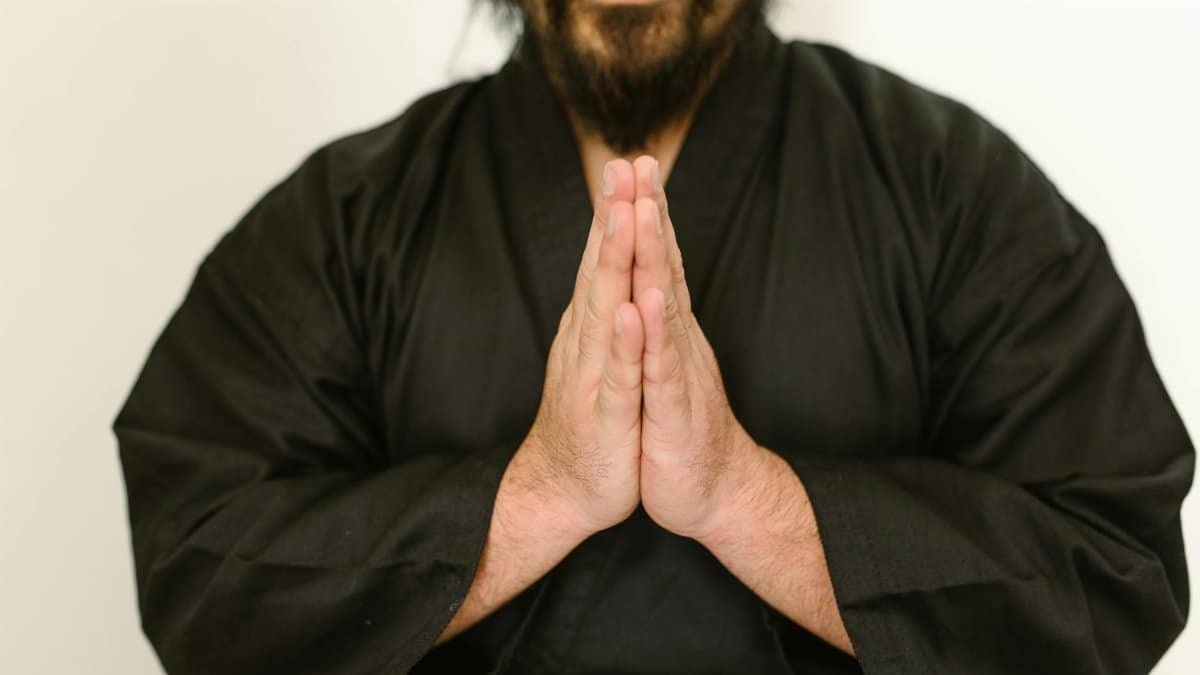
Hypnotherapy doesn’t stand alone in Scottsdale’s wellness landscape; it thrives when woven into established routines like yoga or meditation. This synergy creates a more robust framework for boosting peace, appealing to those who seek comprehensive approaches.
Take the case of a local yoga instructor who pairs hypnotherapy with asana flows. In her classes, students end with a hypnotic relaxation, deepening the physical benefits. “It’s like unlocking a door you didn’t know was there,” she explains, noting how participants report sustained calm long after the mat is rolled up. This blending draws from evidence-based insights; a study published in the International Journal of Clinical and Experimental Hypnosis found that combining hypnotherapy with mindfulness practices amplifies stress reduction.American Psychological Association Journals hosts related research showing improved outcomes in hybrid therapies.
Such integrations address common pitfalls, like the fleeting nature of single-method practices. In a fast-paced city like Scottsdale, where wellness trends come and go, this fusion offers staying power. Residents experiment with apps that guide hypnotic meditations post-workout, turning routines into rituals. However, balance is key—overloading can lead to burnout, so experts advise starting small.
Looking at 2025 trends, this hybrid model is gaining traction nationwide, with Scottsdale leading the charge in innovative pairings. It underscores a maturing wellness scene, where hypnotherapy enhances rather than replaces, fostering deeper peace through thoughtful combinations.
4. Addressing Mental Health Stigmas with Accessible Tools

What if hypnotherapy could dismantle the barriers around mental health discussions? In Scottsdale, it’s doing just that, providing low-stakes entry points for those hesitant about therapy.
A middle-aged accountant, long skeptical of “mind tricks,” tried hypnotherapy on a whim after reading about its benefits for anxiety. To his surprise, the non-invasive nature— no deep dives into childhood traumas—made it approachable. Sessions focused on positive visualizations, gradually eroding his reservations. This mirrors findings from Pew Research Center’s 2025 surveys on alternative health, where 55 percent of respondents cited ease of access as a draw.Pew Research Center on Alternative Medicine details how such therapies reduce stigma by framing wellness as empowerment.
Yet, accessibility brings questions of equity. Not all can afford private sessions, prompting community initiatives like subsidized programs at local clinics. These efforts ensure hypnotherapy, Scottsdale wellness, boost peace reach beyond affluent circles, democratizing calm. Tensions exist, too; critics argue it oversimplifies complex issues, but proponents counter with data showing complementary benefits alongside professional care.
Through these tools, Scottsdale is normalizing mental health conversations, one relaxed mind at a time.
5. Paving the Way for Future Innovations in Personalized Care
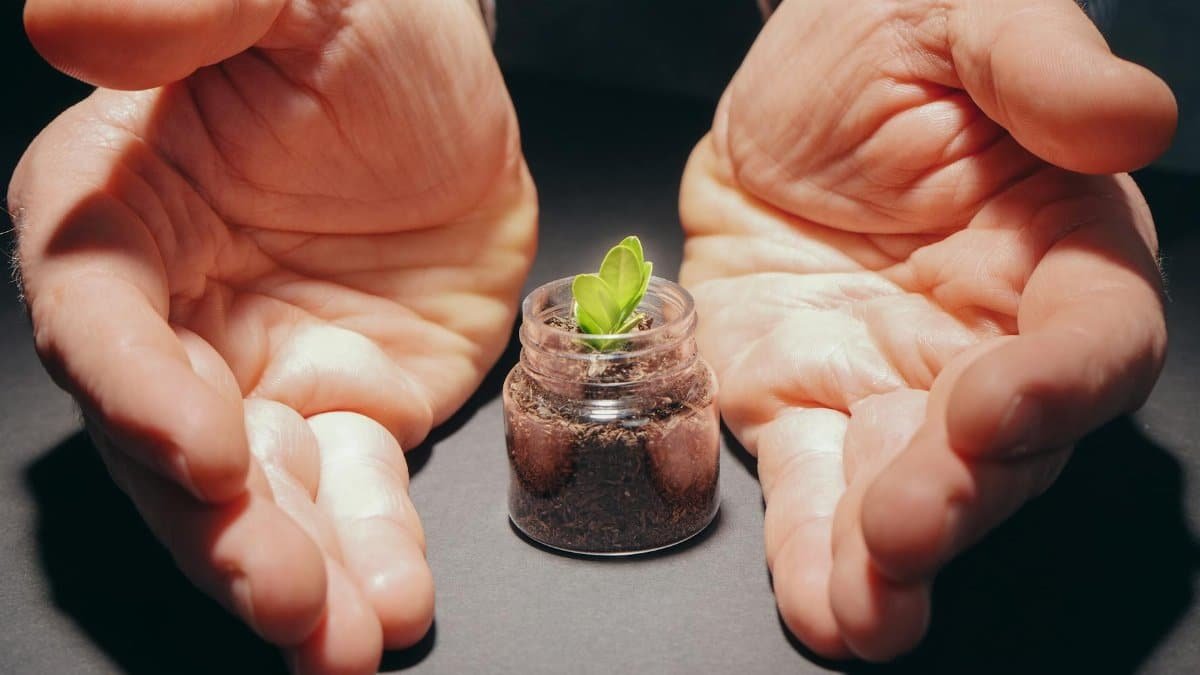
As hypnotherapy evolves, Scottsdale positions itself at the forefront of personalized wellness innovations, tailoring sessions to individual needs for maximum peace-boosting impact.
Imagine apps that customize hypnotic scripts based on user data, or virtual reality integrations simulating tranquil environments. Local startups are pioneering these, drawing tech-savvy residents eager for cutting-edge calm. One innovator described a prototype where AI analyzes stress patterns to suggest targeted hypnotherapy modules, promising efficiency in a time-strapped era.
This forward momentum aligns with national projections; a 2025 NIH-funded study predicts a 20 percent rise in tech-infused therapies.NIH News Releases often highlight such advancements, underscoring their potential. In Scottsdale, where innovation hubs thrive, these developments make hypnotherapy more precise, addressing unique triggers like seasonal affective dips in the desert climate.
Of course, ethical concerns loom—privacy in data-driven hypnosis, for instance. Balancing progress with safeguards will define the path ahead. Still, the promise is clear: hypnotherapy, Scottsdale wellness, boost peace are not static; they’re adapting, ensuring sustained relevance in an ever-changing world.
Through these five ways, hypnotherapy is quietly transforming Scottsdale’s approach to wellness, inviting residents to embrace deeper levels of peace in their daily lives.