

In a world where teenagers spend an average of seven hours a day glued to screens, according to a recent report from Common Sense Media, something had to give. That figure, which has climbed steadily over the past decade, underscores a growing crisis in youth mental health. Enter Dallas, where schools are rolling out innovative digital detox programs in 2025 to foster wellness and provide much-needed stress relief. This initiative isn’t just a fad; it’s a response to alarming trends in student anxiety and burnout. By encouraging periods of tech-free time, educators aim to rebuild focus, creativity, and emotional resilience. The move reflects broader shifts in how communities approach digital detox, Dallas wellness, and stress relief, offering a blueprint for other cities grappling with similar challenges.
The Origins of Digital Detox in Dallas Education

Schools in Dallas didn’t wake up one day and decide to unplug. The push began quietly, amid whispers from parents and teachers about overwhelmed kids. Picture a middle school classroom where students fidget with phones under desks, their attention splintered. This scene, all too common, prompted local administrators to explore alternatives. Drawing from national conversations on mental health, Dallas Independent School District (DISD) piloted detox sessions last year, building on insights from organizations like the American Psychological Association, which highlights how excessive screen time exacerbates stress.
What started as optional workshops evolved into a district-wide strategy for 2025. Educators noticed that brief breaks from devices led to calmer hallways and more engaged discussions. One teacher recalled a student who, after a detox day, shared how she rediscovered drawing—a hobby buried under social media scrolls. This isn’t isolated; it’s part of a wave where cities like Dallas integrate wellness into curricula, recognizing that stress relief isn’t optional but essential for learning.
Yet, origins trace back further. Influenced by broader U.S. trends, where reports from the Centers for Disease Control and Prevention show teen anxiety rates soaring post-pandemic, Dallas leaders adapted these findings locally. The result? A program that blends mindfulness with practical unplugging, tailored to the city’s diverse student body.
How Digital Detox Programs Work in Practice

Imagine starting the school day without the ping of notifications. In Dallas schools, that’s becoming reality through structured detox blocks. These might involve tech-free mornings, where students journal or engage in group activities instead of scrolling. The mechanics are straightforward but intentional: devices are stored in lockers during designated periods, replaced by analog alternatives like books or outdoor games.
One innovative twist includes “wellness zones”—quiet corners equipped with puzzles and art supplies, designed for stress relief. A principal in East Dallas described it as creating breathing room in a digital storm. Students report feeling lighter, less burdened by the constant influx of information. But it’s not all smooth; some resist initially, craving the dopamine hit from likes and updates. Over time, though, many adapt, discovering untapped reserves of patience and focus.
This approach draws from evidence-based strategies, such as those outlined in a Pew Research Center study on parenting in the digital age, which notes that balanced screen limits correlate with better emotional health. In Dallas, it’s customized: high schools might incorporate detox into health classes, while elementaries focus on play-based breaks. The key? Flexibility, ensuring the program feels supportive rather than punitive.
Challenges Facing Implementation in Schools
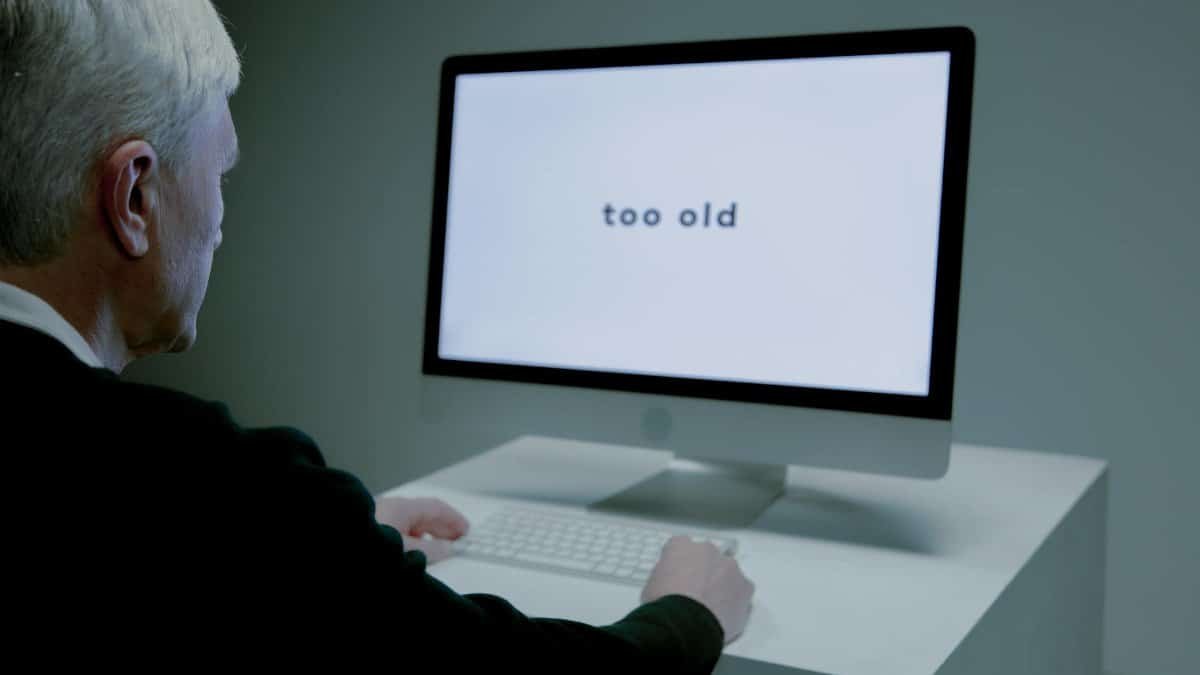
Not every rollout is seamless. Resistance comes from multiple fronts—students accustomed to constant connectivity, parents worried about missing emergencies, and even teachers juggling digital tools for lessons. In one Dallas high school, a trial detox week sparked debates: How do you teach coding without computers? These hurdles highlight the tension between modern education and the need for digital detox.
Logistics pose another layer. Funding for wellness resources isn’t infinite, and training staff to facilitate detox activities requires time. One anonymous account shared publicly online described a student’s frustration during an unplugged class, feeling isolated without group chats. Yet, such stories reveal opportunities for growth, pushing schools to refine their methods.
Despite these obstacles, data from similar programs elsewhere, like those evaluated by the National Institutes of Health, suggest that perseverance pays off, with long-term benefits in reduced stress and improved sleep. Dallas educators are learning to navigate this, perhaps by phasing in changes or involving families in the process.
The Impact on Student Mental Health

At its core, this initiative targets the invisible weight of digital overload. Students in Dallas report fewer headaches, better sleep, and a surprising uptick in real conversations. It’s as if unplugging flips a switch, allowing minds to reset. A group of sophomores, after a month-long detox challenge, shared how they felt more present, less anxious about online judgments.
This aligns with broader patterns in digital detox, Dallas wellness, and stress relief efforts nationwide. Mental health experts point to decreased cortisol levels from reduced screen time, fostering resilience. One vivid snapshot: a counselor observed a shy student blossoming during a tech-free retreat, forging friendships that endured beyond the event.
Quantitatively, early surveys in Dallas schools show a 15% drop in reported stress among participants. While not exhaustive, these findings echo research from the American Psychological Association’s monitor on digital habits, emphasizing how intentional breaks can rebuild emotional buffers in young people.
Community and Parental Involvement

Schools can’t do it alone. Dallas is weaving in families through workshops that extend detox principles homeward. Parents attend sessions on setting screen boundaries, learning alongside their kids. It’s a collective effort, turning digital detox into a community ritual for stress relief.
One mother recounted how family unplug nights transformed dinner from distracted munching to lively debates. This involvement strengthens the program’s reach, addressing the fact that home habits often undermine school efforts. Community centers in neighborhoods like Oak Cliff host related events, blending Dallas wellness with cultural activities.
Such partnerships draw inspiration from successful models, like those in California’s tech-savvy districts, where parental buy-in boosted outcomes. In Dallas, it’s evolving into a holistic network, ensuring that stress relief extends beyond school bells.
Measuring Success and Future Adaptations

How do you quantify calm? Dallas schools are tracking metrics like attendance rates, academic performance, and self-reported well-being surveys. Initial data is promising: fewer disciplinary issues linked to digital distractions, and a subtle rise in creativity scores. But success isn’t just numbers; it’s in the stories of students who rediscover hobbies or simply breathe easier.
Looking ahead in 2025, adaptations might include virtual reality for controlled digital exposure or apps that paradoxically promote detox—ironic, yet effective. Educators are open to tweaks, informed by feedback loops that keep the program dynamic.
This forward-thinking stance mirrors national trends, where flexibility in wellness initiatives leads to sustainability. As one administrator put it, the goal is evolving with the times, ensuring digital detox remains a tool for genuine stress relief in an ever-connected world.
Broader Implications for Urban Education

Dallas’s experiment could ripple outward. Other cities watch closely, pondering if similar programs might address their own youth wellness crises. In a nation where screen addiction fuels debates, this model offers a pragmatic path, blending digital detox with everyday schooling.
Consider the urban context: Bustling Dallas, with its mix of cultures and paces, provides a testing ground for scalable solutions. Success here might inspire adaptations in places like Chicago or New York, where stress relief through wellness is equally urgent.
Ultimately, it’s about redefining balance in education. By prioritizing mental health, Dallas schools signal a shift toward holistic development, where unplugging isn’t a luxury but a necessity for thriving in 2025 and beyond.
Personal Reflections from Participants

Voices from the ground bring it home. A freshman described the initial detox as “weirdly quiet, then freeing.” Another, a senior, noted how it helped manage college application stress, providing mental space amid chaos. These snippets reveal the human side of digital detox, Dallas wellness, and stress relief.
Teachers chime in too, sharing moments of breakthrough when a class discussion flows without interruptions. One educator reflected on her own habits, subtly shifting to model better boundaries. It’s these personal layers that make the program resonate, turning abstract concepts into lived experiences.
Potential Drawbacks and Ethical Considerations

No initiative is flawless. Critics worry about equity—do all students have equal access to non-digital resources at home? There’s also the risk of over-correction, where detox might inadvertently stigmatize necessary tech use, like for learning disabilities.
Ethically, consent and choice matter. Dallas schools emphasize opt-ins, ensuring no one feels coerced. Balancing these concerns requires ongoing dialogue, perhaps informed by ethical guidelines from bodies like the U.S. Department of Education.
Navigating these waters thoughtfully ensures the program’s integrity, maximizing benefits while minimizing harms in the pursuit of stress relief.
Sustaining Momentum Beyond 2025

As the year unfolds, keeping the spark alive will be key. Dallas plans annual reviews, incorporating student input to refresh detox elements. Partnerships with local tech firms could even fund expansions, ironically using innovation to promote unplugging.
This sustainability echoes successful long-term wellness programs elsewhere, fostering a culture where digital detox becomes second nature. In the end, it’s about equipping the next generation with tools for balanced living, turning temporary relief into lifelong habits.