
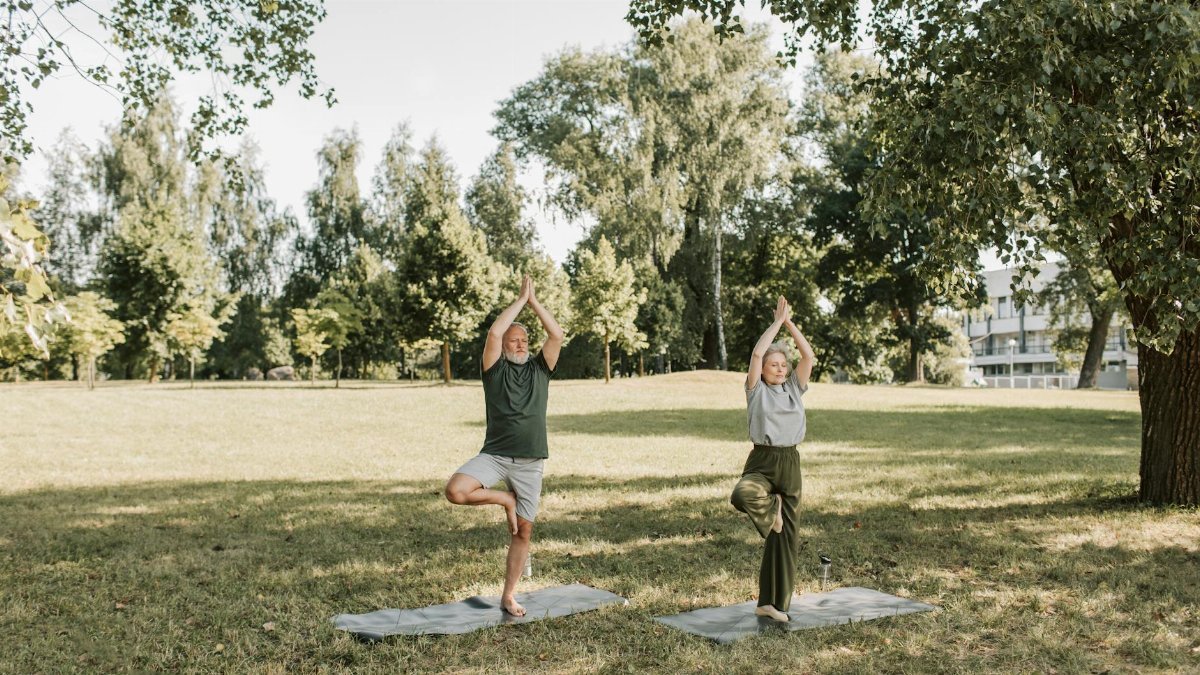
In the bustling neighborhoods of Charlotte, North Carolina, a quiet transformation is underway. As the city grapples with the pressures of urban life, from long commutes to demanding jobs, residents are turning to green spaces for solace. Parks that once hosted picnics and playground antics now echo with the rhythmic breaths of yoga practitioners. This shift reflects a broader cultural trend toward integrating wellness into everyday routines, particularly through yoga classes, charlotte wellness, stress relief initiatives. Launched in early 2025 by the city’s parks department, these free outdoor sessions aim to make mental health support accessible to all. Amid rising reports of anxiety and burnout, especially post-pandemic, such programs signal a community-driven response. They invite people to unroll their mats under the oaks, fostering not just physical flexibility but emotional resilience. It’s a reminder that healing can start in the simplest settings, right in one’s backyard.
The Genesis of Charlotte’s Yoga Initiative
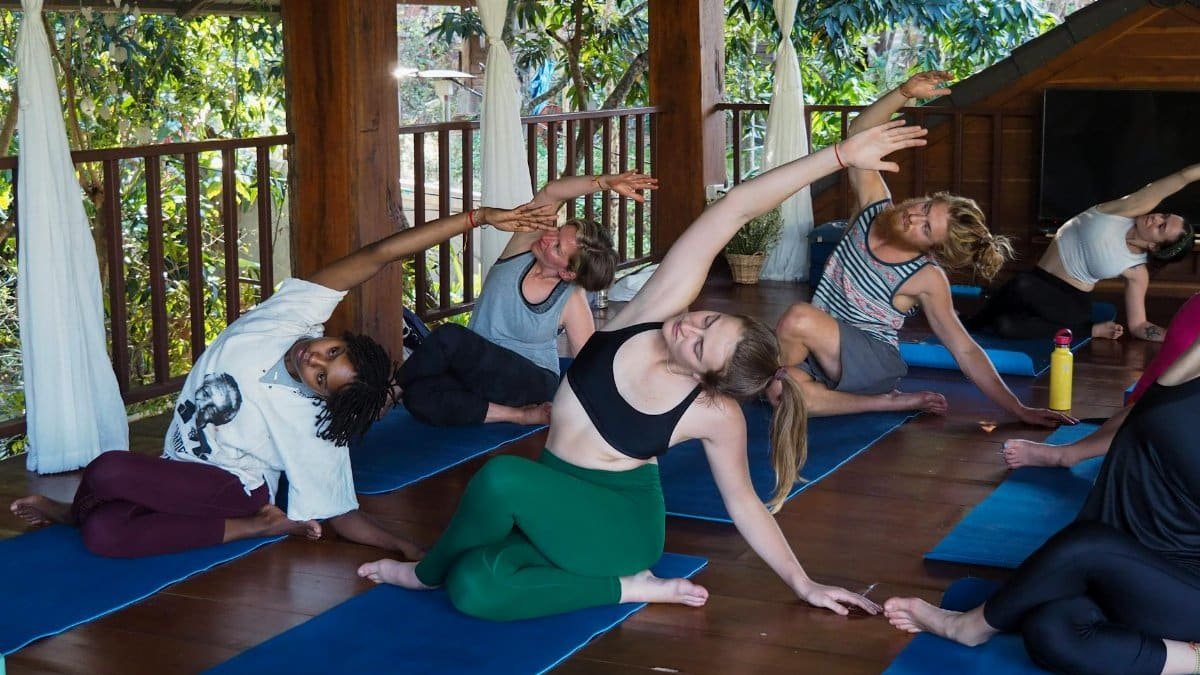
The idea for yoga classes in Charlotte’s parks didn’t emerge overnight. City officials, noticing a spike in mental health concerns among residents, drew inspiration from similar programs in other U.S. cities like Austin and Seattle. In 2025, with funding from local health grants, the parks department partnered with certified instructors to pilot sessions in Freedom Park and other green areas. These classes focus on gentle flows and mindfulness techniques, tailored for all ages and fitness levels.
One morning in Freedom Park, a group of about 30 people gathered at dawn. The air was crisp, carrying the scent of fresh grass. An instructor led them through sun salutations, her voice calm against the distant hum of traffic. Participants ranged from young professionals to retirees, each seeking a moment of peace. This scene captures the initiative’s core appeal: making yoga classes, charlotte wellness, stress relief a communal ritual rather than an exclusive gym activity.
According to a report from the Centers for Disease Control and Prevention (CDC), stress-related disorders have surged in urban areas, prompting innovative public health responses. Charlotte’s program aligns with this, aiming to reduce barriers like cost and intimidation that often deter people from wellness practices.
Unlocking Stress Relief Through Yoga
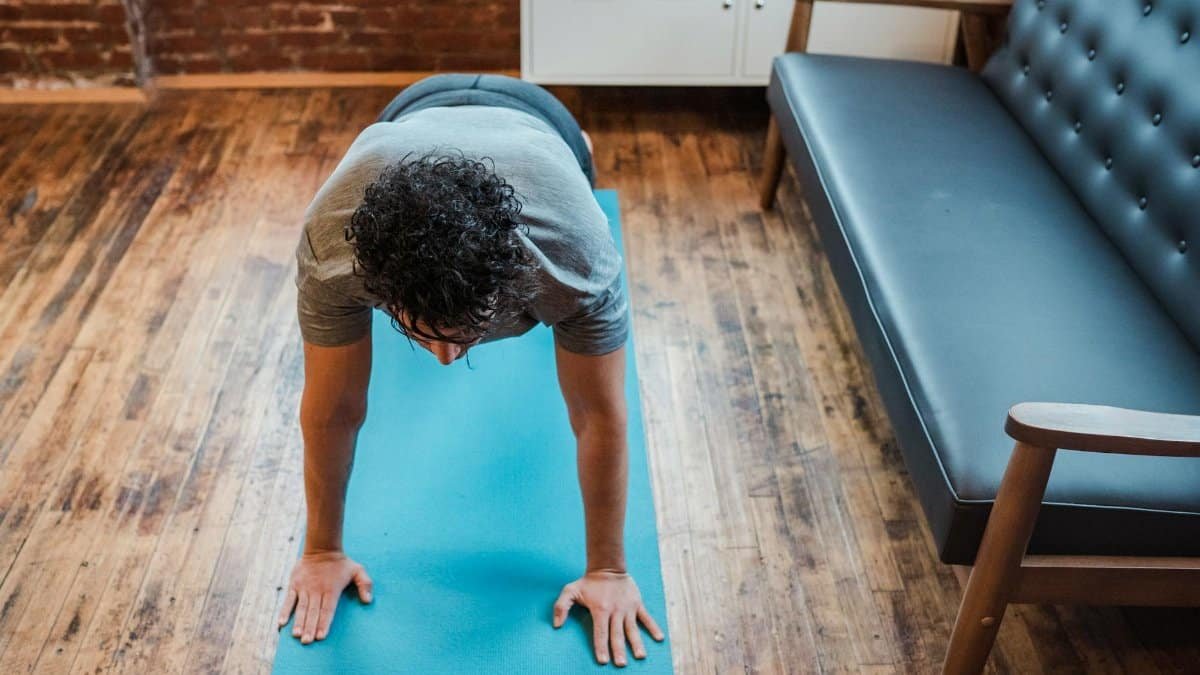
Yoga’s power lies in its simplicity. Poses like child’s pose or warrior stance encourage deep breathing, which activates the body’s relaxation response. In Charlotte’s classes, instructors emphasize this, guiding attendees to release tension built from daily grind.
Consider Sarah, a fictional composite based on real accounts: a marketing executive who joined after a particularly hectic quarter. “I felt my shoulders drop for the first time in months,” she recalled, her words echoing sentiments shared in anonymous online discussions about urban burnout. Such stories highlight how yoga interrupts the cycle of chronic stress, promoting better sleep and focus.
Research backs this up. A study published in the Journal of Alternative and Complementary Medicine found that regular yoga practice lowers cortisol levels. For more details, see the National Institutes of Health (NIH) summary. In Charlotte, these benefits are amplified by the outdoor setting, where nature’s elements enhance the calming effect.
Yet, it’s not all serene. Some sessions face interruptions from weather or noise, adding a layer of real-world adaptability that mirrors life’s unpredictability.
Building Community Bonds in Green Spaces

What sets Charlotte’s yoga events apart is their emphasis on connection. Unlike solitary home practices, these gatherings foster a sense of belonging. After a class in Romare Bearden Park, participants often linger, sharing coffee and conversations about their weeks.
This social aspect is crucial for mental health. Isolation can exacerbate stress, but group activities provide support networks. One retiree described it as “finding my tribe in the treetops,” a nod to the park’s canopy overhead. These interactions turn wellness into a shared journey, strengthening community resilience.
Data from Pew Research Center shows that Americans increasingly value community-based health initiatives, with participation rates climbing in 2025. Charlotte’s program taps into this trend, potentially inspiring other cities to follow suit.
Expert Views on Mental Health Gains

Psychologists and wellness experts praise the initiative. Dr. Elena Ramirez, a local therapist, notes that yoga combines movement with mindfulness, a potent duo for anxiety reduction. “It’s like hitting reset on your nervous system,” she says.
In-depth studies support her view. The American Psychological Association highlights yoga’s role in managing depression symptoms. For a comprehensive overview, refer to their mindfulness resources page. In Charlotte, instructors incorporate evidence-based elements, such as guided meditations drawn from cognitive behavioral techniques.
Still, experts caution against viewing yoga as a cure-all. It works best alongside other supports, like therapy or medication, creating a holistic approach to charlotte wellness, stress relief.
Navigating Challenges for Newcomers
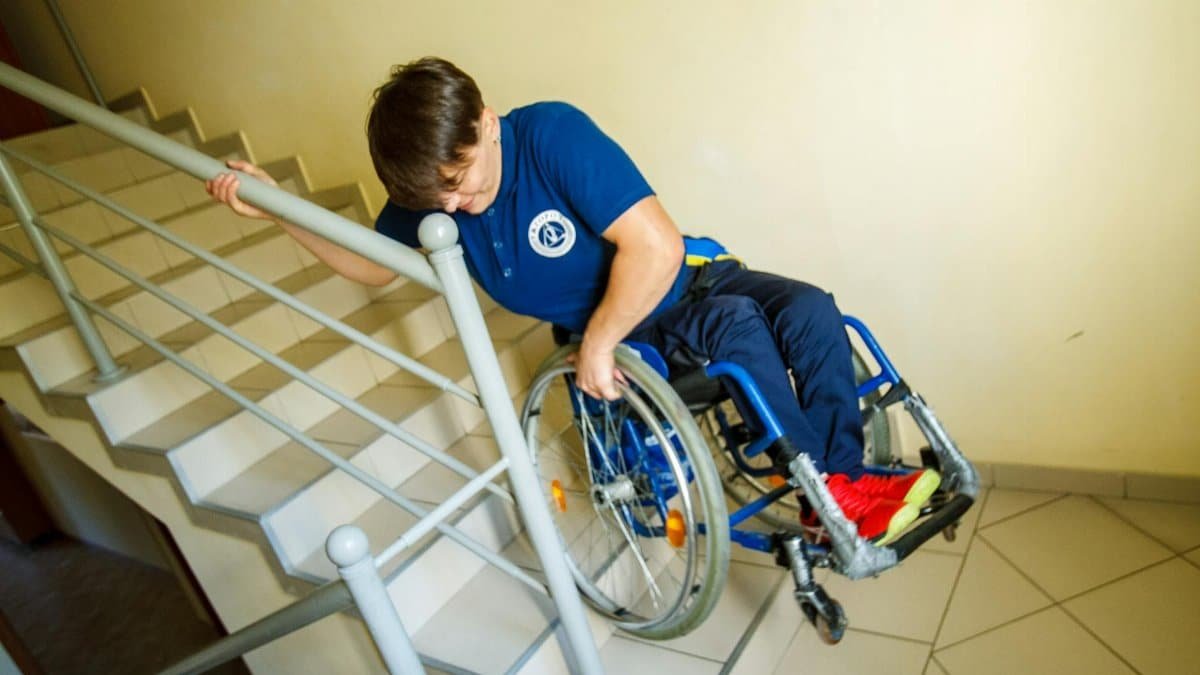
Not everyone arrives at these classes feeling confident. Beginners often worry about flexibility or fitting in. Charlotte’s program addresses this with introductory sessions and modifications for various abilities.
Take the case of a young father who hesitated at first. “I thought yoga was for the bendy types,” he admitted. But after a few weeks, he noticed improved patience at home. This evolution underscores the program’s inclusive design, which includes props and encouragement from peers.
Weather poses another hurdle in the humid South. Classes shift indoors during rain, ensuring consistency. Such adaptations make yoga classes, charlotte wellness, stress relief accessible year-round, even in unpredictable climates.
Stories of Transformation from Participants
Personal narratives bring the initiative to life. One woman, juggling work and family, found solace in weekly sessions. “It became my anchor,” she shared, her experience mirroring those in broader U.S. wellness trends.
Another participant, recovering from job loss, used the classes to rebuild confidence. The group dynamic provided unspoken support, turning strangers into allies. These anecdotes, drawn from community feedback, illustrate yoga’s ripple effects on daily life.
In online forums, similar tales abound anonymously: “Yoga in the park saved my sanity during a tough move,” one post read, capturing the quiet victories of stress relief.
Expanding Access and Inclusivity
Charlotte’s parks department is committed to equity. Classes are free, with bilingual options and accommodations for disabilities. This broadens reach to underserved communities, where mental health resources are often scarce.
Partnerships with local nonprofits amplify impact. For instance, sessions for veterans incorporate trauma-informed practices, addressing specific needs. This targeted approach enhances the program’s effectiveness in promoting charlotte wellness, stress relief across demographics.
Sustaining Momentum Beyond 2025

As the year progresses, the initiative shows no signs of slowing. Plans include evening classes and themed events, like yoga for stress relief during holidays. Feedback loops with participants ensure evolution.
Looking at national patterns, programs like this could become staples in urban planning. With mental health a growing priority, Charlotte’s model offers a blueprint for integrating yoga classes, charlotte wellness, stress relief into public life.
Yet, sustainability requires ongoing funding and engagement. Community involvement will be key, turning one-off events into enduring habits.
Integrating Yoga into Everyday Routines

Beyond parks, the program’s influence spills into homes and workplaces. Attendees report practicing short sequences during breaks, embedding wellness into routines.
This integration reflects a shift in how Americans view self-care. No longer a luxury, it’s essential. In Charlotte, it’s sparking conversations about work-life balance, potentially influencing local policies.
The Broader Implications for Urban Health

Charlotte’s yoga classes signal a larger movement toward proactive mental health strategies. By leveraging public spaces, cities can combat the isolation of modern life.
Experts predict that in 2025 and beyond, such initiatives will gain traction, supported by data showing long-term benefits. Ultimately, they remind us that wellness thrives in community, one breath at a time.