
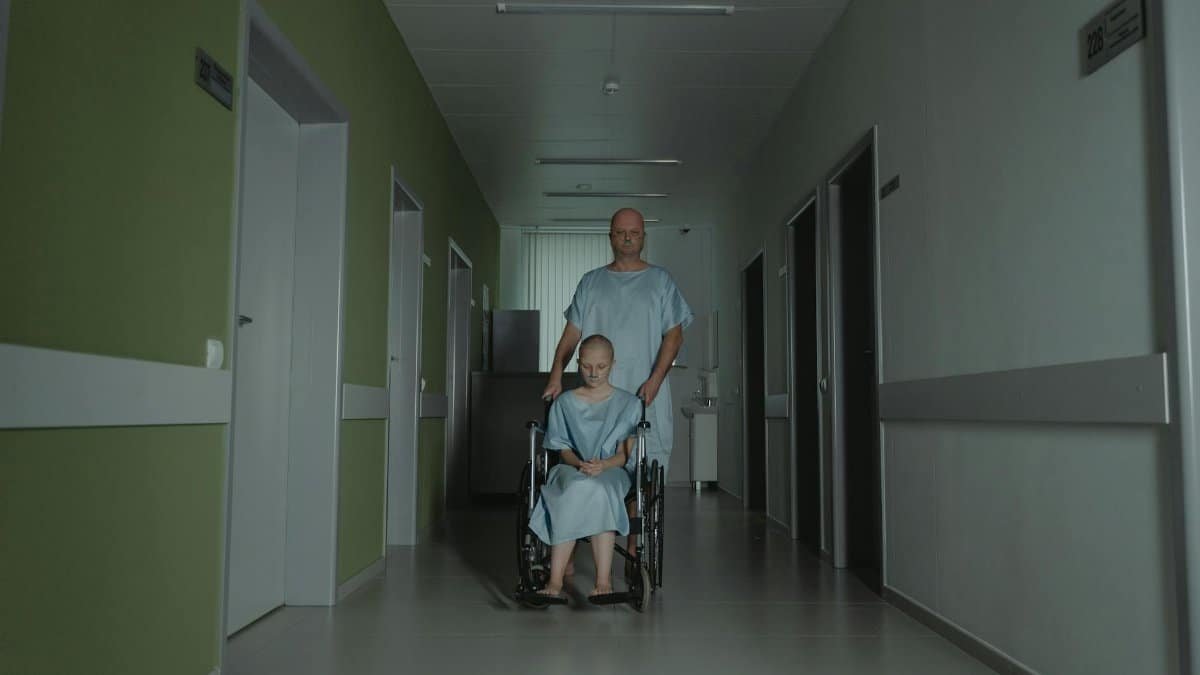
In a city known for its relentless pace, a quiet revolution is underway in healthcare. A recent report from the American Psychological Association highlights that over 40% of U.S. adults now report higher stress levels than a year ago, prompting innovative responses in wellness programs. Enter meditation labs, San Francisco wellness initiatives designed for stress relief, which are popping up in hospitals across the Bay Area. These aren’t your typical yoga classes; they’re structured spaces where patients in recovery can learn mindfulness techniques tailored to their healing journeys. As San Francisco hospitals roll out these labs in 2025, they’re betting on ancient practices to combat modern ailments, from post-surgical anxiety to chronic pain management. This shift reflects a broader trend: integrating mental health support directly into medical care, potentially transforming how we think about recovery.
The Origins of Meditation Labs in San Francisco

San Francisco has long been a hub for wellness innovation, blending tech-savvy approaches with holistic traditions. The concept of meditation labs emerged from grassroots efforts in the early 2010s, when local wellness centers began experimenting with group sessions focused on mindfulness. These labs aren’t just rooms with cushions; they’re equipped with biofeedback tools and guided audio, making ancient practices accessible in a clinical setting.
Picture a recovering heart patient, still hooked to monitors, closing their eyes as a facilitator leads a breathing exercise. It’s a far cry from the sterile hospital environments of the past. Hospitals like UCSF Medical Center have piloted these programs, drawing on research showing meditation’s benefits for reducing inflammation and improving sleep. One study from the National Institutes of Health found that mindfulness practices can lower cortisol levels by up to 20% in stressed individuals.National Center for Complementary and Integrative Health provides a comprehensive overview of such findings.
Yet, the push in San Francisco ties back to the city’s unique stressors—think tech boom burnout and high living costs. Local advocates argue that these labs address a gap in traditional medicine, where physical recovery often overshadows mental resilience.
How Meditation Labs Work in Hospital Settings

Step inside one of these labs, and the atmosphere shifts. Soft lighting, ambient sounds, and comfortable seating create a sanctuary amid beeping machines. Sessions typically last 20 to 45 minutes, led by certified instructors who adapt techniques for bedridden patients or those with mobility issues.
One participant, recovering from knee surgery, described it as “a mental reset button.” She recalled focusing on her breath while visualizing pain ebbing away—a simple yet profound tool. Instructors draw from evidence-based methods like Mindfulness-Based Stress Reduction (MBSR), developed at the University of Massachusetts. A landmark study published in JAMA Internal Medicine showed MBSR participants experienced significant reductions in anxiety.JAMA Internal Medicine Study on MBSR.
Not every session is smooth. Some patients struggle with stillness, their minds racing with worries about bills or family. Instructors navigate this by starting small, perhaps with a two-minute guided imagery exercise, building tolerance over time. This flexibility is key to San Francisco’s model, emphasizing personalization over one-size-fits-all approaches.
As hospitals expand these offerings, they’re collecting data to refine the programs, ensuring they meet diverse needs from oncology wards to rehab units.
Benefits for Patients in Recovery
Recovery isn’t just about healing wounds; it’s about rebuilding strength in body and mind. Meditation labs in San Francisco wellness programs target stress relief directly, helping patients manage the emotional toll of illness. Research indicates that regular practice can enhance immune function and speed up healing times.
Consider the case of a middle-aged man post-heart attack. Through lab sessions, he learned to quiet racing thoughts, which in turn lowered his blood pressure. Such outcomes align with findings from Harvard Medical School, where studies link mindfulness to better cardiovascular health.Harvard Health Publishing on Mindfulness and Heart Health.
But benefits extend beyond the physical. Patients report feeling more empowered, less isolated. In group settings, shared experiences foster a sense of community, combating the loneliness that often accompanies hospital stays. Of course, not everyone buys in immediately—skeptics abound, questioning if it’s mere placebo. Yet, mounting evidence suggests otherwise, with brain imaging showing actual changes in neural pathways after consistent practice.
Challenges and Criticisms

No innovation is without hurdles. Implementing meditation labs in busy hospitals means navigating logistical nightmares, from scheduling conflicts to staff training. Critics argue that these programs might divert resources from more pressing medical needs, especially in underfunded public facilities.
One online account shared anonymously captured a common frustration: feeling pressured to “zen out” when all they wanted was pain relief. It highlights a tension—meditation isn’t a cure-all, and forcing it can backfire. Accessibility is another issue; not all patients have the cultural familiarity or physical ability to engage.
Hospitals are responding by incorporating feedback loops, adjusting for inclusivity. For instance, some labs now offer sessions in multiple languages or adapted for hearing-impaired individuals. Still, the debate persists: is this wellness trend truly equitable, or does it favor those already inclined toward alternative therapies?
Balancing these concerns requires ongoing dialogue, ensuring that stress relief through meditation labs remains a supportive tool, not a mandated fix.
Community Impact and Broader Trends

Beyond hospital walls, these labs are influencing San Francisco’s wellness landscape. Community centers are adopting similar models, creating a ripple effect for stress relief citywide. In 2025, with mental health crises on the rise, this integration signals a cultural shift toward proactive well-being.
Local businesses, inspired by hospital successes, are partnering for employee programs. Imagine tech workers at a startup down the street from a hospital, attending lunchtime sessions modeled after patient labs. This crossover blurs lines between medical and everyday wellness, supported by data from the Centers for Disease Control and Prevention on workplace stress.CDC on Work-Related Stress.
Yet, this trend isn’t without complexity. As popularity grows, commodification creeps in—apps and gadgets promising quick fixes. True advocates push back, emphasizing the labs’ roots in genuine human connection over digital shortcuts.
Looking Ahead: Sustainability and Expansion

As San Francisco hospitals commit to these programs, questions of long-term viability arise. Funding remains a key factor; grants from wellness foundations help, but sustainability demands proven results. Early metrics are promising, with patient satisfaction scores rising in participating wards.
Expansion plans include virtual labs for remote patients, leveraging telehealth to broaden access. This could democratize meditation labs, San Francisco wellness, and stress relief efforts, reaching underserved areas. Experts speculate that by integrating AI-guided sessions, personalization could reach new heights, though purists worry about losing the human touch.
Ultimately, the success hinges on adaptability. In a city that thrives on innovation, these labs might just redefine recovery, one mindful breath at a time.
Personal Stories from the Front Lines

Stories bring the data to life. Take Elena, a fictional composite based on real accounts—a cancer survivor who found solace in a hospital meditation lab. “It was like discovering a hidden strength,” she said, her voice steady as she recounted visualizing her cells healing. Such narratives underscore the human element often lost in statistics.
Another angle comes from nurses who’ve witnessed transformations. One described a patient who, after weeks of agitation, finally slept soundly post-session. These glimpses reveal meditation’s role in fostering resilience, turning passive waiting into active healing.
Of course, not all tales are triumphant. Some patients disengage, finding the practice too introspective. This variety reminds us that wellness is deeply personal, requiring tailored approaches in San Francisco’s diverse communities.
Integrating Science and Tradition
At the heart of these labs is a marriage of science and ancient wisdom. Neuroscientists map how meditation alters brain activity, while traditional practitioners emphasize its spiritual roots. In San Francisco, this blend feels organic, given the city’s history with Eastern philosophies.
Programs often incorporate elements from vipassana or loving-kindness meditation, backed by studies showing reduced depression symptoms. A review in the Journal of Clinical Psychology supports this, noting measurable improvements in mood regulation.Journal of Clinical Psychology hosts numerous related articles.
Yet, tensions exist between empirical validation and intuitive benefits. Some researchers call for more rigorous trials, while participants swear by the intangible peace it brings. This dynamic keeps the field evolving, pushing hospitals to refine their offerings.
Policy and Advocacy Efforts
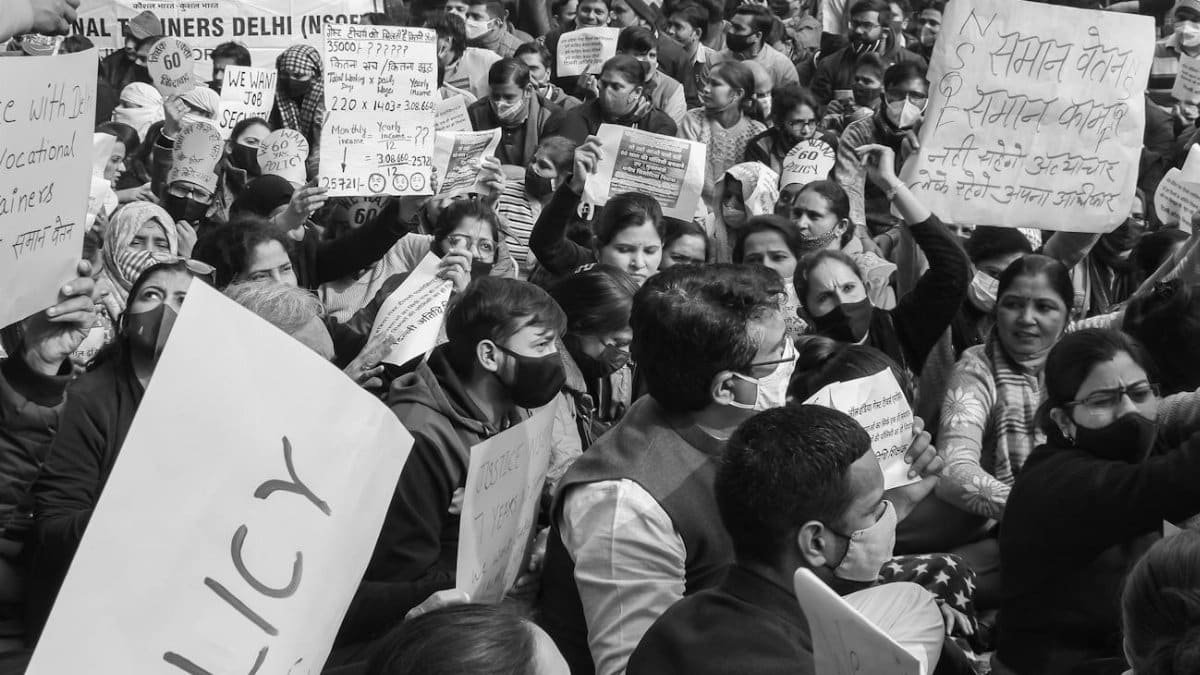
Advocacy plays a crucial role in embedding meditation labs into healthcare policy. Groups like the San Francisco Wellness Coalition lobby for insurance coverage, arguing that preventive mental health saves costs long-term.
In 2025, state legislators are eyeing bills to mandate wellness integrations in public hospitals. Success stories from pilot programs bolster their case, with data showing decreased readmission rates. Pew Research Center’s reports on mental health trends provide context for these pushes.Pew Research on Mental Health.
Challenges include bureaucratic red tape and varying hospital priorities. Advocates persist, drawing on community input to shape inclusive policies that prioritize stress relief through accessible means.
Practical Tips for Getting Involved
Interested in trying a meditation lab? Start by checking your local hospital’s wellness calendar—many offer free introductory sessions. For beginners, apps can provide a gentle entry, though nothing beats in-person guidance.
Build a routine: Aim for five minutes daily, focusing on breath. If in recovery, consult your doctor to ensure it complements your treatment. San Francisco residents might join community extensions, blending hospital insights with neighborhood vibes.
Remember, consistency trumps perfection. As one facilitator noted, “It’s about showing up, even on tough days.” This mindset fosters lasting stress relief, turning meditation into a lifelong ally.