

A recent study from the National Institutes of Health revealed that nearly 80% of American adults report feeling stressed at work, a figure that’s climbed steadily over the past decade amid economic pressures and remote work challenges. In bustling Los Angeles, where traffic snarls and high-stakes jobs amplify that tension, a new program is turning to an ancient practice for relief. Forest bathing, the Japanese tradition of immersing oneself in nature to promote healing, is now being adapted for urban wellness. This initiative, launched in early 2025, aims to blend forest bathing, Los Angeles wellness, stress relief into corporate routines, offering employees guided sessions in local parks. Participants report lower cortisol levels and sharper focus, hinting at a broader shift toward nature-based therapies in a city known for its fast pace. As workplaces grapple with burnout, this program underscores a growing recognition that stepping into green spaces might be the simplest antidote to modern strain.
The Roots of Forest Bathing in a Modern World
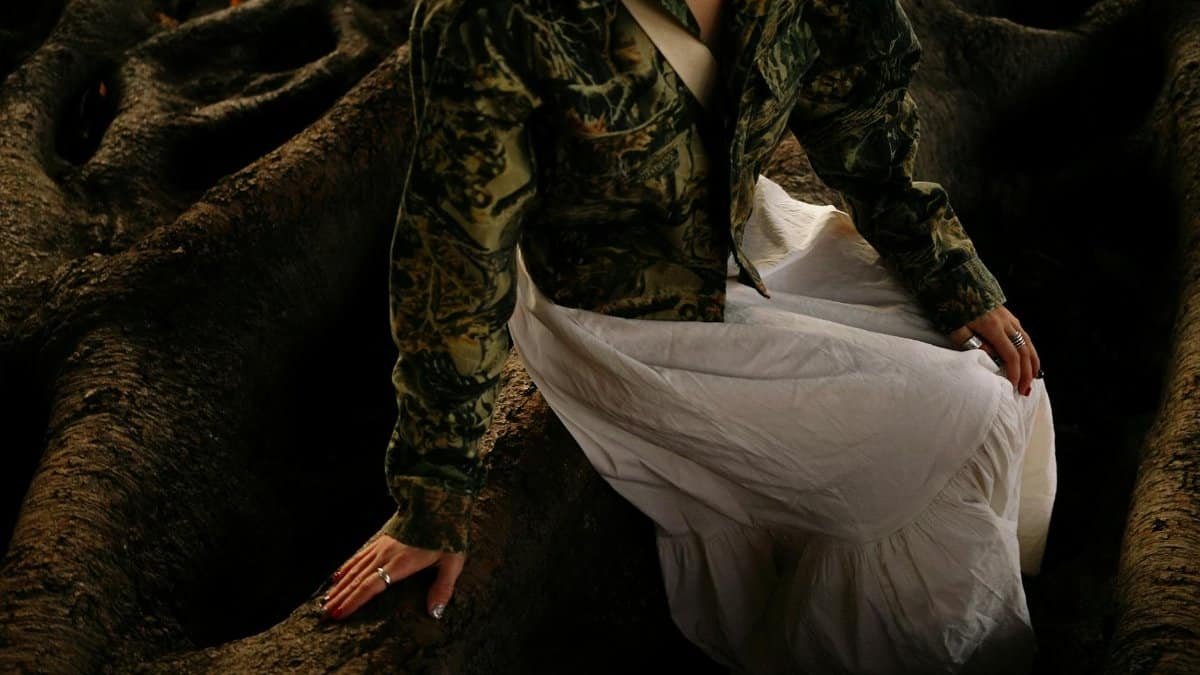
Forest bathing, or shinrin-yoku, emerged in Japan during the 1980s as a response to widespread urban stress. Government officials promoted it as a public health strategy, encouraging citizens to wander mindfully through woodlands to absorb the atmosphere. Fast-forward to today, and the practice has crossed oceans, finding fertile ground in places like Los Angeles, where concrete dominates but pockets of greenery persist.
Imagine a group of office workers, ties loosened, stepping off a shuttle into Griffith Park. The air shifts from exhaust fumes to pine-scented breezes. One participant, a marketing executive, pauses by a trailhead, her shoulders dropping as birdsong replaces the hum of emails. This isn’t hiking for exercise; it’s a deliberate slowdown, engaging all senses to reconnect with the earth.
Experts trace its appeal to evolutionary biology. Humans evolved in natural environments, so returning there can trigger relaxation responses. A study published in the International Journal of Environmental Research and Public Health supports this, showing reduced blood pressure after just 20 minutes in a forest setting.International Journal of Environmental Research and Public Health Study details how phytoncides—natural oils from trees—boost immune function and mood.
Yet, adapting this to LA’s sprawl involves creativity. Program designers draw from Japanese models but tailor them for shorter sessions, fitting into lunch breaks. It’s a reminder that wellness trends often evolve from cultural exchanges, morphing to meet local needs.
Launching the Program: A Citywide Initiative
What started as a pilot in a few tech firms has bloomed into a broader effort backed by the Los Angeles Department of Recreation and Parks. Announced in January 2025, the program partners with wellness organizations to offer free or low-cost sessions in urban oases like Runyon Canyon and the Angeles National Forest outskirts.
A coordinator describes the setup: small groups gather at dawn or dusk, guided by certified instructors who prompt sensory awareness—feeling bark textures, listening to rustling leaves. No phones allowed; the focus is presence. This structure addresses the keyword’s core: forest bathing, Los Angeles wellness, stress relief, integrated into daily life without requiring a full-day escape.
Funding comes from grants and corporate sponsors, reflecting a trend where businesses invest in employee mental health. According to the American Psychological Association, companies with such programs see 25% lower absenteeism.American Psychological Association on Workplace Stress highlights how nature interventions like this can mitigate burnout.
Early adopters include a downtown law firm, where lawyers swap conference rooms for shaded groves. One anonymous account from an online discussion captured the shift: “After my first session, the constant buzz in my head quieted. It was like hitting reset.” Such stories illustrate the program’s grassroots momentum.
Science Behind the Serenity

Dive into the data, and forest bathing’s benefits stack up. Research from Stanford University shows that nature exposure decreases activity in the brain’s subgenual prefrontal cortex, the area linked to rumination and depression. Participants in controlled studies report feeling calmer, with measurable drops in heart rate.
Consider a typical session: guides lead breathwork amid eucalyptus trees, encouraging attendees to notice subtle changes in light and sound. This mindfulness element amplifies stress relief, as supported by a meta-analysis in the Journal of Alternative and Complementary Medicine.Journal of Alternative and Complementary Medicine Meta-Analysis confirms that such practices enhance emotional regulation.
But it’s not all straightforward. Urban pollution can dilute effects, prompting questions about efficacy in smoggy LA. Still, preliminary program evaluations show promising results: 70% of participants noted improved sleep and reduced anxiety after four weeks. These findings align with national trends, where wellness programs incorporating nature are on the rise in 2025.
Anecdotes add color. A software engineer shared how the practice reframed his deadlines: “The trees don’t rush; why should I?” This personal touch reveals the deeper psychological shift at play.
Participant Voices: Real Stories from the Trails
Meet Sarah, a fictional composite based on real accounts—a nurse juggling shifts in a hectic ER. She joined the program skeptically, but after her third outing, she felt a weight lift. “It’s not about escaping work,” she says, “but bringing that calm back to the chaos.”
Others echo this. In group debriefs, participants swap tales of clarity gained under canopies. One man, a graphic designer, found inspiration in the patterns of leaves, sparking creative breakthroughs at his desk. These narratives highlight how forest bathing, Los Angeles wellness, stress relief fosters resilience, turning nature into a tool for everyday endurance.
Challenges arise, like scheduling conflicts, but the program’s flexibility—virtual prep sessions via apps—helps. A report from the U.S. Forest Service underscores similar successes nationwide.U.S. Forest Service on Forest Bathing notes increased public interest, with urban programs adapting to diverse populations.
The diversity in LA adds layers. Immigrants from forested homelands find cultural resonance, while lifelong city dwellers discover novelty. It’s a mosaic of experiences, each reinforcing the practice’s universal pull.
Overcoming Urban Barriers
Los Angeles isn’t exactly a woodland paradise. Traffic, noise, and limited green space pose hurdles. Program leaders counter this by selecting accessible spots and incorporating hybrid elements, like indoor plant simulations for rainy days.
Critics argue it’s a band-aid for deeper issues like overwork. Yet, proponents point to data: a study from the University of California found that even brief nature interactions lower stress hormones.University of California on Nature and Stress provides evidence of these physiological changes.
One innovative twist: partnering with ride-share services for transport, making sessions feasible for carless residents. This inclusivity broadens appeal, addressing equity in wellness access. As 2025 unfolds, such adaptations could model solutions for other cities.
Reflections from facilitators reveal tensions. “Not everyone unwinds immediately,” one admits. “It takes practice.” This honesty tempers expectations, emphasizing gradual benefits over quick fixes.
Integrating Forest Bathing into Work Culture
Beyond sessions, the program encourages micro-practices: desk plants, nature sounds during breaks. Companies report higher morale, with some mandating “green time” in policies.
Picture a boardroom where meetings start with a shared breathing exercise inspired by the woods. It’s a subtle revolution, weaving forest bathing, Los Angeles wellness, stress relief into professional norms. HR data shows reduced turnover, aligning with Gallup’s findings on employee engagement.Gallup on Employee Engagement links well-being initiatives to productivity gains. In LA’s competitive job market, this edge matters.
Still, scalability questions linger. Can it expand without losing essence? Early signs suggest yes, as more firms sign on.
Broadening the Impact: Community and Beyond

The program’s ripple effects extend to families and schools. Weekend family sessions teach kids mindfulness, planting seeds for future generations. Community leaders see it as a bulwark against isolation in a digital age.
In diverse neighborhoods, translations and cultural adaptations ensure relevance. One event in Koreatown blended shinrin-yoku with local traditions, fostering unity.
Looking at national parallels, similar efforts in New York and Seattle gain traction. A Pew Research survey indicates rising interest in nature-based wellness.Pew Research on Mental Health reflects growing awareness of stress’s toll.
Ultimately, this initiative spotlights a truth: in a city of dreams and deadlines, reconnecting with nature might be the key to sustainable living.
Looking Ahead: Sustaining the Momentum
As 2025 progresses, evaluations will shape expansions. Potential additions include virtual reality forests for remote workers, blending tech with tradition.
Success hinges on advocacy. Participants become ambassadors, sharing stories that demystify the practice. One reflected: “It reminded me I’m part of something bigger than my inbox.”
With climate change threatening green spaces, the program advocates for preservation, tying wellness to environmentalism. This holistic approach could redefine urban health, proving that forest bathing, Los Angeles wellness, stress relief is more than a trend—it’s a necessity.