

San Francisco’s bustling streets, lined with tech offices and foggy mornings, have long symbolized innovation. But lately, a quieter revolution is unfolding in its schools. Educators are turning to ancient practices to combat modern woes, introducing yoga classes as a cornerstone of San Francisco wellness and stress relief efforts. This shift reflects a broader cultural trend: as anxiety levels rise among young people, cities like San Francisco are weaving mindfulness into the fabric of education. In 2025, several districts plan to roll out these programs, aiming to equip students with tools for resilience amid academic pressures and digital distractions. It’s not just about stretching; it’s about fostering a generation better prepared to handle life’s curveballs. This move highlights how urban centers are prioritizing mental health, blending tradition with contemporary needs to create calmer, more focused learning environments.
The Origins of Yoga in San Francisco’s Educational Landscape

In the heart of the Bay Area, where progressive ideas often take root, the push for yoga in schools didn’t emerge overnight. It stems from a growing recognition that traditional education overlooks emotional well-being. Back in the early 2010s, pilot programs in a few elementary schools experimented with brief meditation sessions, drawing inspiration from California’s holistic health scene. Fast forward to today, and the conversation has evolved. School administrators, influenced by reports of surging teen stress, see yoga as a natural extension. One educator recalled a pivotal staff meeting where the room buzzed with stories of overwhelmed kids. “We can’t ignore the burnout anymore,” she said, her voice echoing the sentiments of many. This initiative builds on that foundation, tailoring yoga classes to fit into San Francisco wellness frameworks, offering stress relief through breathwork and gentle poses.
What’s driving this? Data from national surveys paints a stark picture. According to the Centers for Disease Control and Prevention’s Youth Risk Behavior Survey, persistent feelings of sadness or hopelessness affected over 40% of high school students in recent years. In San Francisco, local health officials note even higher rates, tied to the city’s high-stakes environment. Yoga, with its emphasis on mindfulness, steps in as a proactive measure. It’s not a cure-all, but it provides a pause in the chaos.
Designing Yoga Programs for Young Minds

Imagine a classroom transformed: mats unrolled on the floor, soft music playing, and students from diverse backgrounds settling into child’s pose. That’s the vision for these new yoga classes. Program designers focus on age-appropriate adaptations, ensuring sessions are inclusive and fun. For younger kids, it’s playful storytelling woven with movements; for teens, it might involve discussions on managing exam anxiety. This approach integrates seamlessly with San Francisco wellness goals, emphasizing stress relief without overwhelming schedules.
Experts from organizations like the Yoga Alliance guide the curriculum, stressing trauma-informed practices. One anonymous online account shared a touching story: a student who struggled with focus found solace in daily breathing exercises, describing it as “a reset button for my brain.” Such snapshots illustrate the potential. Yet, variety is key—some sessions incorporate partner poses to build community, others solo reflections to encourage self-awareness. The result? A program that’s as dynamic as the city itself.
Addressing Student Stress Through Mindful Movement

Stress relief lies at the core of these yoga initiatives. In a city where ambition runs high, students face relentless pressures—from college applications to social media scrutiny. Yoga classes offer a counterbalance, teaching techniques like progressive muscle relaxation. Research supports this: a study published in the Journal of Evidence-Based Integrative Medicine found that school-based yoga reduced anxiety symptoms in adolescents by up to 20%. In San Francisco, early adopters report similar outcomes, with participants noting improved sleep and concentration.
But it’s not always straightforward. Some kids resist at first, viewing it as “weird” or unnecessary. Teachers navigate this by starting small, perhaps with a five-minute guided meditation before tests. Over time, reluctance fades. One middle schooler, in a shared reflection, admitted, “I thought it was silly, but now I use the poses when I’m freaking out about homework.” This evolution underscores yoga’s role in building emotional toolkits, aligning with broader San Francisco wellness trends that prioritize preventive mental health.
Challenges in Implementing School Yoga
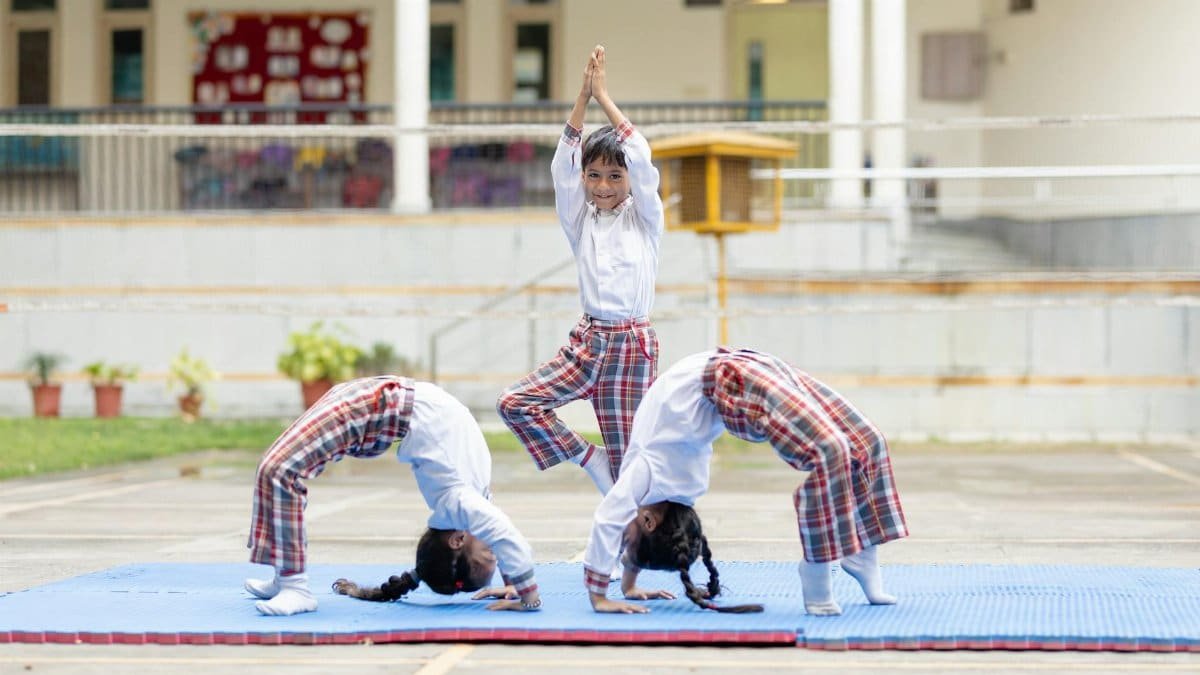
Rolling out yoga classes isn’t without hurdles. Funding remains a big one—schools must secure grants or partnerships to cover instructors and materials. In budget-strapped districts, this can delay launches. Then there’s training: not every teacher feels equipped to lead sessions, requiring professional development that eats into time. Cultural sensitivities add another layer; ensuring programs respect diverse backgrounds means consulting community leaders.
Despite these obstacles, momentum builds. A report from the U.S. Department of Education highlights successful models in other states, offering blueprints for San Francisco. Local advocates push forward, arguing that the long-term benefits outweigh initial costs. Picture a principal juggling spreadsheets late at night, determined to make it work. Such dedication reveals the deeper commitment to student well-being, even as logistical snags test resolve.
Voices from the Classroom: Teachers and Students Weigh In

Step into a San Francisco high school, and you’ll hear varied opinions on the yoga push. Teachers like Maria, a veteran educator, praise it for creating calmer classrooms. “Kids are more present,” she observes, noting fewer disruptions. Students echo this, with one teen describing yoga as “a break from the grind.” Yet, not all feedback is glowing—some feel it’s just another box to check.
These perspectives highlight the human element. In online discussions, educators anonymously share triumphs and tweaks, like adjusting poses for accessibility. This dialogue shapes the programs, ensuring they evolve. Ultimately, it’s about listening—to the quiet sighs of stressed students and the enthusiastic endorsements from those who’ve found relief. Yoga classes, in this context, become a bridge between intention and impact in San Francisco wellness efforts.
The Broader Ripple Effects on Community Health

Beyond school walls, these yoga programs ripple into the community. Families get involved through workshops, learning poses to practice at home. This fosters a culture of wellness, where stress relief extends to parents juggling work and life in the tech hub. Local gyms and studios see upticks in enrollment, as awareness grows.
Evidence from similar initiatives, like those in New York City schools, shows community-wide benefits. A Pew Research Center analysis on urban health trends notes increased social cohesion in areas with mindfulness programs. In San Francisco, this could mean stronger neighborhoods, less isolation. It’s a reminder that education doesn’t exist in a vacuum; it’s intertwined with the city’s pulse.
Evidence-Based Benefits and Ongoing Research

What does science say about yoga in schools? Plenty. Studies link it to lower cortisol levels, better focus, and enhanced emotional regulation. For instance, research from Harvard Medical School, detailed in their health publications, underscores yoga’s role in mitigating depression symptoms. In the context of San Francisco wellness, this translates to tangible gains for students facing urban stressors.
Ongoing trials in California aim to measure long-term effects, tracking metrics like attendance and grades. Preliminary findings are promising, suggesting yoga classes provide sustainable stress relief. Critics, however, call for more rigorous data, pointing out variables like program consistency. This debate keeps the field dynamic, pushing for refinements that maximize impact.
Preparing for a Wellness-Focused Future in Education

As 2025 approaches, San Francisco schools stand on the cusp of change. With yoga classes set to integrate into daily routines, the emphasis on wellness signals a shift toward holistic education. Educators envision a system where mental health is as valued as academics, equipping students for life’s challenges.
This isn’t just local; it mirrors national trends, with more districts exploring similar paths. In the Bay Area, collaborations with wellness organizations could expand reach, making stress relief accessible to all. The journey ahead involves adaptation, but the potential—to nurture resilient, balanced young people—makes it worthwhile. Through these efforts, San Francisco redefines what school can be: a sanctuary for mind and body alike.