
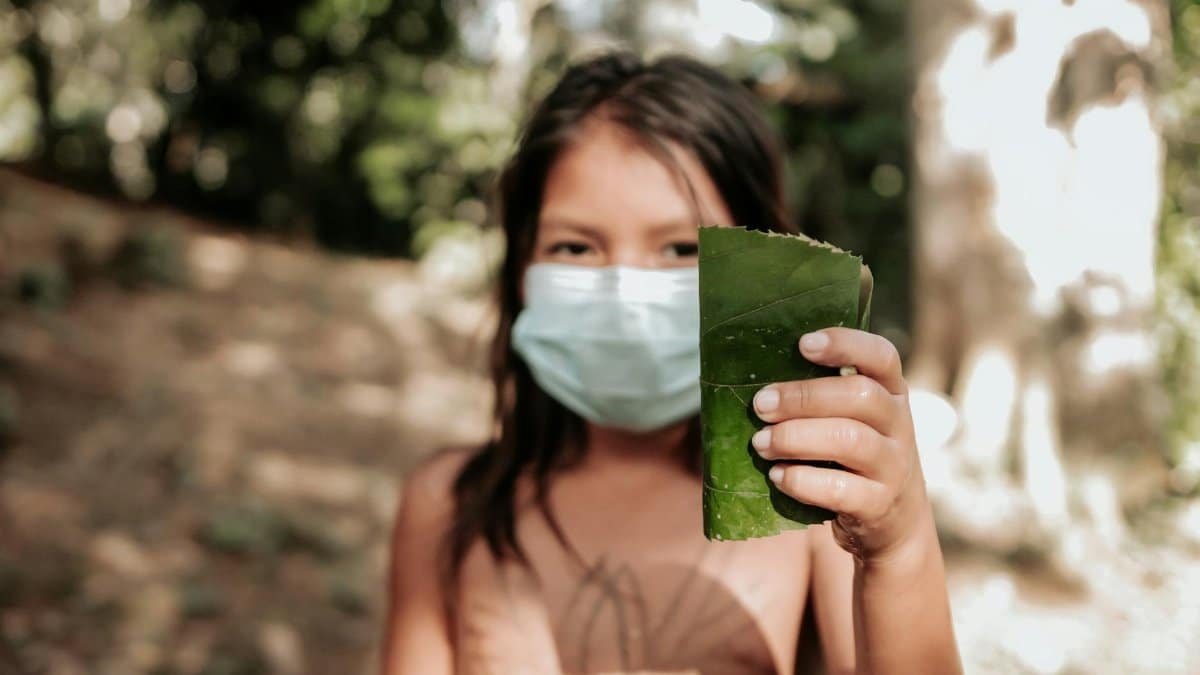
A recent study from the National Institutes of Health revealed that Americans spending time in nature report a 50% reduction in stress levels compared to those who don’t, a figure that’s surged amid urban pressures. This insight hits close to home in Houston, where bustling city life often leaves residents craving calm. Enter forest bathing, Houston wellness, stress relief at its core—a practice rooted in immersing oneself in the forest’s sensory embrace, not just a hike but a mindful pause. As public health experts in 2025 turn their gaze to holistic remedies, Houston is emerging as a surprising hub for this Japanese-originated therapy. It’s not about exercise; it’s about letting the trees, sounds, and scents wash over you, easing the mental load. With rising anxiety rates, this trend offers a grounded way to reclaim balance.
The Roots of Forest Bathing
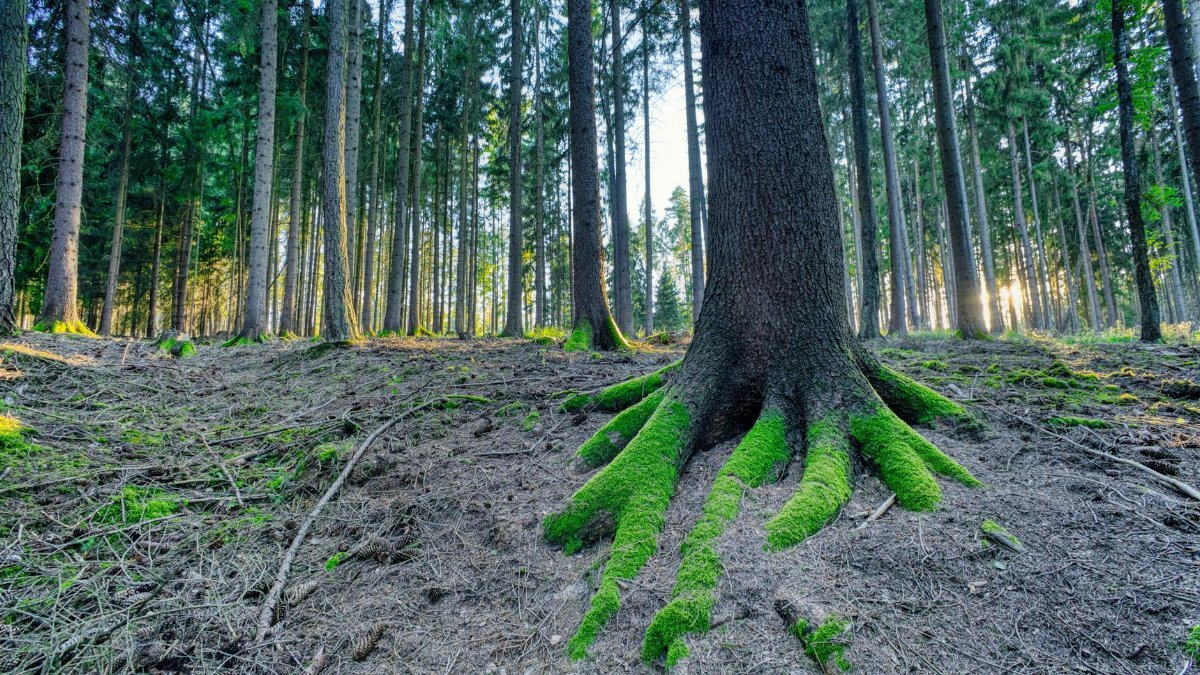
Forest bathing, or shinrin-yoku, began in Japan during the 1980s as a response to widespread burnout. Government officials there promoted it as preventive medicine, encouraging citizens to wander woodlands slowly, absorbing the atmosphere without agenda. Fast-forward to today, and it’s crossed oceans, adapting to American landscapes. In Houston, where humidity clings like a second skin and traffic hums relentlessly, this practice feels like a quiet rebellion against the grind.
Imagine a group of locals gathered at Memorial Park on a misty morning. They don’t rush; instead, they stand still, listening to leaves rustle. One participant, a middle-aged accountant, later shared anonymously in an online discussion how the experience unraveled knots of tension she hadn’t even noticed. Such stories highlight why forest bathing resonates here—it’s accessible, requiring no gear beyond curiosity.
Research supports this shift. A study published in the International Journal of Environmental Research and Public Health found that forest immersion lowers cortisol levels significantly.NCBI Study on Forest Bathing details how phytoncides from trees boost immune function, too. Houston’s adoption reflects a broader U.S. trend toward nature-based wellness.
Houston’s Green Oases Amid Concrete
Houston sprawls with unexpected pockets of greenery, from the vast Buffalo Bayou Park to the shaded trails of the Houston Arboretum. These spaces aren’t pristine wilderness, but they serve as vital escapes. Urban planners have noted how such areas combat the “heat island” effect, where concrete traps warmth and amplifies stress.
Take a typical Saturday at the Arboretum. Families arrive, phones tucked away, guided by certified instructors who point out bird calls and fern textures. It’s less about education and more about presence. One recent account from a public forum described a stressed parent feeling “reborn” after just an hour among the oaks— a sentiment echoing through Houston’s wellness circles.
Yet, accessibility varies. Not everyone lives near these spots, prompting community initiatives to bus groups from underserved neighborhoods. This inclusivity pushes forest bathing beyond a luxury, making it a public health tool in 2025.
Unwinding Stress Through Sensory Immersion

Stress relief forms the heartbeat of forest bathing. In Houston, where work demands and commutes chew up hours, this practice offers a reset button. Participants focus on senses: the earthy scent of soil, the cool touch of bark, the distant chirp of cardinals. It’s deliberate slowness in a city that prizes speed.
Science backs the calm. The American Psychological Association reports that nature exposure reduces rumination, that endless mental loop of worries. A linked review emphasizes lowered blood pressure post-session.APA on Nature and Stress explores how even urban greenspaces mimic these benefits.
But it’s not always serene. Some newcomers feel awkward at first, standing still amid joggers. Over time, though, the awkwardness fades, replaced by a profound quiet. Houston wellness advocates argue this is key for long-term resilience, turning fleeting relief into lasting habits.
Community Programs Taking Root

In Houston, forest bathing isn’t solitary; it’s communal. Organizations like the Houston Parks Board have launched guided sessions, often free or low-cost, targeting stressed professionals and families. These programs blend education with experience, teaching breathwork alongside tree observation.
Picture a corporate group from downtown, ties loosened, wandering Terry Hershey Park. Their facilitator shares tips: notice the wind on your skin, let thoughts drift like clouds. Feedback loops in, with participants reporting sharper focus back at desks. It’s a ripple effect, as one relieved engineer might inspire colleagues.
Government buy-in helps. The city’s 2025 health initiatives include funding for such activities, drawing from models in Seattle and New York. A report from the Centers for Disease Control and Prevention underscores community green space programs’ role in mental health.CDC on Parks and Health highlights reduced depression rates in participants.
Stories of Personal Renewal

Real lives illuminate the impact. Consider Maria, a Houston teacher juggling virtual classes and family chaos. She stumbled into a forest bathing meetup last year, skeptical but desperate for relief. “It was like the forest listened,” she recalled, her voice softening in the retelling. Weeks later, her sleep improved, headaches lessened.
Such transformations aren’t rare. Another story comes from a retiree who, after losing his spouse, found solace in weekly sessions at Brazos Bend State Park. The group’s shared silence fostered connections, easing isolation. These narratives weave into Houston’s wellness tapestry, showing forest bathing as more than trend—it’s a lifeline.
Challenges persist, like seasonal allergies or scheduling conflicts, but adaptations abound. Virtual guides or indoor plant sessions bridge gaps, ensuring broader reach.
The Science Behind the Serenity

Dig into the data, and forest bathing’s benefits stack up. Japanese studies pioneered the field, but U.S. researchers are catching on. At Stanford University, experiments show nature walks enhance creativity and mood.Stanford News on Nature Walks details how participants solved problems more innovatively post-stroll.
In Houston, local universities like Rice are piloting studies tailored to subtropical climates. Preliminary findings suggest that even brief exposures—20 minutes—dial down anxiety. This ties into broader stress relief strategies, where forest bathing complements therapy or exercise.
Critics question the hype, wondering if it’s placebo. Yet, controlled trials counter that, measuring physiological changes like heart rate variability. It’s evidence-based calm in an evidence-driven world.
Overcoming Barriers in an Urban Jungle
Houston’s not all forests; it’s highways and high-rises. Barriers to forest bathing include time scarcity and safety concerns in public parks. Women, especially, voice hesitations about solo ventures.
Solutions emerge through innovation. Apps now map safe trails, while buddy systems pair newcomers. Community centers host indoor alternatives, using essential oils and soundscapes to simulate immersion. One initiative even partners with hospitals, offering sessions for patients recovering from stress-related illnesses.
Equity matters here. Programs target low-income areas, recognizing that wellness shouldn’t be postcode-dependent. As 2025 unfolds, these efforts could redefine public health in the Bayou City.
Integrating Forest Bathing into Daily Life

Making forest bathing routine doesn’t require weekends away. Houstonians incorporate micro-doses: a lunchtime park bench, eyes closed, breathing deeply. It’s about intention over duration.
Experts recommend starting small. Join a group, or go solo with a journal to note sensations. Over time, it builds resilience, much like muscle memory for the mind. In a city facing climate shifts, this practice also fosters environmental awareness—participants often leave sessions advocating for more green spaces.
Looking ahead, Houston’s embrace of forest bathing, Houston wellness, stress relief signals a cultural pivot. It’s not just personal; it’s communal healing in a divided time.
Broader Implications for Public Health

As forest bathing gains traction, its public health ripple is undeniable. Houston officials eye it for reducing healthcare costs, given stress’s link to chronic conditions. Imagine policies mandating green breaks in workplaces—a radical yet feasible step.
Nationally, trends mirror this. The U.S. Forest Service promotes similar therapies, citing mental health crises.U.S. Forest Service on Urban Forests outlines benefits for city dwellers.
Yet, sustainability looms. Overuse could strain parks, so balanced promotion is key. In Houston, it’s a model for blending tradition with modernity, offering stress relief that’s as vital as it is verdant.