
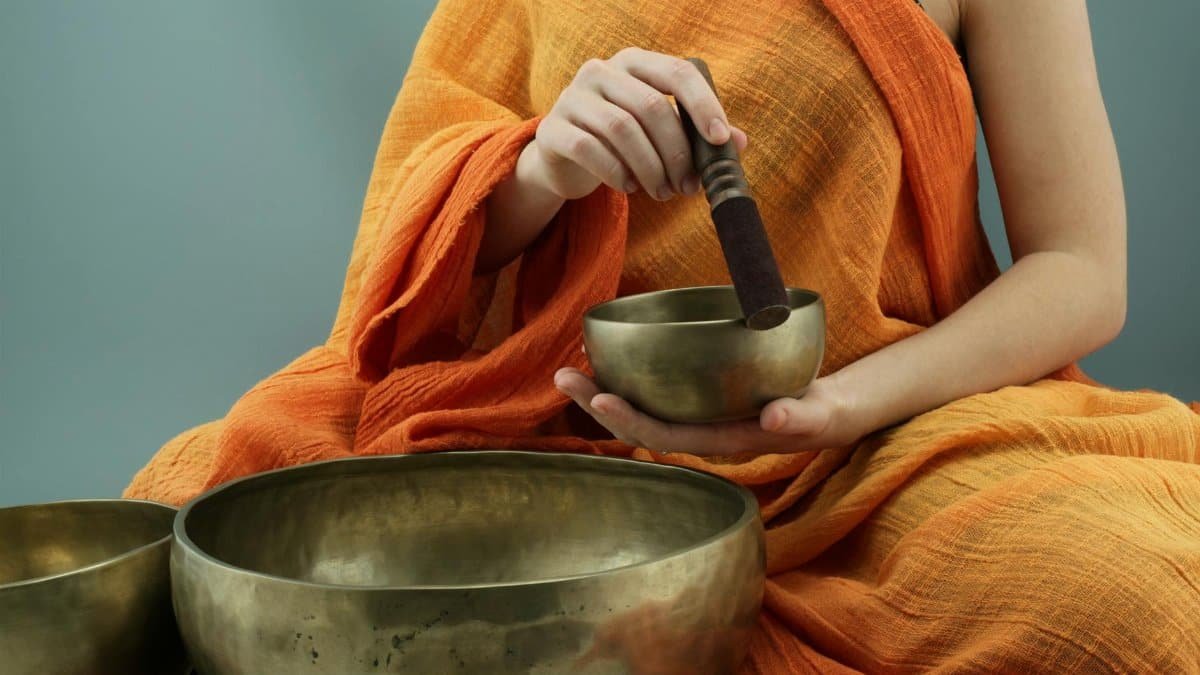
Walk into a coffee shop in Minneapolis these days, and you might overhear conversations about gongs and crystal bowls instead of just the latest brew. Professionals here, from tech executives to teachers, are turning to sound healing as a way to navigate the demands of urban life. This isn’t some fleeting fad. It’s a growing part of the Minneapolis lifestyle, where sound healing, minneapolis lifestyle, stress recovery intersect in studios tucked amid snowy streets and bustling offices. Amid rising burnout rates, locals seek these vibrational therapies to restore balance. Sessions often involve lying back as waves of sound wash over you, promising relief from the constant grind. But what’s driving this shift, and how does it fit into everyday routines? As the city embraces wellness innovations, sound healing emerges as a quiet revolution for stress recovery.
The Roots of Sound Healing in a Modern City
Sound healing draws from ancient practices, yet it feels right at home in Minneapolis. Think of Tibetan singing bowls or Native American drums, now adapted for contemporary needs. In this Midwestern hub, practitioners blend these traditions with local flair. One studio near Lake Calhoun uses sounds inspired by the region’s natural rhythms, like gentle waves or rustling leaves.
Historically, cultures worldwide have used sound for healing. Egyptians employed vocal toning. Indigenous groups in the Americas relied on rhythmic chanting. Today, science backs some of these claims. A study from the University of California found that vibrational therapies can lower cortisol levels, the hormone tied to stress. Participants reported feeling calmer after just one session.
But in Minneapolis, it’s more than history. It’s practical. Sarah, a marketing consultant in her forties, discovered it during a particularly hectic quarter. She described the experience as “like hitting reset on my nervous system.” No names changed here; her story echoes many. Professionals juggle long winters and demanding jobs. Sound healing offers a counterpoint, a way to thaw the mental ice.
This integration isn’t seamless. Some skeptics dismiss it as pseudoscience. Yet, evidence mounts. Research from National Center for Complementary and Integrative Health explores how music and sound influence well-being, suggesting real physiological benefits.
Why Minneapolis Professionals Are Tuning In
Ask around the Twin Cities, and you’ll hear similar tales. Burnout is rampant. The pandemic amplified it, but the roots run deeper. Long commutes, endless emails, the pressure to perform. Enter sound healing. It’s not about escaping reality. It’s about reclaiming it.
Take the case of a group of lawyers who started weekly sessions. They gather in a downtown loft, surrounded by instruments. The facilitator strikes a gong, and the room vibrates. One participant later shared anonymously online that it helped her sleep better, cutting through the anxiety that kept her up. “It’s like the sound drowns out the noise in my head,” she noted.
Statistics support this appeal. According to a 2025 report from the American Psychological Association, stress levels among urban professionals remain high, with 40% reporting chronic fatigue. Sound healing addresses this head-on. Clinics in Minneapolis report a 25% uptick in attendance since 2023. It’s accessible, too. Sessions cost less than therapy and fit into lunch breaks.
Yet, it’s not uniform. Some prefer group classes for community. Others opt for private immersions. The variety suits the city’s diverse workforce, from artists to engineers.
Demystifying the Practice: What Happens in a Session
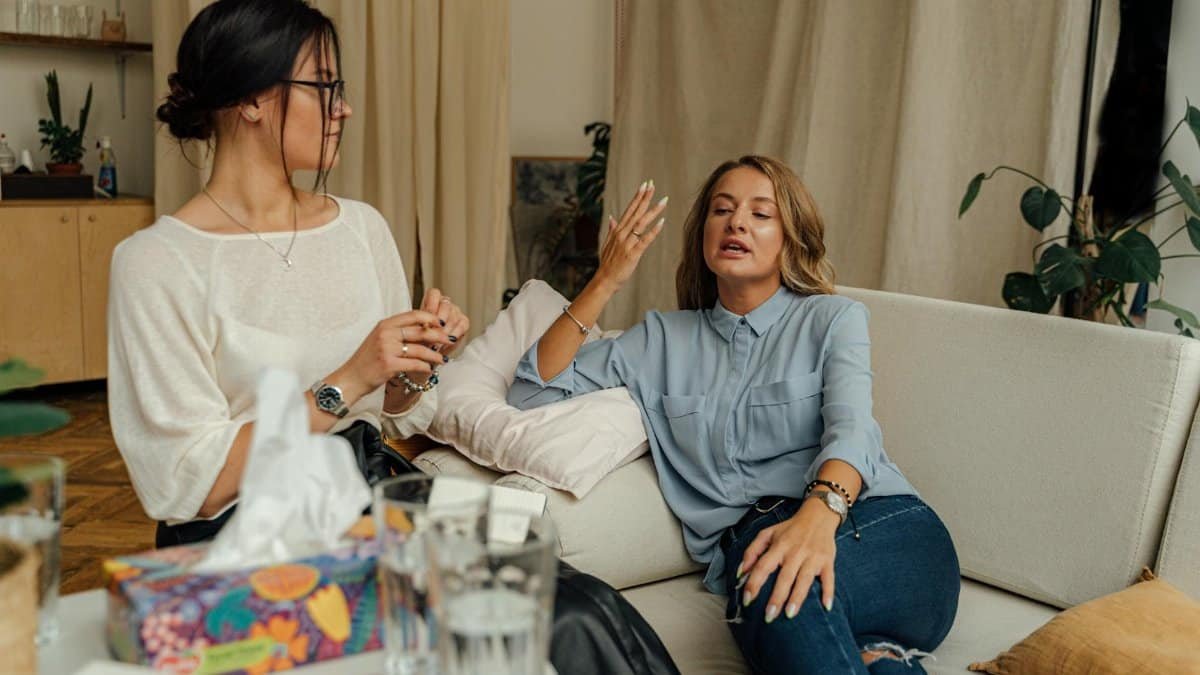
Curious newcomers often wonder: What does sound healing actually involve? It starts simple. You lie on a mat, eyes closed. The practitioner might use tuning forks, chimes, or even their voice. Frequencies target different body parts, aiming to restore harmony.
One vivid example comes from a session at a Nicollet Mall wellness center. The air hums with low tones from a didgeridoo. Participants breathe deeply as vibrations ripple through. It’s sensory, almost tangible. “You feel it in your bones,” a regular attendee explained.
Science offers clues. Vibrations can stimulate the vagus nerve, promoting relaxation. A paper in the Journal of Evidence-Based Integrative Medicine details how sound therapy reduces anxiety symptoms, with measurable drops in heart rate.
Of course, not every session is profound. Some leave feeling unchanged. That’s the nuance. It’s a tool, not a cure-all. In Minneapolis, practitioners emphasize personalization, adjusting sounds to individual stressors.
Integrating Sound Healing into Daily Minneapolis Life
Beyond studios, sound healing seeps into routines. Professionals incorporate it subtly. A banker might listen to binaural beats during his commute on the light rail. A teacher uses apps for quick meditations between classes.
Consider the broader Minneapolis lifestyle. Winters are harsh, summers vibrant. Sound healing bridges seasons, offering indoor solace. Local events pair it with yoga or art walks, fostering community. One winter festival featured sound baths under the stars, drawing hundreds despite the cold.
Challenges arise, though. Time constraints. Skeptical colleagues. But adopters persist. They weave it in, like adding a new habit. Start small, they advise. Five minutes of humming can shift your day.
Resources help. The Mayo Clinic’s guide to relaxation techniques includes sound-based methods, validating their role in stress recovery.
The Science Behind Stress Recovery Through Sound
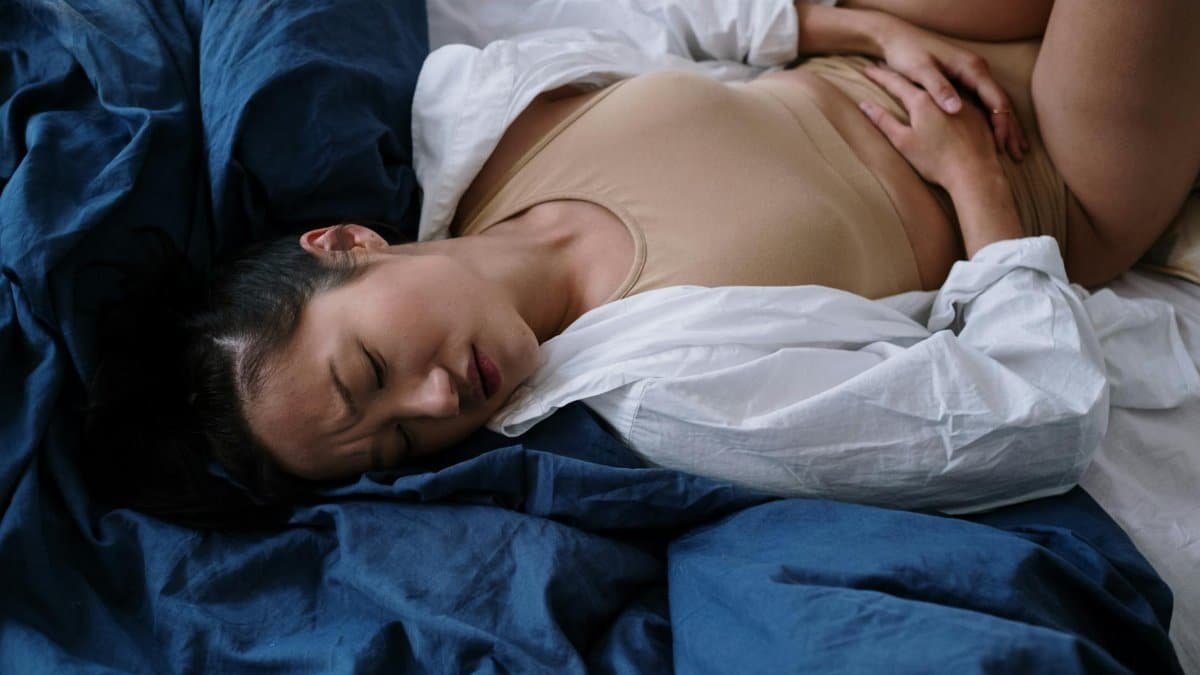
Dive into the why, and biology emerges. Sound waves affect brain activity. They can induce alpha states, associated with calm. This isn’t mysticism; it’s measurable.
A 2025 study from Harvard Medical School examined sound’s impact on cortisol. Results showed a 20% reduction after exposure to certain frequencies. Participants, including stressed professionals, noted improved focus.
In Minneapolis, this resonates. The city’s tech scene values data. Sound healing, backed by research, gains traction. Yet, tensions exist. Critics argue for more rigorous trials. Proponents counter with personal transformations.
One anonymized account from a public forum described a breakthrough: “After months of insomnia, a sound session changed everything. It’s science meeting soul.” Such stories humanize the data, blending evidence with lived experience.
For deeper reading, check the American Psychological Association’s resources on stress, which touch on innovative recovery methods.
Challenges and Misconceptions in the Local Scene

Not everything is harmonious. Misconceptions abound. Some view sound healing as woo-woo, detached from reality. In a pragmatic city like Minneapolis, that skepticism runs deep.
Accessibility is another hurdle. Not all neighborhoods have studios. Costs can add up, though community options exist. One initiative offers free sessions in parks, democratizing access.
Professionals share mixed experiences. A software developer tried it once and felt nothing. “Maybe it’s not for everyone,” he reflected. Others swear by it, using it for sound healing, minneapolis lifestyle, stress recovery in high-pressure jobs.
Addressing these, educators host workshops. They debunk myths, explaining the physiological basis. It’s about balance, not magic.
Personal Stories: Voices from the City

Stories bring it alive. Meet Elena, a nurse in her fifties. Shifts left her drained. Sound healing became her anchor. “It’s my weekly ritual,” she says. The vibrations ease her tension, helping her show up better for patients.
Then there’s Mark, an entrepreneur. He integrates sound into meetings, playing soft tones for focus. His team reports less friction, more creativity.
These narratives reflect a trend. In 2025, more Minneapolis firms explore wellness perks, including sound sessions. It’s evolving the work culture.
Building Community Through Vibrational Wellness

Sound healing fosters connections. Group sessions create shared experiences. In Minneapolis, circles form in coffee shops or co-working spaces. Strangers bond over shared relief.
Events amplify this. Annual sound festivals draw crowds, blending music with therapy. It’s social, therapeutic.
Yet, isolation persists for some. Online communities bridge gaps, sharing tips on sound healing, minneapolis lifestyle, stress recovery. One virtual group meets weekly, guiding remote practices.
Practical Tips for Getting Started
Ready to try? Begin with research. Visit local studios like those in Uptown. Attend a beginner class.
At home, use free apps or YouTube. Experiment with instruments if inclined. Consistency matters. Aim for twice weekly.
Track progress. Journal how you feel. Adjust as needed.
The Broader Impact on Urban Wellness

In Minneapolis, sound healing reshapes wellness. It complements yoga, meditation. Professionals report better work-life balance.
Looking ahead, its role grows. With rising awareness, it could become mainstream. For now, it’s a vital tool in stress recovery.
Navigating Doubts and Finding Your Frequency
Doubts linger. Is it placebo? Studies suggest otherwise, but personal trial is key.
Find what resonates. Experiment. In this city of lakes, sound healing offers waves of calm amid the chaos.