

Walk through the bustling neighborhoods of Miami these days, and you might spot something unexpected amid the palm trees and urban hum: groups of students wandering slowly through green spaces, pausing to touch leaves or simply breathe in the air. This isn’t just a casual outing; it’s part of a growing movement incorporating forest bathing into school routines, blending miami wellness with stress relief in innovative ways. As educators grapple with rising anxiety among young people, this Japanese-inspired practice—known as shinrin-yoku—is gaining traction in Florida’s largest city. Schools here are piloting programs that take kids out of classrooms and into nature, aiming to foster mental resilience. In 2025, with mental health challenges amplified by digital overload and post-pandemic fallout, such initiatives signal a shift toward holistic education. It’s a reminder that sometimes, the simplest remedies lie in reconnecting with the natural world around us.
The Roots of Forest Bathing and Its Journey to Miami
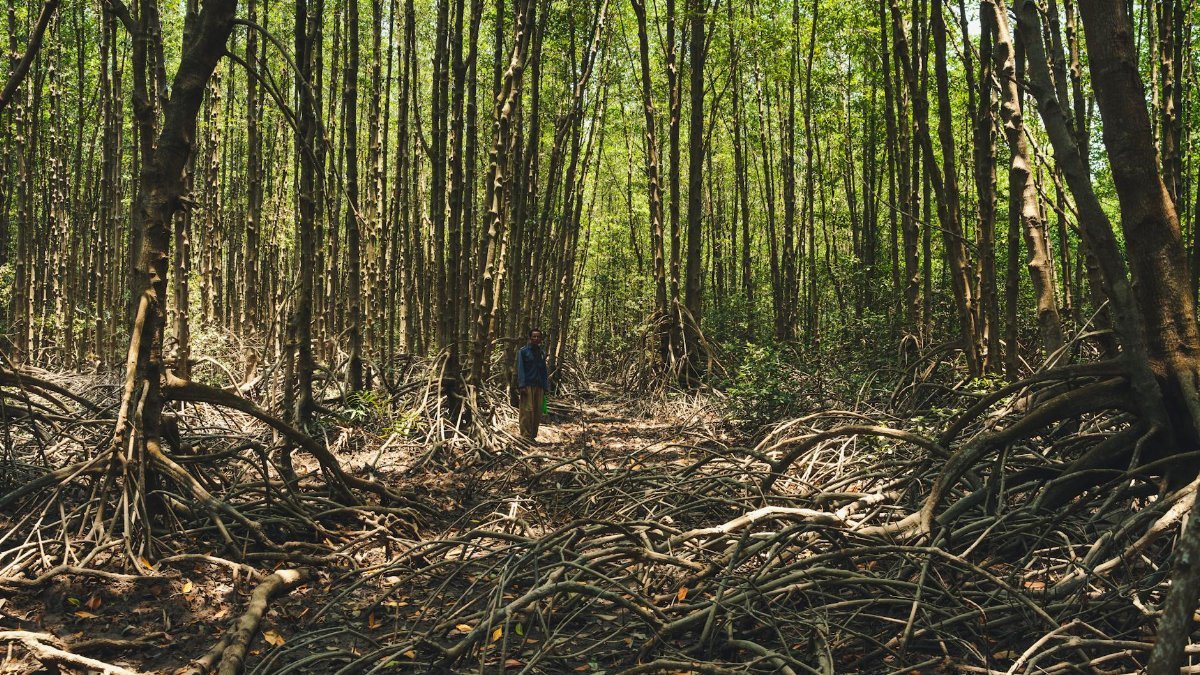
Forest bathing didn’t originate in the sunny streets of South Florida. It started in Japan back in the 1980s, when the government promoted it as a way to counter the stresses of urban life. The term shinrin-yoku translates to “forest bath,” encouraging people to immerse themselves in wooded environments without the rush of hiking or exercise. Research soon followed, showing benefits like lowered cortisol levels and improved mood.
Fast forward to today, and this practice has crossed oceans. In Miami, where green spaces mingle with concrete, educators saw potential. One principal recalled a staff meeting where the idea sparked: “We have these beautiful parks right here—why not use them?” It’s not just about escapism; it’s about teaching kids to pause in a world that never stops.
Studies back this up. A report from the National Institutes of Health highlights how time in nature reduces stress hormones. Miami’s adaptation feels particularly fitting, given the city’s vibrant but hectic vibe.
How Forest Bathing Fits into Student Wellness Programs
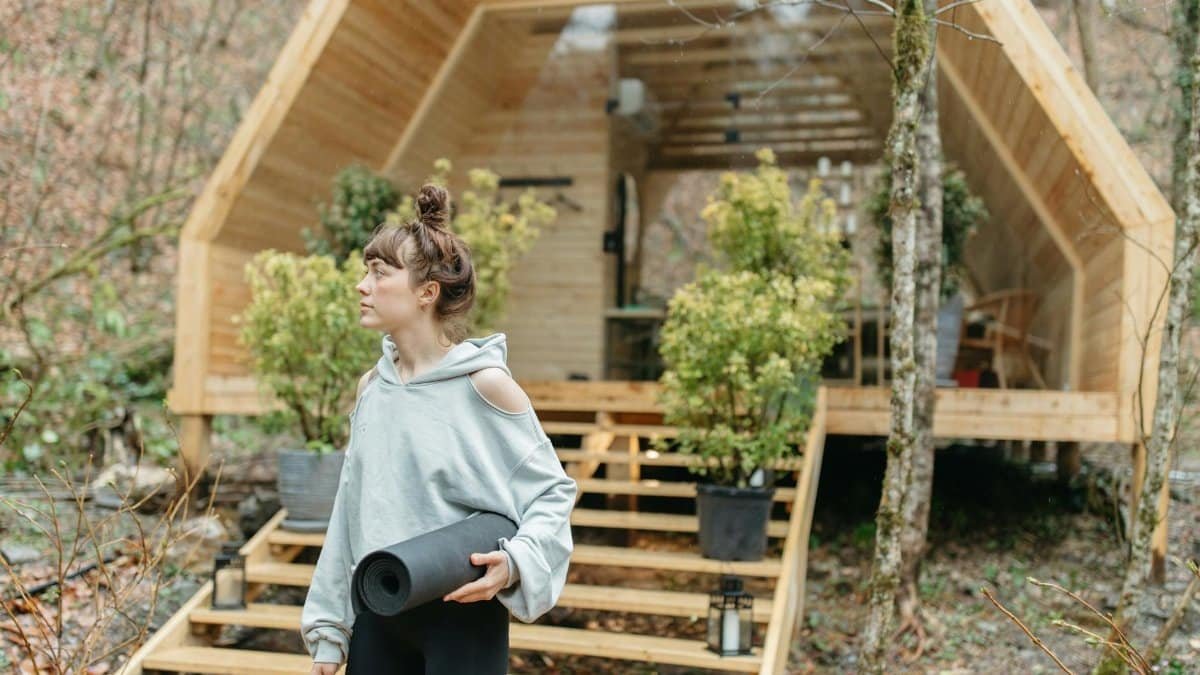
Imagine a group of middle schoolers gathered under a canopy of banyan trees, their teacher guiding them to notice the rustle of leaves rather than their phones. This scene played out in a pilot program at a Miami-Dade public school last fall. The sessions, held weekly, encourage sensory awareness—feeling the bark, listening to birds—to build mindfulness.
Administrators integrated it seamlessly. Mornings start with brief outdoor immersions, transitioning into classroom discussions on emotions. It’s not therapy, but a preventive tool. One student shared anonymously in a school survey: “It makes the day less overwhelming.”
Experts note the alignment with broader wellness trends. The Centers for Disease Control and Prevention emphasizes nature-based activities for youth mental health, pointing to reduced anxiety symptoms.
Yet, challenges arise. Not every school has easy access to green areas, prompting creative solutions like rooftop gardens or partnerships with local parks.
Stress Relief Benefits Backed by Science

Stress relief stands at the heart of forest bathing’s appeal. In a city like Miami, where traffic jams and humid heat amplify daily pressures, students face unique strains. Enter shinrin-yoku: studies show it boosts natural killer cells, enhancing immunity while calming the mind.
A compelling example comes from a recent study. Researchers found participants who spent time in forests reported 12% lower stress levels compared to urban walkers. This isn’t abstract; it’s measurable through heart rate variability and self-reported moods.
For Miami’s youth, this translates to better focus in class. Teachers observe quieter hallways post-session, with kids handling conflicts more calmly. It’s a subtle shift, but one that accumulates.
Dig deeper, and tensions emerge. Skeptics question if it’s enough amid deeper issues like poverty or family stress. Still, as a complementary approach, it’s promising. The Scientific Reports journal details physiological changes, underscoring its value.
Miami’s Unique Twist on an Ancient Practice

Miami infuses forest bathing with local flavor. Instead of dense Japanese woodlands, sessions unfold in mangrove preserves or beachside hammocks, where the ocean’s rhythm complements the trees. This adaptation highlights miami wellness, blending tropical elements with stress relief.
One program pairs it with yoga, creating hybrid experiences. A coordinator described a session: waves lapping nearby as teens closed their eyes, inhaling salty air mixed with floral scents. It’s not traditional, but it resonates.
Community involvement amps it up. Parents join occasional outings, turning it into family bonding. Online discussions often reveal enthusiasm; one anonymous post noted feeling “recharged, like the humidity lifted from my mind.”
This localization addresses cultural diversity. In a city of immigrants, practices draw from various traditions, making it inclusive. Yet, equity remains key—ensuring all neighborhoods benefit, not just affluent ones.
Challenges in Implementing School-Based Forest Bathing
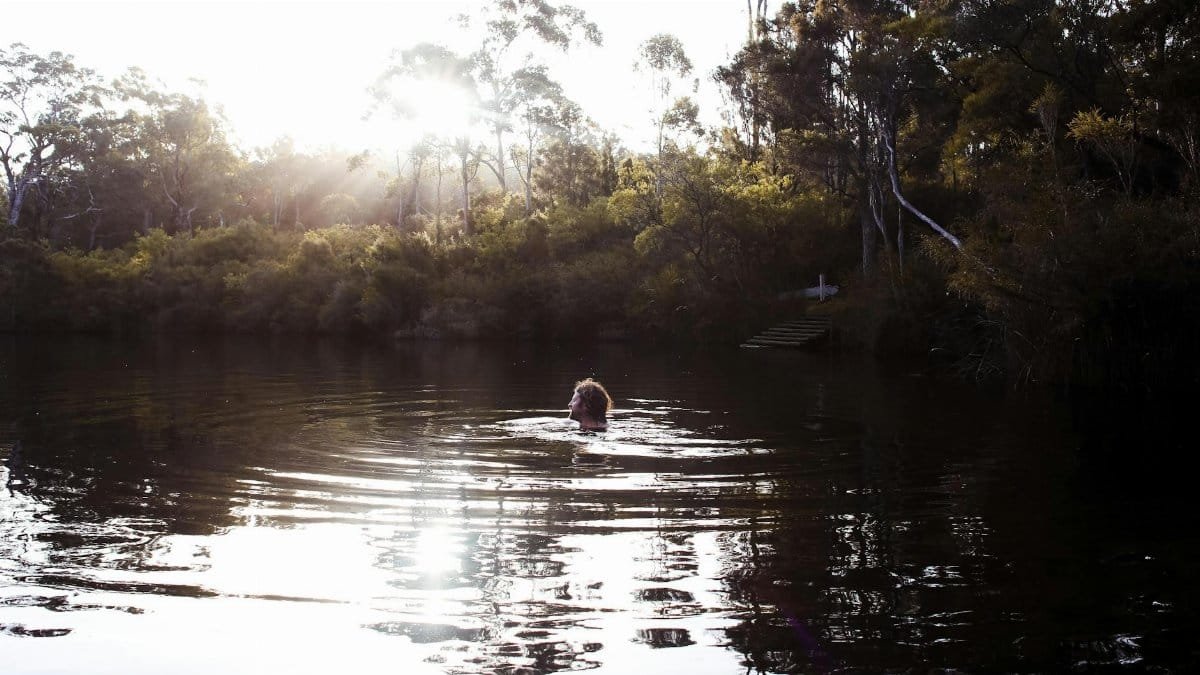
Not everything is seamless. Rolling out forest bathing in Miami schools means navigating logistics. Scheduling conflicts arise; how do you fit nature time into packed curriculums? Weather plays a role too—tropical storms can derail plans.
Funding poses another hurdle. While some grants cover guides, others rely on volunteers. A district official admitted: “We’re stretching budgets thin, but the payoff in student engagement is worth it.”
Then there’s buy-in. Some parents worry it’s “too New Age,” preferring traditional counseling. Educators counter with data, showing improved attendance and grades.
Despite these, momentum builds. The Pew Research Center reports rising mental health concerns among teens, fueling demand for innovative solutions like this.
Voices from the Front Lines: Teachers and Students Speak

Hear it from those involved. A veteran teacher in Coral Gables described her first session: “The kids were fidgety at first, but by the end, they were sharing stories I’d never heard.” It humanizes the practice, turning abstract benefits into real connections.
Students echo this. One high schooler said it helped during exam season: “Instead of panicking, I remember the calm from the park.” These snapshots reveal forest bathing’s role in building emotional tools.
Critics exist, of course. A parent forum buzzed with doubts about efficacy. But positive anecdotes dominate, suggesting a grassroots endorsement.
Reflecting broader trends, this mirrors national shifts toward nature therapy. In 2025, as schools nationwide experiment, Miami leads with its sunny spin.
Measuring Success and Long-Term Impact

How do you quantify calm? Miami schools track metrics like reduced disciplinary incidents and student surveys on well-being. Early data shows promise: a 15% drop in reported stress levels after six months.
Longer term, it’s about resilience. Experts predict these habits could lower burnout rates into adulthood. One study from American Psychological Association links childhood nature exposure to better mental health later.
Challenges in measurement persist—subjective feelings aren’t always easy to chart. Yet, qualitative feedback fills gaps, painting a fuller picture.
As 2025 unfolds, expansions are planned, potentially reaching more districts. It’s a bet on nature’s power in an increasingly indoor world.
Broader Implications for Community Wellness

Beyond schools, forest bathing ripples into Miami’s wider wellness scene. Community centers now offer adult sessions, tying into stress relief for all ages. It’s fostering a culture where pausing in nature becomes routine.
Think of it as a citywide exhale. Local health advocates see it combating urban isolation, especially post-pandemic. Partnerships with organizations like the Everglades Foundation amplify access.
One resident reflected: “It started with my kid’s school, now it’s my weekend ritual.” This spillover effect strengthens community bonds.
Looking ahead, it could influence policy, pushing for more green infrastructure. In a warming climate, such practices gain urgency, blending wellness with environmental stewardship.
Getting Started: Tips for Families and Educators

Interested in trying? Start small. Find a nearby park and set a timer for 20 minutes of slow wandering. Encourage noticing details—the texture of grass, the play of light.
For schools, partner with local experts. Training is available through organizations emphasizing guided sessions.
Families can adapt at home: even balcony plants count. Make it fun, not forced. Resources from U.S. Forest Service offer practical guides.
Remember, consistency matters. Build it into routines for lasting stress relief.
Looking Ahead in Miami’s Wellness Landscape
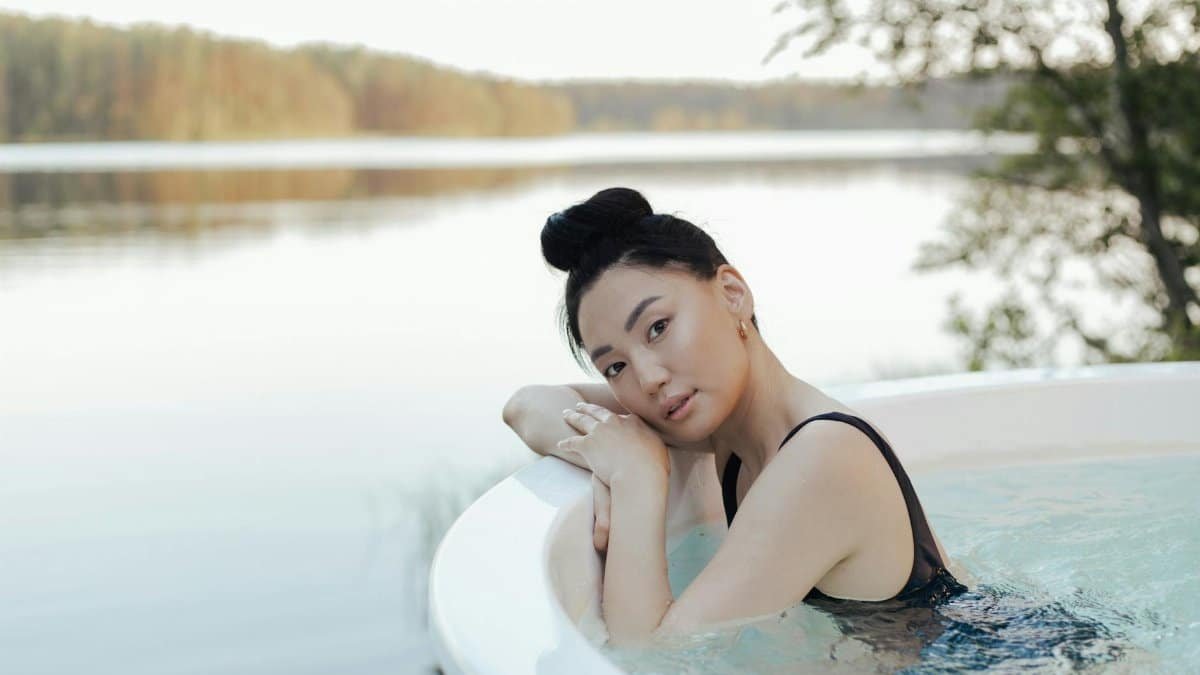
As 2025 progresses, forest bathing could redefine miami wellness. With schools at the forefront, it sets a model for integrating nature into daily life.
Innovations like app-guided sessions or virtual reality alternatives might emerge, bridging gaps for those without access. Yet, the core remains simple: step outside, breathe, connect.
This isn’t a panacea, but a vital piece in the stress relief puzzle. For Miami’s students, it offers a path to balance in a chaotic world.