
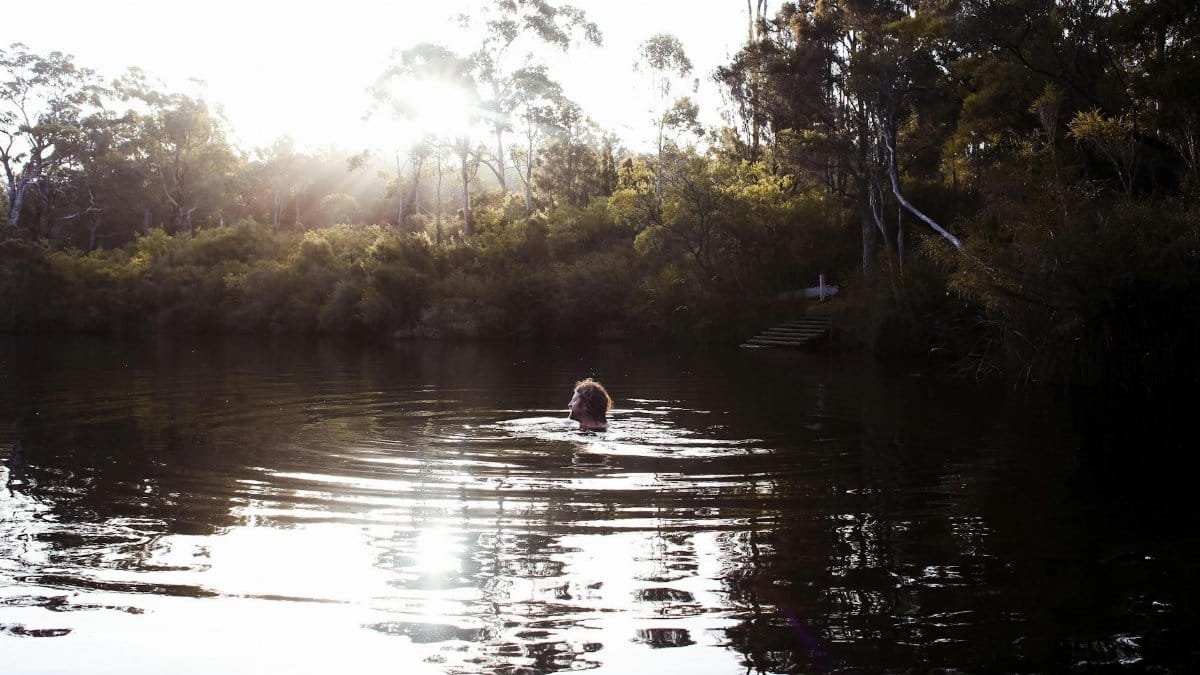
In the bustling heart of Nashville, where honky-tonk rhythms pulse through the streets and the demands of urban life never quite pause, a quiet countertrend is taking root. Walk down any trail in Percy Warner Park these days, and you might notice groups of locals pausing not for selfies, but for something deeper: a deliberate immersion in the greenery. This isn’t just casual hiking. It’s forest bathing, Nashville lifestyle’s emerging antidote to burnout, blending ancient Japanese practices with the city’s fast-paced vibe for genuine stress recovery. What began as a niche wellness idea has swelled into a local movement, drawing everyone from music executives to baristas seeking respite from the grind. As 2025 unfolds, more Nashvillians are trading screen time for tree time, discovering that a simple walk among the oaks can reset the mind in ways therapy sessions sometimes can’t.
The Origins of Forest Bathing and Its Nashville Appeal
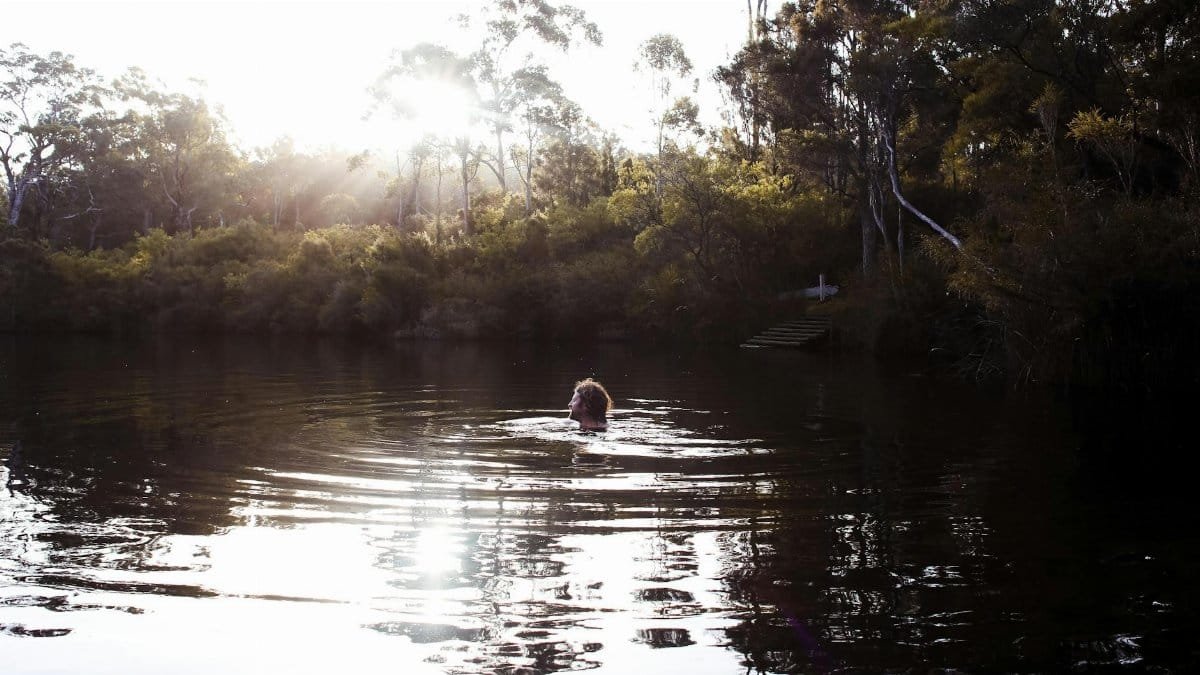
Forest bathing, or shinrin-yoku, traces its formal beginnings to 1980s Japan, where government officials promoted it as a public health strategy to combat urban stress. The term itself evokes a sensory soak in nature’s elements—inhaling the earthy scent of pine, feeling the crunch of leaves underfoot, listening to wind rustle branches. But in Nashville, this practice has found fertile ground amid the city’s unique blend of Southern hospitality and creative intensity.
Consider how the Music City’s residents, often juggling gigs, tours, and side hustles, are weaving it into their routines. One local musician, anonymized here for privacy, described it as “like tuning a guitar string that’s been pulled too tight.” She started after a particularly grueling recording session left her drained, wandering into Radnor Lake State Park on a whim. There, amid the quiet trails, she found her thoughts untangling without effort. This isn’t isolated; online discussions often reveal similar accounts, with one recent shared experience noting how the practice “turned my chaotic afternoons into something bearable, like hitting pause on the city’s noise.”
What draws Nashvillians specifically? The area’s abundant green spaces—think the rolling hills of Edwin Warner Park or the serene paths along the Cumberland River—make it accessible. Unlike yoga studios that require memberships, forest bathing demands only time and intention. In a place where the cost of living has spiked, this freeform wellness feels democratic, aligning with the DIY spirit that fuels Nashville’s arts scene.
Unlocking Stress Recovery Through Nature’s Lens
Stress recovery isn’t just a buzzword; it’s a physiological process that forest bathing accelerates. When you step into a wooded area, your body responds almost immediately. Cortisol levels drop, heart rates steady, and immune function gets a subtle boost from phytoncides, those natural chemicals trees release.
A study published in the International Journal of Environmental Research and Public Health detailed how participants in forest environments showed marked reductions in anxiety compared to urban walkers.Read the full study here. In Nashville, where the pressures of a booming economy—think real estate booms and tourism surges—amplify daily tensions, this science resonates. Locals report feeling more grounded after sessions, with clearer decision-making in their high-stakes lives.
Picture a corporate consultant, harried by deadlines, who slips away to the Natchez Trace Parkway for an hour. She doesn’t rush; instead, she lingers, noticing how sunlight filters through leaves, creating patterns that mimic the calm she craves. It’s not magic, but it’s measurable. Another layer: Nashville’s seasonal shifts, from humid summers to crisp autumns, add variety, making each bathe a fresh experience in stress relief.
Blending Forest Bathing with Nashville’s Daily Grind

Integrating forest bathing into Nashville lifestyle means adapting it to the city’s rhythm, not fighting against it. For many, it’s not about escaping work but enhancing it. A bar owner in East Nashville, for instance, schedules group outings for his staff after busy weekends, turning what could be recovery drudgery into team-building amid the trees.
This fusion highlights a broader trend: wellness practices tailored to local culture. In 2025, apps and community groups are popping up, offering guided sessions that incorporate live acoustic music—imagine strumming a guitar under a canopy as part of the immersion. Yet, it’s the simplicity that sticks. One resident shared how she pairs it with her morning coffee ritual, strolling Shelby Bottoms Greenway before the day’s chaos hits.
Challenges arise, though. Urban sprawl can limit access, and not everyone has the luxury of nearby trails. Still, creative solutions emerge, like balcony gardening or virtual forest sounds for apartment dwellers, proving that even a sliver of nature can aid stress recovery.
The Science Backing Its Rise in Urban Wellness
Diving deeper, research underscores why forest bathing is gaining traction for stress recovery. A comprehensive review by the National Institutes of Health points to lowered blood pressure and enhanced mood after nature exposure.Explore the NIH review.
In Nashville, where mental health conversations are amplified by the creative community’s openness—think songwriters penning lyrics about burnout—this data hits home. A 2023 study from Frontiers in Psychology found that even short sessions improve cognitive function, vital for a city fueled by innovation.Access the study.
But it’s not all straightforward. Some skeptics question if it’s placebo, yet controlled trials show real biomarkers shifting. Locally, wellness centers are incorporating it into programs, blending it with mindfulness for a hybrid approach that feels authentically Southern.
Local Stories That Bring the Practice to Life

Stories from Nashvillians illustrate forest bathing’s impact on stress recovery better than any statistic. Take a teacher from the suburbs who, after a year of remote learning fatigue, discovered the practice through a friend. Her first session at Long Hunter State Park involved simply sitting by a stream, letting worries dissolve with the water’s flow. “It was like exhaling a breath I’d held for months,” she recalled.
Another snapshot: a young entrepreneur, overwhelmed by startup pressures, found solace in group baths organized via social meetups. These gatherings, often in hidden gems like Beaman Park, foster connections, turning solitary recovery into communal healing. One anonymous online reflection captured it: “In the woods, my stress didn’t vanish, but it felt shared, lighter somehow.”
These narratives reveal tensions too—balancing family time with self-care, or navigating crowded parks on weekends. Yet, they underscore resilience, showing how Nashville’s spirit adapts ancient wisdom to modern woes.
Overcoming Barriers in a Busy City

Not every Nashvillian jumps into forest bathing effortlessly. Time constraints top the list; with commutes and gigs eating hours, carving out space feels daunting. Accessibility issues persist too, especially for those in denser urban pockets without easy trail access.
Solutions are emerging, though. Community initiatives, like those from the Tennessee State Parks system, offer free guided sessions.Visit Tennessee State Parks for details. In 2025, expect more pop-up events in city parks, making it inclusive.
There’s also the mental hurdle: viewing it as “woo-woo” rather than practical. Education helps, with local workshops demystifying the benefits, emphasizing it’s about presence, not performance.
Forest Bathing’s Role in Long-Term Wellness Trends
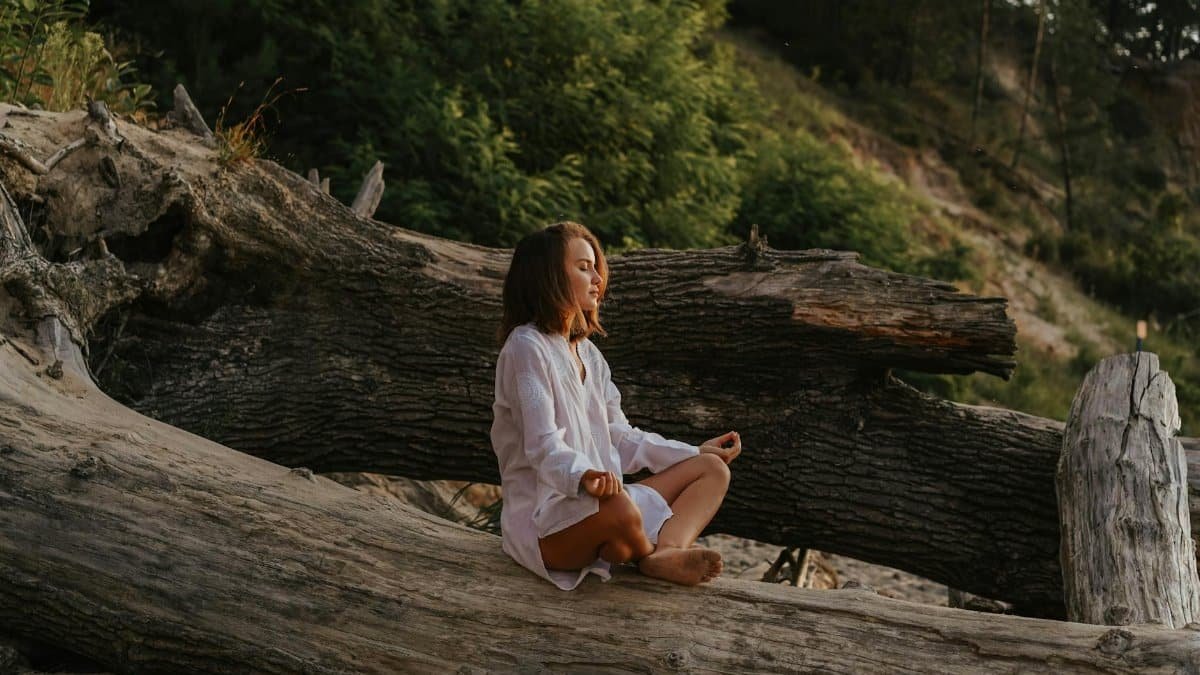
As Nashville evolves, forest bathing positions itself as a staple in the lifestyle toolkit for stress recovery. It’s not fleeting; experts predict it’ll integrate with tech, like VR simulations for homebound days, while preserving the real-deal appeal.
Reflecting broader U.S. shifts, where nature-based therapies are rising amid post-pandemic mental health focuses, Nashville leads by example. A Pew Research survey on wellness trends notes increasing adoption of eco-therapies.See Pew’s insights.
Ultimately, it’s about balance—honoring the city’s energy while reclaiming calm. For middle-aged residents navigating midlife pivots, this practice offers a gentle anchor, proving that in the land of country tunes, harmony can come from the trees too.
Getting Started: Practical Tips for Nashvillians

Ready to try? Start small. Choose a nearby spot like Warner Parks, aim for 20 minutes, and focus on senses—touch bark, breathe deeply. No gear needed, just curiosity.
Build it in gradually: pair with walks to work or weekend errands. Track how it eases stress; journals help. Join local groups for accountability, turning solo baths into social ones.
Remember, it’s forgiving. If a session feels off, adjust. In Nashville’s vibrant scene, this could be the reset that keeps the music playing.