

Walk down any bustling street in Chicago these days, and you might notice a subtle shift. Amid the rush of commuters and the hum of city life, more people are seeking quiet ways to steady their inner worlds. Coffee shops host informal meetups where conversations turn to emotional sobriety, chicago lifestyle, stress recovery. It’s not just about abstaining from substances. For many, it’s a deeper pursuit of balance in a city that never slows down. This trend reflects a growing awareness that true wellness goes beyond physical health. In neighborhoods from Wicker Park to the Loop, residents are forming communities around practices that help manage emotional highs and lows. Stress from long commutes, demanding jobs, and urban noise pushes many to explore these tools. Recovery isn’t a buzzword here; it’s a daily practice. As Chicagoans navigate the pressures of 2025, emotional sobriety offers a path to resilience. This movement is reshaping how people connect, work, and unwind in the Windy City.
What Emotional Sobriety Really Means
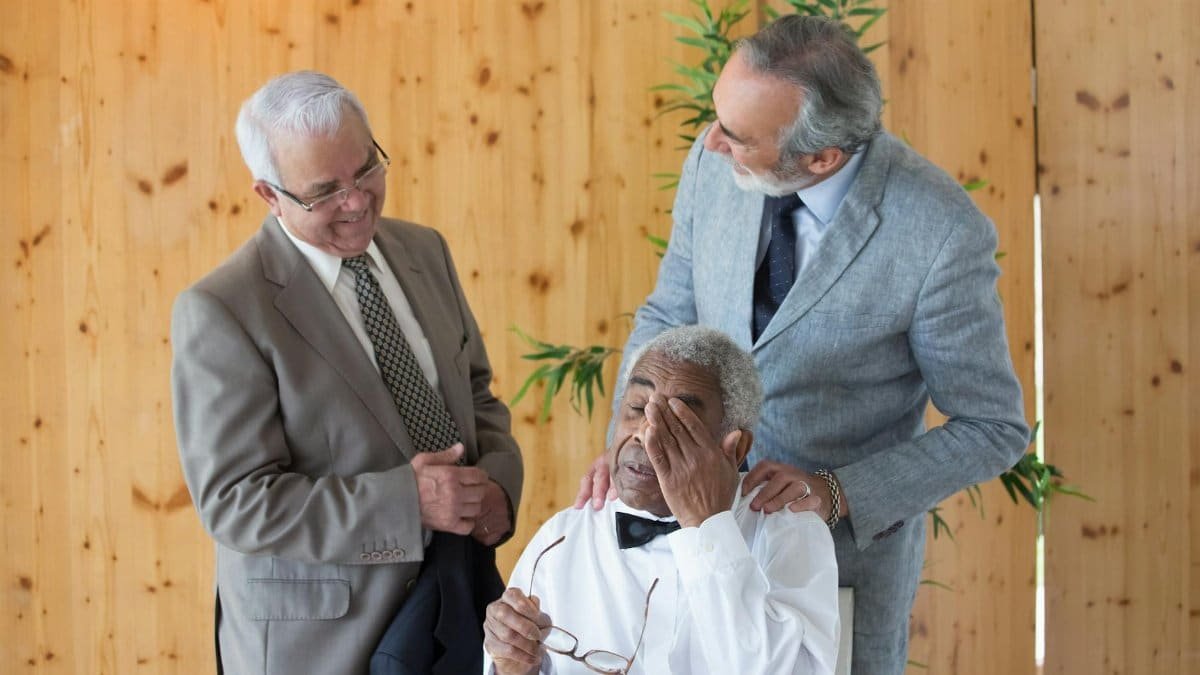
Emotional sobriety extends the idea of traditional sobriety into the realm of feelings. It involves regulating emotions without relying on external crutches like alcohol or overwork. Coined by figures in recovery circles, it emphasizes self-awareness and stability. In Chicago, where the pace can feel relentless, this concept resonates deeply.
Think of it as building an internal anchor. People learn to sit with discomfort rather than escape it. A local therapist once explained it during a workshop: “It’s about being present, even when life throws curveballs.” This approach draws from mindfulness traditions but adapts to urban demands.
Studies show its benefits. Research from the American Psychological Association highlights how emotional regulation reduces anxiety. In a city like Chicago, where winter blues and summer festivals swing moods wildly, such tools prove invaluable. Yet, it’s not always straightforward. Some confuse it with emotional suppression, which can backfire.
One anonymized account shared publicly online described the shift: feeling overwhelmed by daily commutes, then discovering journaling as a way to process. It wasn’t instant, but it built steadiness over time.
The Role of Chicago’s Lifestyle in Fueling the Need

Chicago’s vibe is a double-edged sword. The city’s energy inspires, but it also exhausts. Long hours at offices downtown, coupled with vibrant nightlife, leave little room for downtime. This is where emotional sobriety steps in, helping residents reclaim balance.
Consider the daily grind. A Loop worker might face packed L trains and tight deadlines. By evening, stress accumulates. Communities are responding with practices tailored to this lifestyle. Yoga studios in Lincoln Park offer sessions focused on emotional release, blending movement with reflection.
Data from the Centers for Disease Control and Prevention indicates rising stress levels in urban areas. In Chicago, this manifests in higher reports of burnout. Emotional sobriety counters this by encouraging routines like mindful walking along Lake Michigan.
It’s not all struggle. The city’s diversity fosters inclusive groups. From South Side gatherings to North Side retreats, people share stories that highlight resilience. One group meets in a Hyde Park cafe, discussing how cultural pressures intersect with personal recovery.
Building Communities for Stress Recovery
Across Chicago, small groups are forming. These aren’t formal clubs but organic networks. A bookstore in Andersonville hosts monthly talks on emotional sobriety. Participants swap tips on navigating stress without numbing out.
Picture a circle of chairs in a community center. Strangers become allies, sharing vulnerabilities. “I used to drown my worries in work,” one might say. “Now, I breathe through them.” These moments create bonds that extend beyond meetings.
Research supports this. A study from the National Institutes of Health shows community support enhances emotional well-being. In Chicago, this translates to lower isolation rates among participants.
Yet, building these spaces takes effort. Organizers juggle logistics amid busy schedules. Still, the payoff is clear: stronger, more empathetic networks that buffer against city’s stresses.
Practical Tools for Everyday Application
Emotional sobriety isn’t abstract. It thrives on simple habits. Start with breathwork during a commute. Or set boundaries at work to prevent emotional overload.
In Chicago’s fast pace, these tools adapt seamlessly. Apps guide meditations tailored to urban noise. One popular method involves gratitude journaling before bed, countering the day’s chaos.
Experts from the Pew Research Center note increasing adoption of such practices among city dwellers. In 2025, with remote work blurring lines, these become essential.
A local story illustrates: a teacher in Pilsen used daily check-ins to manage classroom stress. Over months, it transformed her interactions, making recovery a lived reality.
Challenges in Embracing Emotional Sobriety

Not everyone jumps on board easily. Skepticism lingers. Some view it as another wellness fad, especially in a city prized for its grit.
There’s also the hurdle of time. Chicagoans often prioritize survival over self-care. “Who has hours for therapy?” a busy parent might ask. This tension reveals deeper societal issues.
Overcoming misconceptions requires education. Workshops demystify the process, showing it’s about authenticity, not perfection. Yet, relapses happen, reminding us recovery is nonlinear.
Amid these challenges, successes shine. Groups address cultural barriers, making practices accessible to diverse populations.
Impact on Relationships and Work

Emotional sobriety ripples outward. In relationships, it fosters clearer communication. Couples in Chicago report fewer conflicts after adopting these habits.
At work, it boosts focus. A downtown firm integrated mindfulness breaks, seeing productivity rise. It’s a quiet revolution against burnout culture.
Stories abound. Friends reconnect over honest talks, strengthening ties strained by city life. This relational healing underscores the practice’s depth.
Expert Voices Shaping the Movement

Local experts drive the conversation. Therapists and coaches offer insights grounded in experience. One prominent voice emphasizes integration: blending emotional work with daily routines.
Conferences in Chicago draw crowds eager for guidance. These events blend science with stories, making concepts relatable.
Broader trends align. National surveys indicate growing interest in holistic recovery, positioning Chicago as a hub.
Sustaining Momentum in a Changing City
As Chicago evolves, so does this movement. New apps and online forums keep it accessible. Yet, maintaining authenticity amid commercialization is key.
Looking to 2025, integration into schools and workplaces could expand reach. It’s about embedding recovery into the fabric of city life.
Ultimately, emotional sobriety empowers individuals, fostering a more balanced Chicago. The rise of these communities signals a hopeful shift toward collective well-being.