

In a world that’s spinning faster than ever, it’s no surprise that more Americans are turning to meditation for a sliver of peace. A recent study from the National Center for Health Statistics revealed that about 14% of U.S. adults practiced meditation in 2022, up from 4% just a decade earlier—a jump that underscores a growing hunger for calm amid the chaos of daily life. This surge isn’t just about trends; it’s a response to rising stress levels, with experts noting that simple meditation tips can make a real difference in restoring balance. As we navigate 2025, these practices offer practical ways to quiet the mind and build resilience. Whether you’re new to it or looking to deepen your routine, understanding effective meditation tips can transform fleeting moments of tranquility into a steady state of peace.
Tip 1: Start with Breath Awareness to Restore Calm
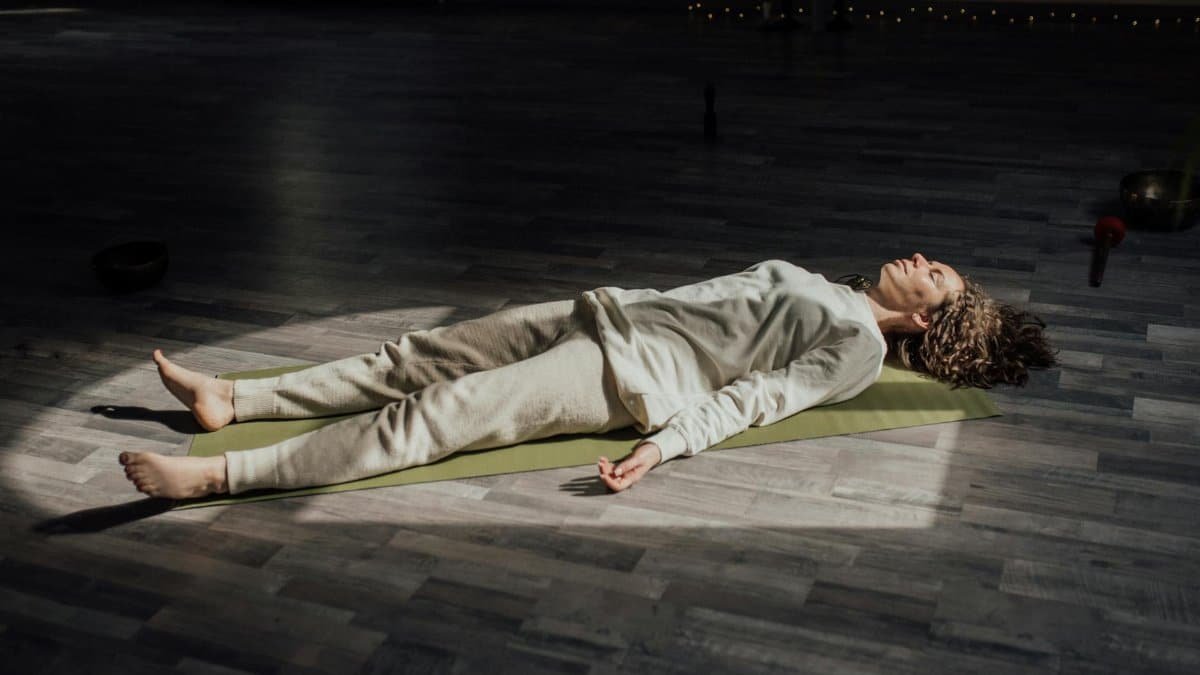
Breath is the anchor. In the midst of a hectic day, focusing on your inhale and exhale can swiftly pull you back from the edge. Imagine a busy parent in a bustling New York subway, eyes closed for just a minute, tuning into the rhythm of their breathing amid the screech of trains. This isn’t magic; it’s science-backed. Research from the National Institutes of Health shows that mindful breathing activates the parasympathetic nervous system, reducing heart rate and promoting relaxation.NCCIH on Meditation Benefits.
But how to begin? Sit comfortably, perhaps in a quiet corner of your home, and notice the air filling your lungs. No need for fancy apps or timers at first. One anonymized account from an online discussion captured it well: someone described feeling overwhelmed at work, then taking five deep breaths and sensing the tension melt away, like fog lifting from a morning lake. It’s that immediate. Over time, this tip builds a habit, turning reactive stress into proactive calm. Vary it by counting breaths—inhale for four, hold for four, exhale for four. The simplicity is its power, making it accessible even in 2025’s always-on culture.
Of course, challenges arise. Distractions pull you away, or doubts creep in about whether it’s “working.” That’s normal. The key is persistence, treating each session as a gentle return rather than a forced achievement.
Tip 2: Create a Dedicated Space for Reflection

Environment matters more than you might think. Carving out a small nook in your living room or bedroom, free from clutter, signals to your brain that it’s time to unwind. Picture soft lighting, a cushion on the floor, maybe a plant or two—nothing extravagant, just intentional.
This setup isn’t mere aesthetics; it fosters consistency. A study published in the Journal of Environmental Psychology found that personalized spaces enhance mindfulness practices, leading to better emotional regulation.APA on Mindfulness. One middle-aged reader might recall transforming a forgotten closet into a sanctuary, where the act of entering shifts their mindset from chaos to clarity.
Start small: clear a spot, add elements that soothe you—a photo of a serene landscape or a scented candle. The ritual of preparing the space becomes part of the meditation, easing the transition into peace. In bustling U.S. households, this tip counters the constant noise, offering a personal retreat.
Yet, flexibility is key. If space is tight, even a park bench can serve. The point is intention, not perfection.
Tip 3: Incorporate Gentle Movement Before Sitting Still

Sometimes, the body needs to move before the mind can settle. A short walk or simple stretches can release pent-up energy, paving the way for deeper meditation. Think of it as warming up for a mental workout.
Evidence supports this. Harvard Medical School reports that combining movement with mindfulness, like in yoga, amplifies stress reduction.Harvard Health on Yoga and Meditation. Envision a teacher in Chicago, pacing her apartment after a long day, then easing into stillness— the shift feels natural, not abrupt.
Try it: Walk mindfully for five minutes, noting each step, then sit. This bridges the gap for those who find pure stillness daunting. In 2025, with sedentary jobs dominating, this tip integrates activity seamlessly.
Don’t overdo it, though. The goal is ease, not exhaustion. Listen to your body; some days, a few neck rolls suffice.
Tip 4: Use Guided Sessions to Build Confidence

For beginners, guidance can be a game-changer. Apps or recordings provide structure, narrating you through the process and preventing the mind from wandering aimlessly.
It’s not cheating; it’s scaffolding. The Mayo Clinic endorses guided meditation for reducing anxiety, with sessions as short as 10 minutes yielding benefits.Mayo Clinic on Meditation. Recall a story of a retiree in Florida, initially skeptical, who found solace in a voice leading her through visualizations of ocean waves—peace washing over her worries.
Choose voices that resonate; variety abounds online. Start with free resources, gradually weaning off as confidence grows. This tip demystifies meditation tips, making them approachable for middle-aged folks juggling careers and family.
Be wary of dependency. Use guides as tools, not crutches, evolving toward self-led practice.
Tip 5: Focus on Gratitude to Shift Perspective

Amid meditation, weave in gratitude. Naming three things you’re thankful for can reframe negativity, fostering a peaceful mindset.
This isn’t fluffy advice; neuroscience backs it. Studies from the University of California show gratitude practices increase activity in brain regions linked to well-being.Greater Good Science Center on Gratitude. Imagine a veteran in Texas, reflecting on small joys during sessions— a hot cup of coffee, a child’s laugh—transforming his outlook.
Integrate it subtly: After breathing, pause for gratitude. Journal if it helps. In our polarized 2025 landscape, this counters cynicism effectively.
Challenges? On tough days, it feels forced. Start small; authenticity builds over time.
Tip 6: Set Realistic Time Commitments

Consistency trumps duration. Committing to five minutes daily beats sporadic hour-long sessions. It’s about building a habit without overwhelm.
Research from the American Psychological Association highlights that short, regular practices lead to sustained benefits in stress management.APA on Mindfulness Training. Picture a nurse in Seattle, squeezing in brief meditations between shifts—those moments accumulate into profound calm.
Track progress with a simple app or calendar. Adjust as life demands; flexibility prevents burnout. This meditation tip ensures longevity in practice.
Resist the urge to push too hard. Gentleness is the essence of peace.
Tip 7: Combine with Nature for Enhanced Serenity

Step outside. Meditating in nature amplifies the effects, with fresh air and natural sounds deepening relaxation.
Studies confirm it: Time in green spaces reduces cortisol levels, per the Environmental Protection Agency’s research summaries.EPA on Outdoor Air and Health. Envision hiking in the Appalachians, sitting by a stream—the water’s murmur guiding your thoughts.
Urban dwellers? A window view or park suffices. Blend it with breath work for synergy. In 2025’s climate-aware era, this reconnects us to the earth.
Weather permitting, of course. Adapt indoors with nature sounds if needed.
Tip 8: Reflect and Adjust Regularly

End with reflection. After each session, note what worked, what didn’t—tweaking as you go ensures growth.
This iterative approach is key to mastery. Insights from mindfulness experts at UCLA emphasize self-compassion in practice.UCLA Mindful Awareness Research Center. Think of a writer in Boston, journaling post-meditation, discovering patterns that refine her routine.
Keep it brief: a sentence or two. Over months, patterns emerge, solidifying peace. This tip turns meditation into a personalized journey.
Embrace evolution; what calms today might shift tomorrow. That’s the beauty of it.