

Did you know that nearly 11% of American adults experience panic attacks each year, according to recent data from the National Institute of Mental Health? That’s millions grappling with sudden waves of fear that can disrupt daily life. Yet, emerging research highlights a simple, accessible tool: breath rhythms rooted in mind-body healing. These techniques draw on ancient practices and modern science to calm the nervous system, breaking the cycle of panic before it spirals. As stress levels climb in our fast-paced world, more people are turning to these methods for relief. This article explores eight effective breath rhythms, each designed to restore balance and foster resilience. Whether you’re dealing with occasional anxiety or seeking preventive strategies, these approaches offer practical ways to harness your breath for healing.
1. The 4-7-8 Technique for Instant Calm

Developed by Dr. Andrew Weil, the 4-7-8 breathing method draws from yoga traditions. It involves inhaling quietly through the nose for four counts, holding the breath for seven, and exhaling through the mouth for eight with a whoosh sound. This pattern activates the parasympathetic nervous system, signaling the body to relax. Imagine a busy parent in a crowded grocery store, heart racing from an unexpected trigger. They pause, apply this rhythm, and within minutes, the fog lifts. Studies show it reduces anxiety symptoms effectively. For more details, check the Harvard Health Publishing overview. In the context of mind-body healing, this technique bridges mental focus with physical response, creating a loop of self-regulation.
It’s not just about counting; it’s about intention. Users often report a sense of empowerment, turning panic into a manageable moment. One anonymous account from online discussions described it as “a reset button for my overwhelmed brain,” highlighting how it interrupts racing thoughts. As trends in 2025 show rising interest in holistic anxiety tools, this method stands out for its simplicity.
2. Box Breathing to Steady the Mind
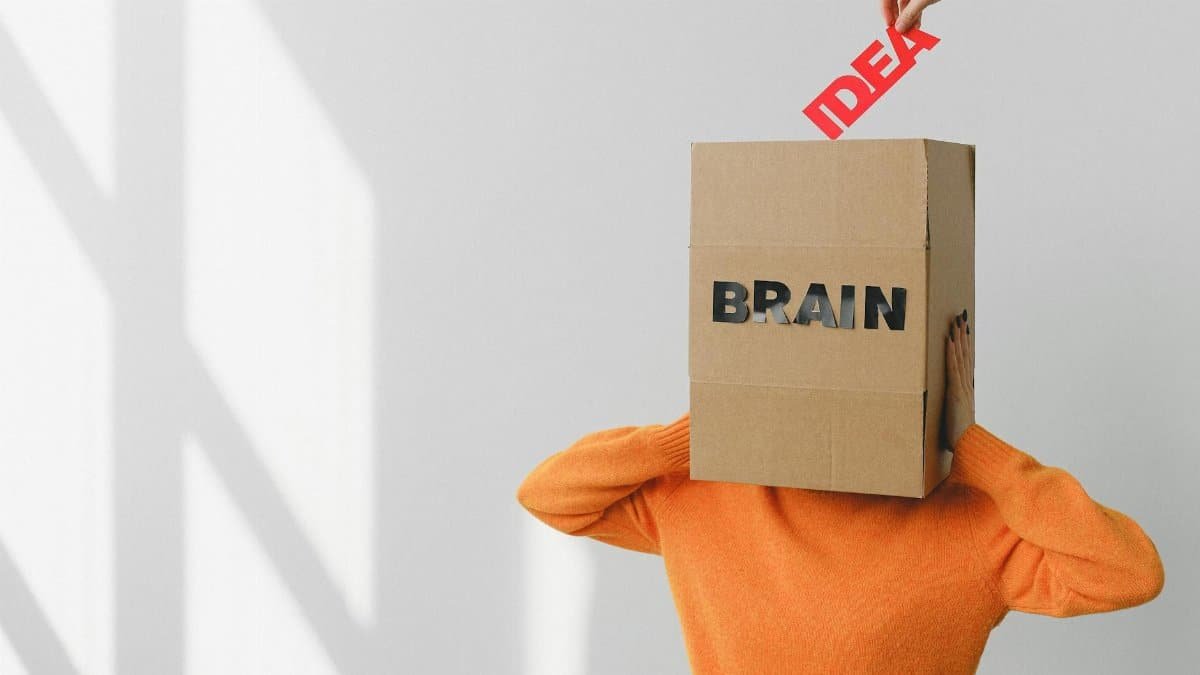
Sometimes called square breathing, this Navy SEAL-favored technique uses equal counts: inhale for four, hold for four, exhale for four, hold for four. Repeat. It mimics a box’s symmetry, promoting mental clarity amid chaos. Picture a professional in a high-stakes meeting, palms sweating as panic creeps in. They discreetly employ box breathing under the table, regaining composure without drawing attention. Research from the National Center for Biotechnology Information links it to lowered cortisol levels.
What makes it powerful in mind-body healing is its accessibility—no tools needed. Vary the counts as you build tolerance, starting slower if four feels rushed. Over time, it trains the body to default to calm, reshaping how panic cycles unfold. A brief reflection: in our distraction-filled era, this rhythm acts like an anchor, pulling scattered thoughts back to center.
Transitions to daily life are seamless. Incorporate it during commutes or before bed, turning routine moments into healing opportunities.
3. Diaphragmatic Breathing for Deep Rooting
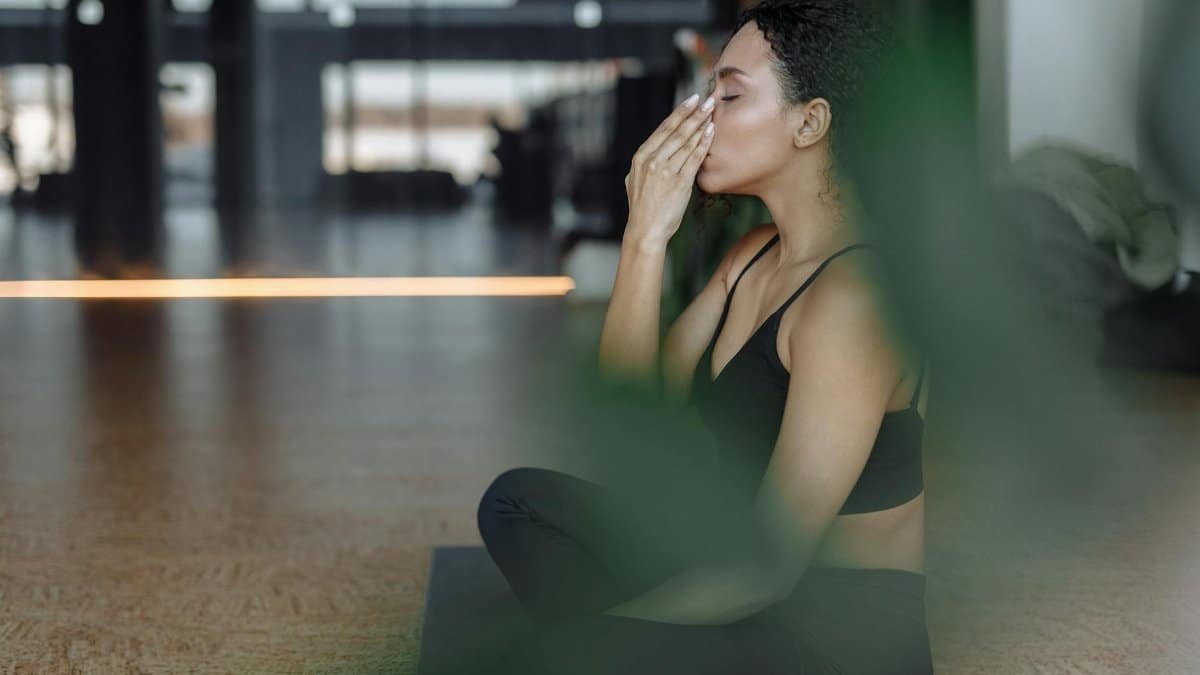
Focus on the belly, not the chest. Place a hand on your abdomen, inhale deeply so it rises, then exhale slowly. This engages the diaphragm, increasing oxygen flow and easing tension. It’s foundational in therapies like biofeedback. Envision someone waking from a nightmare, breath shallow and rapid. Shifting to diaphragmatic breathing grounds them, dissolving the panic’s grip.
According to the Cleveland Clinic, it enhances lung function and reduces stress markers. In mind-body healing, it fosters awareness of physical sensations, helping identify panic early. Mix in visualization: imagine roots extending from your feet into the earth with each breath.
Challenges arise when habits favor shallow breathing, but practice reframes this. One illustrative snippet: a middle-aged reader shared anonymously how it transformed their morning routine, from frantic to focused. As U.S. wellness trends evolve in 2025, such practices gain traction for their evidence-based benefits.
4. Alternate Nostril Breathing to Balance Energies
Rooted in Ayurveda, this involves closing one nostril while inhaling through the other, then switching for the exhale. Cycle through several rounds. It harmonizes the brain’s hemispheres, calming an overactive mind. Think of a student facing exam anxiety, using this in a quiet corner to restore equilibrium.
Evidence from yoga studies, like those summarized by the Yoga Journal, suggests it lowers heart rate variability linked to stress. Within mind-body healing, it emphasizes integration—mind and body as one flowing system.
Start gently; it might feel awkward at first. Yet, persistence reveals its subtlety, turning potential panic into poised readiness. Explore tensions here: while some dismiss it as esoteric, science increasingly validates its physiological impacts.
5. Coherent Breathing for Heart Rhythm Harmony
Aim for five breaths per minute: inhale and exhale for about six seconds each. This syncs heart rate with respiration, promoting coherence. Devices like heart rate monitors can track progress, but it’s effective without them.
A study from the HeartMath Institute, detailed at HeartMath Research page, shows it boosts emotional regulation. For someone in traffic, panic bubbling up, this rhythm shifts focus inward, breaking the cycle.
In the broader scope of mind-body healing, it underscores interconnectedness—how breath influences heart, mind, and mood. Weave it into walks or meditations for amplified effects. A nuanced angle: it addresses not just acute panic but underlying emotional patterns.
6. Pursed-Lip Breathing to Extend Exhales
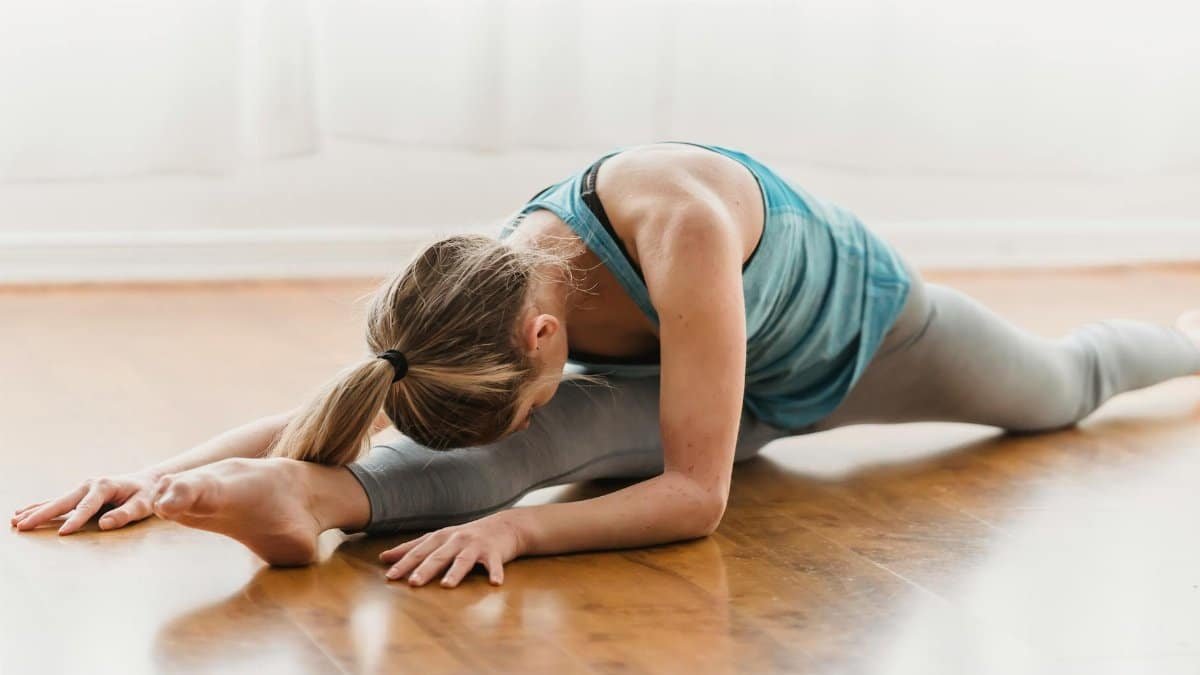
Inhale through the nose, then exhale slowly through pursed lips, as if whistling. This prolongs the out-breath, activating relaxation responses. It’s common in pulmonary rehab but shines for anxiety too.
The American Lung Association explains its benefits at American Lung Association breathing exercises. Visualize a retiree in a doctor’s waiting room, using it to quell rising dread.
This technique highlights mind-body healing’s practicality, turning a simple lip position into a panic interrupter. Vary the pace; slower exhales deepen calm. Online sentiments often echo relief, with one account noting it “feels like deflating a balloon of worry.”
7. Resonant Breathing for Vibrational Shift
Breathe at a rate that resonates with your body’s natural frequency, often around 5-6 breaths per minute, sometimes with humming on exhales. This creates internal vibrations that soothe the nervous system.
Research from the University of California, accessible via UCSF News on breathing rhythms, links it to brain wave changes. For a night owl battling insomnia-fueled panic, this becomes a bedtime ritual.
It invites exploration of sound in mind-body healing, adding layers to breath work. Tensions emerge when skepticism meets experience—try it, and feel the shift.
8. Progressive Relaxation Breathing to Release Tension
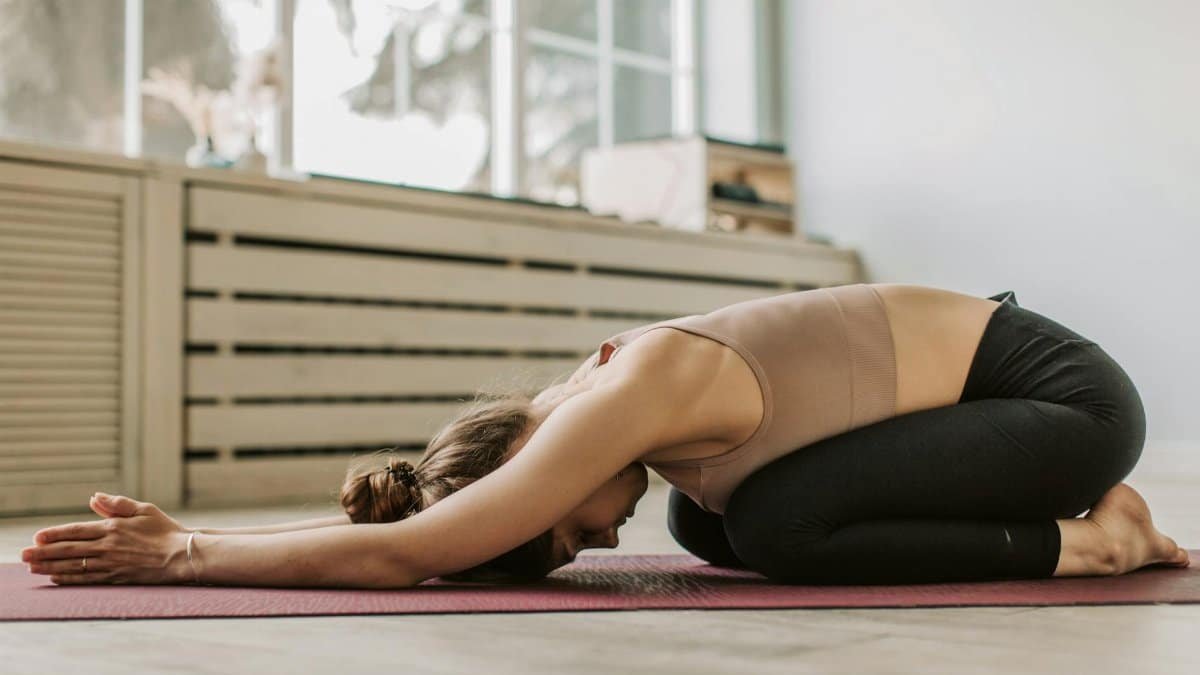
Combine breath with muscle tensing and releasing: inhale while tightening a muscle group, exhale while letting go. Move from toes to head. This systematically unwinds the body, dismantling panic’s physical hold.
The Mayo Clinic outlines it at Mayo Clinic relaxation techniques. Envision an artist in creative block, panic rising; this method clears the path.
As part of mind-body healing in 2025, it empowers long-term resilience. Integrate storytelling: users describe it as “peeling away layers of stress,” revealing a calmer core. End with reflection— these rhythms aren’t cures, but tools for a more balanced life.