

A recent survey by the National Center for Complementary and Integrative Health found that about 18% of U.S. adults have tried relaxation techniques like breathwork in the past year, up from just 9% a decade ago. This surge reflects a growing hunger for tools that promise calm amid chaos. In bustling cities like New York and Los Angeles, wellness studios now pack classes where participants learn to harness their breath for stress relief. But why this sudden embrace? Breathwork, at its core, taps into an ancient practice that’s being rediscovered in our high-speed world. It offers a simple way to reset the mind and body. As more Americans grapple with anxiety and burnout, this method stands out as a potential game-changer. Yet its true power lies in fostering inner transformation, turning everyday breathing into a pathway for deeper self-awareness.
The Ancient Roots of Breathwork

Breathwork didn’t emerge from modern wellness trends. It traces back thousands of years. In ancient India, yogis developed pranayama, techniques to control life force through breath. These practices aimed to balance energy and achieve enlightenment. Similarly, Indigenous cultures across the Americas used rhythmic breathing in rituals for healing and vision quests. Fast forward to the 20th century, and figures like Wilhelm Reich explored breath as a key to emotional release. Today, these traditions blend with science-backed methods. A teacher in a quiet San Francisco studio might guide a session drawing from both yoga and psychotherapy. This fusion shows how breathwork evolves, adapting to contemporary needs while honoring its origins.
Consider the story of a group in the Midwest. They gathered weekly, breathing in unison to ancient chants. One participant, a retired nurse, recalled how it unlocked buried grief. “It was like opening a door I’d kept shut for years,” she said. Such moments highlight breathwork’s timeless appeal. It bridges past and present, offering a thread of continuity in an unpredictable world.
Unpacking the Science: How Breath Affects the Body

Breath isn’t just air in and out. It influences the nervous system profoundly. Deep, intentional breathing activates the parasympathetic response, signaling the body to relax. This counters the fight-or-flight mode that plagues many in stressful jobs. Research supports this. A study published in the Journal of Clinical Psychology showed that breathwork reduced anxiety symptoms in participants after just four weeks.Journal of Clinical Psychology Study.
Physiologically, it boosts oxygen flow, improving brain function and energy levels. Imagine a busy parent pausing for five minutes of box breathing—inhale for four, hold, exhale for four. Suddenly, the day’s fog lifts. Scientists at Harvard Medical School have linked such practices to lower cortisol levels, the stress hormone.Harvard Health on Breath Control. Yet, it’s not all straightforward. Some experience dizziness at first, a reminder that breathwork demands respect and gradual approach.
This interplay of biology and intention makes breathwork a potent tool. It transforms something automatic into a deliberate act of self-care.
Breathwork for Mental Clarity and Emotional Release

What if a few deep breaths could dissolve mental clutter? Many practitioners swear by it. Breathwork techniques like holotropic breathing encourage intense, rapid inhales to access subconscious emotions. Developed by psychiatrist Stanislav Grof, this method has gained traction in therapy circles. Participants often report breakthroughs, shedding old traumas. In a Seattle workshop, one attendee described it as “peeling away layers of doubt.” The process isn’t always comfortable—tears and laughter mix freely—but the clarity that follows feels liberating.
Studies back these claims. Research from the National Institutes of Health indicates that mindful breathing can alleviate depression symptoms by enhancing emotional regulation.NCCIH on Mind and Body Practices. Still, it’s not a cure-all. Therapists warn that without guidance, it might stir up unresolved issues. Balancing intensity with gentleness is key. As more Americans seek mental health support in 2025, breathwork emerges as an accessible complement to traditional therapy.
Physical Benefits: Beyond the Mind

Breathwork’s reach extends to the body. Athletes use it to enhance performance, timing breaths with movements for better endurance. A runner in Chicago might employ diaphragmatic breathing to push through the last mile. Evidence from sports science confirms this: A review in the British Journal of Sports Medicine found that respiratory training improves lung capacity and reduces fatigue.British Journal of Sports Medicine Review.
On a subtler level, it aids digestion and sleep. Slow breaths stimulate the vagus nerve, promoting relaxation that eases insomnia. Picture lying in bed, focusing on elongated exhales. Sleep comes easier. Yet, misconceptions persist—some think it’s only for yogis or the spiritually inclined. In reality, it’s practical for anyone. From office workers combating desk slump to elders maintaining vitality, breathwork adapts to diverse needs.
This versatility underscores its role in holistic health, merging physical vigor with inner peace.
Common Challenges and How to Overcome Them
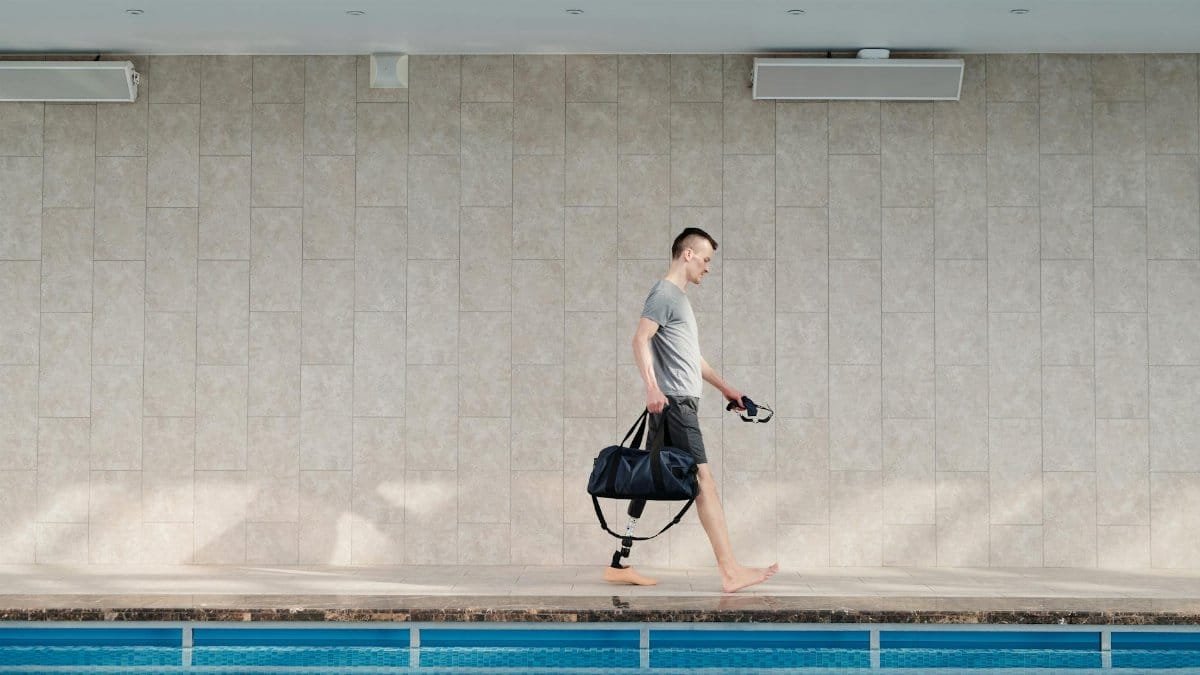
Not everyone dives into breathwork smoothly. Beginners often struggle with consistency, forgetting amid daily hustle. Or they push too hard, leading to hyperventilation. One online account shared anonymously described initial frustration: “I felt more anxious at first, like I was doing it wrong.” Such experiences are common, revealing the learning curve.
To navigate this, start small. Apps and guided sessions help. Experts recommend building a routine, perhaps tying it to morning coffee. Patience matters—results build over time. Addressing skepticism is another hurdle. Friends might dismiss it as woo-woo. Sharing personal wins, like reduced headaches, can counter that. Ultimately, overcoming these barriers unlocks breathwork’s transformative potential, turning obstacles into stepping stones.
Integrating Breathwork into Everyday Life

Making breathwork routine doesn’t require hours. Slip it into commutes or breaks. A New York commuter uses subway rides for subtle nostril breathing, arriving at work centered. At home, families incorporate it before meals, fostering connection. Workplaces are catching on too—in 2025, some companies offer breathwork sessions to boost productivity.
Creativity helps. Pair it with walking or journaling. One approach: End the day with gratitude breaths, inhaling positives, exhaling worries. This integration turns abstract practice into lived reality, weaving transformation into the fabric of daily existence.
Over time, these habits compound, leading to profound shifts in perspective and well-being.
Stories of Transformation: Real-Life Impacts
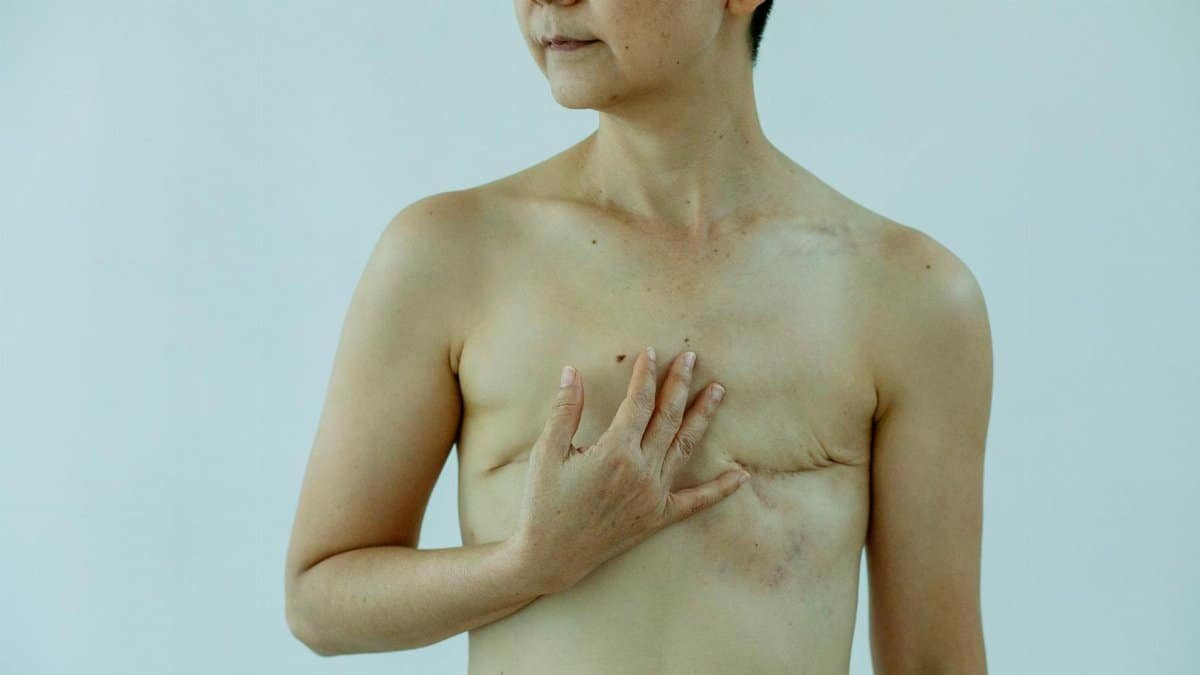
Breathwork’s power shines in personal tales. Take Sarah, a teacher from Texas. Overwhelmed by pandemic stress, she turned to online classes. Months later, she navigated challenges with newfound resilience. “It rewired how I respond to chaos,” she reflected. Another story comes from a veteran in California, who used breathwork to manage PTSD. Sessions brought moments of peace he’d long forgotten.
These narratives aren’t isolated. Across the U.S., people report enhanced joy and purpose. One group in Atlanta formed a breathwork circle, bonding over shared growth. Such stories illustrate how breathwork fosters community and individual change, proving its worth beyond theory.
Exploring Advanced Techniques

Once basics are mastered, advanced methods beckon. Practices like Wim Hof’s combine cold exposure with powerful breaths, building resilience. Enthusiasts claim it sharpens focus and immunity. Or try transformational breathwork, emphasizing full-body involvement for energy shifts.
Caution is advised—professional guidance prevents overexertion. Workshops in places like Boulder draw seekers eager for depth. Here, breath becomes a portal to altered states, revealing inner landscapes. For many, this level deepens the journey, amplifying breathwork’s role in personal evolution.
The Broader Cultural Shift

Breathwork reflects a wider movement toward mindfulness in America. With wellness apps booming, it’s more accessible than ever. In 2025, expect integration into schools and healthcare. This shift addresses collective burnout, offering a counter to digital overload.
Yet, equity matters. Not everyone accesses pricey retreats. Community programs bridge gaps, making transformation inclusive. As society evolves, breathwork stands as a beacon, guiding toward balanced, purposeful living.
Final Reflections on Inner Change

Breathwork isn’t magic, but its effects can feel that way. It invites pausing, listening to the body’s wisdom. In a world of constant noise, this simple act reclaims agency. Whether for clarity, health, or connection, it holds promise. As more embrace it, the ripple effects could reshape how we live. The breath, after all, is always with us—ready to transform.