

Consider a quiet moment in a crowded coffee shop, where a woman sits alone at a small table, her posture relaxed yet resolute, her gaze steady as she sips her drink. She seems to carry an invisible shield, a subtle but firm line that keeps the bustle at bay. This scene captures the essence of embodied boundaries—a concept that’s gaining traction as a way to protect personal space and energy in an often overwhelming world. It’s not just about saying “no” or drawing a line; it’s about feeling that line within your body, a grounded sense of self that guides interactions. As life in 2025 moves faster, with digital and physical demands blurring together, more Americans are seeking practical ways to anchor themselves. How can we cultivate this inner strength? The 14 tools ahead offer a starting point, blending mindfulness, physical awareness, and intentional habits.
1. Tune Into Body Signals
Start with the basics: your body often knows before your mind does when a boundary is being crossed. A tight chest, a racing pulse, or a sudden urge to retreat can signal discomfort. Learning to recognize these cues is the first step in embodying boundaries. One woman, reflecting on her journey, described it as “finally listening to a whisper I’d ignored for years.” The practice is simple but powerful—pause during interactions and scan for physical tension. Over time, this awareness becomes a compass, guiding when to step back or stand firm. Research from institutions like the National Institutes of Health highlights how somatic awareness can reduce stress by reconnecting mind and body.
2. Practice a Grounding Stance

Physical posture can shape how you feel and how others perceive your space. Standing with feet hip-width apart, shoulders rolled back, and chin slightly lifted can project confidence while reinforcing an internal sense of boundary. This isn’t about puffing up or intimidating—it’s about claiming your ground. Try it before a tough conversation; the shift is subtle but real. Studies supported by resources at American Psychological Association suggest that “power poses” can influence both self-perception and stress hormone levels, helping you embody a protective stance.
3. Visualize a Protective Field

Imagine a soft, shimmering barrier around you, one that filters out unwanted energy while letting in what aligns with your well-being. This mental exercise, often used in mindfulness practices, helps solidify the idea of embodied boundaries. Picture it during a tense meeting or family gathering. It’s not about walling off—it’s about selective permeability. One person described visualizing a “bubble of calm” that kept harsh words from sinking in. While anecdotal, such techniques align with broader findings on visualization reducing anxiety, as noted by outlets like Mayo Clinic.
4. Set Intentional Pauses

Rushing through life leaves little room for boundaries. Build deliberate pauses into your day—moments to breathe, check in, and decide how much of yourself to give. Before answering a request, take five seconds to consider if it feels right. This small habit can prevent overextension. In a society that often glorifies hustle, especially evident in 2025’s gig economy pressures, pausing is radical. It’s a quiet way to honor your limits without explanation.
5. Use Breath as an Anchor

Deep, slow breathing can center you when external demands threaten to overwhelm. Inhale for a count of four, hold for four, exhale for six. Repeat until you feel steady. This isn’t just calming—it’s a reminder of your autonomy over your inner state. Breathwork, backed by research from places like Harvard University, shows measurable effects on regulating the nervous system, a key to maintaining embodied boundaries under stress.
6. Define Your Non-Negotiables

What are the values or needs you won’t compromise? Maybe it’s uninterrupted sleep, or not discussing certain topics. Identifying these anchors clarifies where your boundaries lie. Write them down if it helps. One online account shared anonymously described the relief of finally naming “time alone” as non-negotiable, a small act that shifted how they navigated demands. Knowing your core priorities makes it easier to embody them physically and emotionally.
7. Rehearse Boundary Phrases

Words matter, but so does delivery. Practice saying things like “I’m not comfortable with that” or “I need some space right now” in a calm, firm tone. Do it in front of a mirror if you must. The goal isn’t confrontation but clarity. When your voice matches your internal resolve, the boundary feels more tangible. This aligns with communication strategies often discussed in psychological resources for assertiveness.
8. Limit Digital Overreach

In 2025, screens often blur personal limits, with notifications and social media demanding constant attention. Set specific times to check messages or log off entirely for parts of the day. This isn’t just time management—it’s protecting your mental space. Embodied boundaries extend to the digital realm, where saying “unavailable” can feel as vital as closing a door.
9. Create Physical Space Rituals
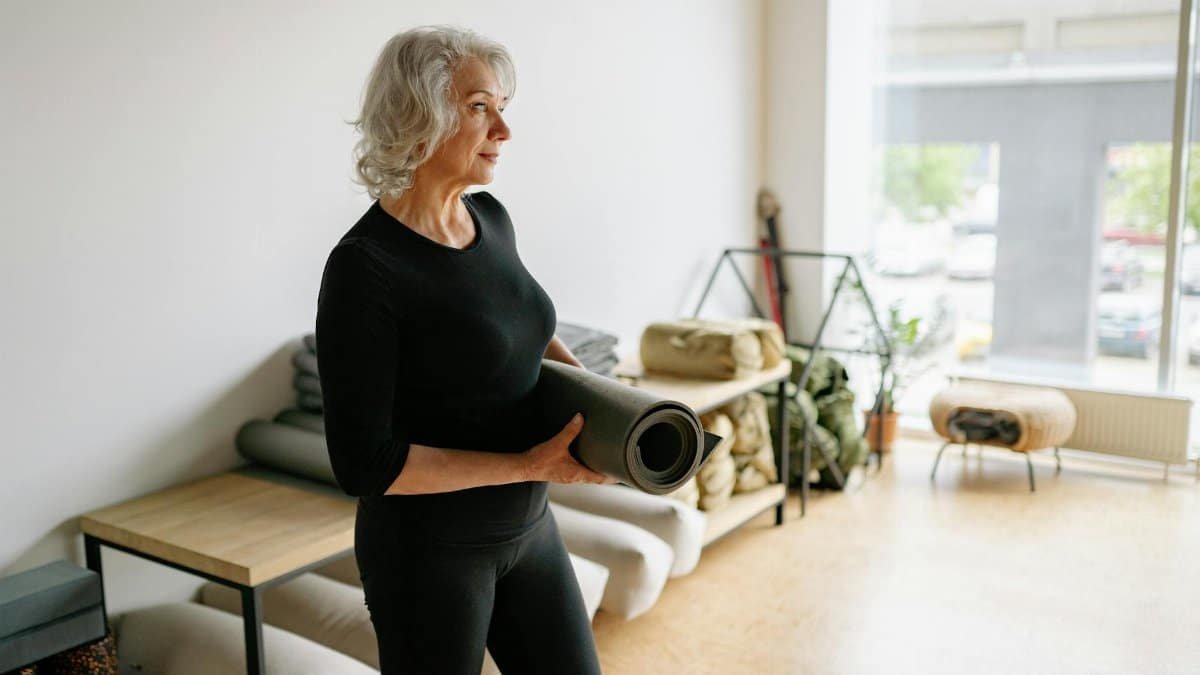
Designate a corner of your home as a no-interruption zone, even if it’s just a chair with a blanket. Use it to reset. Or, after a draining interaction, wash your hands with intention, imagining stress rinsing away. These small acts ground boundaries in the physical world, making them feel less abstract. Rituals like these tap into the human need for tangible markers of safety.
10. Notice Energy Drains
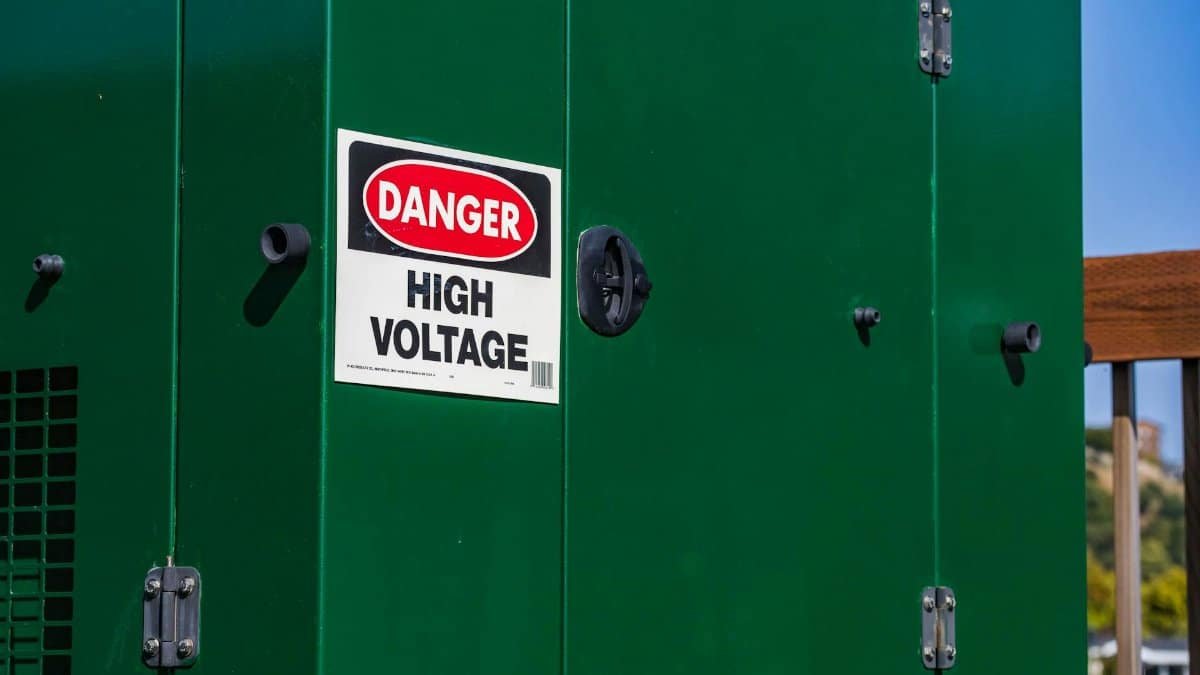
Some people or situations consistently leave you depleted. Pay attention to who or what saps your vitality. It’s not about blame—it’s about awareness. Once identified, you can adjust exposure or prepare with grounding techniques beforehand. This observation is key to embodied boundaries, as it ties emotional limits to physical sensations of fatigue or unease.
11. Strengthen Core Muscles

A strong physical core—think abdomen and lower back—can mirror inner resilience. Simple exercises like planks or yoga poses such as warrior stance build not just muscle but a felt sense of stability. When you feel physically steady, emotional boundaries often follow. This isn’t about aesthetics; it’s about feeling rooted in your own body.
12. Honor Rest as Resistance

Saying no to overcommitment often means saying yes to rest. In a culture that equates busyness with worth, resting without guilt is a boundary in itself. Lie down when you’re tired. Turn off the phone. Rest isn’t laziness—it’s a declaration of self-worth. This practice embodies the boundary of self-care over external expectation.
13. Seek Supportive Communities

Surround yourself with people who respect your limits. Whether it’s a friend who doesn’t push or a group focused on mindfulness, community can reinforce embodied boundaries. Shared understanding makes it easier to stand firm. One person recalled finding a local meditation circle where “no” was never questioned, a rare space that bolstered their resolve.
14. Reflect and Adjust Regularly

Boundaries aren’t static; they shift with life’s seasons. Set aside time monthly to ask: Are my limits serving me? Do I feel grounded or overwhelmed? Adjust as needed. This ongoing dialogue with yourself keeps boundaries alive in your body and mind. It’s less about perfection and more about staying attuned to your evolving needs.
Navigating the world with embodied boundaries isn’t a one-time fix but a continual practice. These 14 tools—from tuning into physical cues to carving out digital space—offer ways to root yourself amid life’s demands. They remind us that protecting our energy isn’t selfish; it’s essential. As pressures mount in 2025, with blurred lines between work and home, personal and public, finding that inner line becomes not just helpful, but vital. What might shift if you started small, with a single breath or a quiet pause? The answer lies in trying, feeling, and adjusting—one grounded step at a time.