
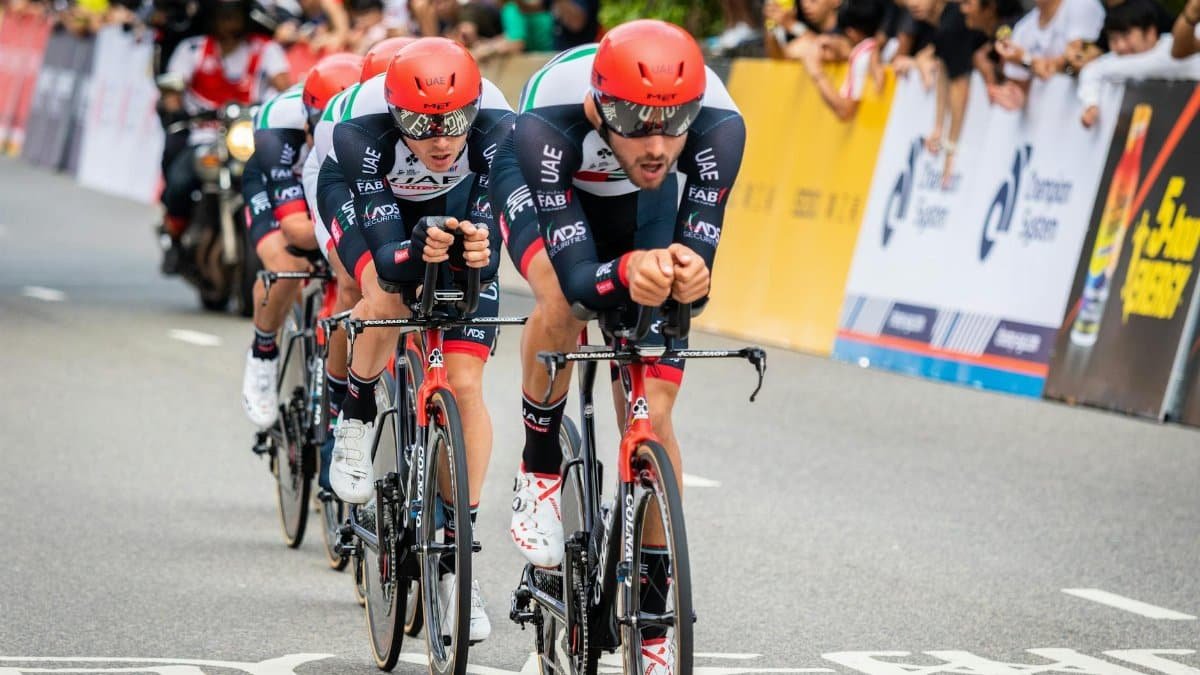
Imagine standing at the starting line of a marathon, the air thick with anticipation, as runners around you fidget and adjust their gear. Among them, a seasoned endurance athlete takes slow, deliberate breaths, syncing each inhale and exhale with an internal rhythm. This isn’t just a calming ritual—it’s a calculated strategy. Breath timing, a technique embraced by many athletes, is transforming how runners, cyclists, and swimmers push their limits. It’s about more than just oxygen; it’s about aligning body and mind for peak performance. For these breath timing athletes, every stride or stroke becomes a dance with respiration, unlocking endurance and focus in ways that feel almost instinctive. How do they do it? What specific hacks have they mastered to turn breathing into a competitive edge? Let’s unpack the methods that are quietly revolutionizing endurance sports.
1. Sync Breathing with Strides for Running Efficiency
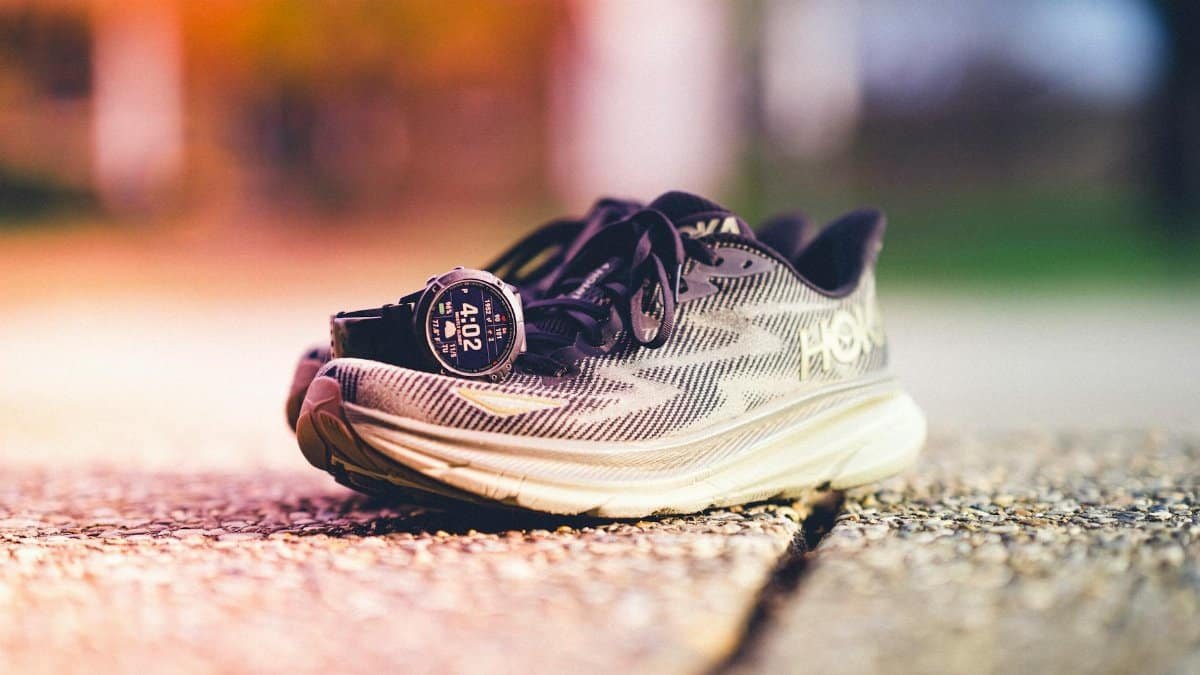
For runners, breath timing often starts with matching inhales and exhales to footfalls. Many endurance athletes swear by a 3:2 ratio—inhaling for three steps, exhaling for two—to maintain a steady cadence. This isn’t arbitrary; it helps regulate heart rate and reduces the risk of side stitches. A study from the National Center for Biotechnology Information highlights how rhythmic breathing can improve running economy by optimizing oxygen intake. One marathoner described it as “finding a groove where my lungs and legs just click.” Experiment with ratios during training runs to see what feels natural. Start with longer inhales if you’re new to this, and adjust as your pace shifts.
2. Use Nasal Breathing to Build Stamina

Nasal breathing might sound counterintuitive during intense exercise, but many athletes rely on it to build endurance. Breathing through the nose filters air, adds humidity, and forces slower, deeper breaths, which can lower perceived exertion. Research published by the National Library of Medicine suggests nasal breathing may enhance nitric oxide production, aiding oxygen delivery. Athletes often practice this during low-intensity sessions, gradually integrating it into faster paces. One long-distance runner noted feeling “calmer and more in control” after weeks of nasal-focused drills. It’s not about abandoning mouth breathing entirely—just balancing the two for longer-lasting energy.
3. Master Diaphragmatic Breathing for Recovery

Between hard efforts, recovery matters as much as the workout itself. Diaphragmatic breathing—deep belly breaths that engage the diaphragm—helps athletes cool down faster and oxygenate muscles. Lie flat or sit, place a hand on your stomach, and feel it rise with each inhale. Studies from the Mayo Clinic emphasize how this technique reduces stress hormones, aiding post-run recovery. Endurance athletes often use it during cooldowns or even mid-race to reset. It’s a quiet hack, but one that can shave precious seconds off fatigue’s grip.
4. Time Exhales for Explosive Power in Cycling
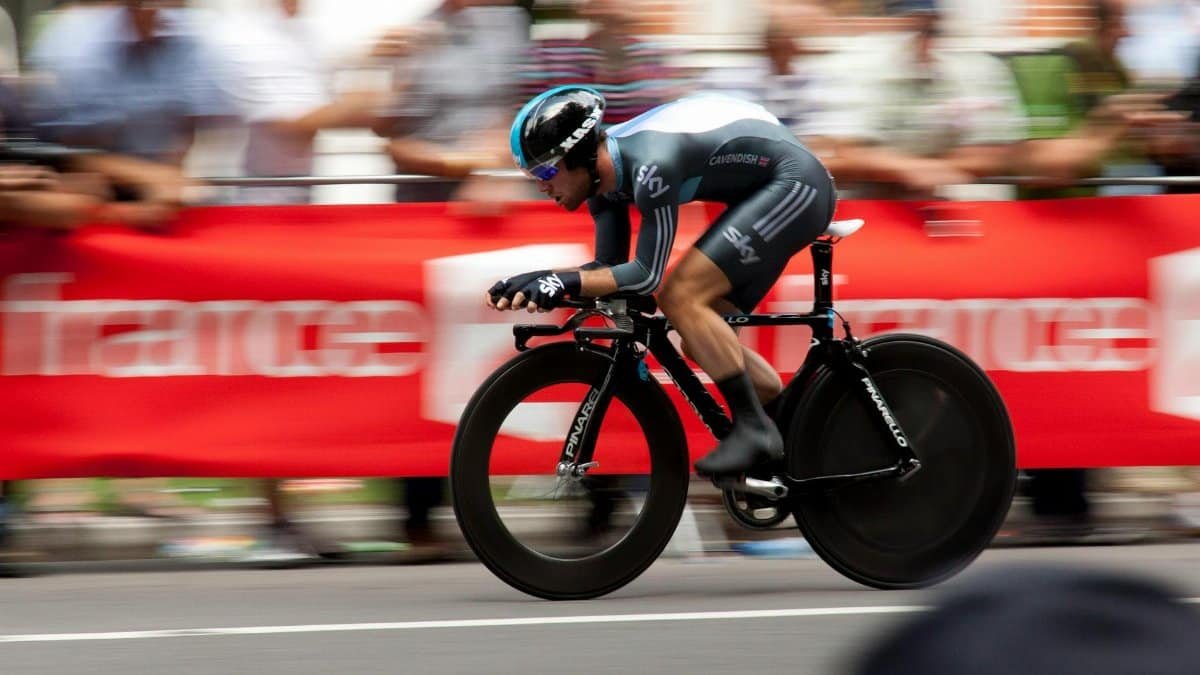
Cyclists among breath timing athletes often focus on exhaling at key moments—like during a steep climb or sprint. A forceful exhale as you power through a pedal stroke can engage core muscles, boosting torque. This isn’t just anecdotal; research from the Frontiers in Physiology journal shows coordinated breathing enhances neuromuscular efficiency. Picture a cyclist cresting a hill, each sharp exhale punctuating the grind. Start practicing on flat terrain, timing exhales with your strongest downstrokes. Over time, it becomes second nature, turning breath into a hidden gear.
5. Practice Breath Holds to Simulate High-Altitude Training

Some athletes mimic the oxygen scarcity of high-altitude training by incorporating breath holds into their routines. After a normal exhale, pause for a few seconds before inhaling again. This builds tolerance to carbon dioxide buildup, a skill crucial for endurance. One ultra-runner shared online how brief breath holds during easy jogs made racing at elevation “less of a shock.” While effective, this should be done cautiously and never during intense efforts to avoid dizziness. It’s a niche trick, but for those chasing mountain races, it’s a game-changer.
6. Adopt a 4-7-8 Pattern for Pre-Race Calm

Nerves can sabotage even the best training. Many athletes use the 4-7-8 breathing pattern—inhale for four counts, hold for seven, exhale for eight—to steady themselves before a race. This slows the heart rate and shifts focus inward. A seasoned triathlete recalled using it minutes before a swim start, feeling the jitters melt away as the counts took over. It’s simple but powerful, especially when adrenaline spikes. Try it during warm-ups to anchor your mind before the gun goes off.
7. Coordinate Breathing with Stroke Rhythm in Swimming
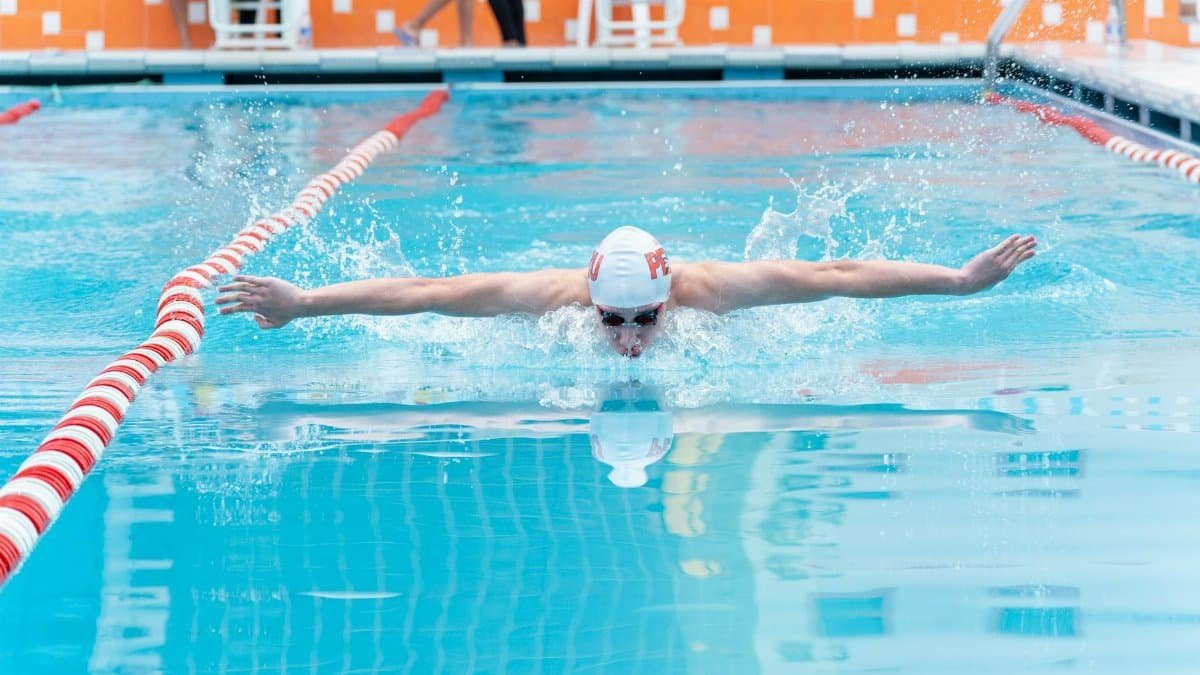
For swimmers, breath timing is literal survival. Elite swimmers often breathe every third or fifth stroke to maintain rhythm and minimize drag. Timing inhales with head turns ensures efficiency, while exhaling underwater prevents hyperventilation. It’s a skill honed over countless laps, but even recreational swimmers can benefit by starting with shorter intervals. One swimmer described the moment it clicked: “Suddenly, I wasn’t fighting the water—I was flowing with it.” Focus on consistency during drills to make it automatic.
8. Leverage Box Breathing for Mental Focus

Box breathing—inhaling, holding, exhaling, and holding again, each for four counts— isn’t just for Navy SEALs. Endurance athletes use it to sharpen focus during long efforts. The structured pattern interrupts mental chatter, grounding you in the moment. One cyclist mentioned using it mid-race during a grueling stretch, finding it “reset my headspace completely.” Practice it off the bike or track first, then apply it when fatigue clouds your mind. It’s a mental lifeline when physical limits loom.
9. Exhale Fully to Prevent Oxygen Debt

Shallow breathing during exertion can trap stale air in the lungs, limiting fresh oxygen intake. Breath timing athletes often emphasize full, intentional exhales to clear carbon dioxide and make room for deeper inhales. This can delay the onset of oxygen debt during high-intensity efforts. Start by noticing your exhale depth on easy runs or rides. Gradually train yourself to push out more air, especially when pushing the pace. It’s a subtle tweak with outsized impact on staying power.
10. Train with Breath Restrictions for Lung Capacity

Some athletes deliberately restrict breathing during low-intensity workouts—like breathing only every five seconds—to challenge lung capacity. This isn’t about holding your breath but spacing it out to build resilience. It mimics the strain of race-day exertion, preparing the body for stress. Done sparingly and safely, it can enhance VO₂ max over time. One endurance coach noted athletes reporting “feeling unstoppable” after weeks of such drills. Always prioritize safety and stop if lightheadedness creeps in.
11. Integrate Mindfulness Breathing for Long-Term Gains

Beyond physical hacks, many breath timing athletes weave mindfulness into their routines. Spending a few minutes daily focusing solely on breath—its depth, rhythm, texture—can heighten body awareness during competition. This isn’t about spirituality; it’s about tuning into signals of fatigue or strain before they derail you. A trail runner shared how this practice helped notice early tightness in races, adjusting pace proactively. In 2025, as mental training gains traction in sports, this quiet habit could become a cornerstone for endurance success.
These 11 hacks aren’t one-size-fits-all. Endurance sports demand personalization—your ideal breath timing might differ from a teammate’s. Test these strategies in training, noting how each tweak affects your rhythm, energy, and focus. Breath timing athletes aren’t just chasing faster times; they’re rewriting how we understand stamina itself. Whether you’re a weekend warrior or a podium hopeful, there’s a breathing hack waiting to unlock your next breakthrough. So, lace up, clip in, or dive forward. Let your breath lead the way.