

A viral TikTok video has thrust Demi Lovato’s dual diagnosis journey back into the spotlight in 2025. With 8.9 million views, a 2016 blog post from The Cabin Chiang Mai about Lovato’s struggles with bipolar disorder and addiction has reignited public interest. Clinicians are noting a surge in conversations around co-occurring disorders, highlighting the need for integrated treatment approaches. This renewed focus on demi lovato dual diagnosis underscores a growing awareness of mental health and addiction as intertwined challenges, pushing both individuals and professionals to rethink recovery strategies.
The Viral Resurgence of a 2016 Story

In June 2025, a nearly decade-old blog post from The Cabin Chiang Mai, a rehab center in Thailand, exploded on TikTok. The post detailed Demi Lovato’s public battle with bipolar disorder and addiction, striking a chord with a new generation of viewers. Racking up 8.9 million views, the video condensed Lovato’s raw honesty about living with dual diagnoses into a powerful, shareable snippet. Social media users amplified the story, turning a once niche article into a viral sensation overnight.
Why Demi Lovato’s Story Resonates Now

Lovato’s journey, as highlighted in the resurfaced blog, speaks to a universal struggle. Diagnosed with bipolar disorder while also grappling with substance abuse, their experience mirrors the reality for millions in the U.S. who face co-occurring disorders. The viral TikTok has tapped into a moment where mental health discussions are less stigmatized, especially among younger audiences. In 2025, with mental health crises on the rise, Lovato’s story feels more relevant than ever, reminding viewers that recovery is complex but possible.
Clinicians See Spike in Dual-Diagnosis Interest

The viral video hasn’t just sparked online chatter; it’s driving real-world impact. Clinicians across the U.S. report a noticeable uptick in inquiries about co-occurring disorder treatments since the TikTok gained traction. Many are seeking to understand how mental health conditions like bipolar disorder can intersect with addiction, often requiring specialized care. This renewed interest in demi lovato dual diagnosis as a case study is pushing treatment centers to highlight integrated approaches that address both issues simultaneously.
The Importance of Co-Occurring Disorder Awareness
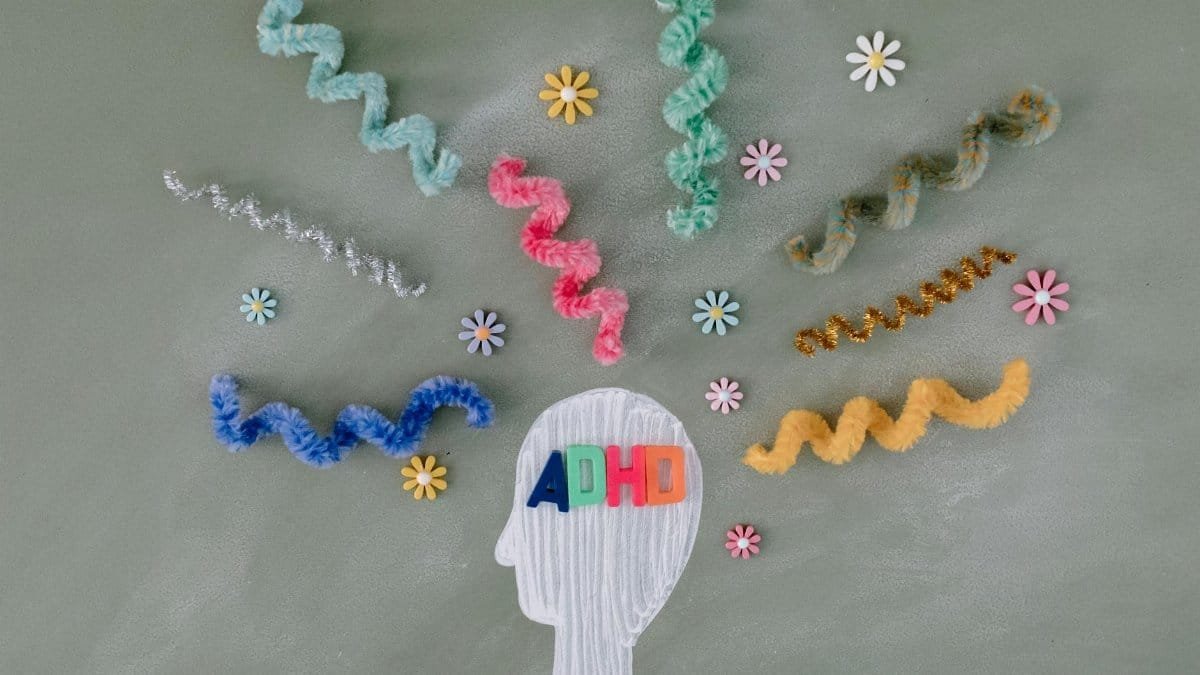
Co-occurring disorders, where mental health and substance use issues overlap, affect roughly 9.2 million adults in the U.S., according to data from the Substance Abuse and Mental Health Services Administration (SAMHSA). The viral focus on Lovato’s story has shed light on how often these conditions are intertwined. Experts stress that treating one without the other can lead to relapse or worsening symptoms, a lesson drawn from high-profile cases like Lovato’s that resonate with the public.
How Social Media Fuels Mental Health Conversations

TikTok’s role in amplifying the 2016 blog post shows the platform’s power to shape health narratives. Short, emotional clips can reach millions in hours, making complex topics like dual diagnosis more accessible. The 8.9 million views aren’t just a number—they represent a wave of curiosity and empathy among users, many of whom may be struggling themselves. This digital momentum in 2025 is breaking down barriers, encouraging people to seek help or support others in their recovery journeys.
Challenges in Treating Dual Diagnoses

While the attention on demi lovato dual diagnosis brings hope, clinicians caution that treating co-occurring disorders isn’t straightforward. Bipolar disorder and addiction often feed into each other, creating a cycle that’s hard to break. Integrated treatment, which combines therapy for mental health and substance use, is critical but not always accessible. Resources and trained professionals are stretched thin in many U.S. regions, a gap that stories like Lovato’s highlight as a pressing public health concern.
Moving Forward with Awareness and Action

The viral resurgence of Lovato’s story is more than a fleeting trend; it’s a call to action. Mental health advocates are using this moment to push for better access to dual-diagnosis programs and to educate the public on the realities of living with these conditions. Organizations like the National Alliance on Mental Illness (NAMI) are amplifying resources, hoping to sustain the conversation sparked by a single TikTok video into lasting change.