
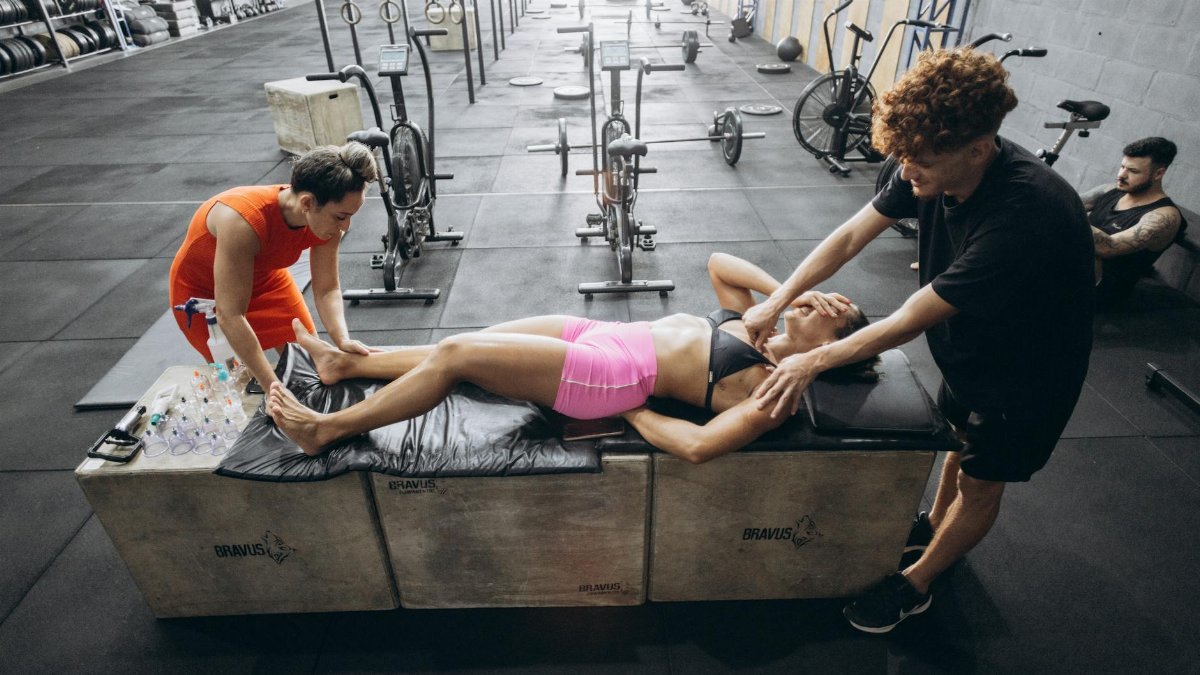
Imagine a quiet locker room after an intense game, where a seasoned athlete sits, eyes closed, fingers pressing gently into the base of their neck. This isn’t just a moment of rest—it’s a deliberate ritual. Vagus massage, a technique gaining traction among athletes, taps into the body’s nervous system to dial down stress and sharpen recovery. For those pushing their physical limits, this subtle practice is becoming a secret weapon. It’s not about spa-like relaxation; it’s about recalibrating the body for the next challenge. As more runners, swimmers, and weightlifters weave vagus massage into their routines, the question arises: which specific points deliver the most impact? This article pinpoints eight pressure spots that vagus massage athletes rely on, backed by science and real-world grit, to stay grounded and perform at their peak.
1. Base of the Skull (Occipital Ridge)

Start where the head meets the neck, just below the skull. This spot, often called the occipital ridge, is a go-to for many athletes after a grueling session. Gentle circular motions here can stimulate the vagus nerve, which runs close to the surface, helping to ease tension that builds from hours of physical strain. A 2018 study from the National Center for Biotechnology Information noted that stimulating this area can lower heart rate, a key marker of stress reduction. Picture a marathon runner, post-race, kneading this spot to quiet the body’s fight-or-flight response. It’s not instant magic, but a slow, steady release. Athletes often pair this with deep breathing for amplified effects, turning a simple touch into a powerful reset.
2. Behind the Ears (Mastoid Process)
Trace your fingers just behind the ears, where a small bony bump sits. This is the mastoid process, a less obvious but potent point for vagus nerve stimulation. Athletes like swimmers, who carry tension in their upper body from repetitive strokes, often target this area. Research from the Frontiers in Psychology journal suggests that light pressure here can influence parasympathetic activity, calming the nervous system. One swimmer described it as “like flipping a switch—suddenly, my shoulders drop.” It’s subtle, requiring only a minute or two of focused massage, yet it can shift an athlete from wired to centered, especially before a high-stakes event. The key? Don’t press too hard; a gentle touch works best.
3. Side of the Neck (Carotid Sinus)
On the side of the neck, near the jawline, lies the carotid sinus—a hotspot for vagus nerve access. Elite athletes, particularly those in combat sports, use this point to downregulate after adrenaline spikes. A light, rhythmic massage here can slow the pulse, as highlighted in findings from the Mayo Clinic on vagus nerve stimulation’s role in heart rate modulation. Caution is crucial, though; too much pressure risks dizziness. One wrestler shared how a coach taught him to graze this spot post-match, helping him shake off the jitters before debriefing. It’s a quick intervention, often done discreetly, but for vagus massage athletes, it’s a game-changer in managing the body’s stress response.
4. Chest Center (Sternal Notch)
At the top of the chest, in the small dip between the collarbones, the sternal notch offers a direct line to calm. Cyclists and runners, whose breathing patterns get taxed during long efforts, often focus here to restore rhythm. Studies, including one summarized by the Harvard Medical School, link vagus nerve activation in this area to improved respiratory control. Massaging lightly with two fingers, athletes report a sense of “opening up” their chest. It’s less about deep tissue work and more about signaling the body to relax. After a sprint, this spot can feel like a reset button, helping to steady both breath and mind for what’s next.
5. Inner Wrist (Median Nerve Point)

Flip your hand over and look at the inner wrist, about two inches below the palm. This point ties into the vagus nerve indirectly through the median nerve pathway, and it’s a favorite for athletes in precision sports like archery or tennis. Gentle pressure here, often with the opposite thumb, can ease the nervous system’s overdrive, as noted in research on autonomic balance from various academic sources. It’s portable—no need for a quiet space. One tennis player recalled using this during a tense tiebreaker, pressing lightly between serves to stay composed. The beauty is its simplicity; even in the heat of competition, this spot offers a moment of control for vagus massage athletes aiming to keep nerves in check.
6. Abdomen (Diaphragmatic Zone)
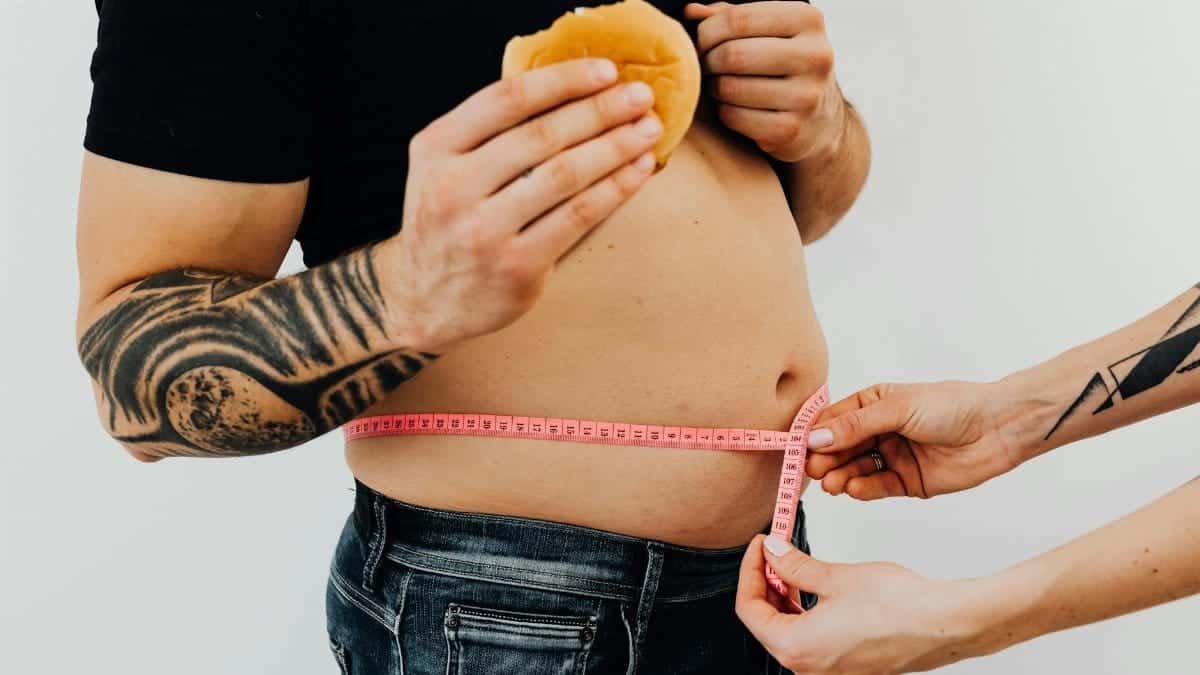
Just below the ribcage, near the diaphragm, is a less conventional but effective area for vagus nerve influence. Endurance athletes, who rely heavily on breath control, often massage this zone to deepen relaxation post-workout. The vagus nerve plays a major role in gut-brain communication, and stimulating this area can reduce stress hormones, per insights from broader neurological studies. Think of a triathlete lying on a mat after a race, hands gently kneading their midsection, syncing slow inhales with each press. It’s a grounding move, often paired with visualization. While not as immediate as other points, it builds a cumulative calm that helps with recovery over hours, not just minutes.
7. Inner Ear (Auricular Branch)
The ear itself, particularly the inner fold near the tragus, holds a direct connection to the vagus nerve’s auricular branch. This spot is popular among athletes who need quick mental resets, like gymnasts facing high-pressure routines. Research, including studies referenced by the National Institutes of Health, shows that ear-based stimulation can improve mood and reduce anxiety markers. A light rub or even a soft pinch here can jolt the system into balance. One gymnast mentioned doing this discreetly on the sidelines, feeling a wave of focus return. It’s not a deep massage—just a fleeting touch—but for many, it’s enough to shift gears before a critical moment.
8. Feet (Plantar Reflex Point)
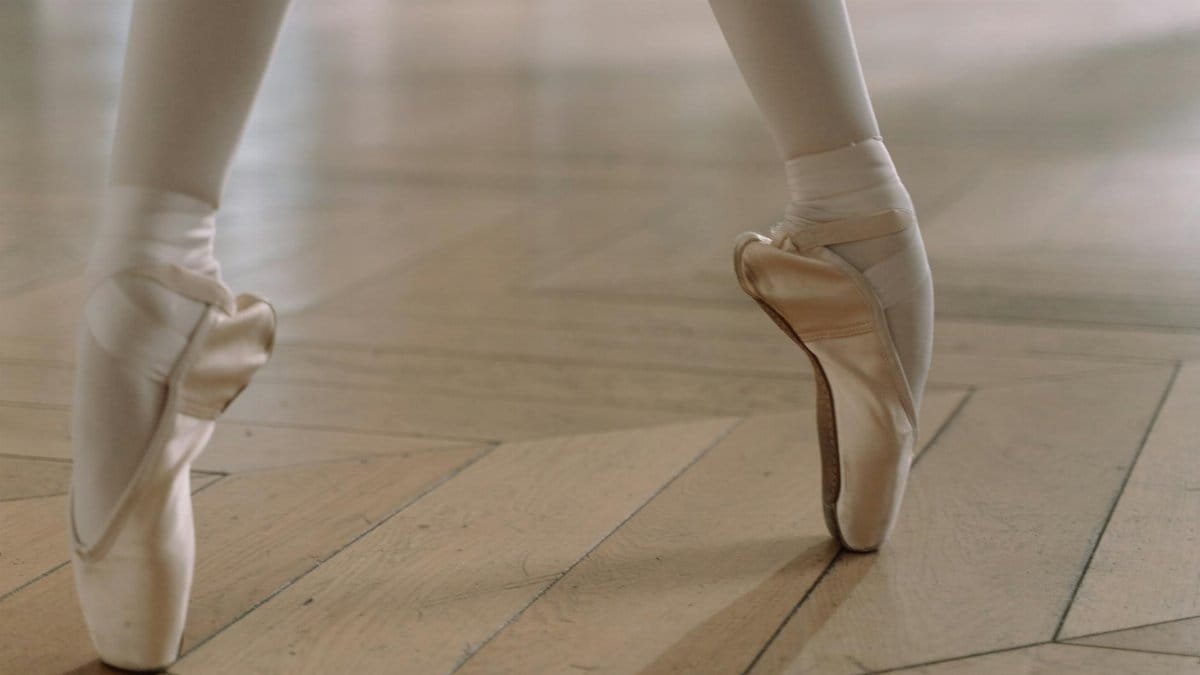
Lastly, the feet—specifically the center of the sole—offer an unexpected vagus nerve link through reflexology principles. Runners and soccer players, whose feet take a beating, often target this spot during cooldowns. While direct evidence tying plantar massage to vagus activation is emerging, anecdotal reports and peripheral nerve studies suggest a calming effect on the whole body. Picture a soccer striker, post-game, rolling a ball underfoot while catching their breath. It’s less precise than other points but doubles as general recovery. For vagus massage athletes, it’s a reminder that even the farthest reaches of the body can tie into central nervous system relief, closing the loop on stress management.
These eight points aren’t just random targets—they’re a roadmap that athletes have refined through trial and error. From the neck’s subtle pulse to the feet’s grounding pressure, each offers a unique entry to calm. In 2025, as more turn to holistic tools, vagus massage stands out for its accessibility. No gear, no cost—just hands and intention. Yet, it’s not a cure-all; it works best alongside rest and mental strategies. For those in the grind of competition, though, these spots are proving to be quiet allies, helping them not just endure, but thrive.