
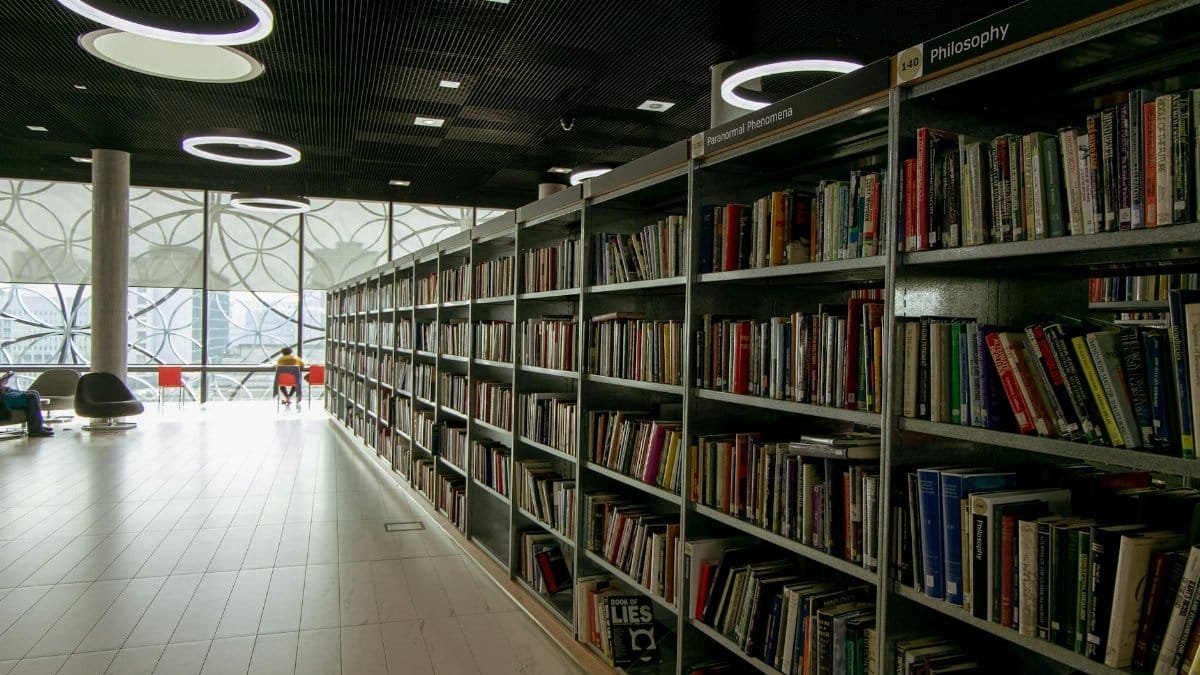
Minnesota quiet library law is causing a major shift in public spaces this year. Starting in 2025, every public library in the state must enforce strict quiet zones with a 40-decibel cap, monitored by soft decibel sensors. Non-compliance could mean fines, with proceeds funneled into teen mindfulness clubs. Early data shows an 8% jump in library circulation since the mandate kicked in, signaling a surprising public embrace. This new rule, aimed at restoring calm to shared spaces, has sparked both praise and debate across communities.
The Core of the Minnesota Quiet Library Law

At its heart, the Minnesota quiet library law mandates silence as a priority in public libraries. Enacted in early 2025, the legislation sets a strict noise limit of 40 decibels—roughly the volume of a whisper. Libraries must designate specific quiet zones where this cap is enforced. The goal is clear: create an environment where focus and reflection trump distraction. State officials argue this aligns with libraries’ traditional role as sanctuaries of thought, especially in an era of constant digital noise.
Technology Behind the Silence

To ensure compliance, libraries are installing soft decibel sensors throughout their spaces. These devices, discreetly placed, monitor noise levels in real-time and alert staff when the 40-decibel threshold is breached. Unlike harsh alarms, the sensors use gentle notifications to maintain the serene atmosphere. This tech-forward approach has been hailed as innovative, though some librarians worry about maintenance costs and the potential for over-surveillance in public areas. Still, the system is a cornerstone of making the law enforceable.
Fines and Their Unique Purpose
Breaking the noise cap isn’t just a warning—it comes with a cost. Patrons who repeatedly violate the 40-decibel rule face small fines, starting at $5 per incident. What sets this apart is where the money goes: directly into funding teen mindfulness clubs across Minnesota. These programs, often hosted in libraries, teach stress management and meditation to young adults. Supporters say it’s a poetic loop—disruptions fund peace-building initiatives—though critics question if fines unfairly burden lower-income visitors.
Circulation Boost Surprises Experts

One unexpected outcome of the Minnesota quiet library law is an 8% increase in library circulation since implementation. Books, audiobooks, and digital loans are all seeing higher demand. Analysts suggest the quiet zones are drawing in patrons who previously avoided libraries due to noise. Parents, students, and remote workers are reportedly flocking to these calm spaces for study and focus. This uptick, tracked in early 2025 reports, hints at a broader hunger for distraction-free environments in public life.
Community Reactions and Debate

Not everyone is on board with the new rules. While many patrons welcome the enforced calm, others argue the law stifles the evolving role of libraries as community hubs. Some parents note that young children struggle to meet the strict noise limits, making family visits stressful. Small-town librarians also express concern about alienating patrons who see libraries as social spaces. The tension between tradition and modern use is palpable, and public forums are already buzzing with feedback.
Broader Implications for Public Spaces

The Minnesota quiet library law could set a precedent beyond state lines. As urban noise pollution grows, other states are watching how this experiment unfolds. Libraries might just be the start—parks, transit hubs, and even cafes could face similar quiet mandates if the model proves successful. For now, Minnesota’s approach ties into a larger 2025 trend of reclaiming stillness in shared environments. Whether it’s sustainable or scalable remains an open question, but the conversation is gaining volume—ironically.
Supporting Data and Resources

For more context on noise pollution’s impact on public health, the Centers for Disease Control and Prevention (CDC) offers detailed insights into environmental noise effects. Additionally, the Pew Research Center has explored public attitudes toward noise in shared spaces, providing a broader backdrop to policies like Minnesota’s. These resources underscore why silence is becoming a valued commodity in 2025’s policy landscape.