
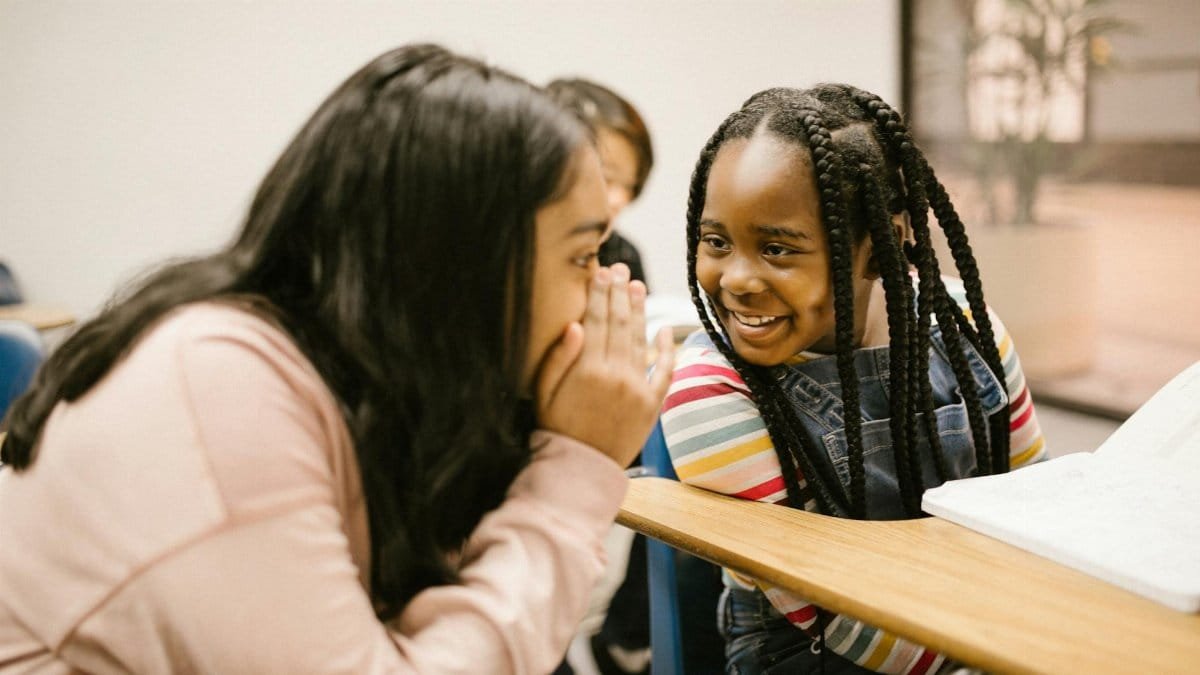
In Sioux Falls, South Dakota, a groundbreaking approach to student conflict is making waves. The Sioux Falls VR Calm School initiative, utilizing virtual reality “calm rooms,” has slashed school fights by nearly 25% in just one semester. According to recent data, the number of altercations dropped from 16 last semester to 12 as of January 29, 2025. This innovative program is not just reducing violence but also transforming how schools handle emotional crises, offering a glimpse into the future of educational technology in addressing behavioral challenges.
A Dramatic Drop in School Fights

The numbers speak for themselves. Sioux Falls middle schools implementing VR calm rooms reported a significant reduction in physical altercations among students. Last semester, 16 fights disrupted hallways and classrooms, creating tension and safety concerns. This semester, that figure fell to 12—a nearly 25% decrease. While the sample size is small, the early results suggest that immersive technology could play a pivotal role in curbing school violence, a persistent issue across U.S. educational institutions.
How VR Calm Rooms Work

At the heart of the Sioux Falls VR Calm School program are virtual reality pods designed to de-escalate heightened emotions. These “calm rooms” transport students to serene, nature-inspired environments through VR headsets, helping them step away from conflict and regain composure. The technology provides a safe, controlled space where students can process anger or frustration without resorting to physical outbursts. Schools have integrated these pods into their behavioral intervention strategies, offering an alternative to traditional disciplinary measures.
Faster De-escalation, Better Outcomes

Beyond reducing fights, the VR calm rooms are speeding up conflict resolution. Counselors in Sioux Falls schools have logged a 40% quicker de-escalation rate when students use these virtual environments. This means less time spent managing crises and more time focused on learning. The ability to calm students rapidly not only benefits the individuals involved but also minimizes disruptions for entire classrooms, creating a more stable educational environment.
Counselors See a Shift in Student Behavior
School counselors are among the strongest advocates for the VR program. They’ve noted that students who might otherwise lash out are more willing to engage in calming exercises within the virtual space. The immersive experience seems to interrupt the cycle of aggression, providing a reset that traditional mediation sometimes fails to achieve. This shift is critical in a time when mental health challenges among youth are on the rise, with schools often serving as the first line of intervention.
Funding on the Horizon

The success of the Sioux Falls initiative hasn’t gone unnoticed. A grant renewal is expected to sustain and potentially expand the VR calm room program, ensuring its availability for the remainder of 2025 and beyond. While specific details on the funding amount or scope remain undisclosed, the anticipation of continued support signals confidence in the technology’s impact. This could pave the way for other South Dakota districts—or even schools nationwide—to adopt similar tools.
National Context: A Growing Need for Innovation

School violence remains a pressing concern across the United States. According to the National Center for Education Statistics, incidents of bullying and physical altercations have persisted in schools despite various intervention programs. The Sioux Falls VR Calm School model offers a tech-driven alternative that aligns with broader trends in educational innovation, where tools like virtual reality are increasingly used to address behavioral and emotional needs.
Challenges and Future Considerations

While the early results are promising, the VR program isn’t without hurdles. Implementing such technology requires significant investment in equipment, training, and maintenance. Not every school district has the resources to adopt these tools at scale. Additionally, long-term studies are needed to determine whether the reduction in fights and faster de-escalation rates hold over time or if the novelty of VR wears off. Sioux Falls is setting a precedent, but widespread adoption remains a question mark.
A Model for Other Schools?

The success in Sioux Falls could inspire a wave of edtech solutions in schools struggling with similar issues. As mental health resources for students remain stretched thin—a concern highlighted by organizations like the Mental Health America —virtual reality offers a scalable way to provide immediate emotional support. If grant funding continues and results remain consistent, Sioux Falls may become a blueprint for how technology can transform school safety and student well-being.