
Is North Dakota wind meditation the unexpected wellness trend of 2025? Across the state, a unique initiative is blending renewable energy with mindfulness, as wind-farm buffer zones are transformed into serene meditation parks. These spaces, featuring quiet walking paths and wind-chime art installations, are drawing attention from locals and tourists alike. North Dakota’s pilot park has already shown a 20% spike in local tourism, signaling a surprising intersection of green energy and spiritual well-being. This innovative project could redefine how communities engage with both nature and technology.
A New Vision for Wind Farms
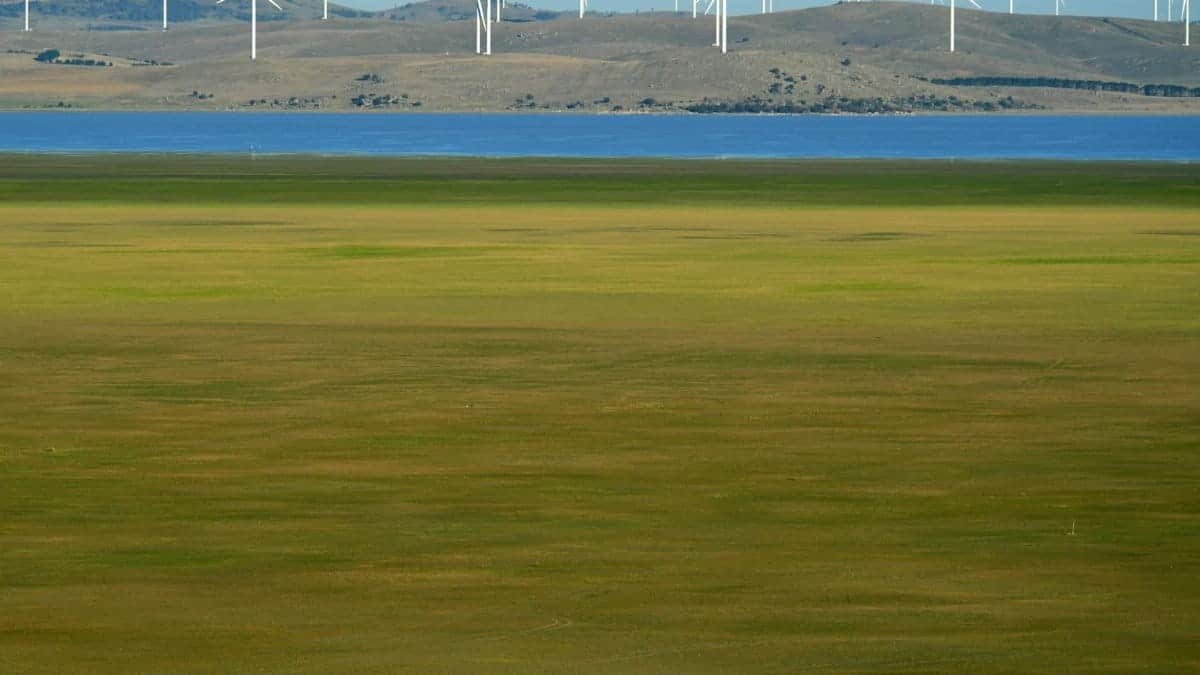
North Dakota, long known for its sprawling wind farms, is reimagining the purpose of these renewable energy hubs. State officials have leased unused buffer zones around turbine sites to create public meditation parks. These areas, typically off-limits to the public, are now accessible spaces designed for quiet reflection. The initiative aims to balance the state’s commitment to clean energy with a growing demand for wellness-focused public spaces. It’s a bold move that’s catching eyes across the Midwest.
Features of the Meditation Parks
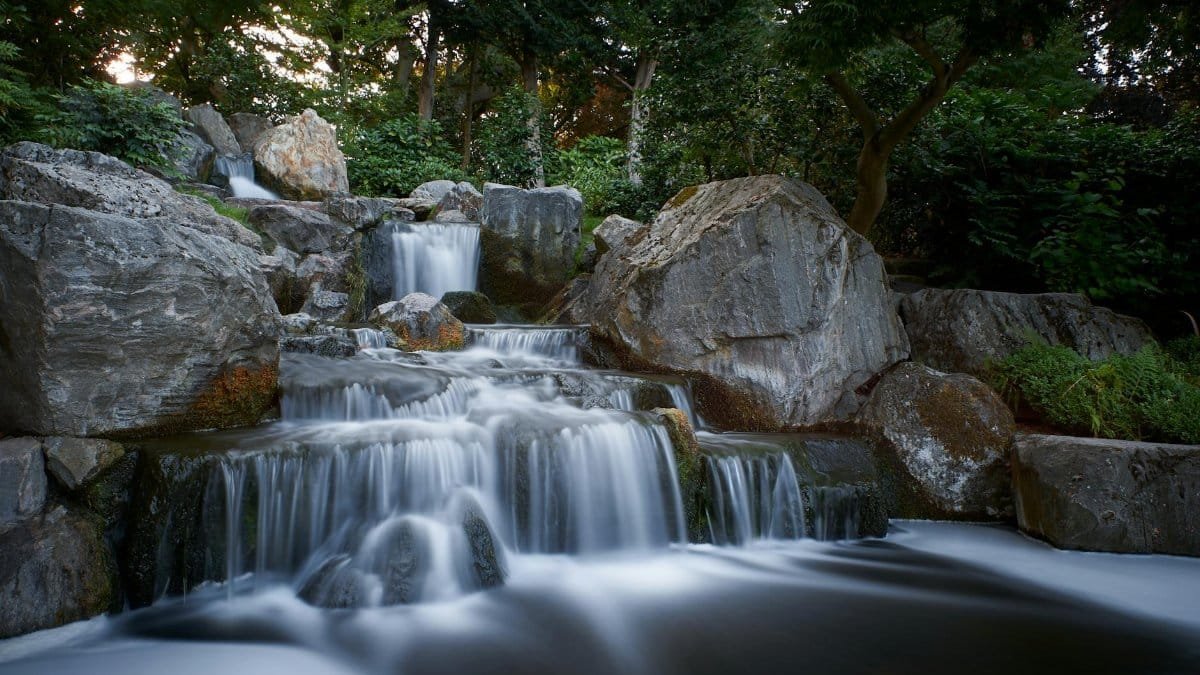
The meditation parks are not just empty fields with turbines in the background. They’ve been carefully curated with walking paths that wind through the landscape, offering visitors a chance to immerse themselves in the natural soundscape of the wind. Unique wind-chime art installations, crafted by local artists, add a melodic layer to the experience. These features transform the industrial feel of wind farms into something calming and contemplative, making North Dakota wind meditation a distinctive draw.
Tourism Boost from the Pilot Park
The pilot park, launched as a test of the concept, has already proven its economic potential. According to state reports, local tourism in the area surrounding the park jumped by 20% since its opening. Visitors are flocking to experience the unusual blend of technology and tranquility, with many citing the peaceful atmosphere as a refreshing escape. Small businesses, from cafes to gift shops, have noted increased foot traffic, suggesting the parks could become a significant driver for rural economies.
Community Response and Engagement

Local communities near the meditation parks have largely embraced the initiative. Residents appreciate the dual benefit of supporting renewable energy while gaining access to new recreational spaces. Some have even started organizing group walks and mindfulness sessions in the parks, fostering a sense of connection. The project has sparked conversations about how industrial landscapes can serve multiple purposes, blending functionality with community well-being in unexpected ways.
Environmental and Cultural Impact

Beyond tourism and wellness, the meditation parks highlight North Dakota’s commitment to sustainability. By repurposing buffer zones, the state is maximizing land use without disrupting wind farm operations. The inclusion of local art in the form of wind chimes also celebrates regional culture, tying the project to the identity of the area. It’s a small but meaningful step toward integrating renewable energy projects more deeply into the fabric of everyday life.
Challenges in Scaling the Project

While the pilot park has been a success, expanding North Dakota wind meditation parks statewide isn’t without hurdles. Leasing agreements with wind farm operators must be negotiated carefully to ensure safety and operational efficiency. Additionally, funding for park maintenance and further art installations remains a concern. State officials are exploring partnerships with private entities and federal grants to address these issues, but the path forward requires strategic planning.
Potential for National Inspiration
North Dakota’s experiment could set a precedent for other states with significant wind energy infrastructure. The idea of turning industrial buffer zones into public wellness spaces is replicable, especially in regions looking to boost tourism or community engagement. Experts suggest that similar projects could align with national trends toward mindfulness and sustainability, as seen in reports from organizations like the Pew Research Center, which track growing interest in wellness practices.
Broader Context in 2025

As 2025 unfolds, the intersection of renewable energy and personal well-being is gaining traction across the U.S. North Dakota’s meditation parks are a microcosm of this shift, reflecting a broader push to harmonize technology with human needs. The state’s initiative also aligns with federal priorities for green infrastructure, as outlined by agencies like the U.S. Department of Energy. This project might just be the start of a larger movement to rethink how we interact with energy landscapes.